The 20th Century’s Best American Films Worth Watching Today, Part 3
Part 2: 1940-1949 Part 4: 1960-1969
The Studio Peak & Paranoia (1950–1959)
This is the next stop on our tour through the 20th Century’s classic movies worth watching that are still friction-free to watch today. If you’re in your 20s or 30s, this list is especially made for you. Read more about how I selected the movies in part 1.
The 1950s were a turning point for Hollywood. The studio system was still making films with polish, craft and star power, even as the world beneath it was becoming increasingly anxious. This was the decade that introduced the television, and to compete with it Hollywood began making movies in widescreen, with films like The Robe in 1953. Expect immaculate visuals, strong genre films, and movies made with real confidence. At the same time these films often reflect Cold War fears, social conformity, sexual repression, and a rising doubt about authority. Underneath the glamour and professionalism, 1950s American films are often stranger, darker, and more unsettled than most people realize.
Short Film
Duck Amuck (1953, Charles M Jones)
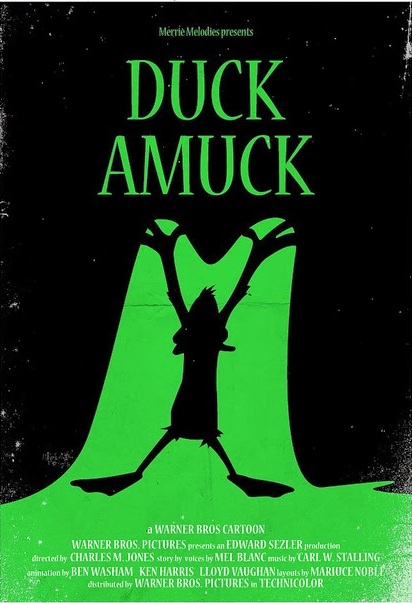
In Duck Amuck, Daffy Duck tries to star in a swashbuckling cartoon, but an unseen animator keeps messing with him by erasing backgrounds, changing his costumes, distorting his voice, and redrawing him in strange ways. Duck Amuck is a classic example of how animation can play with its own rules for laughs, even at a short runtime of 7 minutes. Chuck Jones uses framing, sound, editing, and even pencil lines to create a funny back-and-forth between Daffy and the animator. Daffy’s growing frustration is always funny because the jokes are so well-timed. The cartoon is quick, creative, and is still funny even after seventy years. Unfortunately there is no link here, because Warner Bros. Discovery aggressively protects its copyright, and this was made after 1948. If you have HBO Max, AppleTV or Prime Video watch it there.
Feature Films
In a Lonely Place (1950, Nicholas Ray)
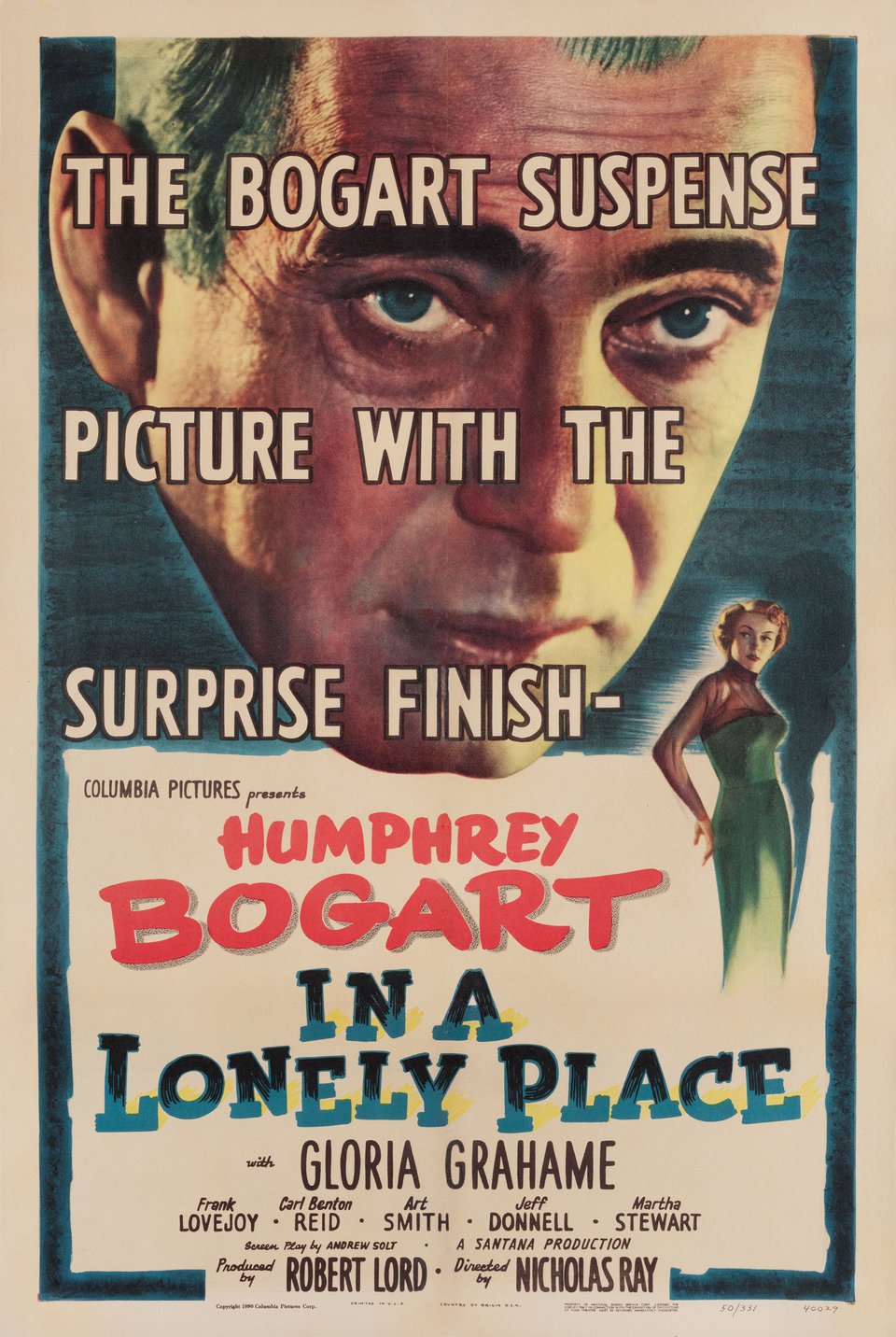
When a cynical Hollywood screenwriter becomes the prime suspect in a brutal murder, his sharp-witted neighbor provides his alibi. As an intense romance develops between them, his explosive temper and violent outbursts lead her to an agonizing realization: he might actually be the killer.
In a Lonely Place moves past the usual noir style to create a tense psychological thriller about dangerous masculinity and domestic terror. Humphrey Bogart gives one of his most complex and unsettling performances, weaponizing his usual tough-guy charm into something truly unpredictable. Gloria Grahame keeps up with him, showing a character whose intelligence slowly turns into fear. This film creates real, modern suspense from the fear of loving someone who could be dangerous. It’s more than just a crime story, it’s a chilling look at realizing danger in someone only when it is too late.
Sunset Boulevard (1950, Billy Wilder)
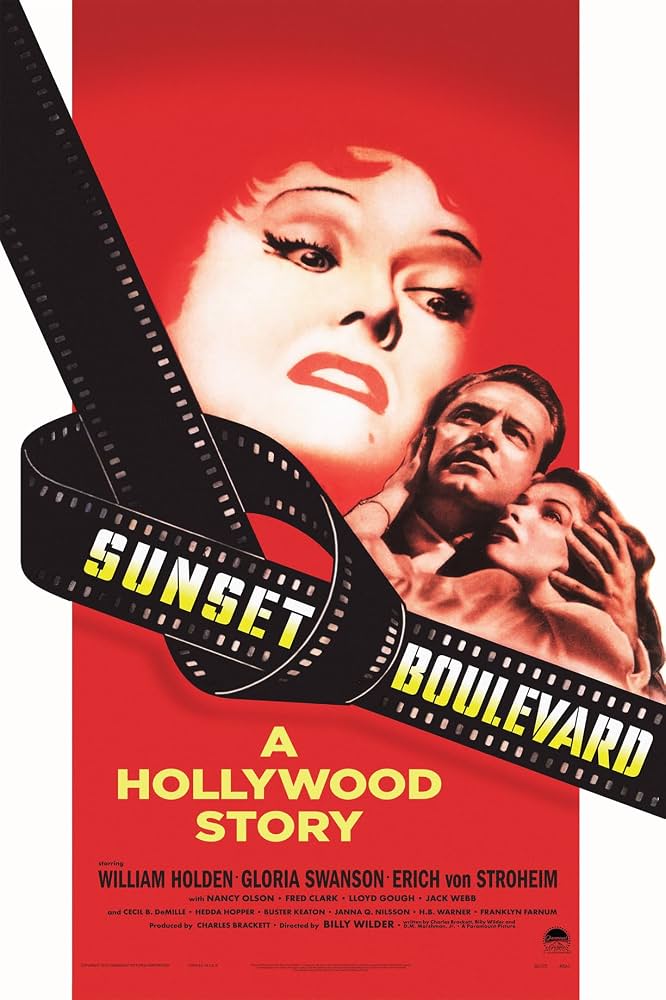
A broke screenwriter named Joe, running from repo men, hides in what looks like an empty Beverly Hills mansion. There he meets Norma Desmond, a rich but forgotten silent-film star who thinks Hollywood is ready for her comeback. Hoping to make some quick cash Joe agrees to help rewrite her ridiculous script but finds himself trapped in her suffocating and delusional world.
Sunset Boulevard blends film noir, gothic horror, and dark comedy. Gloria Swanson is mesmerizing as Norma, making her vanity both frightening and oddly sad, while William Holden’s tired narration gives the story a steady but cynical pace. The movie creates a growing sense of dread as Joe sinks further into Norma’s strange world. It belongs on this list because it explores fame, exploitation, and how easily Hollywood forgets its stars. It also shows the industry starting to look back at its own past.
High Noon (1952, Fred Zinnemann)
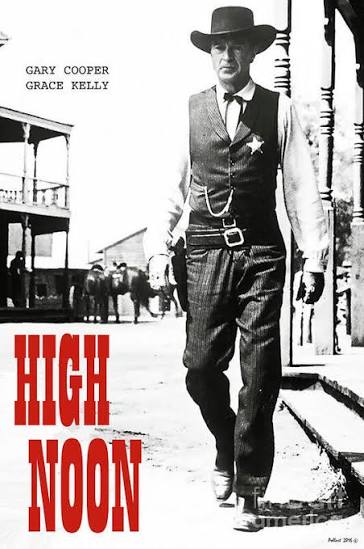
This is one of my three favorite westerns. High Noon tells the story of Will Kane, a town marshal who has just married and given up his badge, ready to leave town. But when he hears that Frank Miller, a dangerous outlaw he once put in jail, has been released and is coming back on the noon train with his gang for revenge, Kane chooses to stay and confront them. As he looks for help from the townspeople, every single person finds a reason not to get involved.
The movie takes a classic Western and turns it into a tension-filled story about courage, fear, and what people do when doing the right thing is scary. The action happens almost in real time, too, with clocks reminding us that the train is getting closer. Gary Cooper plays Kane with a worn-out, honest determination that makes his loneliness feel real, while Grace Kelly adds her own kind of strength. Watching the film builds a strong sense of pressure as we see Kane run out of options. The movie still works today because it leaves out the usual Western romance and focuses on a powerful story about standing up for what is right, even when you are alone.
Singin’ in the Rain (1952, Stanley Donen & Gene Kelly)
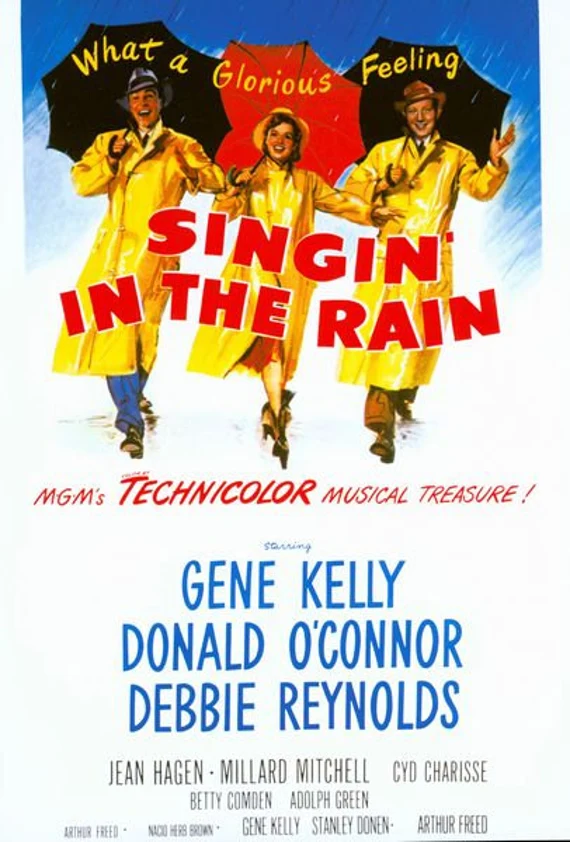
Singin’ in the Rain follows silent-film star Don Lockwood as Hollywood scrambles to switch from silent movies to talkies. When his newest film flops because audiences can’t stand his co-star’s voice, Don and his friends decide to secretly dub her lines. Meanwhile Don falls for Kathy Selden, an aspiring actress who might have the perfect voice for Lina.
This movie really shows the studio system working at its best. The three stars bring plenty of energy to the songs and dances, and Jean Hagen nearly steals the show as Lina. The choreography is impressive and athletic, but it never overshadows the comedy or the story. It’s just a lot of fun to watch, whether Donald O’Connor is running up walls in “Make ’Em Laugh” or Gene Kelly is splashing through puddles in the famous title scene. The film also fits its decade well, showing Hollywood adjusting to new technology while still showing what the old system could achieve.
Rear Window (1954, Alfred Hitchcock)
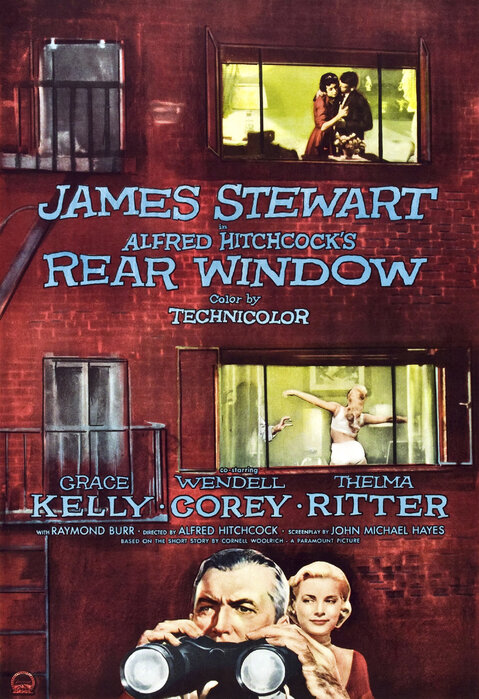
This might be my favorite Hitchcock movie, and it’s also the first widescreen movie on our tour. Stuck in a wheelchair during a sweltering New York heatwave, a bored photojournalist passes the time by watching his neighbors across the courtyard with binoculars and his camera lenses. What starts as an entertaining diversion becomes something more serious when he notices the suspicious behavior of a salesman across the way and becomes convinced that a murder has happened.
Rear Window makes the act of watching the main part of the mystery. Hitchcock keeps the audience inside Jeff’s apartment, so we only see what he sees and have to decide for ourselves what’s really happening. Jimmy Stewart plays Jeff as curious, likable and more obsessed as the story goes on, while the gorgeous Grace Kelly brings both intelligence and courage as his girlfriend Lisa, especially when she starts taking real risks to help him. The tension builds slowly until you find yourself watching the neighbors just as closely as Jeff. The idea is simple, but it’s done so well that the suspense is almost too much by the end.
On the Waterfront (1954, Elia Kazan)
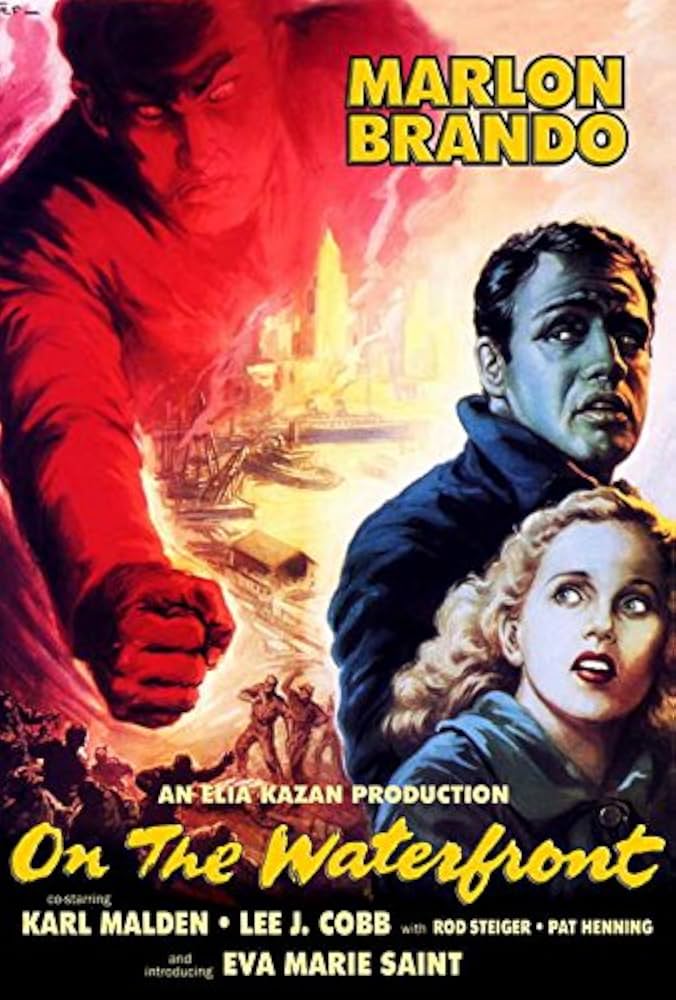
Terry Malloy, a former boxer, works on the Hoboken docks where the union is run by mobsters. After he helps the bosses set up a friend’s death, Terry is torn between his old life and the victim’s sister and a local priest. In the end he has to choose between staying silent or risking everything by telling the truth.
On the Waterfront works because Terry isn’t a standard Hollywood hero. Yes he’s tough, but also frightened, uneducated, and deeply conflicted. Marlon Brando delivers a performance that still feels shockingly natural and alive, throwing away theatrical speeches for a quiet vulnerability and hesitation, and the story keeps you on edge because speaking up carries real, violent consequences. In the end the film asks a timeless question: how much would you risk if staying quiet meant letting the wrong people win?
The Night of the Hunter (1955, Charles Laughton)
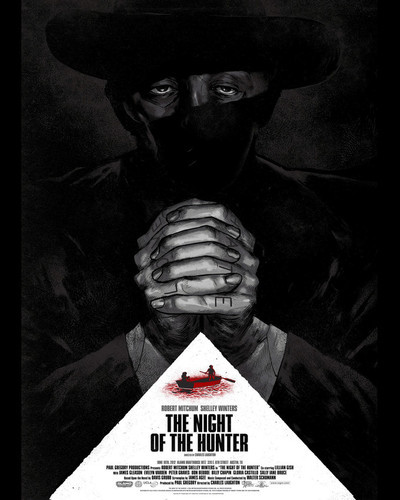
After a bank robber is executed, his two young children are left with a secret: their father hid $10,000 somewhere before he was caught. Not long after, a traveling preacher named Harry Powell comes to town and marries their mother. But Powell is not the harmless preacher he pretends to be–he wants the money, and when the children refuse to tell him where it is, he begins hunting them.
The Night of the Hunter is one of the strangest movies on my list. Robert Mitchum is outright disturbing as Powell, using his charm, religious language, and the famous LOVE and HATE tattoos on his knuckles to create a villain who seems to come out of a nightmare. The movie is just as disturbing, with sharp shadows, odd silhouettes, and a moonlit countryside that feels more like a dark fairy tale than 1950s America. Watching it gives you a hypnotic sense of dread as the children try to escape. It is beautiful, frightening, and unlike practically anything else Hollywood made at the time.
12 Angry Men (1957, Sidney Lumet)
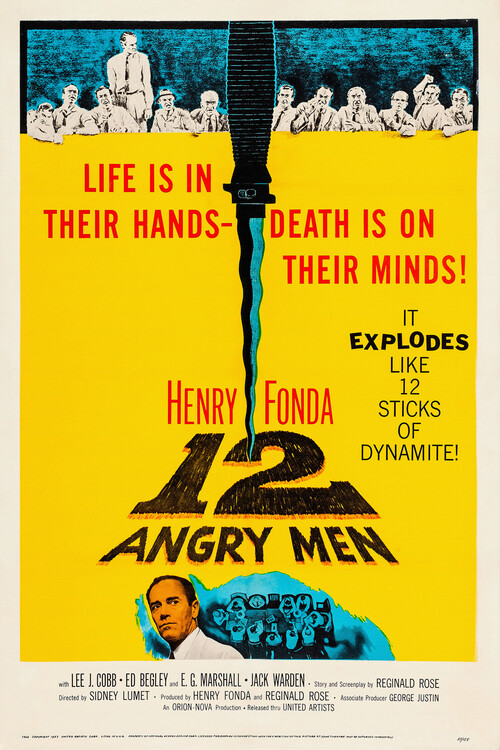
A teenage boy is on trial for killing his father, and eleven out of twelve jurors are ready to declare him guilty and leave. Only Juror 8 isn’t convinced. As they review the evidence, what seemed like an easy decision becomes much more complicated. Stuck together in a hot jury room, their talk turns into a tense debate about prejudice, anger, and how easily personal feelings can affect our judgment.
12 Angry Men is a powerful film, and it gets intense even though most of it happens in just one room. Henry Fonda plays Juror 8 with calm determination, while Lee J. Cobb shows explosive anger as the group starts to clash. The film keeps making the single room feel more uncomfortable as the pressure builds. It belongs here because it turns what could have been a dull courtroom story into a powerful look at doubt, fairness, and the courage to stand alone.
Paths of Glory (1957, Stanley Kubrick)
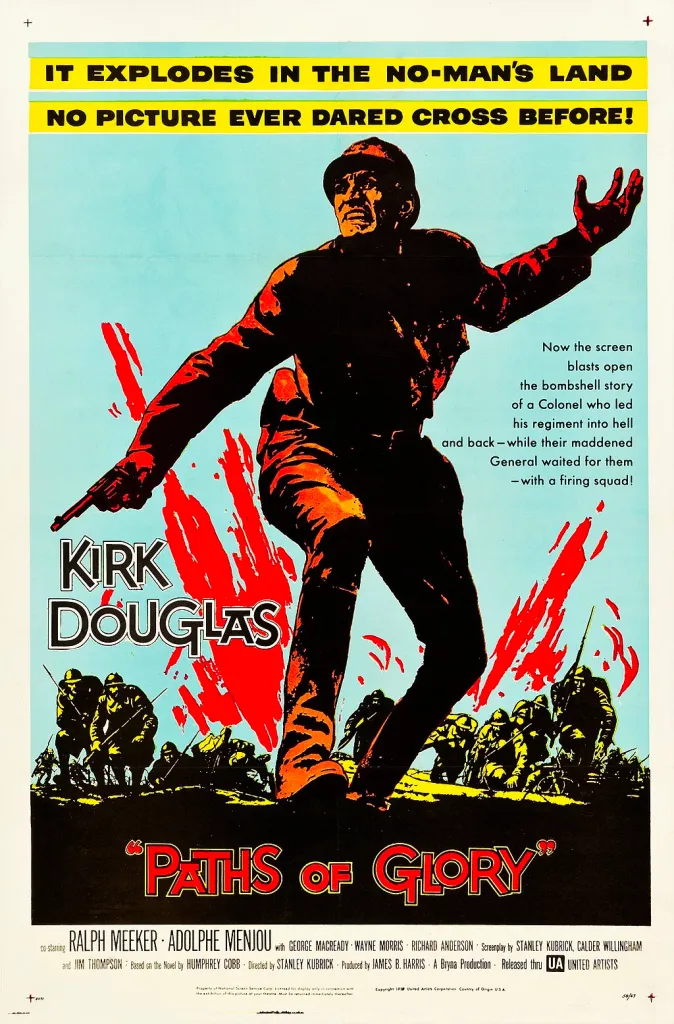
A French general sends his men on a hopeless attack against a German stronghold. When the assault fails, the angry high command picks three soldiers at random to be tried and executed for cowardice, just to protect their own reputation. Colonel Dax, their leader, steps up as their lawyer and tries to take on the system that caused the tragedy.
Paths of Glory is on my list because it replaces old-fashioned manners with sharp, focused anger. At just 88 minutes it moves fast: the camera drags you through the trenches and then throws you into a courtroom drama, where the verdict seems fixed from the start. Kirk Douglas shines as Dax, who is full of tired determination as he faces leaders who see soldiers as nothing but warm bodies. Watching this movie can leave you angry and shaken. It never asks you to excuse its story because of when it was made—its anger at leaders who care more about their status than their people still hits just as hard today as it did in 1957.
Sweet Smell of Success (1957, Alexander Mackendrick)
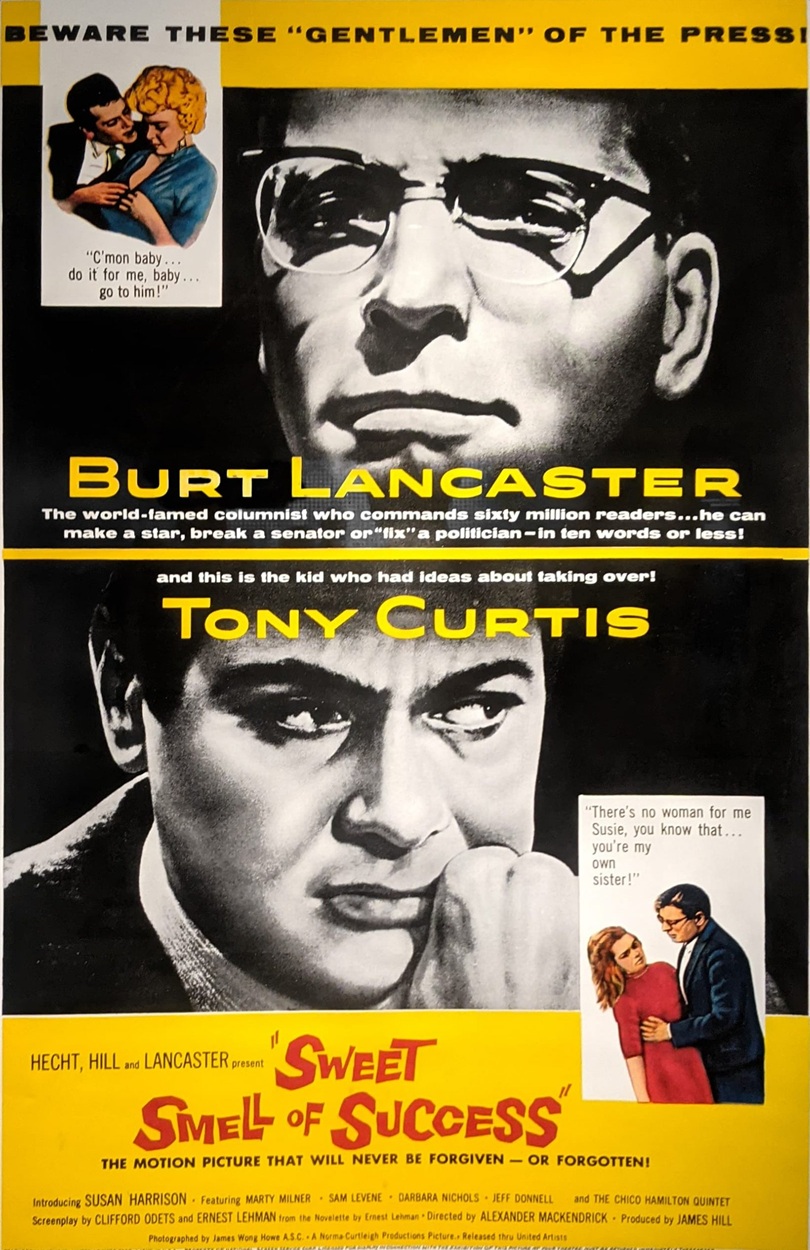
Sweet Smell of Success is a sharp, darkly funny New York film noir that follows Sidney Falco, a publicity agent willing to sell his soul to stay in the good graces of J.J. Hunsecker, a powerful gossip columnist who can make or break anyone’s career. When Hunsecker tells Sidney to ruin his sister’s romance with a jazz musician, Sidney orchestrates a smear campaign that quickly spirals into threats, favors, humiliations, and increasingly ugly compromises.
This film stands out because it still feels electric today. The dialogue is sharp and biting, with every insult and wisecrack showing someone trying to take charge. Burt Lancaster plays Hunsecker as a master of cold, polite cruelty, while Tony Curtis makes Sidney’s ambition feel desperate and urgent. The nighttime shots of Manhattan look humid and predatory, and the jazz score keeps the city alive. At just 96 minutes the movie is cynical enough to leave a mark, but it’s so well made that it never feels dated.
North by Northwest (1959, Alfred Hitchcock)
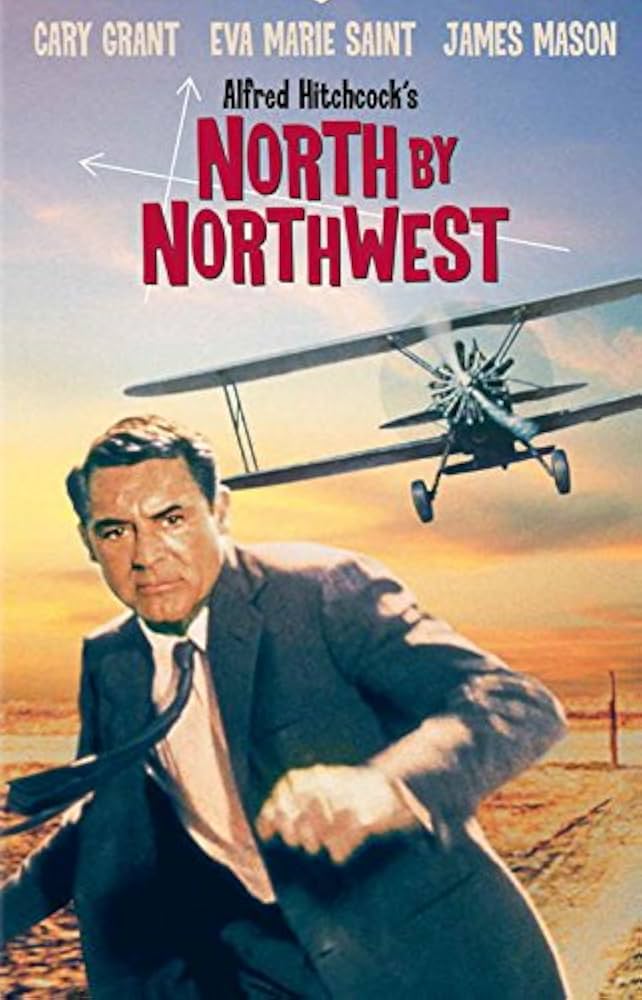
In North by Northwest, a slick Manhattan advertising executive is mistaken for a fictional government agent and kidnapped by foreign spies. After escaping a fake drunk-driving accident meant to kill him, he is framed for murder at the United Nations. This sets off a cross-country chase, with both enemy agents and the police on his trail.
Alfred Hitchcock’s thriller is a blueprint for the modern chase movie. Cary Grant plays Roger Thornhill with easy charm, sharing witty banter with Eva Marie Saint. They move together through famous scenes like the crop-duster attack, the auction-house escape and the climb across Mount Rushmore, and watching it delivers pure, frictionless adrenaline. It asks for zero historical forgiveness, moving with momentum that’s thrilling, sophisticated, and often laugh-out-loud funny.
Some Like It Hot (1959, Billy Wilder)
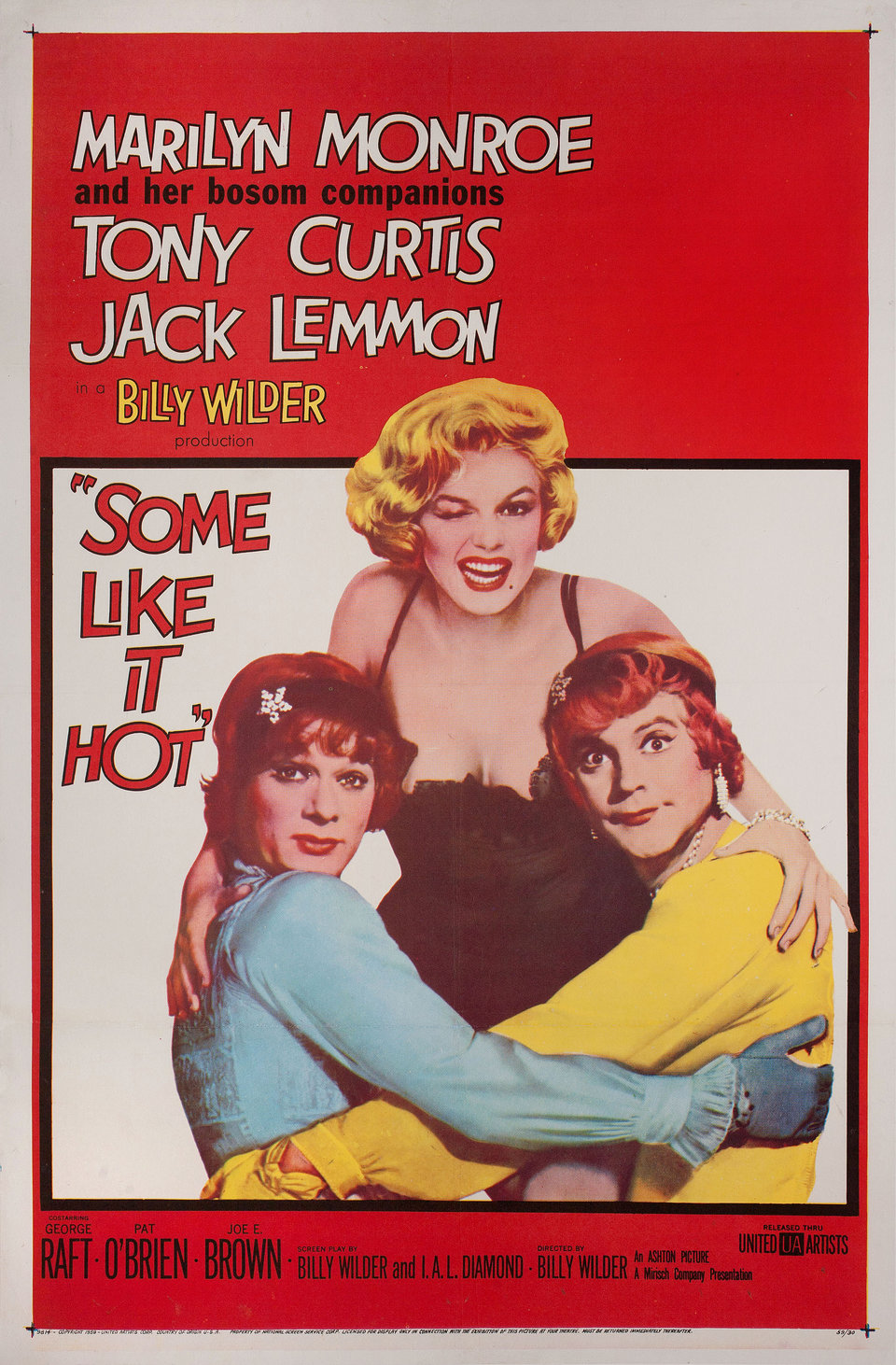
Speaking of funny. In Some Like It Hot two struggling jazz musicians from Chicago witness the Saint Valentine’s Day Massacre and decide to dress as women so they can join an all-female band going to Florida. Things spiral when Joe falls for the band’s sweet, ukulele-playing singer Sugar Kane, and Jerry finds himself pursued by a persistent, clueless old millionaire.
Billy Wilder delivers a comedic momentum that keeps moving forward and pushes boundaries too. Tony Curtis and Jack Lemmon have great chemistry, and Marilyn Monroe brings Sugar a warmth and vulnerability that makes her more than just a comic character. The dialogue is quick, the misunderstandings keep piling up, and the disguise idea leads to new problems instead of getting old. Watching it is a total blast. It’s really funny, unexpectedly sexy, and way ahead of its time. The movie builds almost two hours of wild comedy to earn what is one of the best ‘final lines’ in film history.
Honorable Mention
The Searchers (John Ford, 1956)
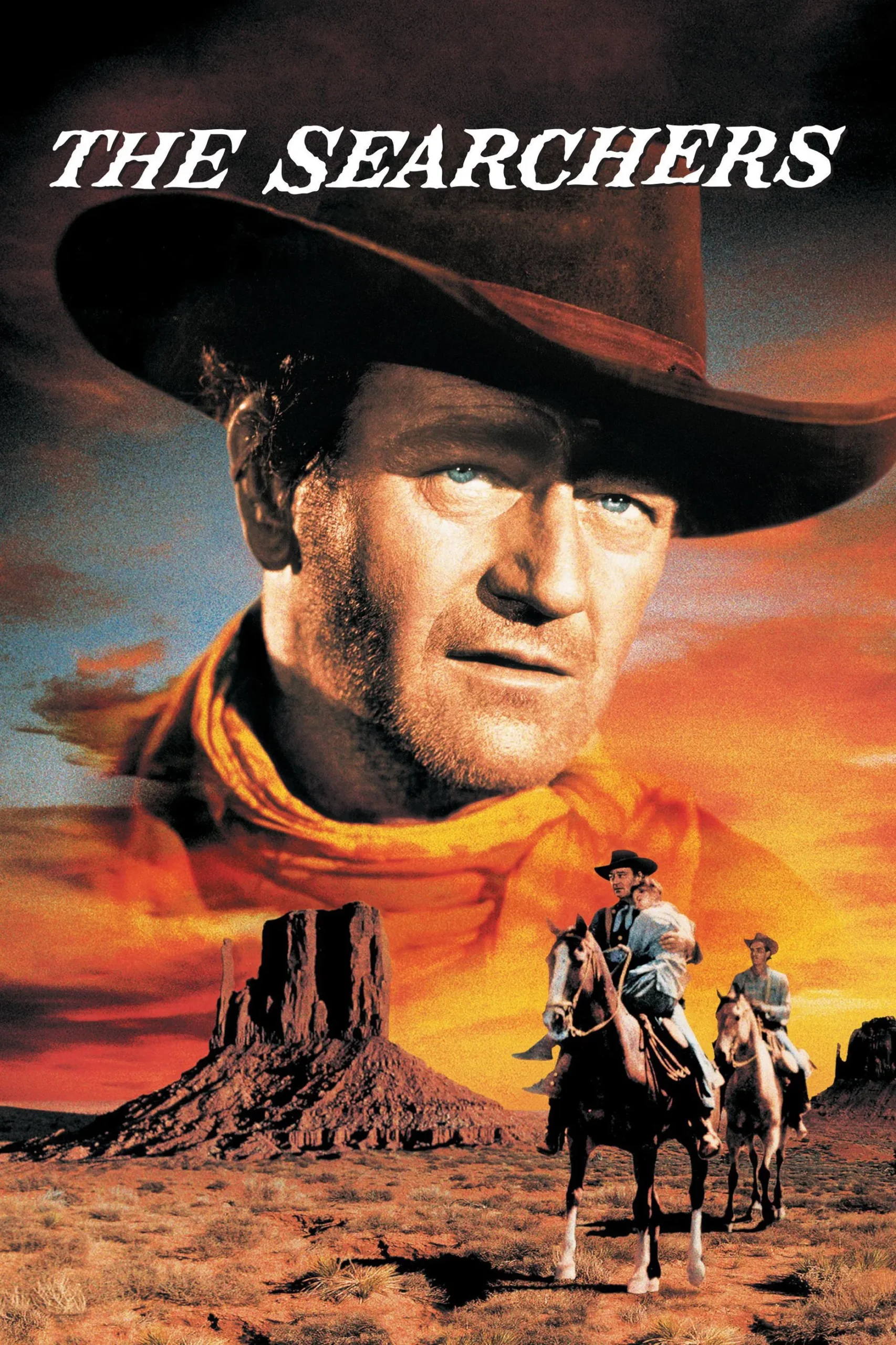
I am NOT going to do honorable mentions, with this one exception. I realized I didn’t have a single John Ford movie on my list, and given his enormous impact on American cinema that felt like a sin of omission. I also don’t have a single John Wayne movie, and while I’m not about quotas, this lets me kill two birds with one stone.
After a Comanche raid destroys his brother’s home and kidnaps his young niece, embittered Confederate veteran Ethan Edwards sets out on an obsessive, five-year search across the frontier. As time passes his partner, her brother Martin, slowly realizes that Ethan has no intention of rescuing a girl who may now be living as Comanche—he plans to kill her.
The Searchers is here because it challenges the traditional Western. John Wayne gives one of his most complex and unsettling performances, transforming his usual cowboy role into a character driven by hate and stubbornness, all set against the vast and iconic Monument Valley. Visually it’s gorgeous and morally it’s ambiguous. You’ll need patience with some of the comedy, but overall watching the film is a tense experience, filled with psychological suspense that keeps you guessing about which side of Ethan will win out.
So far our tour has taken us through the silent era and great early movies, the golden age and noir films, and now the peak of the studio system and the underlying paranoia. I’ll talk more about the next age of Hollywood, the studio fracture, in my next post. All of these movies almost anyone can watch and enjoy. Part 4 is out now.