The 20th Century’s Best American Films Worth Watching Today, Part 2
Part 1 (1917-1939) Part 3 (1950-1959)
The Golden Age & Post-War Noir (1940–1949)
We are continuing our tour through the 20th Century’s classic movies worth watching that are still friction-free today. If you’re in your 20s or 30s, this list is especially made for you. Read more about how I selected the movies in part 1.
Hollywood was at its peak in the 1940s, even though the world itself was pretty unstable. Movies from this era usually fall into two main types: screwball comedies with rapid-fire dialogue, and dark noir thrillers full of double-crosses, greed, and morally compromised characters. There are also wartime romances, sweeping dramas, and films that explore what happens after the fighting stops. These movies still stand out today because of their sharp writing, strong performances, and impressive visuals. While some might seem old-fashioned, many are still quick, funny, suspenseful, and surprisingly dark. Watching films from the 1940s can feel much more exciting than you might expect.
I had so much fun finding good short films that I’ll include one or two going forward. They’re purely optional at this point, but each will highlight something interesting or fun about the decade in which they were made. I simply have to include at least one Three Stooges short film, and one of the best animated shorts ever.
Short Films
A Plumbing We Will Go (1940, Del Lord)
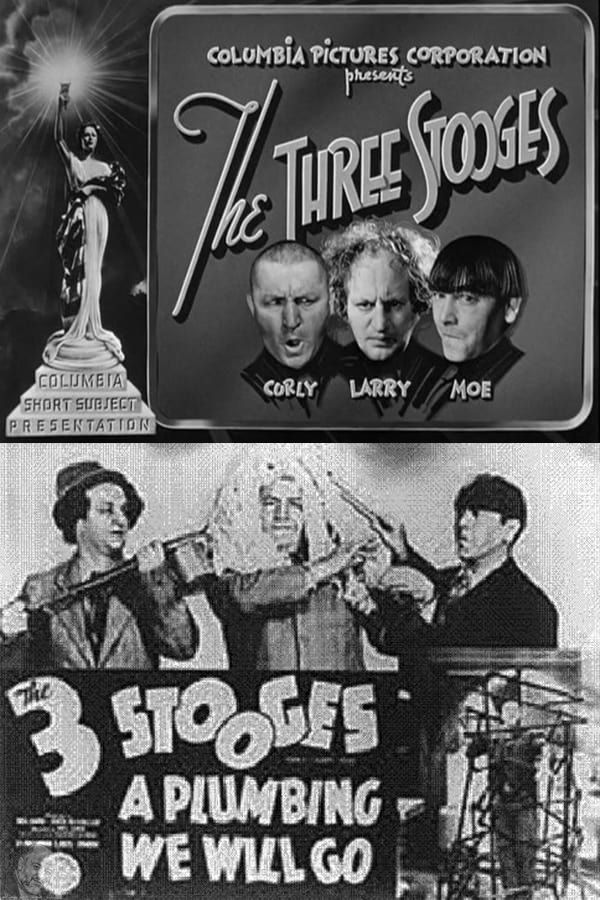
After a failed attempt at stealing a pet, the Stooges escape the police by taking a plumber’s van and pretending to be repairmen at a fancy mansion. For the next 17 minutes chaos builds as water sprays from appliances and chandeliers, and Curly ends up stuck in a maze of pipes while trying to stop a bathroom flood. This short stands out because each joke is set up so clearly—every fix only makes things worse. The comedy goes from simple to clever without losing pace, and it’s funny to watch three clueless guys turn a small leak into a total disaster. Stream it on YouTube for free.
The Cat Concerto (1947, William Hanna & Joseph Barbara)
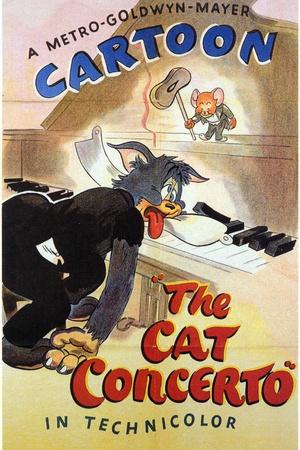
The Cat Concerto opens with Tom dressed in a tuxedo, about to play a piece of classical music at a grand recital. He soon finds Jerry trying to sleep inside the piano. Their argument turns into a seven-minute battle with paws, hammers, flying keys, and increasingly elaborate attempts to keep the music going. This scene stands out because the comedy is woven right into Liszt’s music. Every gag matches the performance, making the chaos feel as carefully choreographed as the recital itself. The result is both funny and impressive, turning a simple cat-and-mouse chase into a piece of comic musical art. It’s also streamable right on YouTube.
Feature Films
His Girl Friday (1940, Howard Hawks)
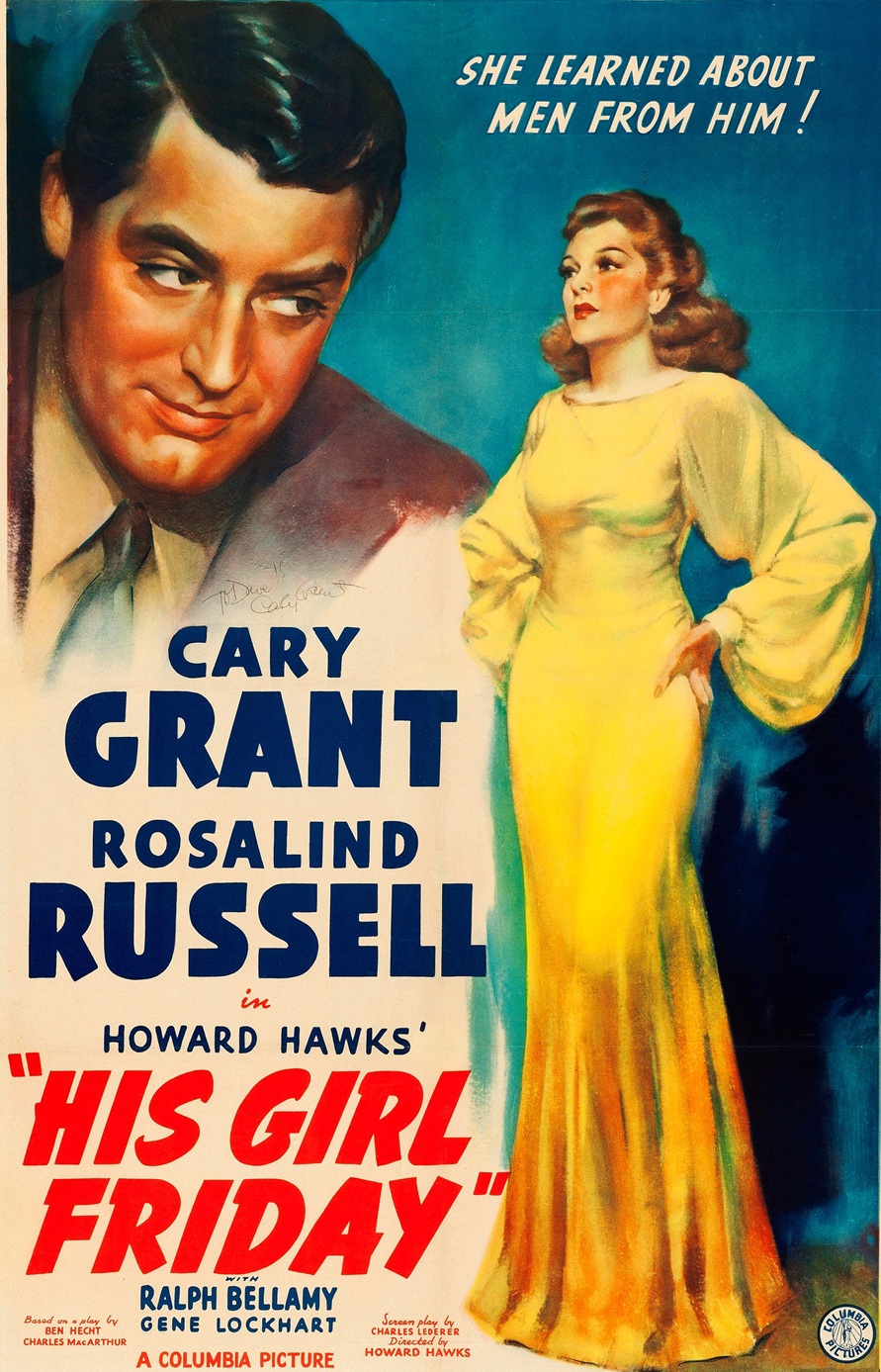
His Girl Friday opens with Hildy Johnson, a top newspaper reporter in Chicago, telling her ex-husband and editor that she’s leaving journalism to marry a quiet insurance salesman. Walter refuses to let her go, both personally and professionally. As an execution approaches and the city’s police, politicians, and reporters all try to shape the story, Walter uses every trick he knows to keep Hildy in the newsroom.
This film is great because hardly anything from 1940 moves at such a fast pace. Cary Grant and Rosalind Russell fire off lines so rapidly, often interrupting and talking over each other, that it still feels fresh today. Watching them is like seeing two sharp, competitive people try to outsmart each other only to realize they’re perfectly matched. The newsroom’s cynical atmosphere adds bite to the comedy, and Hildy is never just Walter’s target; she’s his equal, and often gets the better of him. It is watchable for free on YouTube.
Pinocchio (1940, Ben Sharpsteen & Hamilton Luske)
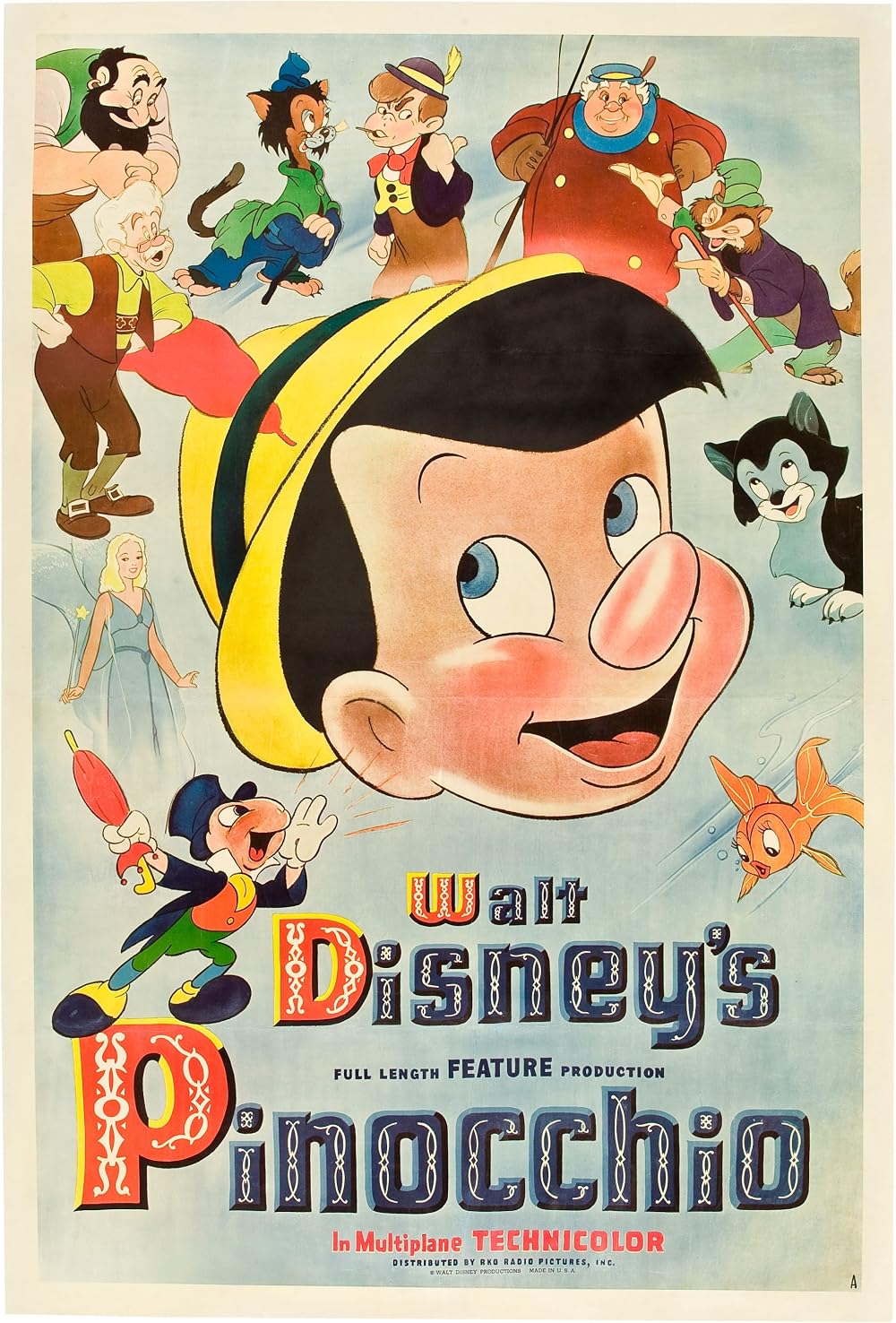
Pinocchio tells the story of a lonely woodcarver’s puppet who comes to life thanks to a magical fairy. She promises he can become a real boy if he shows bravery, honesty, and selflessness. Jiminy Cricket is assigned as his conscience, but Pinocchio often gets into trouble by trusting the wrong people and making bad choices. His adventures take him to a puppet theater, the dangerous excitement of Pleasure Island and eventually into the ocean, where he tries to save Geppetto from Monstro the whale.
This film is here because it combines extraordinary hand-drawn animation with a story that feels warmer, stranger, and darker than most family movies today. Geppetto’s workshop seems cozy and real, but the outside world is filled with dangers and tough lessons. Pleasure Island still feels truly threatening, which makes the final rescue even more thrilling. Pinocchio is funny, scary, visually stunning, and unexpectedly moving. It’s an adventure that understands childhood can be magical, confusing, and a little dangerous.
The Lady Eve (1941, Preston Sturges)
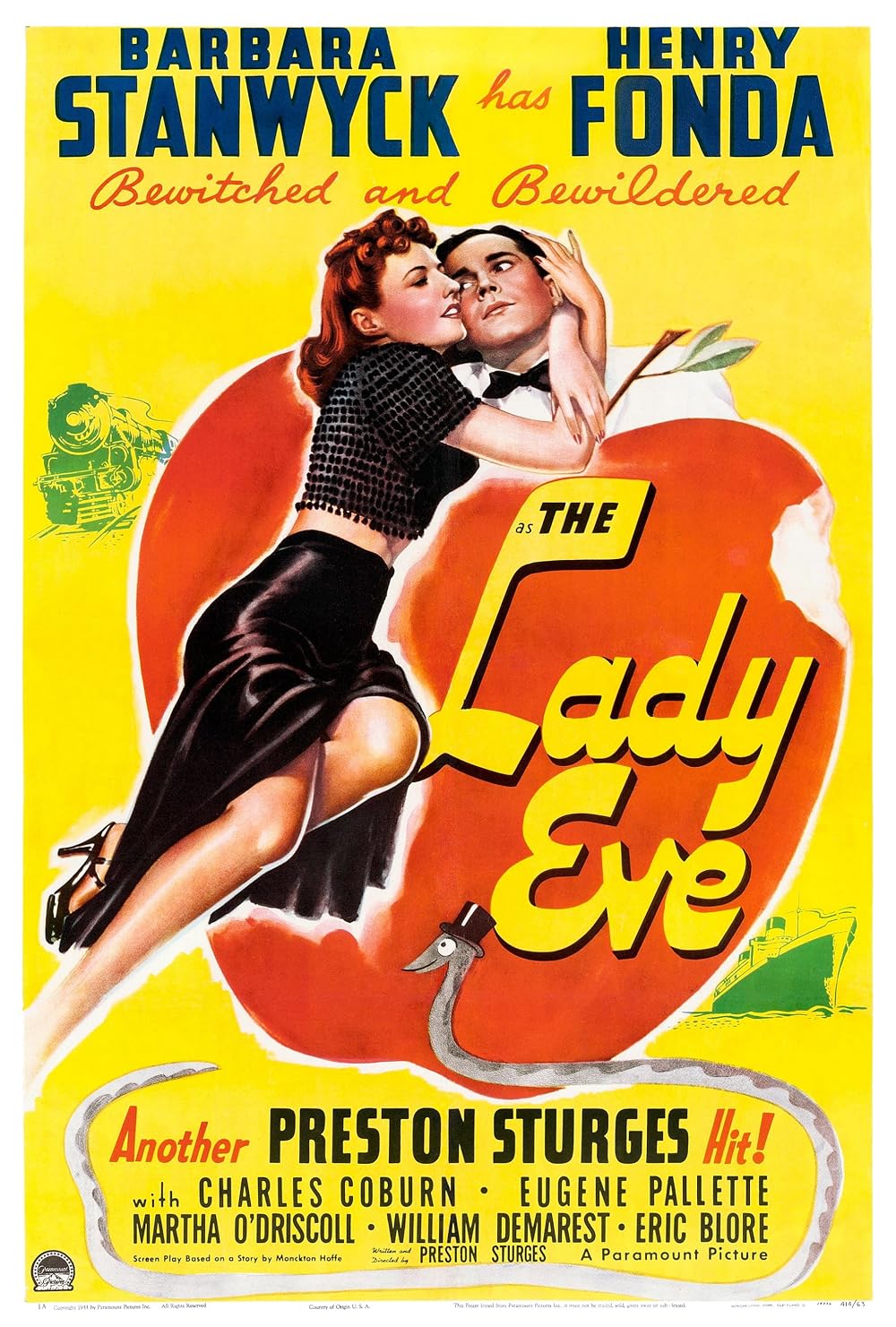
The Lady Eve tells the story of Jean Harrington, a card sharp who travels on luxury liners with her father and his partner, searching for wealthy targets. Their latest mark is Charles Pike, a very sheltered brewery heir who knows a lot about snakes but very little about women. Jean thinks the con will be easy, but real feelings start to get in the way. When Charles finds out who she really is, Jean comes back with a new aristocratic identity and starts using his pride against him.
This film is on my list because it turns romance into a fast-moving game of class, identity, attraction, and social performance. Barbara Stanwyck gives Jean total control of the comedy, while Henry Fonda makes Charles’s sincerity, vanity, and helplessness both funny and oddly touching. Preston Sturges keeps shifting the advantage between them through deception, embarrassment, physical comedy, and dialogue that reveals more than either character intends. Beneath all the schemes, however, both Jean and Charles have something real to lose. A continuing benefit is the entire film is streamable on YouTube. Take advantage of it while it lasts, because this is where the gravy train stops.
The Maltese Falcon (1941, John Huston)
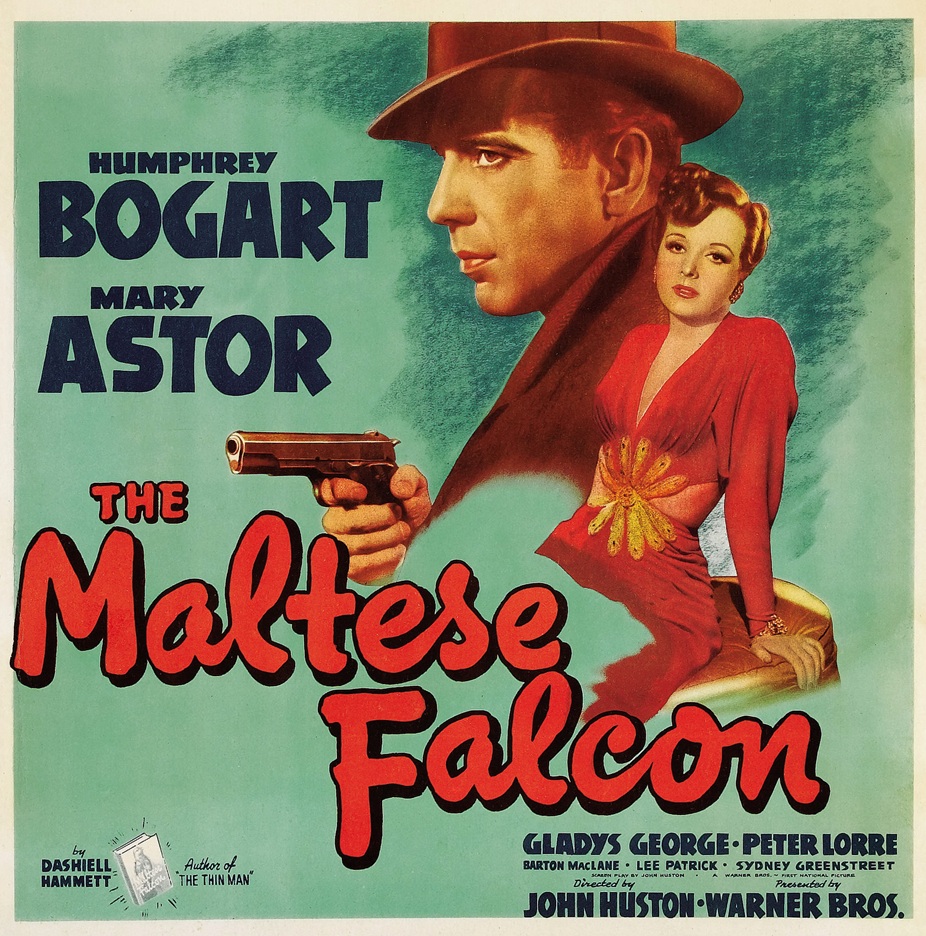
The Maltese Falcon is more or less where one of my favorite genres, film noir, got its start. It begins with San Francisco private detective Sam Spade taking what seems like a simple job from a woman whose story doesn’t quite add up. After his partner is killed, Spade finds himself searching for a jewel-encrusted statuette while dealing with a dangerous group of liars, thieves and killers who all want it. The woman who hired him is probably lying, but everyone else is hiding something too. Spade has to figure out who he can trust before he ends up in trouble himself.
This film shows why old-school film noir is so compelling. Humphrey Bogart plays Spade as a tough, funny, cunning survivor who always keeps his cards close to the chest. Mary Astor, Peter Lorre, and Sydney Greenstreet keep every scene interesting, because any of them could change the story with a single lie. The plot is complicated but tightly woven, and the movie never loses momentum. It’s sharp, clever, morally complex, and packed with dialogue that makes you want to hear what comes next.
Sullivan’s Travels (1941, Preston Sturges)
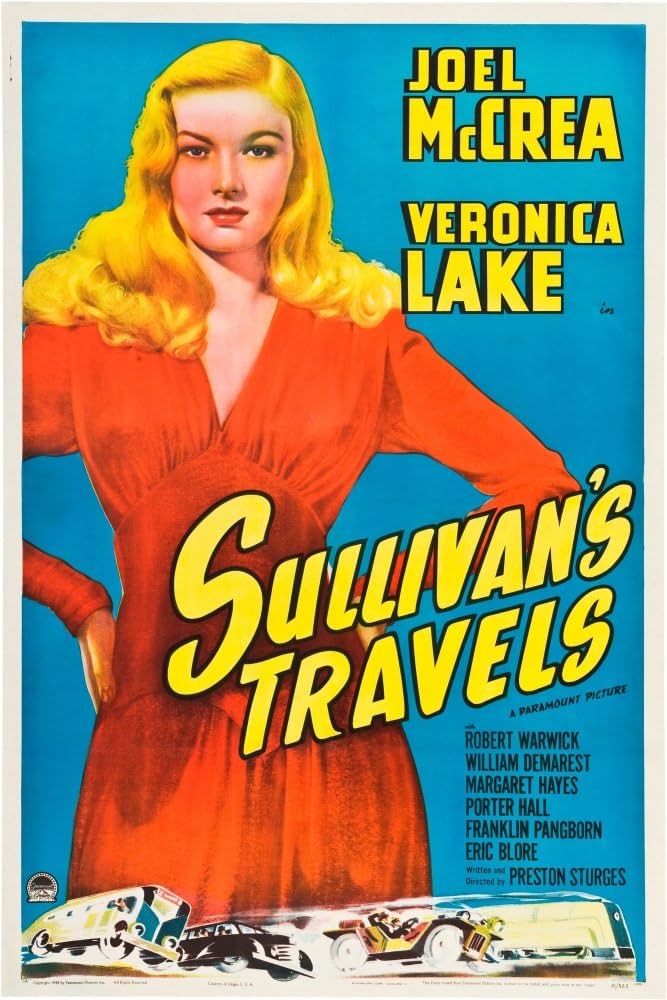
A successful Hollywood comedy director is tired of making what he thinks are shallow, escapist movies. John L. Sullivan wants to make a serious film about poverty, but his producers remind him that he has no real experience with hardship. To learn more, he dresses as a tramp, leaves with just ten cents, and quickly discovers that pretending to be poor is very different from actually living it.
Sullivan’s Travels starts out as a funny Hollywood satire and gradually becomes something more unexpected. Joel McCrea does a great job playing a man who slowly loses his confidence, and Veronica Lake adds both warmth and humor to the story. The film’s later scenes get truly dark, but it always sticks to its main idea: sometimes, making people laugh is more important than chasing big artistic goals. The movie is funny, thoughtful, and surprisingly moving, especially if you have ever wondered if entertainment can have real meaning.
Casablanca (1942, Michael Curtiz)
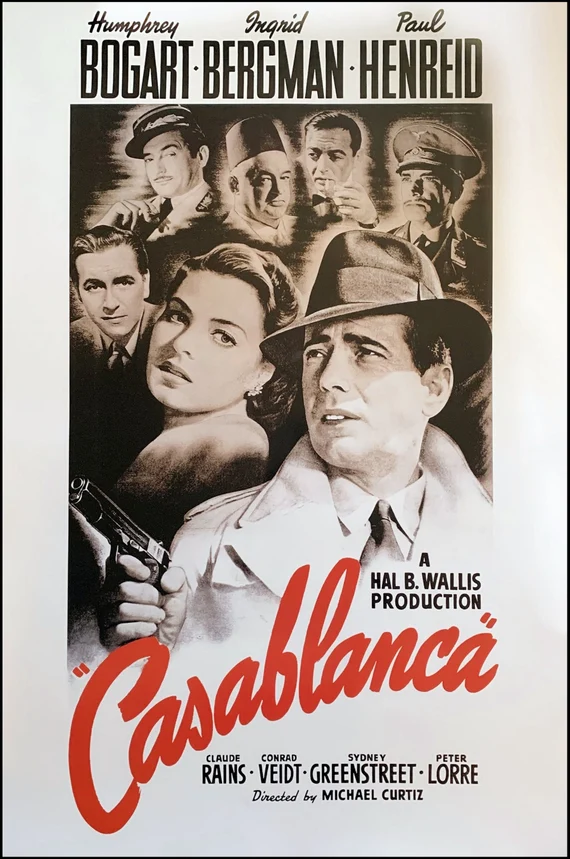
Another film that needs no introduction. Rick’s Café in wartime Casablanca is a meeting place for refugees, gamblers, Nazis, and smugglers, all hoping to escape Europe. Rick Blaine, the American owner, tries to stay out of everyone’s business, but he has a pair of stolen letters of transit which are the only way out of the country. When the woman who broke his heart in Paris returns with her husband, a Resistance leader who needs those letters, Rick’s neutrality starts to crack.
Casablanca works because it offers so much at once: romance, suspense, witty dialogue, a vivid setting, and a real moral choice at the heart of the story. It’s also fast moving, so you have to keep up. Humphrey Bogart and Ingrid Bergman have legendary chemistry, and Claude Rains almost steals the show as a charmingly corrupt cop, Captain Renault. The film avoids a neat, happy ending and instead ends with a sacrifice that still feels powerful. It is funny, romantic, and tense, and more satisfying than you might expect from such a well-known movie.
Double Indemnity (1944, Billy Wilder)
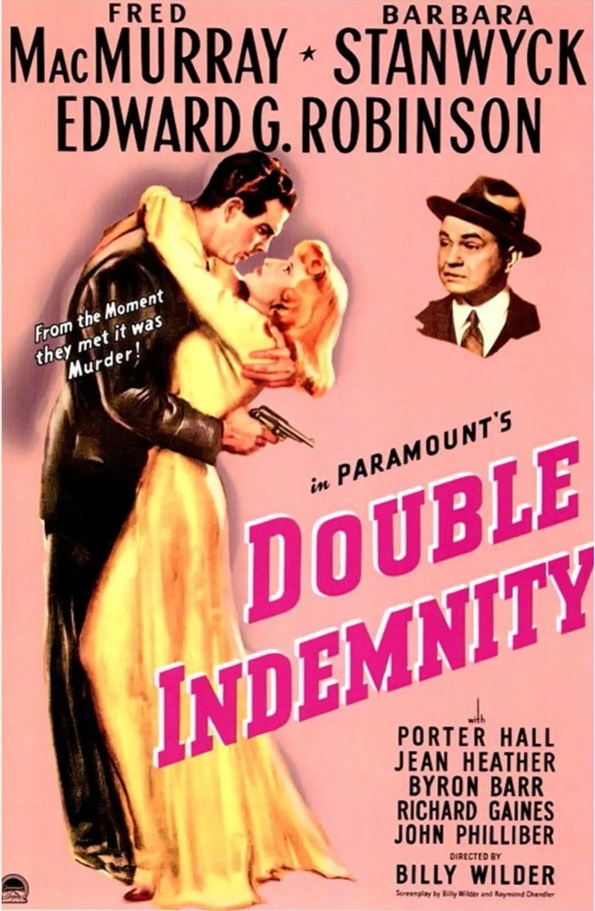
In this film noir an insurance salesman named Walter Neff stops by to renew Phyllis’s husband’s auto insurance, but finds a bored and unhappy housewife with a dangerous idea. Their flirtation turns into a plan to kill her husband and make it look like an accident, so she can get a bigger payout from the policy’s double-indemnity clause. The scheme seems very smart at first, but Walter’s friend and coworker, claims investigator Barton Keyes, starts to suspect something is off.
Double Indemnity turns a simple crime story into something tense and dangerous. The chemistry between Walter and Phyllis, the details of their plan, and the way Keyes slowly uncovers the truth all add to the suspense. Fred MacMurray does a great job playing a man who thinks he can outsmart everyone, and Barbara Stanwyck keeps Phyllis mysterious. The movie lets you know early on that Walter’s plan will fail, which only makes things more suspenseful. Instead of wondering if he will get away, you watch him slowly realize just how trapped he is.
The Best Years of Our Lives (1946, William Wyler)
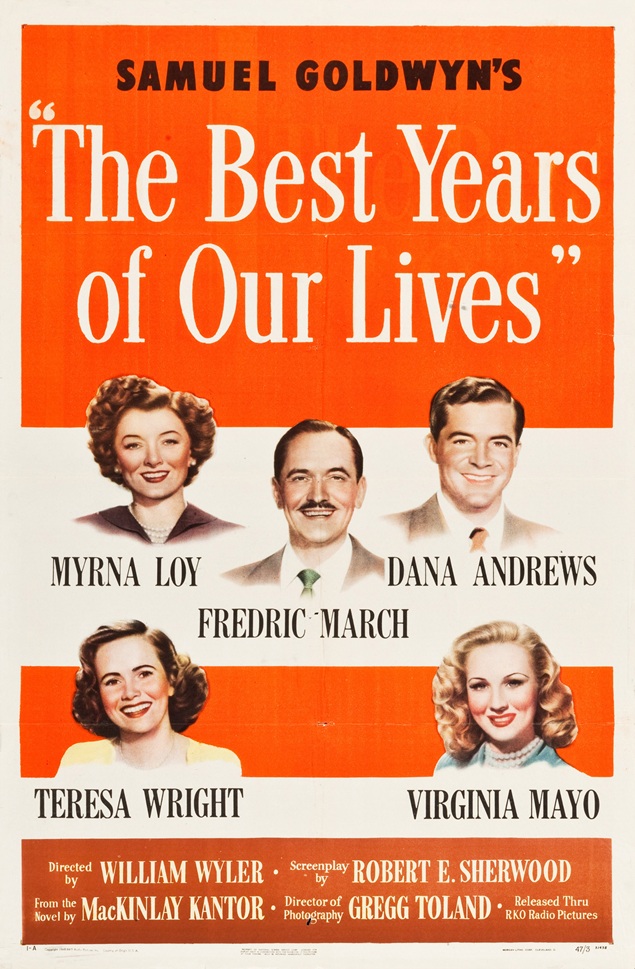
Three World War II veterans fly home together to a Midwestern town, hoping to return to their old lives. Al, once an infantry sergeant and banker, finds it hard to settle back into his job and reconnect with a family that learned to manage without him. Fred, a decorated bombardier, comes back to a troubled marriage and the same unfulfilling job he thought he had left behind. Homer, a young sailor who lost both hands in the war, worries that his loved ones might see him differently now.
The Best Years of Our Lives manages to tell all three stories with unusual honesty. The director and cinematographer use long, deep-focus shots that let the tension in a room unfold naturally, instead of avoiding uncomfortable moments. Harold Russell, a real veteran and amputee making his film debut, delivers the most moving performance by just being vulnerable and sincere. This movie hits hard, leaving you with genuine empathy for how much more difficult coming home can be than anyone suspects.
It’s a Wonderful Life (1946, Frank Capra)
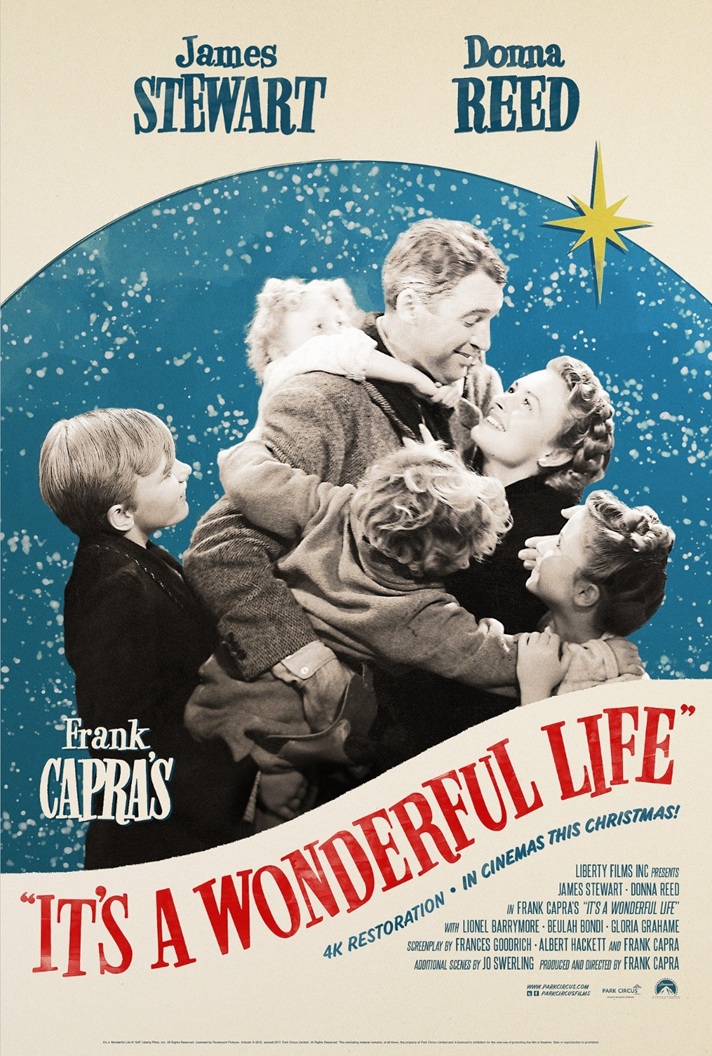
George Bailey puts aside his own dreams to protect Bedford Falls from the town’s ruthless banker, Mr. Potter. By Christmas Eve, years of deferred dreams, financial pressure, and responsibility for everyone around him have pushed him to the brink of suicide. An angel shows George what the town would be like if he had never been born, and the film makes that moment powerful by first letting us feel everything that has worn him down.
It’s a Wonderful Life isn’t the warm, simple Christmas movie people often think it is. Instead of telling the story of a miser who changes, like in A Christmas Carol, it shows how a good person can be worn down by duty while others move on to bigger things. Jimmy Stewart makes George’s eventual breakdown feel real and unsettling. The ending asks what true wealth is, and quietly suggests that being important to others can matter more than anything else.
Notorious (1946, Alfred Hitchcock)
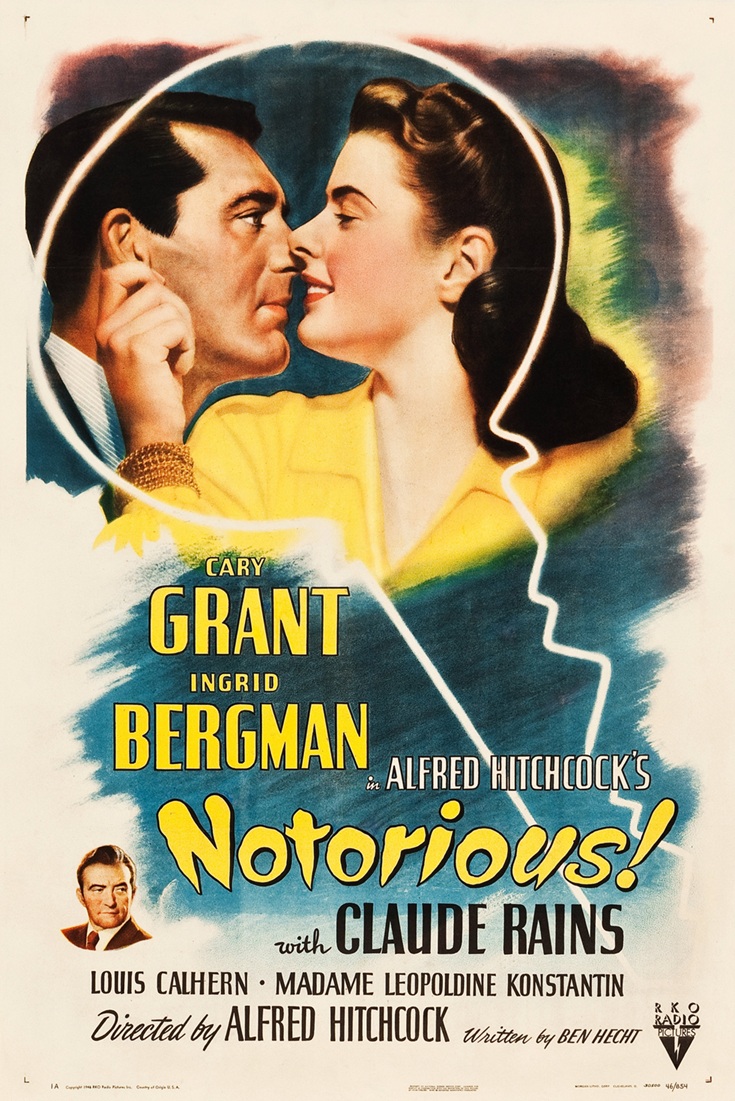
Alicia Huberman, whose father was a convicted Nazi spy, is recruited by American agent T. R. Devlin to help expose a group of Nazis hiding in postwar Rio. The problem is that Alicia and Devlin fall in love before she finds out what the job really involves: she has to gain the trust of one of the group’s leaders, even if it means marrying him. Devlin sends her in anyway and struggles to hide his resentment as he watches it unfold.
Notorious is a spy thriller, but its real tension comes from two people who love each other and keep hurting each other instead of admitting their feelings. Ingrid Bergman makes Alicia feel vulnerable but never helpless, while Cary Grant plays Devlin as a man whose coldness does real damage. Claude Rains is unexpectedly affecting as Sebastian, whose true feelings for Alicia make the danger even greater. Hitchcock uses small details like a key in Alicia’s hand, a wine cellar and a poisoned cup of coffee to create life-or-death stakes. The film is romantic, tense, and unflinching about what governments ask people to sacrifice in the name of duty.
Out of the Past (1947, Jacques Tourneur)
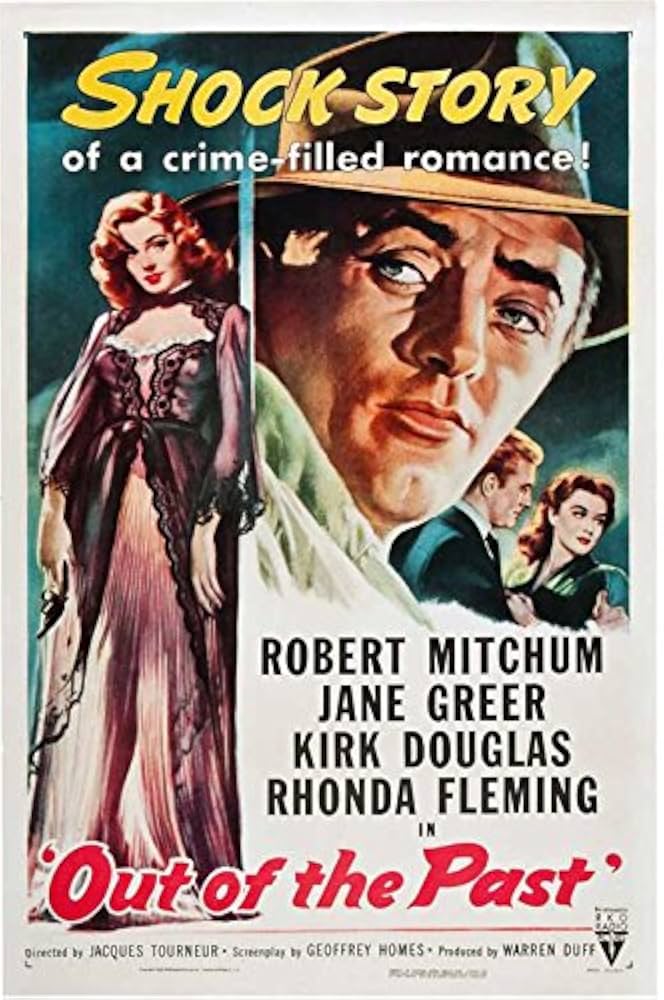
Jeff Bailey runs a quiet gas station in a small California town and seems to have escaped whatever life he had before. Then a man from his past arrives looking for him, and Jeff has to tell his girlfriend the truth: he used to be a private detective, hired by a gambler to find a woman who vanished under mysterious circumstances. Jeff did find her, and what happened after has haunted him ever since.
Out of the Past is film noir at its most fatalistic. You sense the trap closing in on Jeff, even though the film never says it directly. Robert Mitchum plays Jeff as calm and in control, even as each choice he makes limits his options. Jane Greer’s Kathie can make a lie sound like a promise. Kirk Douglas brings real menace to Whit. The story moves through sunlit hideaways, dark offices, and constant double-crosses that keep changing what you think you know, all leading to an ending that feels inevitable as soon as it happens.
The Treasure of the Sierra Madre (1948, John Huston)
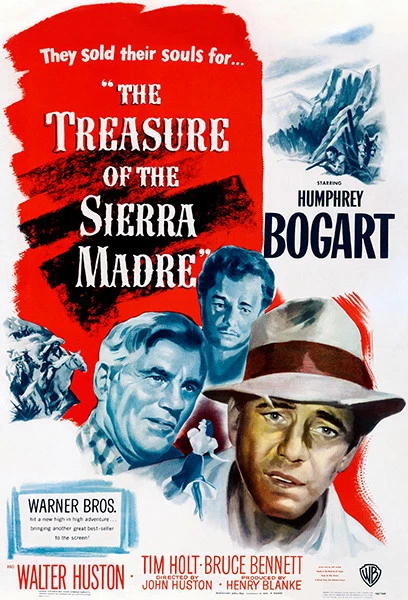
The Treasure of the Sierra Madre is about two down-on-their-luck Americans in 1920s Mexico who team up with an old prospector to search for gold in the mountains. Fred Dobbs and Bob Curtin are hoping for a lucky break, while Howard is the one man who actually knows what they are getting into. When the three finally find what they came for, the real problems begin: the mountains are dangerous, bandits are close, and trusting the people you’re with becomes a lot more difficult.
This is one of those classic movies that doesn’t feel dated once the story gets going. Humphrey Bogart is great as Dobbs, a man chasing a better life but always tripping himself up. Walter Huston brings humor and energy as Howard, who knows from experience how gold can change people. While it’s an adventure, the real tension comes from a simple question: what happens when money makes you doubt everyone around you?
White Heat (1949, Raoul Walsh)
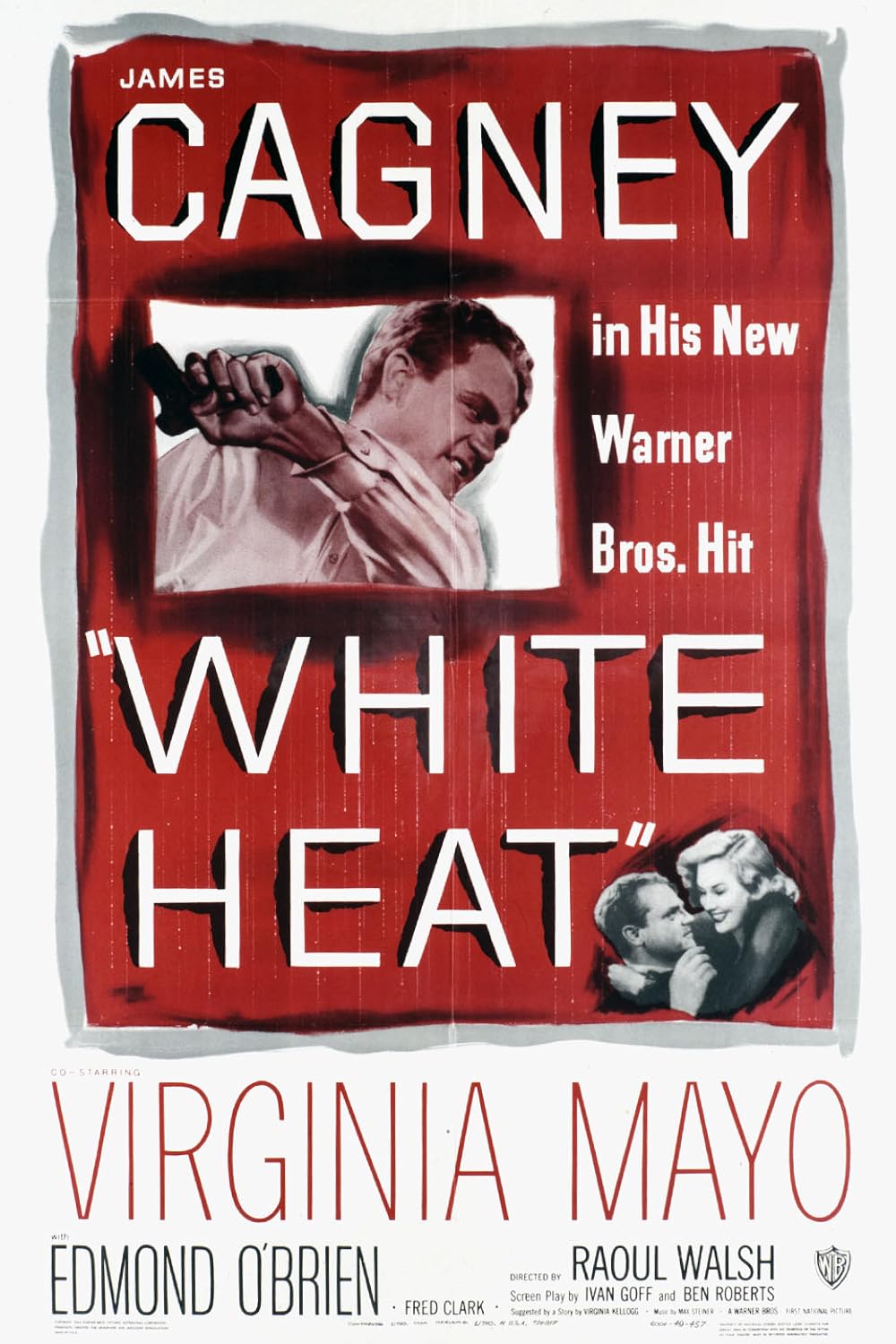
White Heat tells the story of Cody Jarrett, a brilliant and ruthless gang leader whose violent confidence hides a mind that is never fully under control. Cody is very attached to his mother, suffers from severe headaches, and trusts almost no one. When a train robbery puts his gang in the spotlight, an undercover Treasury agent gets close to Cody just as things start to fall apart.
This is not your typical cops-and-robbers movie. James Cagney plays Cody as clever, childish, funny, pathetic, and terrifying, sometimes all at once. His bond with his mother is strange from the beginning, making Cody seem less like a cool criminal and more like a wild card. The undercover-agent plot gives the story plenty of suspense, but the real pull comes from watching how long Cody can hold himself together. The film is fast-paced, darkly funny, and much more psychologically unsettling than most gangster movies from that time.
Okay, we’ve gone through the silent era and great early movies, and now the golden age and noir. The peak of the studio system and paranoia are next. All of these films almost anyone can watch and enjoy. Part 3 is now out!