True Cult Classic Movies: Part 1
Top 100 Movies Part 2 is here Controversial Movies
I’ve been on a kick for writing about movies lately, as my readers know. I wanted to put together a list of cult classics for people to watch, but upon embarking on this endeavor I ran into a wall: it’s incredibly hard to find a definition of what a cult classic actually is. As I talked to people I realized nobody else had a great idea either, because as I pressed for an operational definition, all they end up meaning is, “a cult classic is whatever I think a cult classic is.” That’s fine for you, but not for this project.
What Makes a Movie a Cult Classic?
I need a definition that can rule movies in and rule them out, because otherwise I’m just putting down whatever movies I think are cult classics, so you’re stuck with another unbacked opinion and a marginally useful list. Here is a crucial discriminator: there is a difference between a movie that has a devoted following and a movie that has a cult. There are a massive number of movies that have had devoted followings, and I’m not here to recommend 100+ movies to you. My standard has to be higher and narrower for this list to have any meaning.
Unlike my previous lists, I don’t particularly care about whether a movie is high-quality or not, because a movie doesn’t have to be really well made to become a cult classic. To make this list, a movie must meet three conditions:
- The cult has to be about the movie itself: The devotion should focus on the film, even if it belongs to a franchise.
- It failed at the start: It could not have been a hit when it was released, and it had to face mixed or even hostile reviews from critics at the time.
- There must be a current audience ritual around the film. This practice should continue with new fans and across generations (Memorable lines don’t hurt either!). There has to be evidence an audience participates in some way, whether its props, costumes, call-and-response, etc.
Here are some useful examples of films that look like they would be cult classics, but aren’t. Take Dazed and Confused. It flopped hard commercially, it spawned an army of die-hards, and fans still pack anniversary screenings in full 70s gear. The problem is that critics loved it right out of the gate, so the audience never had to rescue it from scrap heap. The gap never opened, so it’s out.
Another example is The Big Lebowski. It was a cult classic, but it has graduated—it’s just too mainstream now. It’s even been inducted into the National Film Registry, it doesn’t need Lebowski Fests to keep it alive. Pink Flamingos is dormant, meaning people used to gather to celebrate it but don’t anymore, and it was also inducted into the NFR . My list only includes movies that are still active cult classics and still depend on fan rituals to survive.
This is not just a list of movies I Googled, it was a major research project. I meticulously researched every year from the 70s up through 2011, finding evidence for each criterion before it qualified for my list. I stopped at 2011 because it takes 15+ years to establish that a movie has a cult following that continues from generation to generation. Every movie on this list meets a high standard, so you can feel confident trying any of them. Here they are, listed in chronological order:
Cult Classic Feature Films
Rocky Horror Picture Show (1975, Jim Sharman)
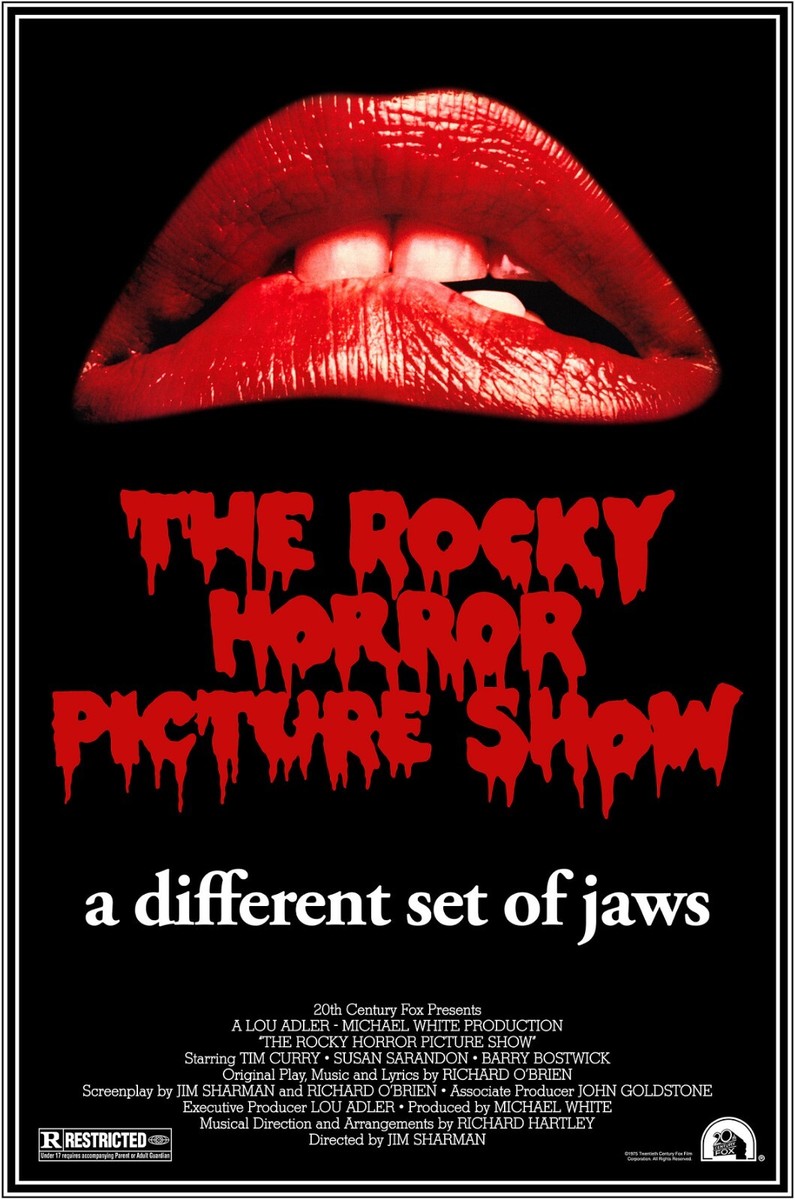
The Rocky Horror Picture Show is the OG of cult classics. In my book, if you haven’t seen Rocky Horror you can’t call yourself a serious cult classic movie lover. A squeaky-clean couple, Brad and Janet, get caught in a storm and look for shelter at Dr. Frank-N-Furter’s castle. He’s a mad scientist showing off his newest creation, Rocky. Their night turns into a mix of monster-movie parody, rock ‘n’ roll, and over-the-top partying. As we learn: “Time is fleeting. Madness takes its toll.”
Rocky Horror flopped in 1975 and critics shrugged it off. It survived because audiences kept coming back, turning midnight screenings into costumed, shout-at-the-screen parties that new generations still join. There’s a reason the movie has lasted. The songs are catchy, Tim Curry’s performance is magnetic (he’s good in everything), and the movie never takes itself seriously. It’s a fun and silly tribute to classic horror and sci-fi B-movies, and it never drags. Watching at home is good, but if you can catch a shadow-cast screening this October that’s the real way to experience it.
Dawn of the Dead (1979, George A Romero)
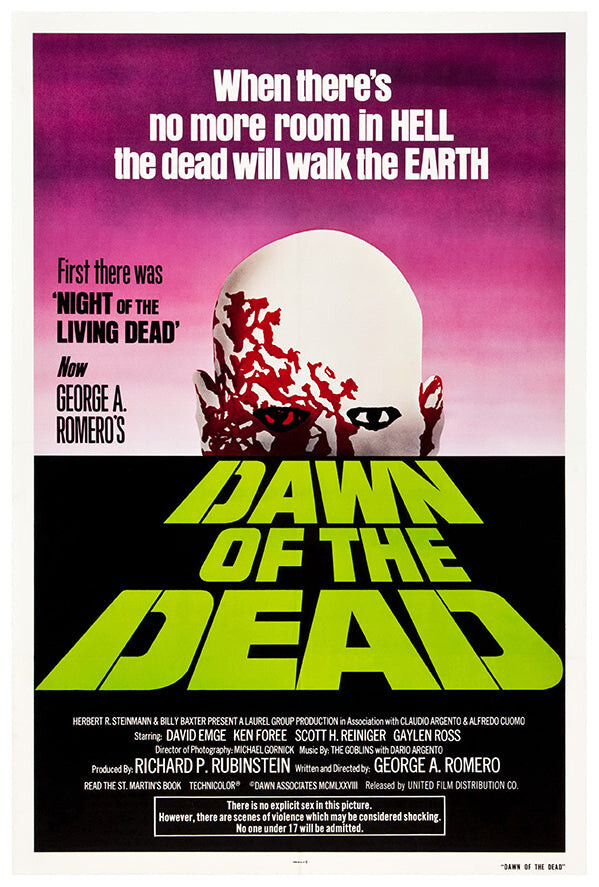
Two SWAT officers, a helicopter pilot and a TV producer escape a zombie outbreak and lock themselves inside a suburban shopping mall. With plenty of food, weapons, and free stuff, they turn the place into a comfortable stronghold while zombies roam outside… weirdly, survival soon starts to feel a lot like shopping. Still, as we learn,“When there’s no more room in hell, the dead will walk the earth.”
Dawn of the Dead combines survival adventure, suspense and dark comedy with wonderfully gruesome practical effects. The mall setting brings its consumer satire to life: people get everything they want, and then wonder what’s left to live for. This tension gives the film more than just gore, because the mall becomes a place that feels both welcoming and ridiculous. The film still has a strong cult following, too; fans still visit Monroeville Mall for tours, screenings, and to recreate scenes from the movie which helps keeps the tradition alive.
The Warriors (1979, Walter Hill)
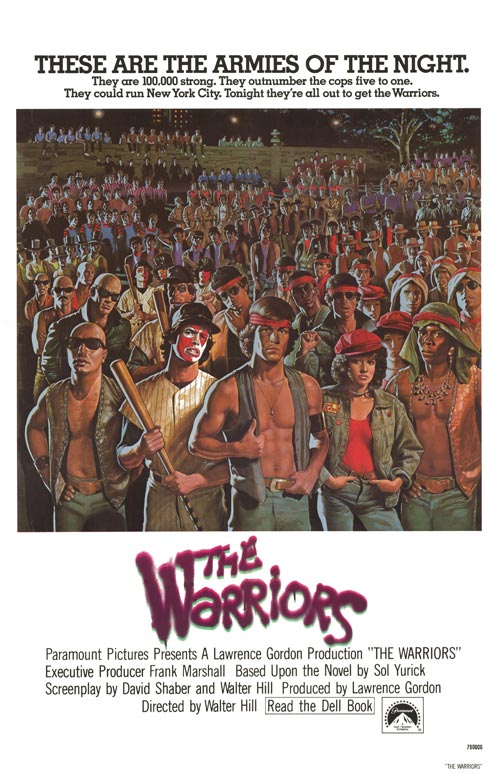
After being wrongly blamed for killing a revered gang leader, the Warriors have to make their way across New York City to get back to their home turf on Coney Island. Along the way rival gangs chase them through subway stations, parks and empty streets, making their trip a dangerous overnight gauntlet. The Warriors makes the whole city feel like a hostile world. Gangs in baseball uniforms, dramatic costumes, and fights make every encounter stand out in your mind. “Warriors, come out to play-ay!”
The fast-paced story keeps things moving, too: any train could be a way out, and each new gang is another obstacle. The comic-book style makes the danger feel both strange and colorful, but the main goal stays simple: getting home alive. When the film came out violence linked to its release led to ads being pulled and theaters dropping the movie, which hurt its success. But later fans really embraced it, coming back to Coney Island for interactive screenings, quoting lines, and clinking bottles together. There’s even a terrific PS2 game based on it.
Somewhere in Time (1980, Jeannot Szwarc)
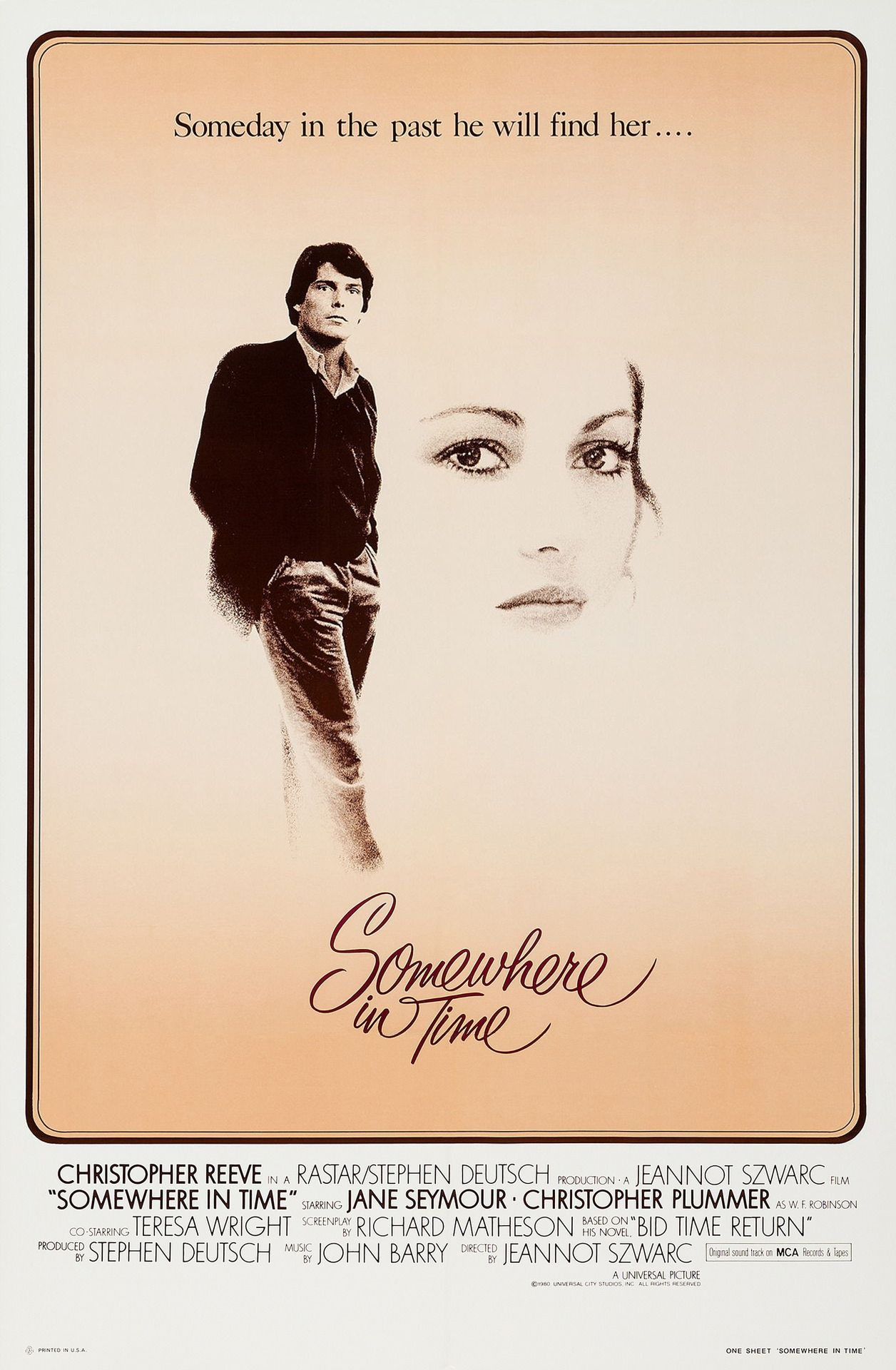
In Somewhere in Time, a modern-day playwright becomes obsessed by a portrait of a stage actress from 1912. She seems to beckon to him, “Come back to me.” Using self-hypnosis at Michigan’s Grand Hotel, he manages to travel back in time and falls deeply in love, but a single mistake there could send him back to his own time.
It didn’t do well at the box office, and most critics criticized it as overly sentimental when it first came out. But people watch it for reasons that go against today’s cynicism: the chemistry between Christopher Reeve and Jane Seymour, the beautiful music, and a love story that feels so completely sincere. Fans have turned that sincerity into a tradition: every year they meet at the Grand Hotel on Mackinac Island to watch the film, tour the locations and re-enact scenes in Edwardian costumes, keeping this overlooked romance alive together. Want to find a movie to watch with your significant other? This is it.
Mommie Dearest (1981, Frank Perry)
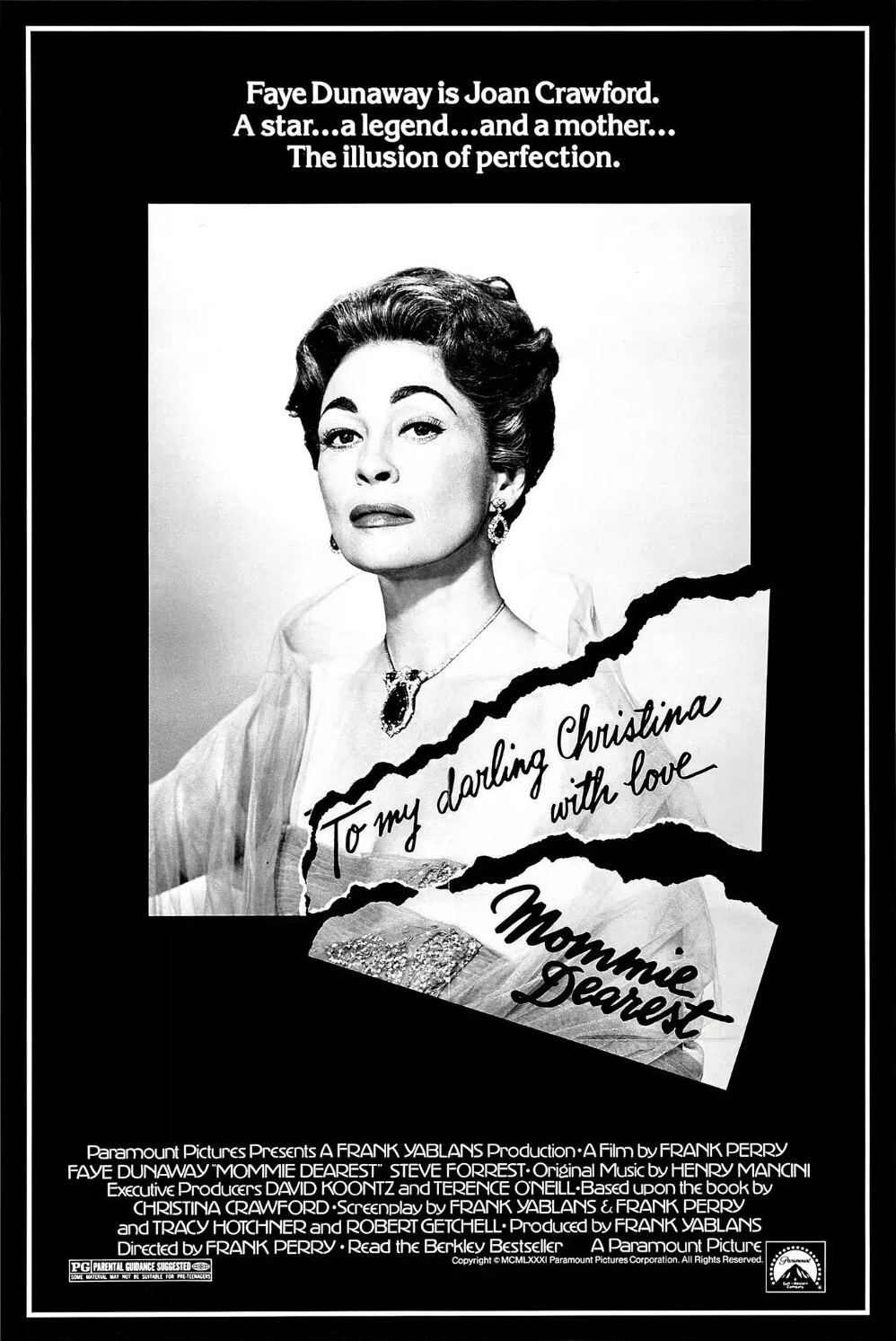
The director set out to make a serious Hollywood biopic with Mommie Dearest, telling Christina Crawford’s account of growing up with her adoptive mother, Joan Crawford. Faye Dunaway takes on the role, playing Joan as an unhinged perfectionist who controls her polished Brentwood home with control, humiliation and sudden outbursts. What Perry made instead was a cult classic.
Critics largely panned it and audiences laughed in all the wrong places. Dunaway’s scorched-earth performance made domestic arguments into Hollywood madness, with wire hangers (“No wire hangers!”) and bathroom cleanser stealing the spotlight. People watch it for the disturbing subject matter and extravagant presentation, and fans turned the movie into a shared camp experience: audiences wave wire hangers, dress as Crawford, and reenact scenes at Mother’s Day and Pride screenings. Those traditions are still running, keeping the movie visible as something people experience together instead of a forgotten prestige project.
Halloween III: Season of the Witch (1982, Tommy Lee Wallace)
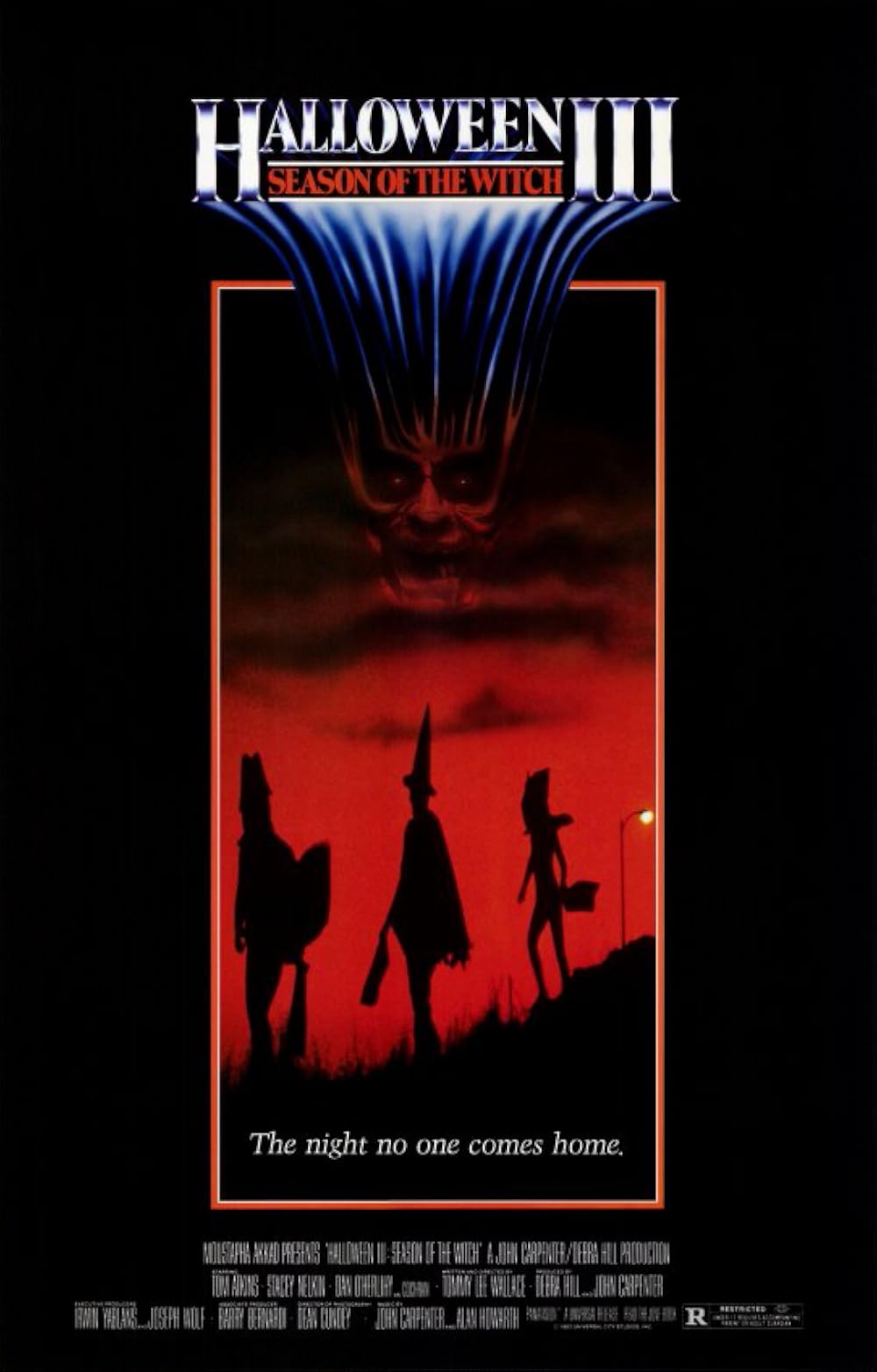
After a terrified toy salesman is attacked and brought to the hospital holding a Halloween mask, small-town doctor Dan Challis starts investigating and finds a connection to Conal Cochran, who owns Silver Shamrock Novelties. We know there’s “Eight more days to Halloween, Halloween, Halloween!” Cochran is planning something for Halloween night that involves masks, TV ads, and a dangerous scheme inspired by Stonehenge.
Everyone knows about Halloween–it’s one of the best horror movies ever. Halloween III confused and angered audiences, however, because they expected to see Michael Myers still chasing babysitters. The idea was to make the series into an anthology with different Halloween stories, but the sudden change felt misleading. Critics had mixed opinions and the movie wasn’t successful, but over time people have come to appreciate it more. Without the pressure of Myers the movie became a blend of folk horror, corporate conspiracy, and fear of technology, all set to great dark synth music and the Silver Shamrock jingle. Its modern cult audience has made it a seasonal ritual in its own right every year.
Sleepaway Camp (1983, Robert Hiltzik)
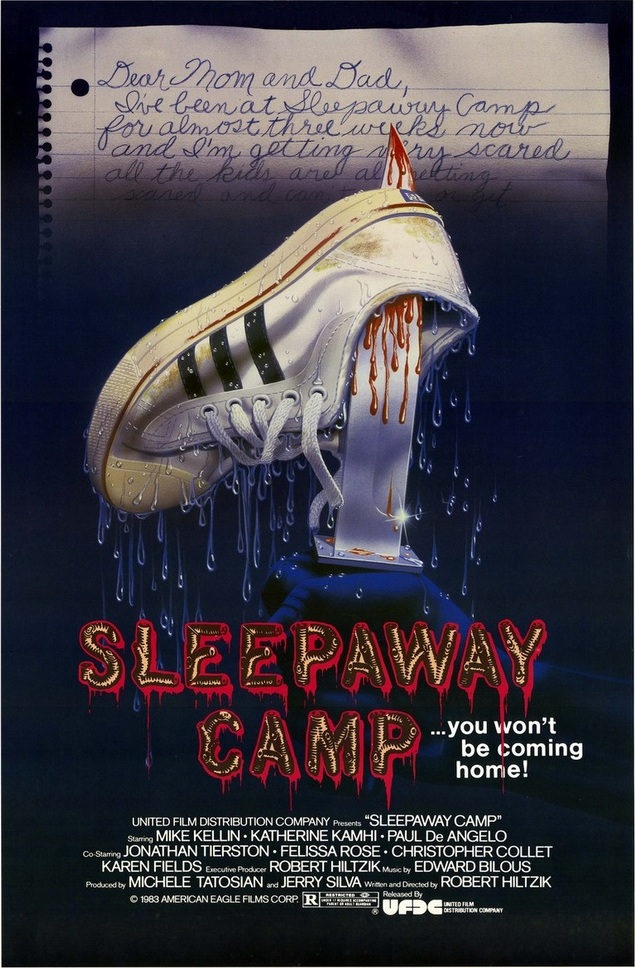
Angela Baker, a shy girl dealing with trauma, goes to Camp Arawak with her protective cousin Ricky, where cruel campers and creepy counselors make her summer awful. However, the people who pick on her start dying in increasingly bizarre “accidents,” building to an ending that is still talked about. Don’t let anyone spoil it for you.
Sleepaway Camp was made for about $350k and got mostly bad reviews, but it has spawned sequels and lasted longer than a lot of other slashers that critics liked more, and fans still celebrate it in person. Just this year the Midnight Mass tour with the star, Felissa Rose, featured an ’80s camp costume contest before the film. Watch it for the jaw-dropping dialogue and the raw summer-camp cruelty, ideally with a crowd. Its handling of gender is shaky by today’s standards, but that’s half the fun of arguing about it afterward.
Clue (1985, Jonathan Lynn)
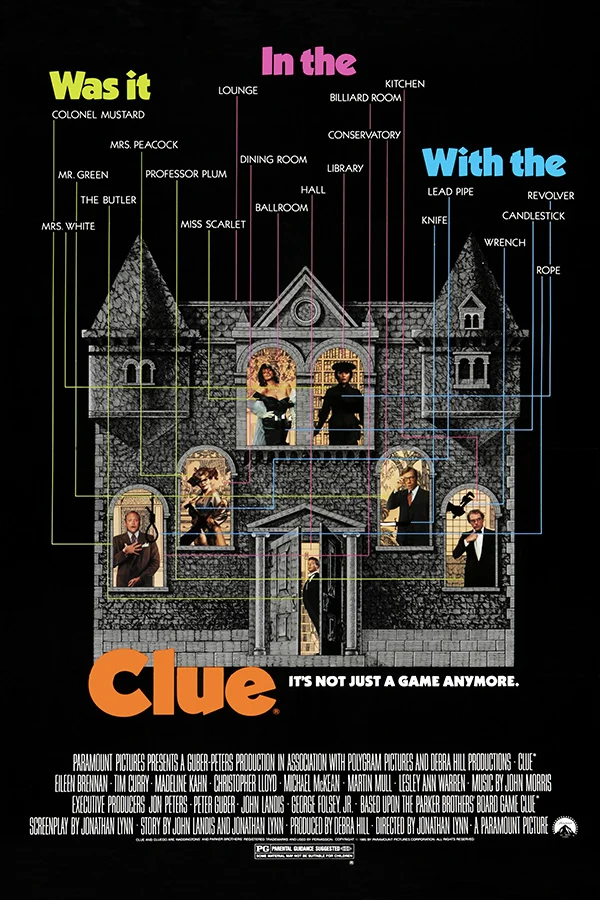
Six strangers show up for dinner at a mansion in the 1950s, only to find out their host is blackmailing them. When he turns up dead, Wadsworth the butler takes charge of the frantic investigation as the guests dash from room to room with candlesticks, revolvers, and a growing number of bodies.
What makes Clue so much fun is that it focuses more on the suspects than the mystery itself. Tim Curry rushes through each explanation, the legendary Madeline Kahn delivers some of the funniest lines (“Flames. Flames, on the side of my face…”), and the whole cast keeps the story moving at full speed. Even the gimmick of sending different endings to different theaters fits the film’s spirit. Critics mostly dismissed it and audiences stayed away, but cable and video gave it a second life. Now fans stage shadow-cast performances, dress as the suspects and recite lines at quote-along screenings. You’ll enjoy the comedy, the memorable lines, and the chance to solve a murder while rooting for the suspects!
The Last Dragon (1985, Michael Schultz)
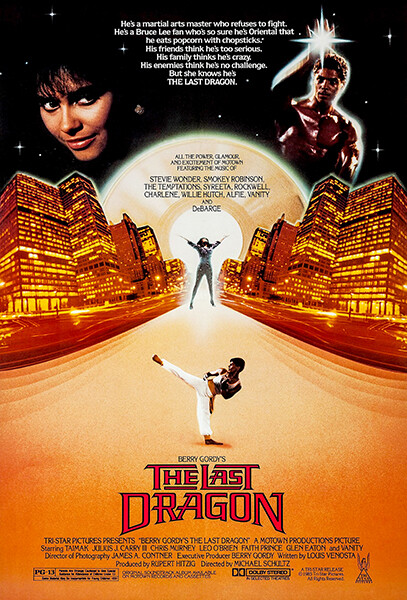
In The Last Dragon, Leroy Green roams New York in a straw hat chasing the final level of martial-arts mastery known as “the Glow.” Along the way he falls for a TV host and faces off against Sho’nuff, the self-proclaimed Shogun of Harlem, who wants to prove who the real master is. “Who’s the master? Sho’nuff!”
The movie throws kung fu, Motown, music videos, and cartoonish gangsters into a package that is somehow both sincere and silly. Taimak brings heart to Leroy, while Julius Carry’s Sho’nuff steals almost every scene he’s in. Critics were divided on whether the movie actually works, but fans have kept Dragon alive with anniversary screenings and fan events, like Sho’nuff costume contests and people quoting the dialogue. Watch it for its comic-book energy, Motown soundtrack, and a villain so dedicated to being the baddest that you almost root for him.
Big Trouble in Little China (1986, John Carpenter)
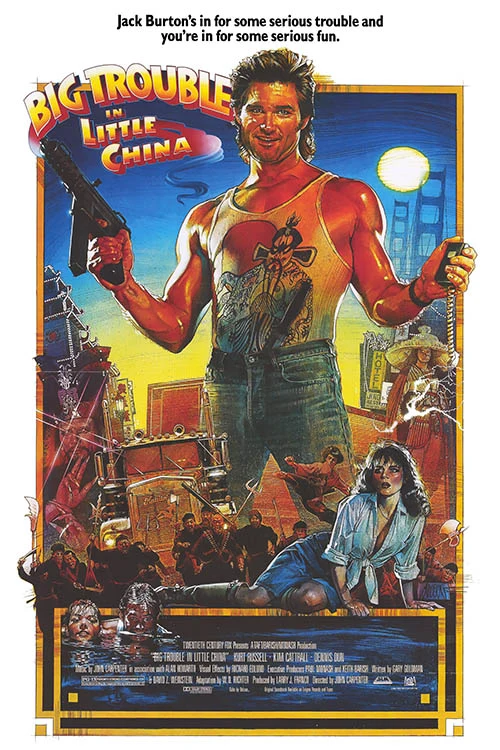
Big Trouble in Little China might be my favorite cult classic of all time. Jack Burton is a blowhard, all-American trucker who drives the Pork-Chop Express. When his friend Wang’s fiancée is kidnapped Jack goes along to help, but finds himself caught up in a magical gang war under San Francisco’s Chinatown, complete with sorcerers, monsters, and the frankly awesome villain Lo Pan.
The main joke makes it all work: Jack sees himself as the unstoppable hero but he’s really Wang’s clumsy, out-of-his-depth sidekick. Kurt Russell brings swagger to the role without making Jack unlikable, and the movie blends kung-fu fantasy, practical effects and comedy without trying to tone down the absurdity. The movie flopped in theaters, and critics were divided on it. But over time fans (like me) have given it life through shared excitement, quoting lines (“It’s all in the reflexes”), and watching it together. Fans make an occasion of it through film-themed feasts and screenings with character-costume competitions.
Labyrinth (1986, Jim Henson)
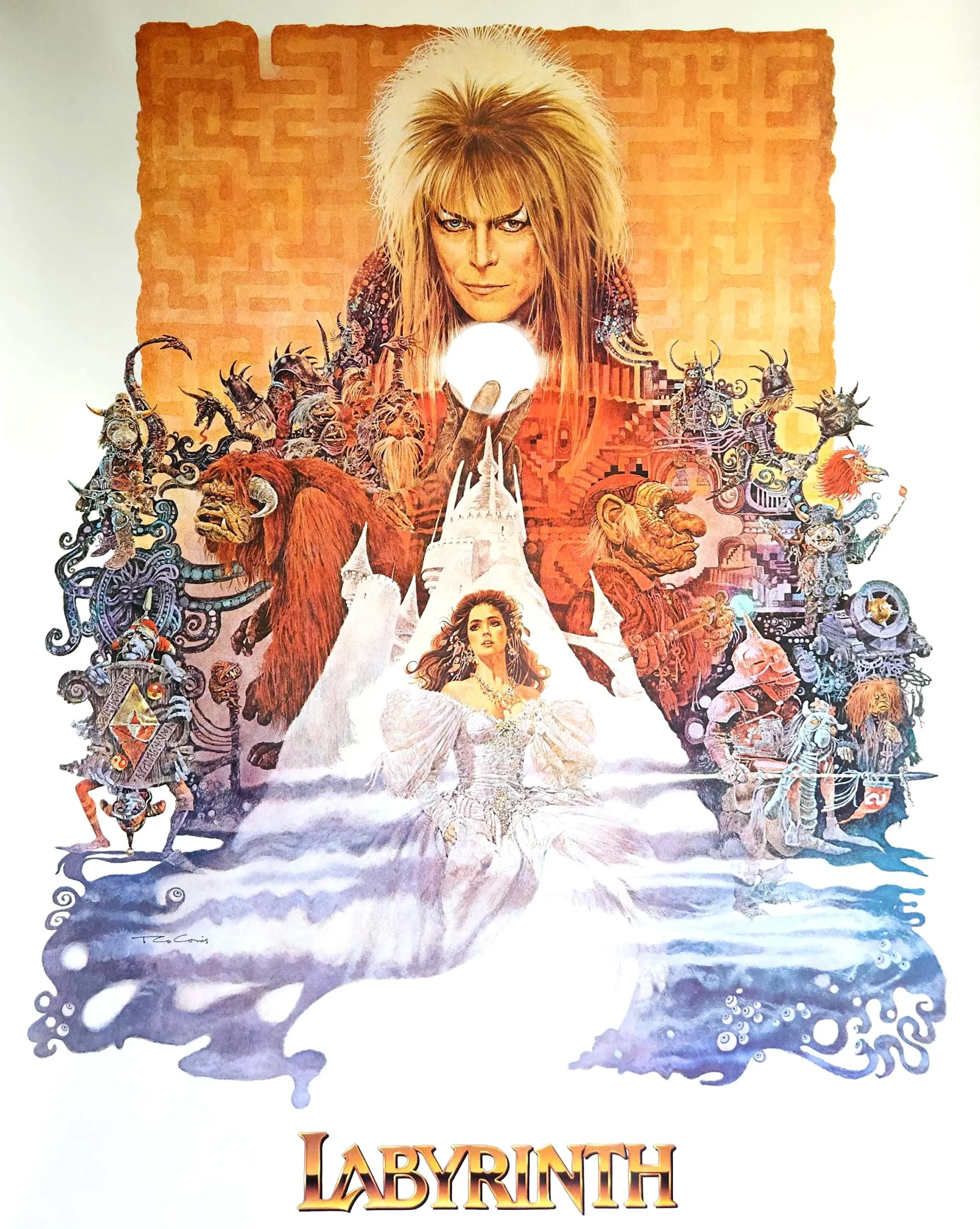
In Labyrinth Sarah is a frustrated teenager who, in a fit of adolescent irritation, wishes her crying baby stepbrother away to the goblins. When Jareth the Goblin King actually grants her wish, Sarah is given just thirteen hours to navigate a bizarre, riddle-strewn labyrinth and reach his castle before the infant is turned into a goblin forever.
When the film was initially released it sank at the box office and most critics thought it was visually too much and emotionally distant. But instead of disappearing it became a cult favorite. Fans created their own traditions like the big annual Labyrinth Masquerade Ball, costumed shadow casts and midnight sing-alongs. People watch it for Jim Henson’s incredible puppetry, David Bowie’s synth-pop style, and a dark fairy tale that captures the bittersweet feeling of growing up. A bit of trivia for Star Trek TNG fans out there, Gates McFadden did the choreography.
Evil Dead 2 (1987, Sam Raimi)
1987 is the mother lode; there are tons of movies from this year that could be considered cult classics. A reason my gating is so strict is because there could be 10 from this year alone. Evil Dead 2 is the only cult movie that also landed on my top 100 American Movies of the 20th Century worth watching today, that’s how good it is.
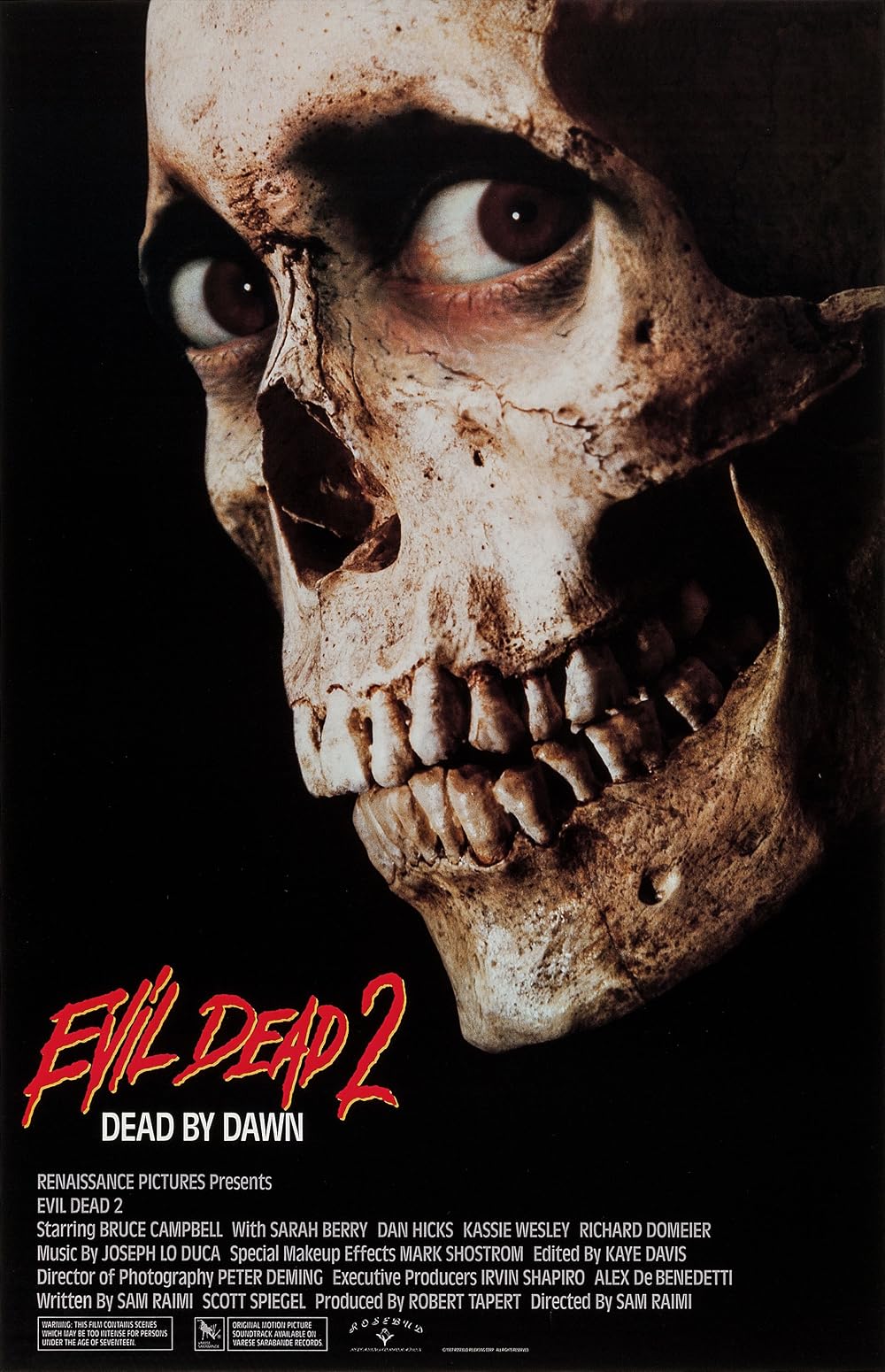
In Evil Dead 2, Ash brings his girlfriend to a remote cabin for a romantic weekend, but things go wrong when he mistakenly plays a recording of forbidden incantations. This wakes up ancient demons, turning their quiet trip into a night of escalating supernatural chaos.
Sam Raimi transforms survival horror into a kind of live-action cartoon, using a camera that follows Ash as closely as the demons do, and Bruce Campbell fully commits to the slapstick. The film feels hands-on and creative, showing that bold ideas can outshine a small budget. It was released Unrated to avoid an X rating and played on just a few screens, making about $6 million. Critics were split on whether it was good or not, but the fans did the rest. To this day theaters still host interactive screenings with Necronomicon books and props for everyone.
Okay, I’m keeping this at 12 movies per post so it doesn’t get super long, but we are still in the 80s, there are lots of years to go. Part 2 is out now.