The 20th Century’s Best American Films Worth Watching Today, Part 6
Part 5: (1970-1979) Part 7: (1988-1993)
The High-Concept and Blockbuster Perfection (1980–1987)
We’re up to the 80s now, and I’ll continue to break down classic movies worth watching today. In the 1980s, Hollywood really mastered the high-concept movie. Films from this era featured bigger stories, bold ideas, and fast-paced action, with clear plots and memorable characters. Directors knew how to keep audiences hooked. Instead of today’s digital effects, these movies relied on real stunts, practical effects, and action scenes where you could follow everything happening on screen. Still, the glossy look of the decade can be misleading. Beyond the blockbusters, there are dark sci-fi films, clever comedies, unusual dramas, and movies that take surprising risks. Some movies fully embrace their 1980s style, while others still feel fresh today. For modern viewers, these films are easy to enjoy and often smarter than people expect.
Short Film
Luxo Jr. (1986, John Lasseter)
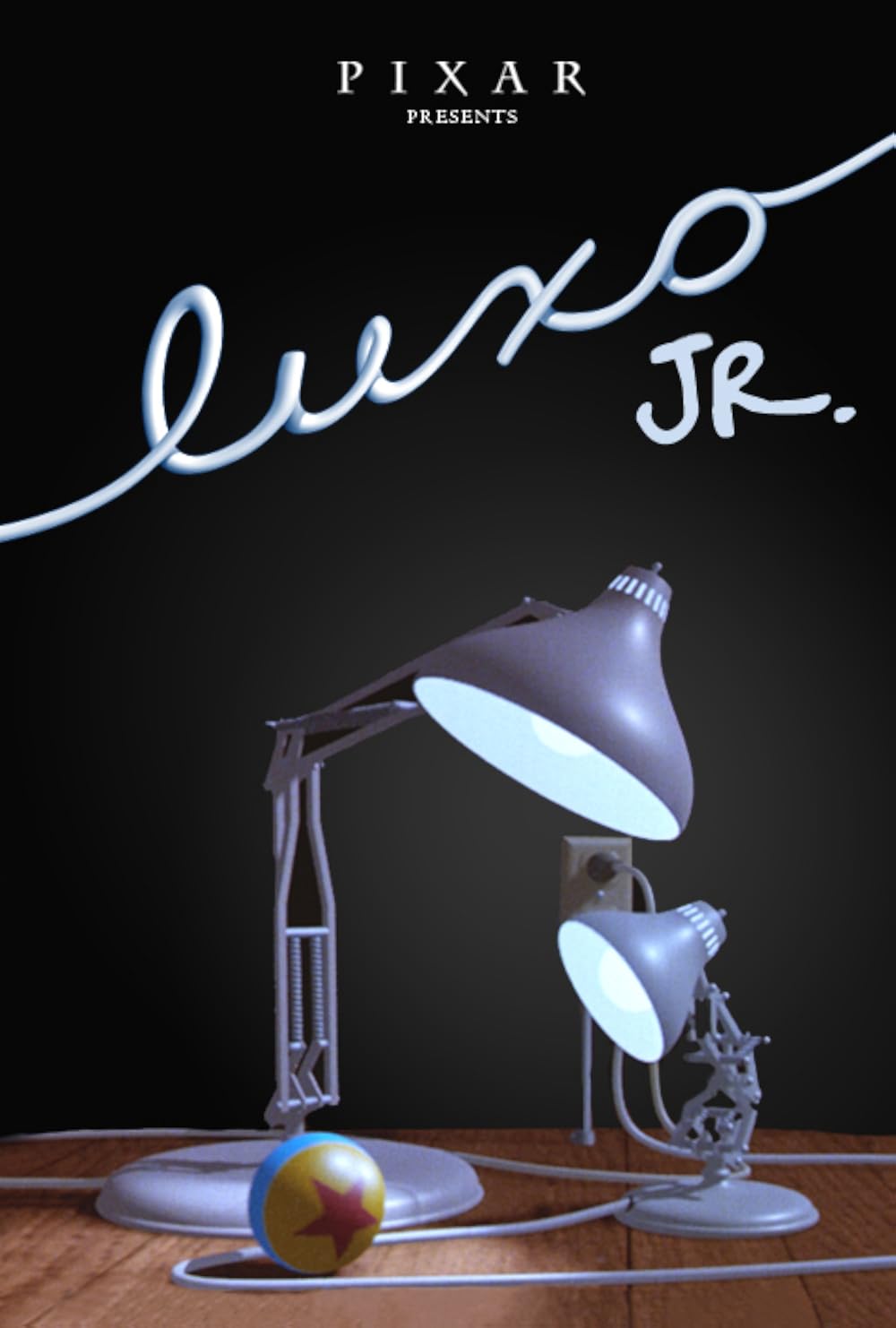
Luxo Jr. turns two desk lamps into characters: a small, energetic lamp discovers a yellow ball and starts bouncing on it, while a bigger lamp looks on with gentle concern. The story unfolds through movement alone: the lamps tilt, pause, chase, and react with such clear personalities that you quickly forget they are just office equipment. When the little lamp gets too excited and pops the ball, it feels like perfect physical comedy. John Lasseter’s 2-minute short gave people an early look at the possibilities of computer animation, but it never comes across as just a technical showcase. In just two minutes, it is funny, warm, and very easy to enjoy.
Feature Films
Airplane! (1980, Jim Abrahams/David & Jerry Zucker)
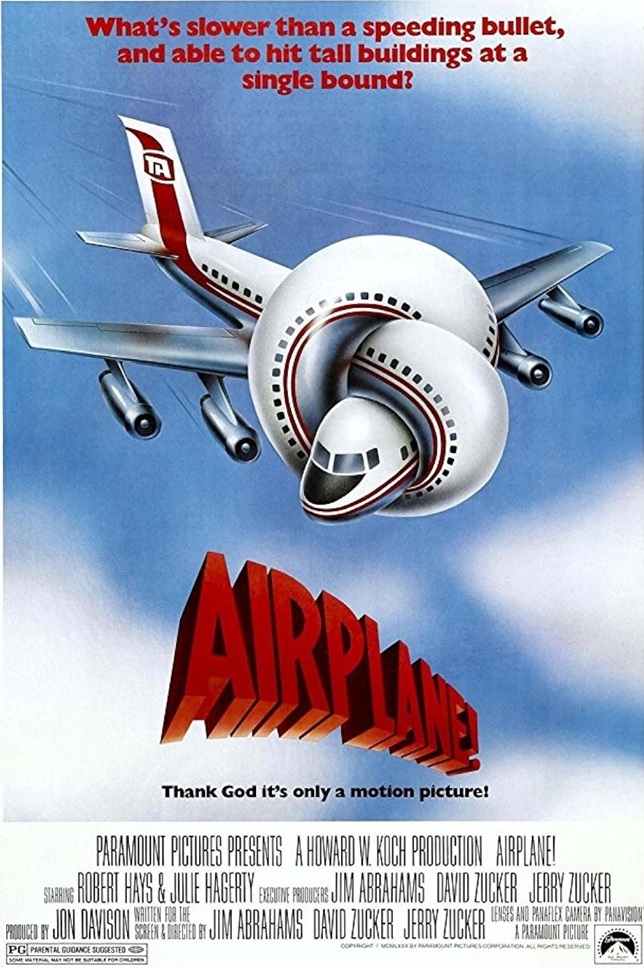
When bad fish makes the crew and passengers sick on a commercial flight, Ted Striker, a former fighter pilot with a troubled past and a serious drinking problem, becomes the only one who can land the plane. His ex-girlfriend Elaine, who works as a flight attendant, is by his side while a frantic team on the ground tries to help him make an emergency landing.
Airplane! is so funny because it treats the classic disaster-movie plot with complete seriousness. Leslie Nielsen, Robert Stack, Lloyd Bridges, and the rest of the cast never break character or play for laughs. They handle every ridiculous emergency, bad pun and strange interruption as if real lives are at stake. This straight-faced approach keeps the jokes coming without the movie ever pausing to show off. It remains one of the easiest comedies to recommend because you can jump right in and enjoy yourself.
The Empire Strikes Back (1980, Irvin Kershner)
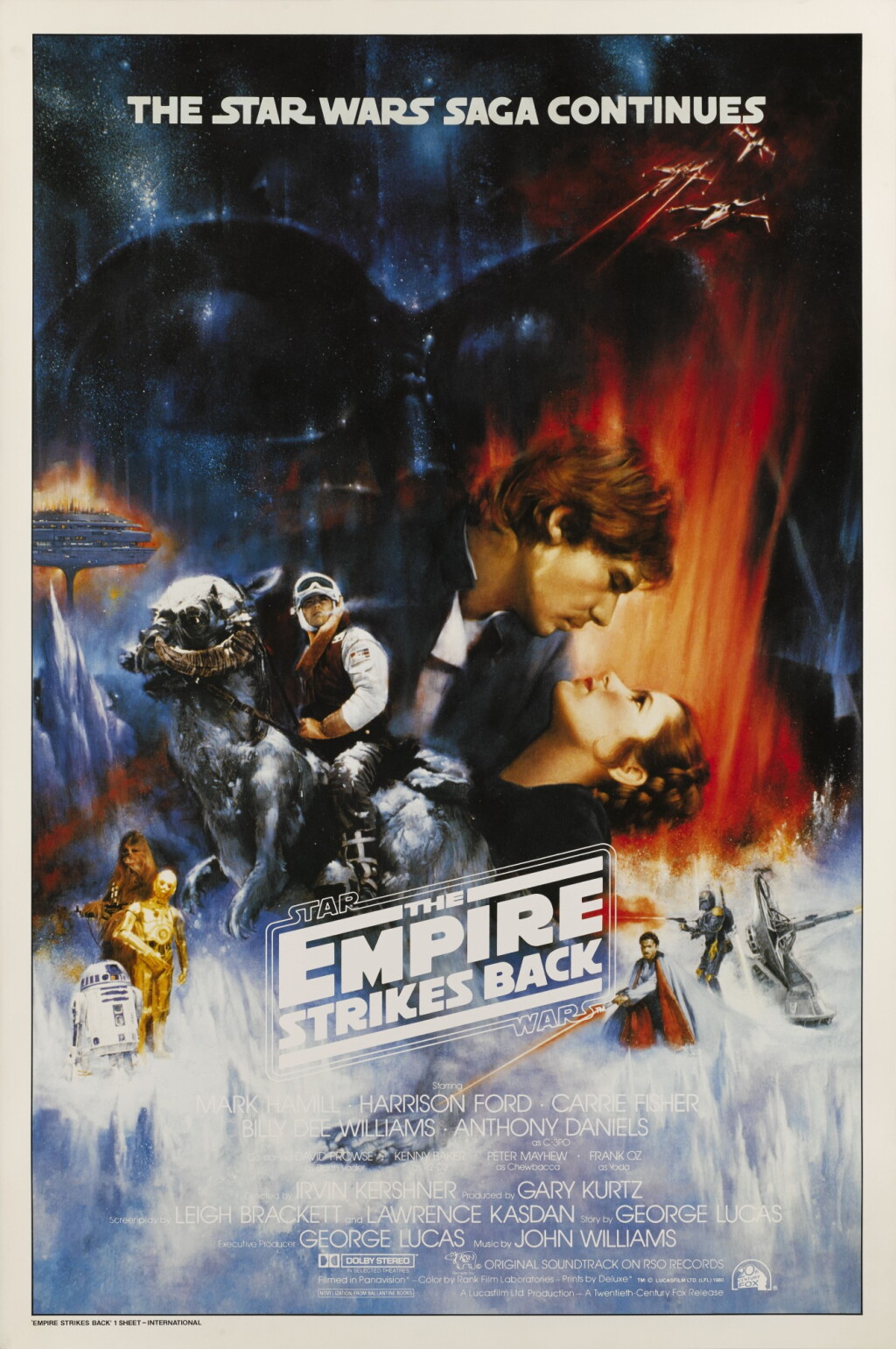
The Empire wins the first battle in The Empire Strikes Back, forcing the Rebel Alliance to leave their icy base on Hoth and scattering the heroes across the galaxy. Luke heads to Dagobah for Jedi training with the eccentric, demanding Yoda while Han, Leia, Chewbacca and C-3PO dodge through asteroid fields in the Millennium Falcon, searching for safety. Darth Vader chases both groups, not just to defeat the Rebellion, but to lure Luke into a confrontation he is not ready for.
The movie stands out because it does not rely on the success of the first film; in fact it improves on it. Luke learns that becoming a Jedi involves facing fear and failure. Han and Leia’s arguments turn into something more caring just as the danger increases, and the characters gain more depth. The story is darker but it still has energy, humor, and real emotion. By the end the heroes are wounded and apart, making the galaxy feel thrillingly unpredictable.
The Shining (1980, Stanley Kubrick)
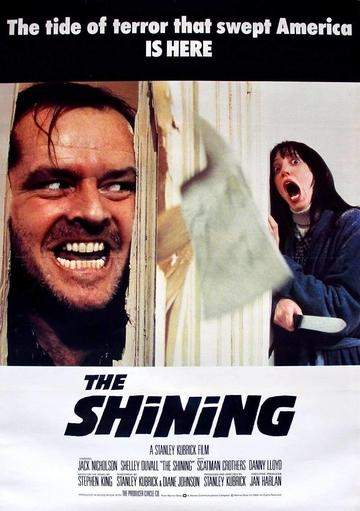
The Shining begins with Jack Torrance, a writer working to stay sober, bringing his wife Wendy and their young son Danny to the remote Overlook Hotel for a winter caretaker job. Danny has a psychic ability that lets him see things others cannot so when snow traps the family inside, Danny starts witnessing the hotel’s violent history. At the same time Jack becomes angrier, more unstable, and falls further under the hotel’s influence.
The hotel is the real star: enormous, beautiful, and wrong in a way that grows the longer you watch. Danny rides his tricycle through empty halls, strange figures show up where no one should be, and Jack Nicholson’s character becomes more threatening with each scene. Shelley Duvall brings Wendy’s fear to life in a way that feels real. The movie builds tension slowly, but it never gets boring. The sense of dread keeps growing until the hotel feels like a nightmare you cannot get away from.
Raiders of the Lost Ark (1981, Steven Spielberg)
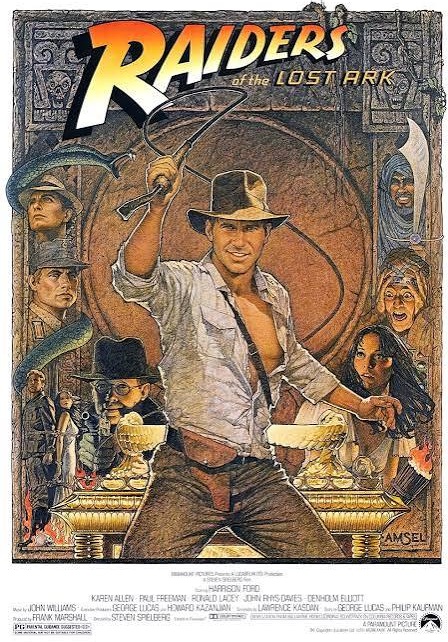
In Raiders of the Lost Ark, cynical, whip-cracking archaeology professor Indiana Jones is recruited by U.S. Army Intelligence to track down the biblical Ark of the Covenant before the Nazis get to it. Along the way he teams up with his ex, Marion Ravenwood, and his friend Sallah in Cairo. Indy faces booby-trapped tombs, desert ambushes, rival mercenaries, and plenty of angry snakes.
Steven Spielberg turns that setup into the definitive modern action-adventure movie. Harrison Ford makes Indy so likable because he is never unbeatable. He gets hurt and makes mistakes, but gets by with courage, quick thinking, and sometimes luck. The famous boulder scene, the truck chase, the airplane fight, and the supernatural ending all work because the movie always shows the danger and keeps the action real. It is pure escapism, but it is made with care—fast, funny, and exciting enough that even first-time viewers will stay glued to the screen.
E.T. the Extra-Terrestrial (1982, Steven Spielberg)
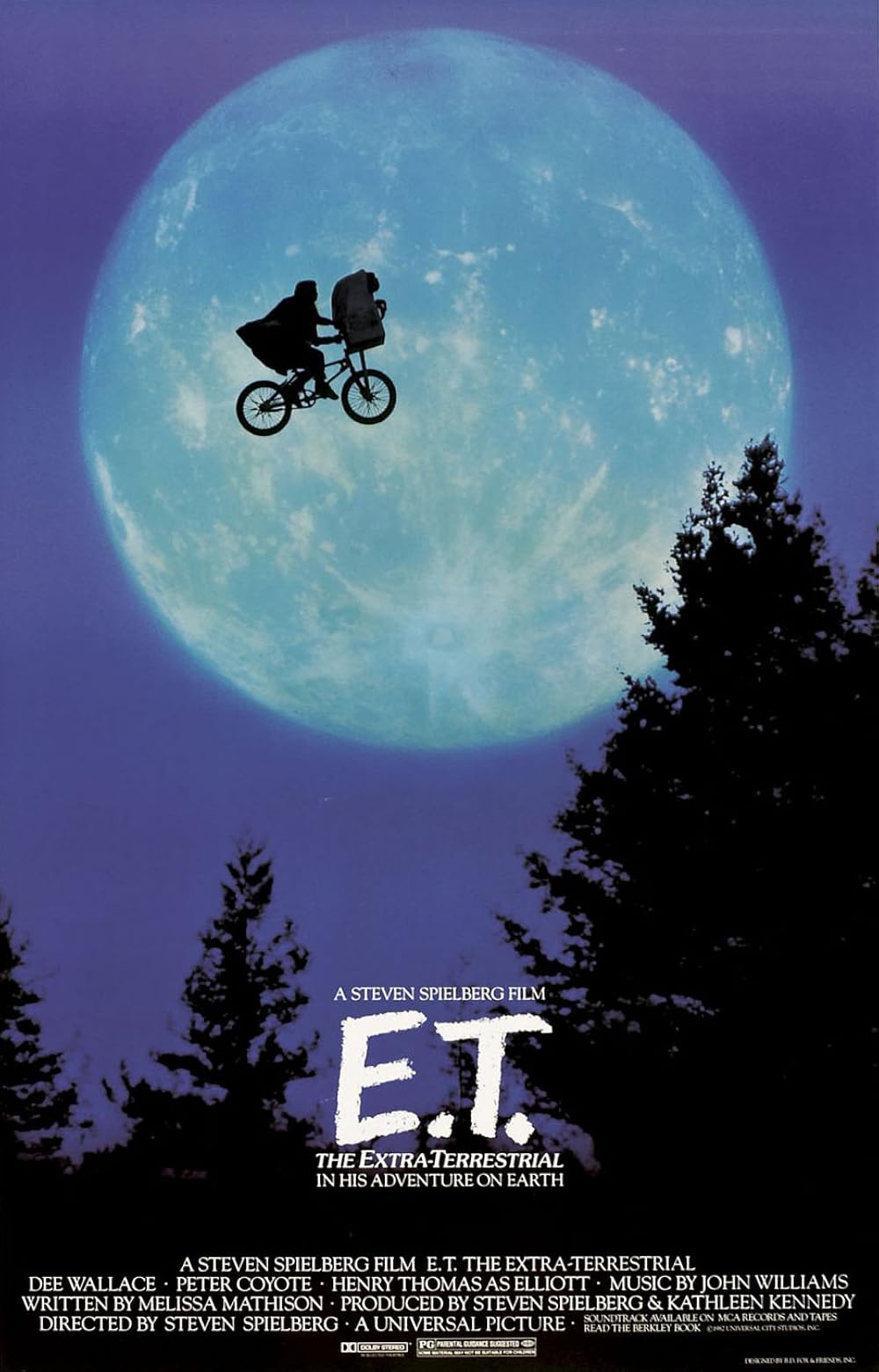
When lonely ten-year-old Elliott finds an alien accidentally left behind in the California woods, he brings him home and names him E.T. With help from his brother Michael and his little sister Gertie, Elliott keeps E.T. hidden from the adults who are searching for him, while they work together to help E.T. call his home. Elliott is also coping with his parents’ divorce, and his bond with E.T. grows into a strong friendship between two beings who both feel alone.
Spielberg makes the sci-fi story feel real by focusing on childhood details like messy bedrooms, bikes, siblings, secrets, and the feeling that adults might not understand what is truly important. The expressive design for E.T. and the legendary music make the film’s biggest moments feel magical while keeping them personal. The movie is funny, suspenseful, and moving in all the right ways. At its heart, the story reminds us that sometimes loving someone means helping them go. That’s fitting, as Spielberg conceived E.T. directly out of the trauma of his own parents’ divorce.
The Thing (1982, John Carpenter)
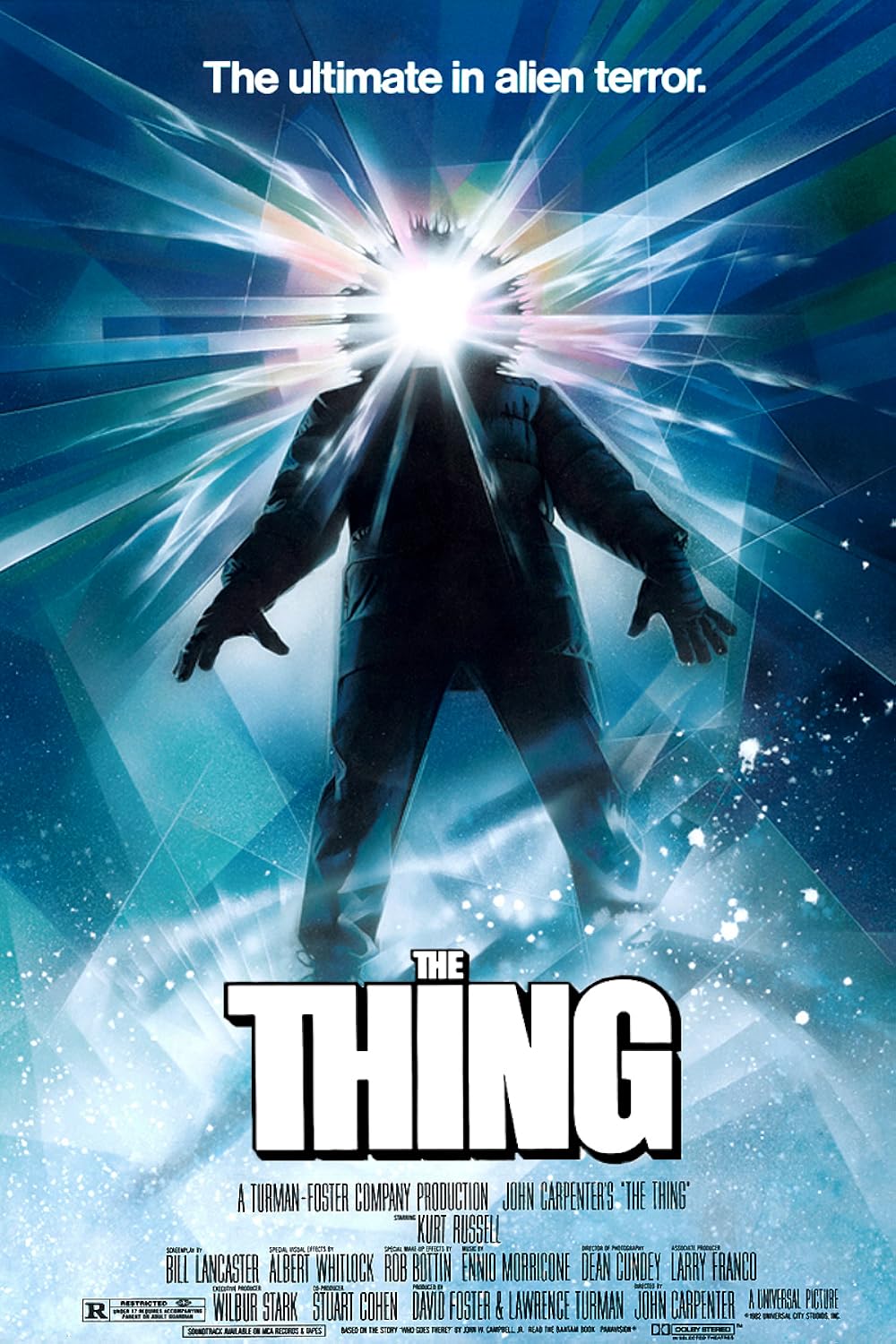
The Thing begins when a group of American researchers in Antarctica takes in a sled dog being chased by frantic Norwegians. They soon discover that the dog is actually a shape-shifting alien able to imitate any living thing. As a blizzard traps them inside, the men begin to suspect that anyone among them could already be the creature.
The movie turns that setup into a pressure cooker of paranoia. One man tries to hold the group together, but every attempt to identify the alien gives everyone another reason to distrust one another. The creature effects make the Thing itself feel horribly real: it does not merely change shape, but bursts, stretches, splits, and forms impossible new bodies when threatened while the sparse, pulsing music keeps the tension alive even in the quiet moments. It is a cold, claustrophobic horror movie about the terror of not knowing whether the person beside you is still human. That fear still lands immediately today.
Amadeus (1984, Miloš Forman)
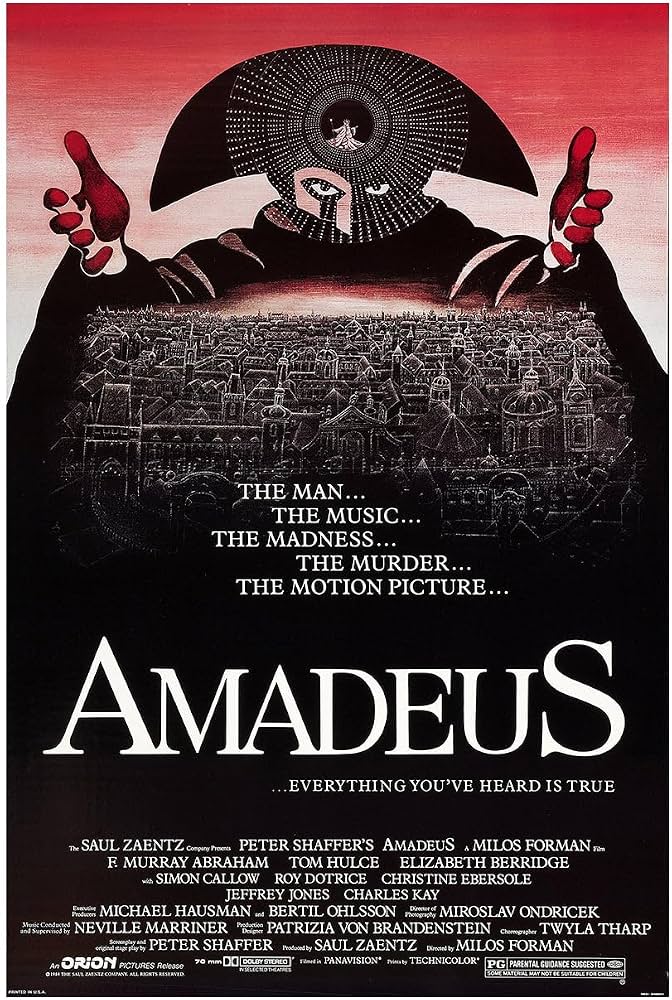
In Amadeus, Antonio Salieri is a religiously devout court composer who has spent his life working hard, following the rules, and believing his dedication to music will be rewarded. Then Mozart arrives in Vienna: crude, childish, and impossible to take seriously—until Salieri hears the music he can produce effortlessly. It is so beautiful that Salieri experiences Mozart’s talent as a kind of cosmic insult.
The movie transforms this eighteenth-century rivalry into a sharp, funny, increasingly bitter psychological drama. Salieri is about the only person who appreciates Mozart’s true genius, but he can’t create it himself, and each new masterpiece makes that gap harder to bear. The music is never just homework or background; it is where the story’s admiration, envy, and resentment are strongest. The film is lavish, entertaining, and easy to relate to. Anyone who has seen someone else succeed at something they care deeply about will understand why Salieri cannot just move on.
Ghostbusters (1984, Ivan Reitman)
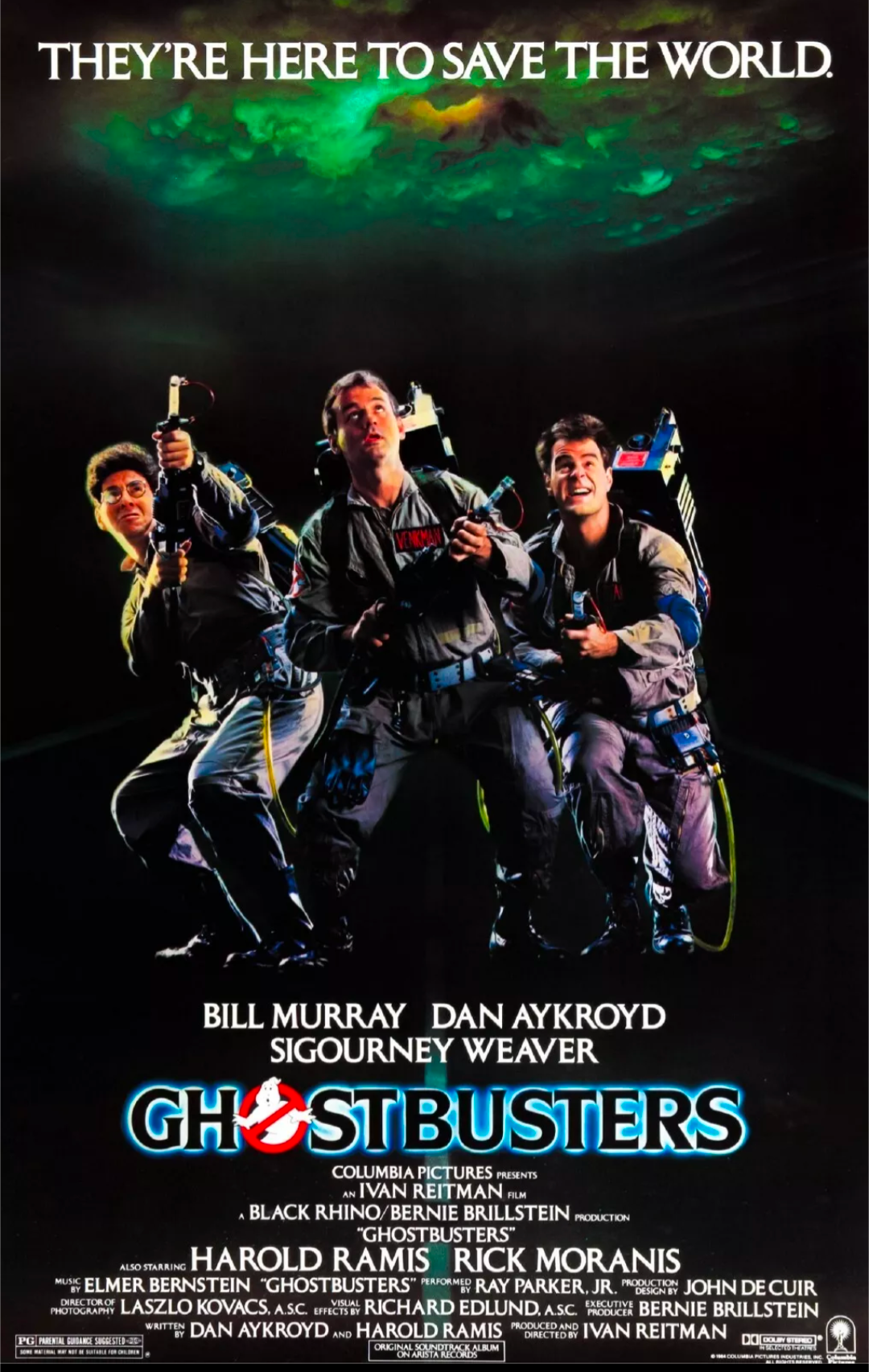
After three eccentric paranormal researchers lose their university jobs, they open a ghost-removal business in a shabby New York firehouse. Using questionable homemade gear they start getting paid to clear ghosts from hotels, apartments, and other places. At first, their plan seems silly, but things change when ghosts become a real problem across the city.
What makes Ghostbusters special is it treats the supernatural more like a gritty New York problem than a grand fantasy. The team handles hauntings with the tired skill of contractors fixing broken pipes: someone has an issue, someone pays, and something will probably get broken. This contrast makes the movie funny, but the ghost story still feels real. The movie is packed with deadpan humor, quirky characters, and a lively city that makes the wild story believable. As the stakes rise it keeps its rough, working-class sense of fun.
The Terminator (1984, James Cameron)
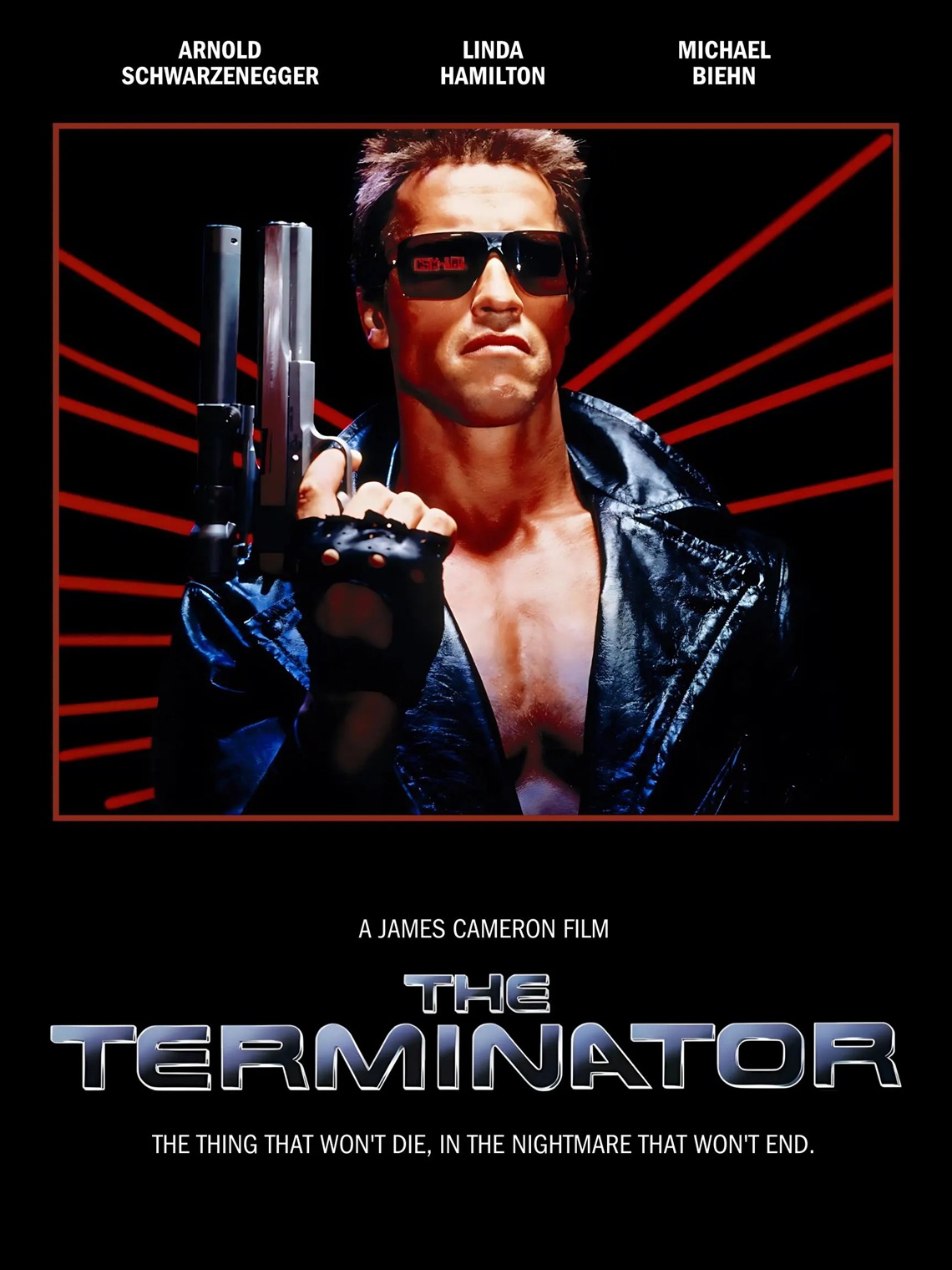
In The Terminator, a waitress in Los Angeles is chased across the city by a relentless robot assassin sent from a post-apocalyptic future. Her only chance is Kyle Reese, a battle-scarred soldier from that same future, whose mission is to protect her and stop the machine from erasing a future resistance before it begins.
The movie takes a big science-fiction idea and strips it down to a brutal chase thriller. It never gets lost in time-travel explanations: the rules are simple, the danger is clear, and Sarah and Kyle are always on the move. The neon lights, nightclubs, police stations and factories create a gritty tech-noir mood, while the assassin’s unstoppable pursuit means nowhere is safe for long. The film is quick, suspenseful, and more human than you might expect. Underneath all the action it’s about an ordinary person learning what she can survive when she has no one else coming to save her.
This is Spinal Tap (1984, Rob Reiner)
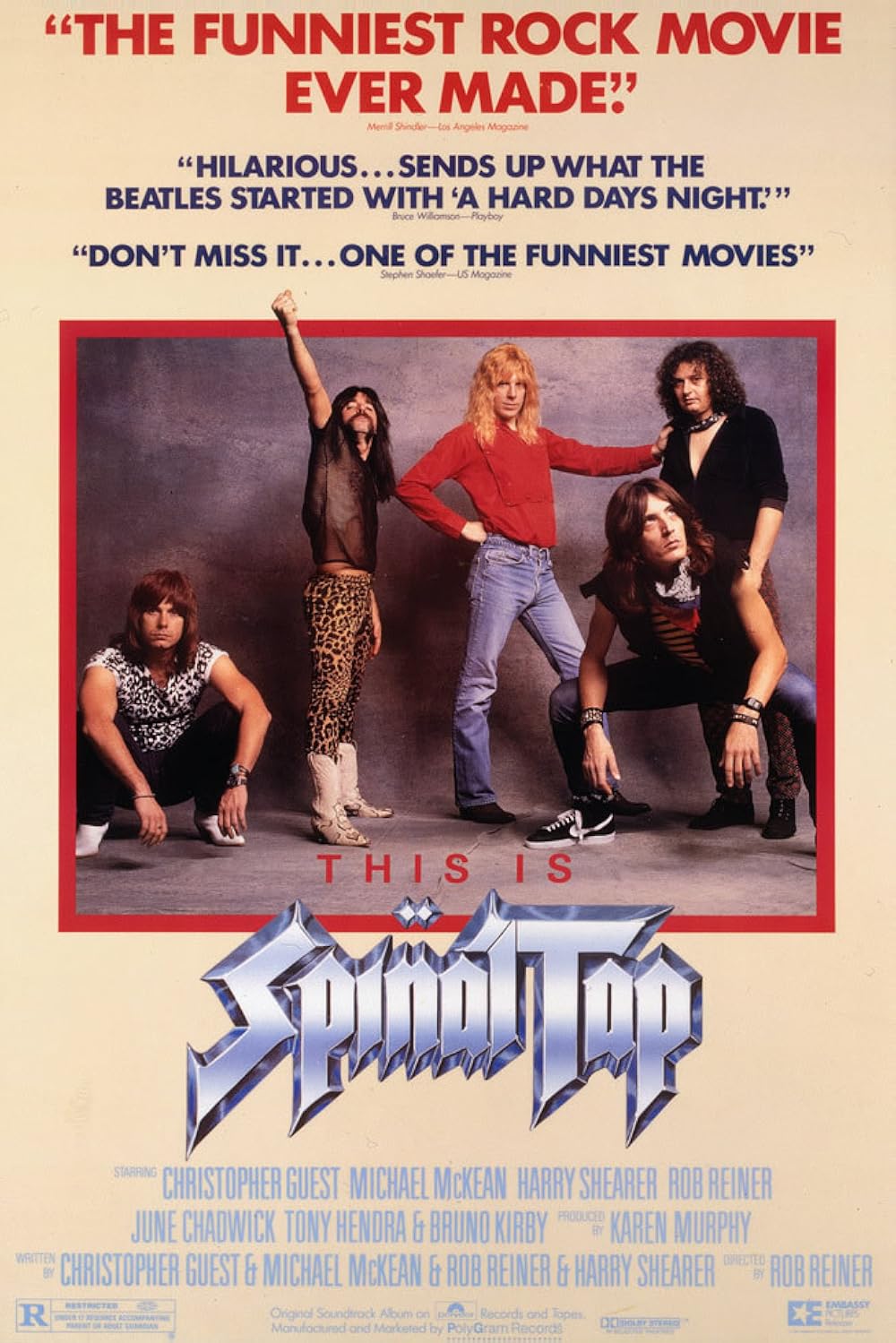
This Is Spinal Tap tells the story of a serious documentary filmmaker who follows a British heavy-metal band trying to make a comeback in America as they go on tour. What starts as a celebration of their latest, heaviest album quickly unravels as the band has to deal with smaller crowds, backstage arguments, missing members, and stage props that go hilariously wrong.
The movie’s humor really comes from its characters. David acts over-the-top, Nigel is sensitive about his art, and Derek seems completely detached. Their problems are funnier because the band never sees that it is causing its own downfall. The tiny Stonehenge and the confusing backstage mix-up are more than just jokes, they really show how the band stays confident even as things keep going wrong. At just 82 minutes, the film moves quickly and never drags. It helped shape the mockumentary style, but it never feels distant or cold. Instead, it stands out as one of the funniest and most rewatchable comedies ever made.
Back to the Future (1985, Robert Zemeckis)
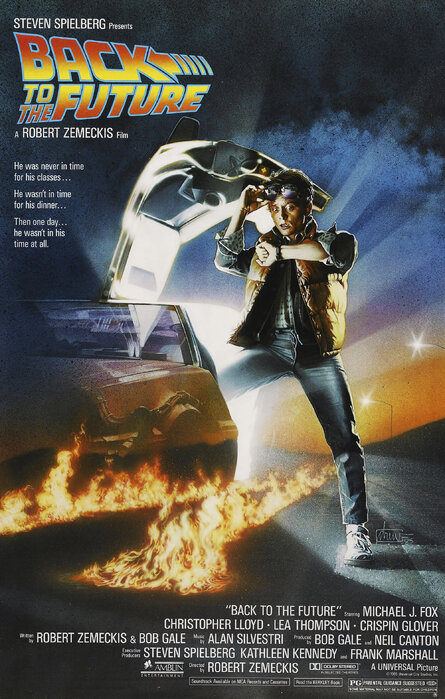
Back to the Future sends a regular California teenager thirty years into the past in a plutonium-powered DeLorean built by his eccentric scientist friend, Doc Brown. Stuck in 1955 without fuel, Marty McFly accidentally interrupts his own parents’ first meeting, which creates a paradox that could erase him from existence. To fix things, he has to help his parents fall in love and catch a bolt of lightning at just the right moment to get back home.
This movie deserves its place because Robert Zemeckis and Bob Gale wrote a screenplay where every detail from the beginning pays off by the end. Michael J. Fox brings nervous energy, and Christopher Lloyd adds wild intensity, making a complex sci-fi story feel simple and fun. This is one of those movies that, if you don’t like it, you might need to consider if you really like movies at all?
Aliens (1986, James Cameron)
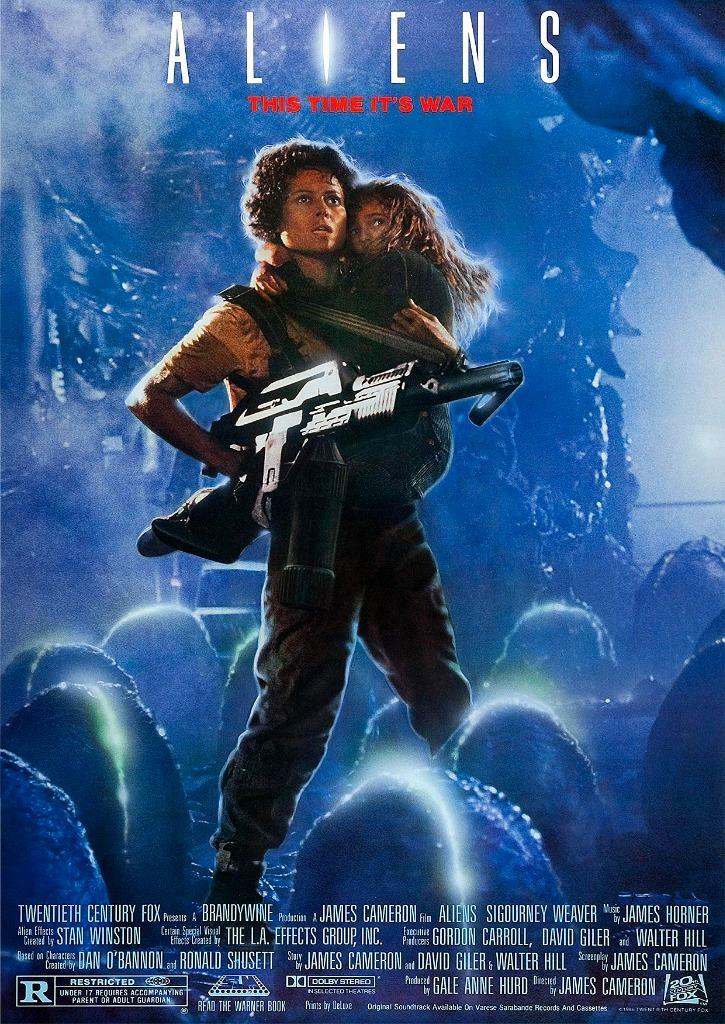
Aliens starts 57 years later. After surviving the destruction of the Nostromo, Ripley wakes from hypersleep and discovers that the moon where her crew died is now a civilian colony. When the colony suddenly goes silent, Ripley, who is still haunted by her past, joins a squad of Colonial Marines to investigate. At first the soldiers are very confident, but soon they realize they are trapped inside with something designed to hunt them.
James Cameron turns the horror of Alien into an action movie, and keeps the suspense strong for virtually the entire runtime. Sigourney Weaver shows both Ripley’s toughness and vulnerability, and her connection with Newt, the only child survivor, brings heart to the mission. With motion trackers, dark hallways, makeshift barricades, and a desperate escape plan, Aliens is a movie that makes two hours fly by.
Evil Dead II (1987, Sami Raimi)
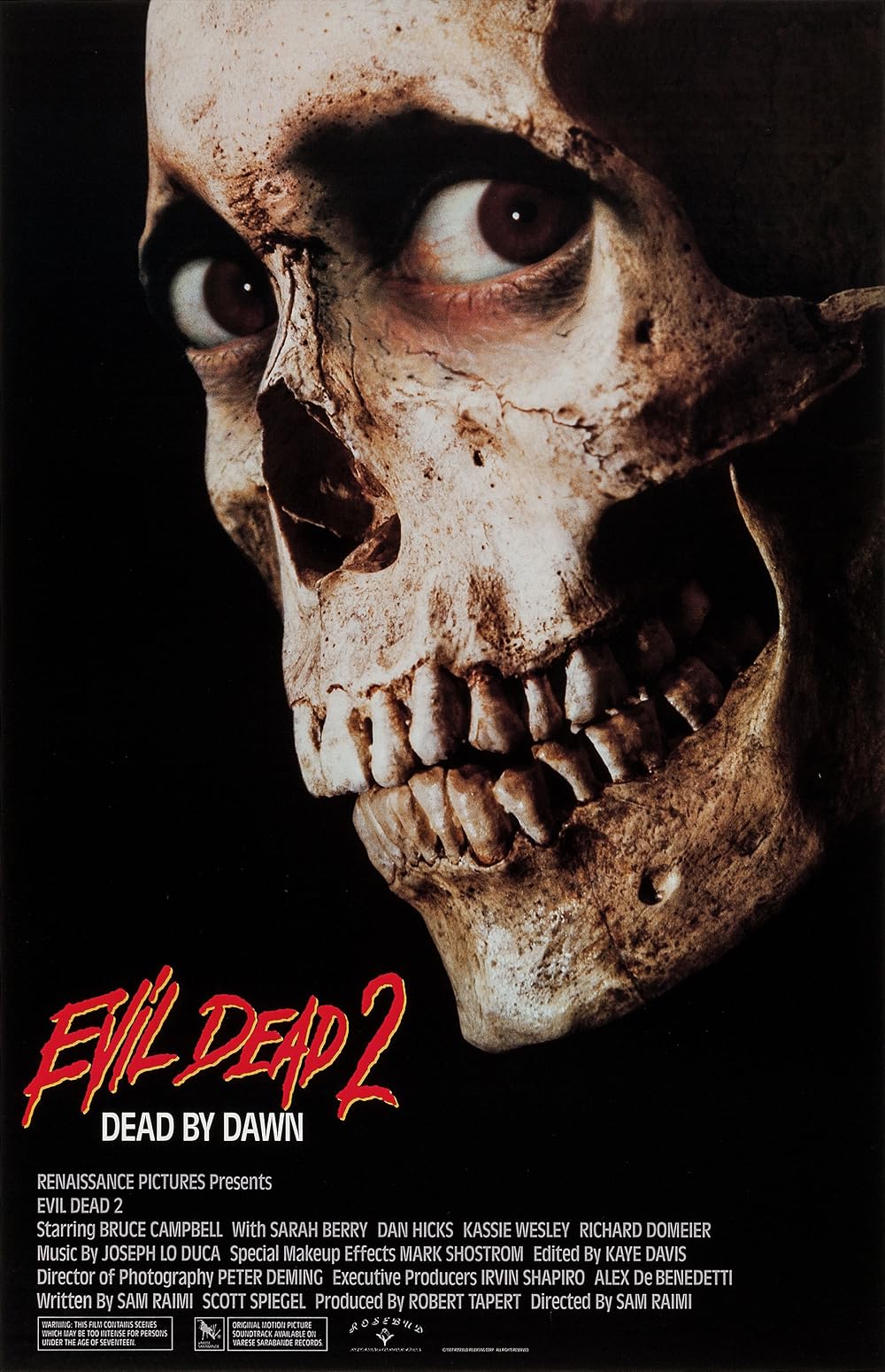
Evil Dead II earns its place because it takes a simple cabin-in-the-woods setup and turns it into one of the most inventive, physically alive horror-comedies ever made. Ash gets stuck in a remote cabin where an ancient recording unleashes demonic forces, leading to a night of escalating chaos he never expects. The movie starts as a survival horror film but quickly turns into something a lot stranger and funnier as things spiral further out of control.
Sam Raimi directs with nonstop energy, using quick camera moves, unusual angles, and shots that follow Ash through the cabin just as quickly as the demons. Bruce Campbell keeps up with that pace, turning his fear into physical comedy in scene after scene. The movie feels tight, creative and proudly over-the-top, showing that a strong idea and real dedication can always outshine a big budget.
Planes, Trains and Automobiles (1987, John Hughes)
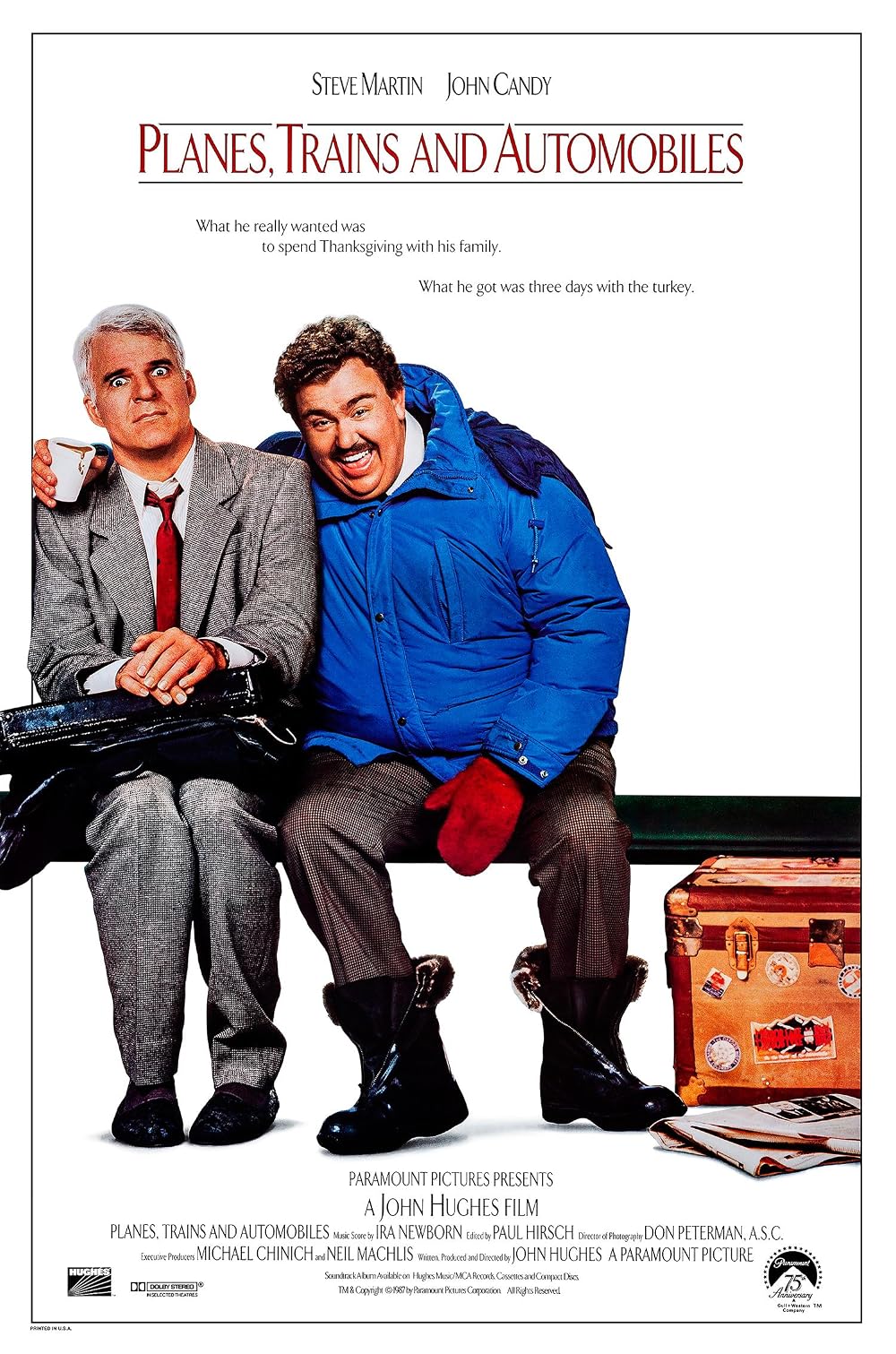
Planes, Trains and Automobiles turns the universal nightmare of holiday travel into an expertly crafted comedy with real heart. Steve Martin is an uptight marketing executive who just wants to get home to Chicago for Thanksgiving. After a blizzard forces his flight to land in Wichita he ends up stranded and stuck with Del Griffith, an overly friendly shower-curtain-ring salesman played by John Candy. Their minor travel delay quickly snowballs into a cross-country ordeal involving missed connections, wrecked transportation, questionable motels, and one disaster after another.
This movie is hilarious because of the growing tension between two people who couldn’t be more different, thrown together by bad luck. The humor comes from their clashing personalities, not cheap jokes or over-the-top emotion. Martin and Candy have perfect comic timing, and the story keeps things moving and surprising without losing its sense of real people. The movie is fast, funny and easy to relate to, but it also surprises you with how well it understands both characters. Under all the chaos, there’s a real warmth that sticks with you too..
That’s another decade under our belts, through the wild ride that is the 80s. In my next post we’ll continue to explore the 80s and move into the early 90s: Modern Precision and Genre Reinvention. All of these movies almost anyone can watch and enjoy. Part 7 is out now.