The 20th Century’s Best American Films Worth Watching Today, Part 7 (1988-1993)
Part 6 (1980-1987) Part 8 (1994-1999)
Modern Precision & Genre Reinvention
We’re continuing the 80s and breaking into the 90s now, and I’ll continue to write about the best classic movies worth watching today. If you want to know more about what criteria I used to determine the films I list, check out part 1.
The 90s are where movies stopped being a stage show and started being a machine. This is the decade genres get taken apart and rebuilt: the Western gets deconstructed, the slasher gets self-aware, and the gangster picture gets its most complete treatment. It’s also the last stretch where practical effects along with early CGI coexist as equals. For a modern viewer there’s very little ramp-up required: the pacing, the craft, the confidence all still read as current. These are films built by directors who’d already mastered the old rules and got bored enough to break them on purpose.
Unlike the previous posts, I’ll forgo including a short film since we are riding the bridge between the 80s and 90s. My next and last post will have the final short film.
Feature Films
Die Hard (1988, John McTiernan)
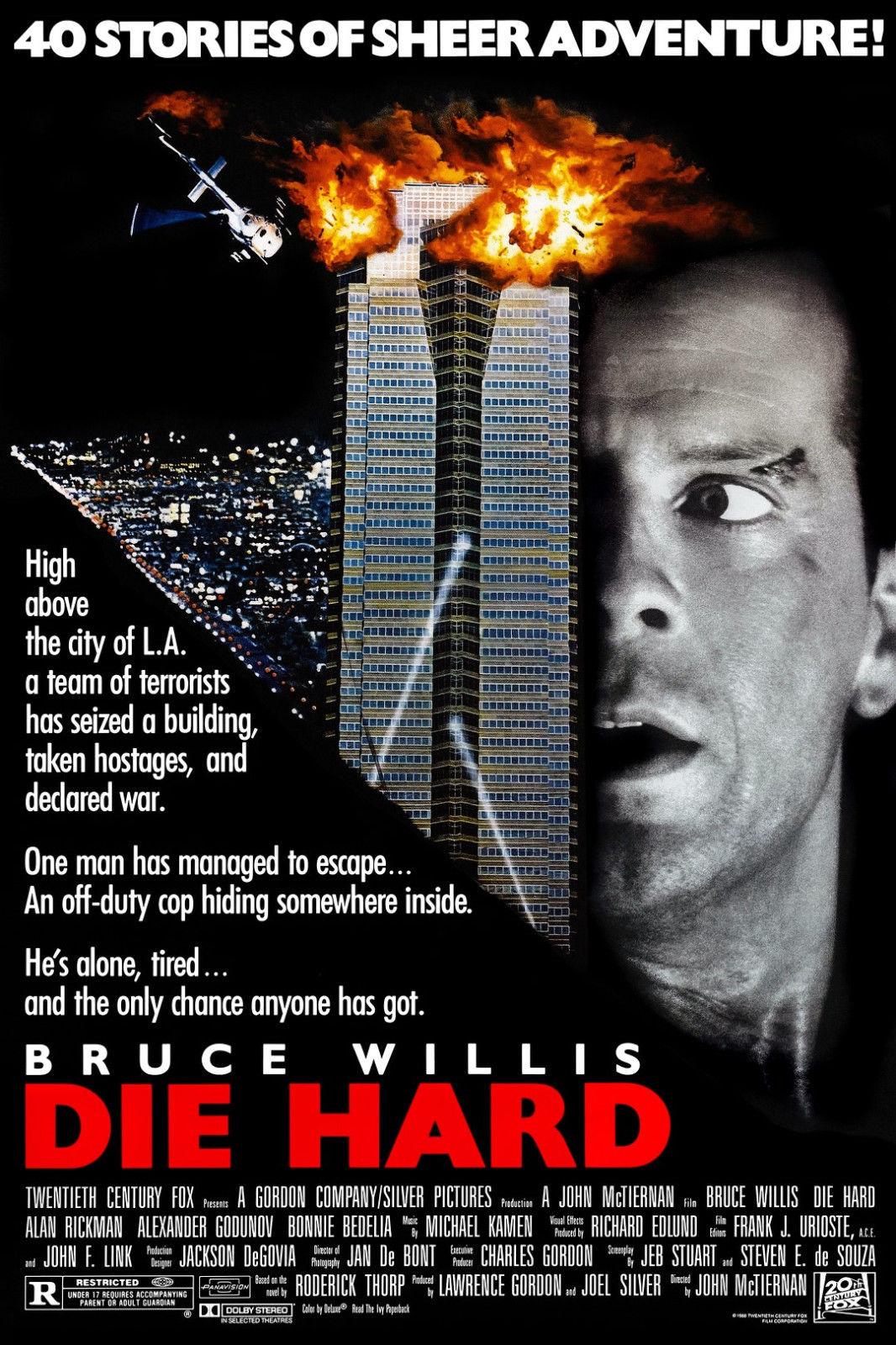
During a Christmas Eve office party in a Los Angeles skyscraper, things take a turn for the worse when a heavily armed group takes over the building and holds everyone hostage. John McClane, a New York cop in town to see his estranged wife, manages to escape. He is barefoot, alone, and stuck high above the city with no easy way to call for help.
Die Hard belongs here because it makes its action hero feel human. McClane gets scared, makes mistakes, complains when he is hurt, and keeps going only because nobody else can. The tower itself turns into a maze of elevators, air ducts, stairwells, locked doors, and unfinished floors, while Alan Rickman’s Hans Gruber adds wit and icy calm as the villain. The movie is tight, funny, and grows more desperate as it goes on. It helped set the standard for the ‘one person trapped in one dangerous place’ action formula copied for years afterward.
Who Framed Roger Rabbit (1988, Robert Zemeckis)
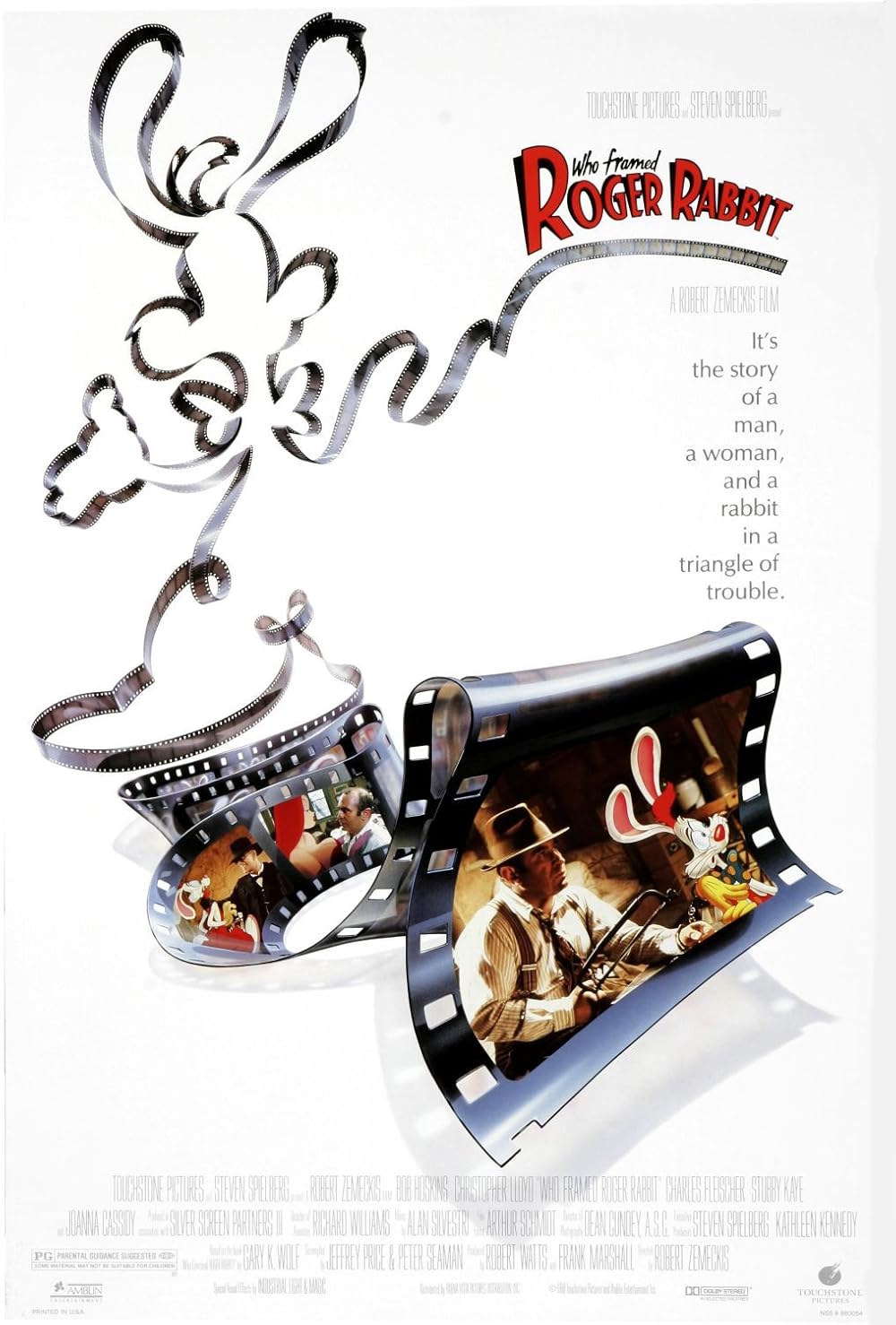
Set in 1947 Los Angeles, Eddie Valiant is a down-on-his-luck private eye with good reason to avoid cartoons. When he is hired to investigate a possible scandal involving animated movie star Roger Rabbit, Eddie gets pulled into a murder case that leaves Roger in serious trouble. His search for answers leads him through smoky clubs, studio offices, and finally to Toontown, where cartoon characters and humans live side by side and the rules of ordinary reality don’t always apply.
Who Framed Roger Rabbit belongs here because it’s more than just a cool mix of cartoons and live action. Underneath all the jokes there’s a real noir-style mystery, with a wounded detective, a dangerous villain and enough menace to make the cartoon world feel risky. The hand-drawn characters really seem to share the same space as the actors, catching the light, casting shadows, grabbing props, and causing chaos with cartoon energy. It is funny, strange, and darker than you might expect—a virtually perfect collision of old Hollywood noir, cartoon craziness and movie-star adventure.
Do the Right Thing (1989, Spike Lee)
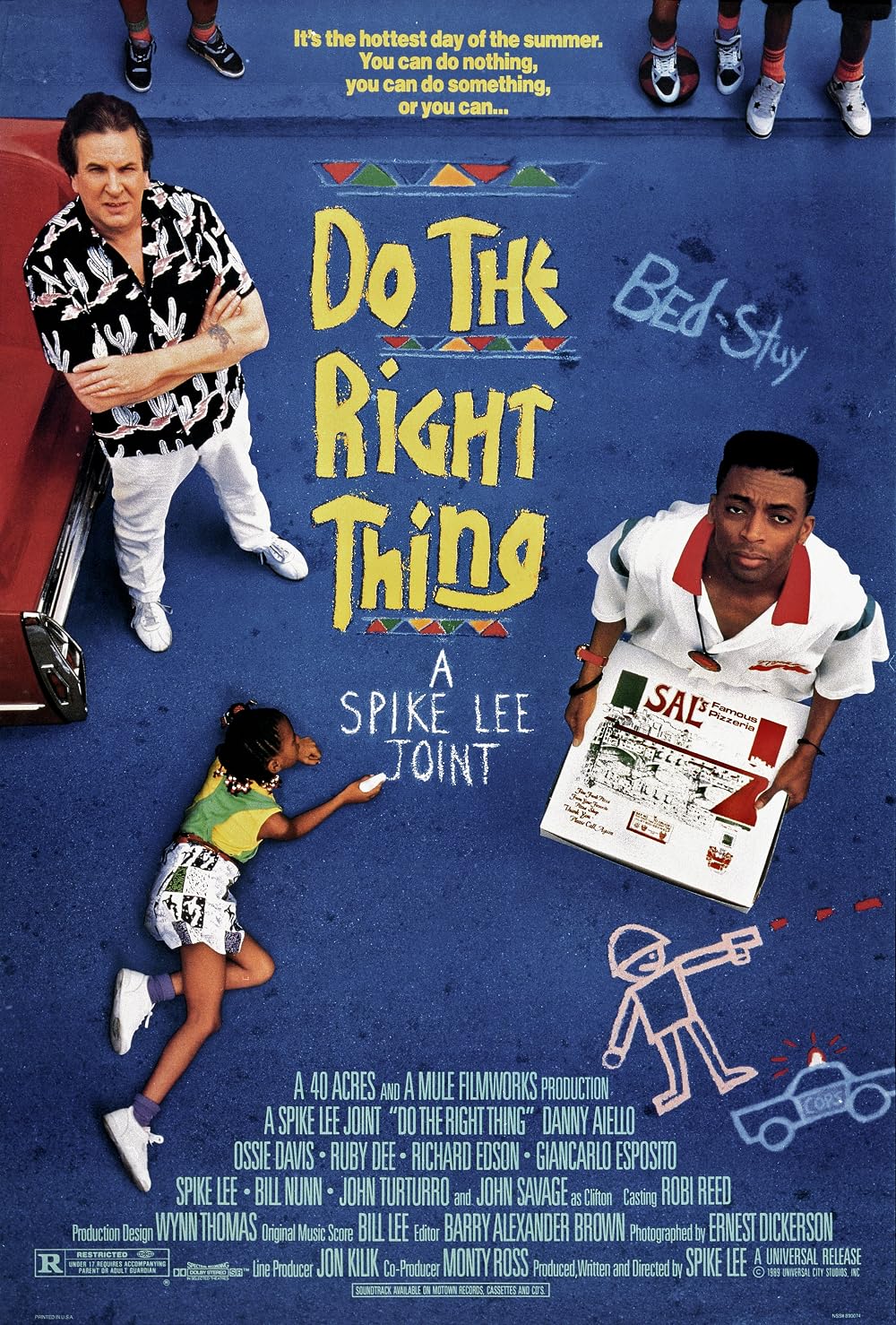
On the hottest day of summer a block in Brooklyn feels like a pressure cooker. Mookie delivers pizzas for Sal’s Famous Pizzeria, a local spot run by an Italian American family. He spends his day among the people who bring the street to life: friends hanging out, kids with time to kill, older neighbors, loud voices, regulars, and those holding onto old grudges. As the temperature climbs, it seems like even a small disagreement could quickly grow into something much bigger.
Do the Right Thing earns a spot on my list because it turns that block into what feels like a whole living world. The colors pop, the music blares, and the jokes are sharp. Every character has enough personality to keep the film from feeling preachy. Still, beneath the humor, the movie asks tough questions about respect, race, ownership, and whose voices matter in a frustrated community. It stays funny and full of energy until the story takes a turn that makes it hard to watch without feeling its weight.
Glory (1989, Edward Zwick)
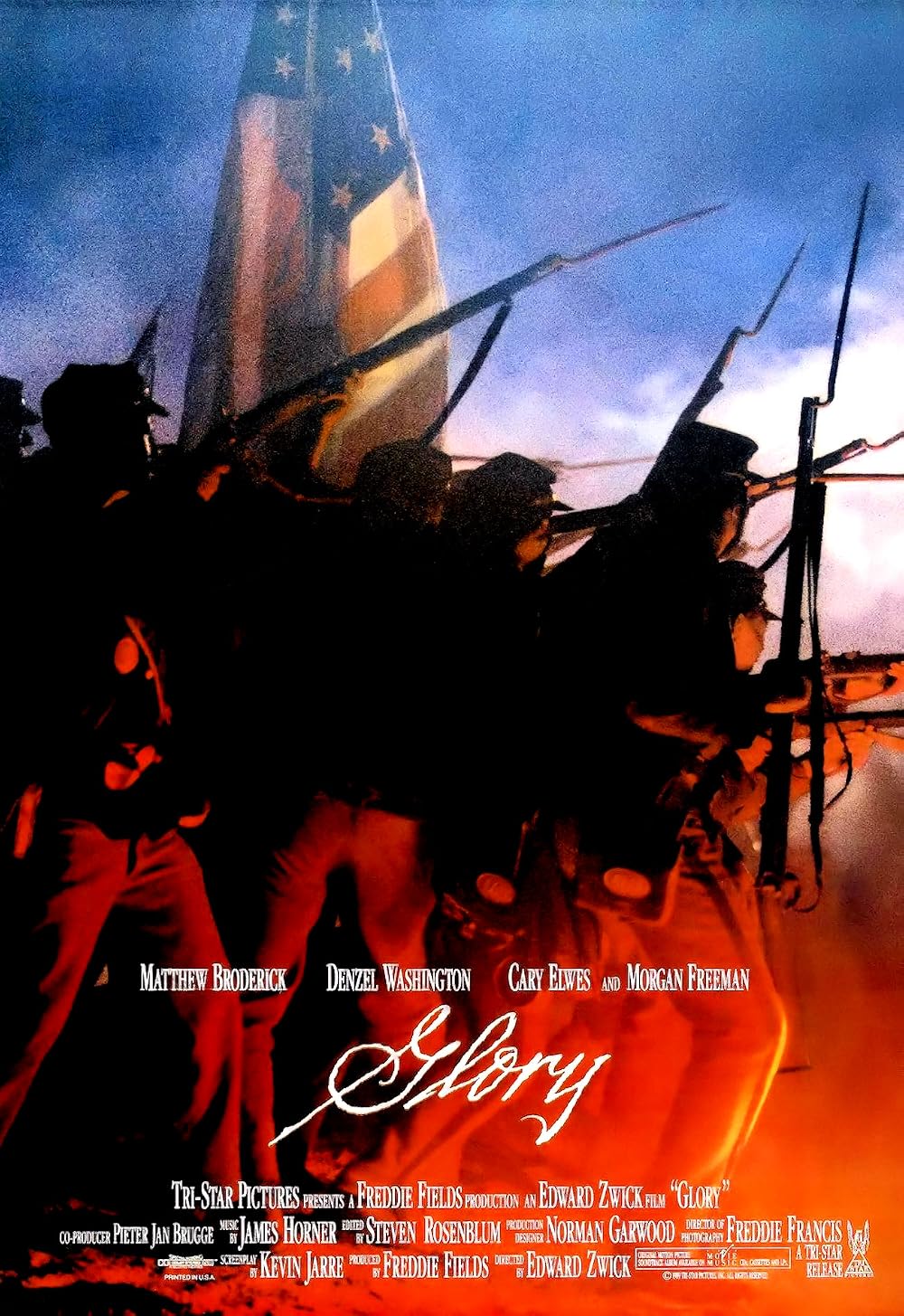
Initially the Union Army refused to let Black soldiers fight in the Civil War. Glory tells the story of the 54th Massachusetts Volunteer Infantry, one of the North’s first official Black regiments, led by an inexperienced young colonel in over his head. The men serving under him are not a unified symbol: a hardened runaway, an educated free Northerner, and a pragmatic older recruit constantly clash over who the war is for and what their service really means.
This tension between the soldiers is what gives the movie its strength. Instead of showing heroics the film lets us see them argue, hold grudges, and deal with being overlooked by their own leaders. They have to fight for shoes, uniforms, and equal pay before they even face the enemy. When the battle finally comes, the attack on Fort Wagner is intense and chaotic, making the danger and sacrifice feel real. With powerful performances from Denzel Washington, Morgan Freeman, and André Braugher, the struggle for basic human dignity hits with immediate, unforgettable force. This is the film that should have won Best Picture in 1989, not the overrated Driving Miss Daisy.
When Harry Met Sally… (1989, Rob Reiner)
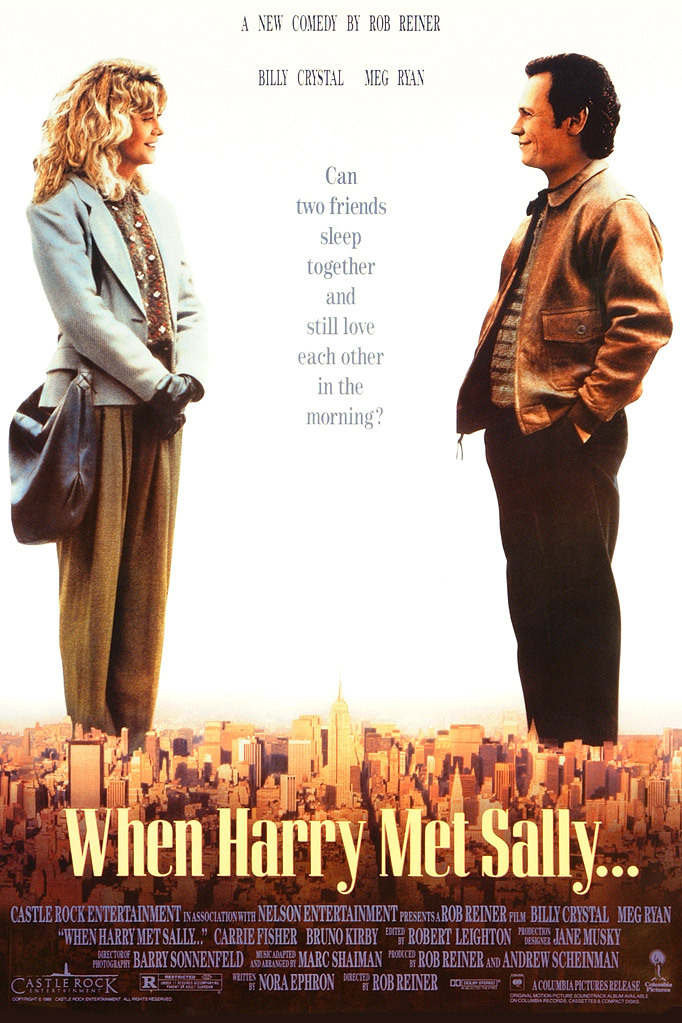
Harry and Sally first meet during a long drive from Chicago to New York, where they spend most of the trip debating if men and women can truly be friends. Years later, they keep running into each other by chance in New York. What starts as annoyance slowly turns into a friendship filled with long talks, awkward dates, inside jokes, and the sense that this is the one person who will always be honest with you.
When Harry Met Sally… deserves a spot here because it made romantic comedies feel more like stories about real adults. The romance develops from friendship instead of big, dramatic moments, and the funniest parts come from how people overthink love, sex, loneliness, and their own flaws. Billy Crystal and Meg Ryan make Harry and Sally interesting without being overwhelming, and Carrie Fisher and Bruno Kirby add another pair of friends whose lives keep crossing paths with theirs. The movie is warm, witty, and more honest about relationships than its cozy, autumn-in-New-York image might lead you to believe.
Goodfellas (1990, Martin Scorsese)
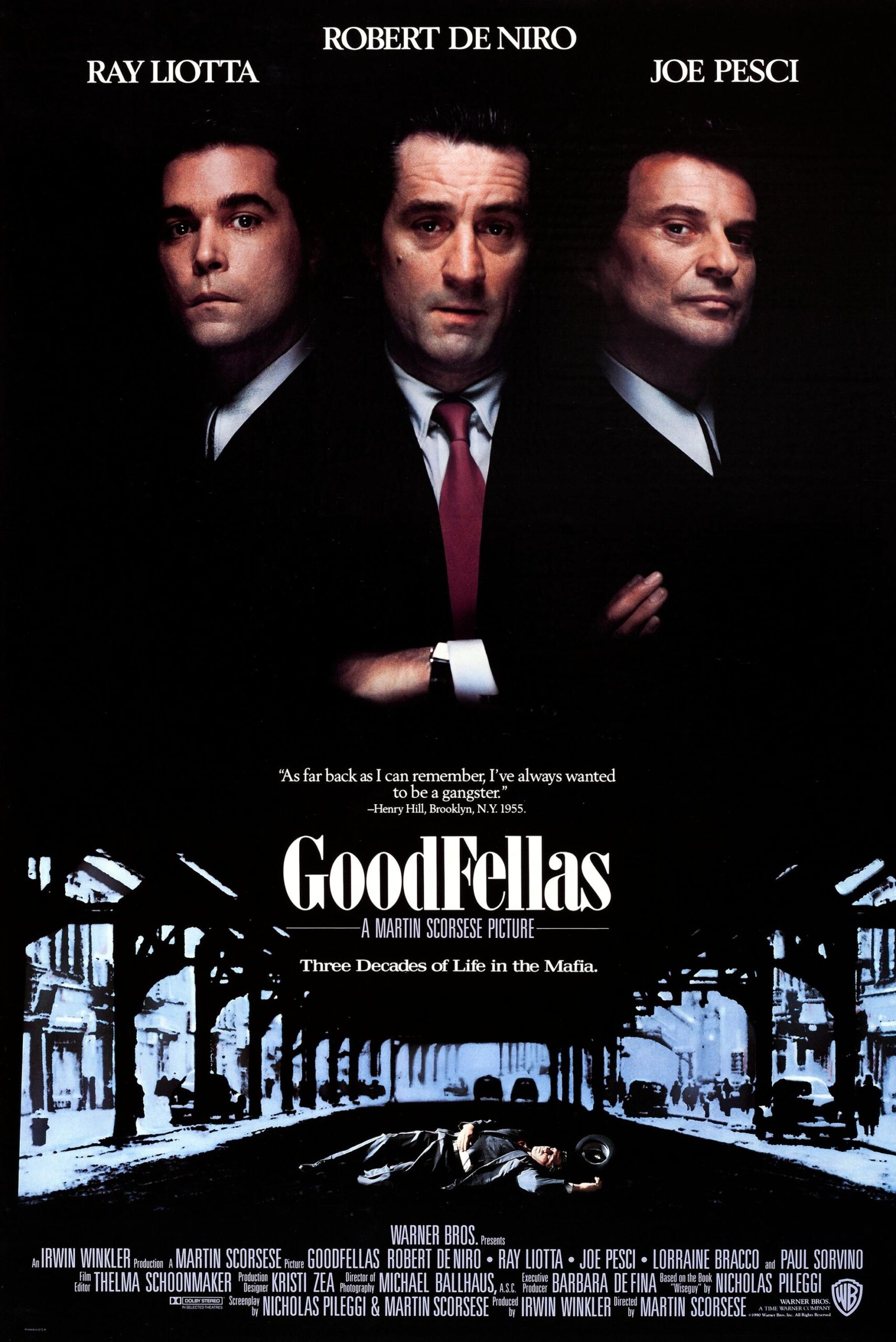
Henry Hill grows up in a working-class Brooklyn neighborhood, where the local mobsters seem to have everything: money, respect, sharp clothes, the best tables at restaurants, and complete freedom. As a teenager, he starts running errands for them and slowly gets drawn into a world of hijackings, nightclubs, favors, and quick money. On the surface, it seems like an escape from poverty. But inside it is a world built on fear, pride, and people who can become dangerous without warning.
Goodfellas belongs here because it makes that life feel immediate rather than distant or glamorous in a storybook way. Henry’s voice guides you through the story, and the use of freeze-frames, pop songs, sudden bursts of violence, and a memorable walk through a nightclub help you feel the attraction of his world before you see where it leads. Ray Liotta plays Henry with just the right mix of ambition and nervousness, while Robert De Niro and Joe Pesci are always there to show how quickly things can change.
The Silence of the Lambs (1991, Jonathan Demme)
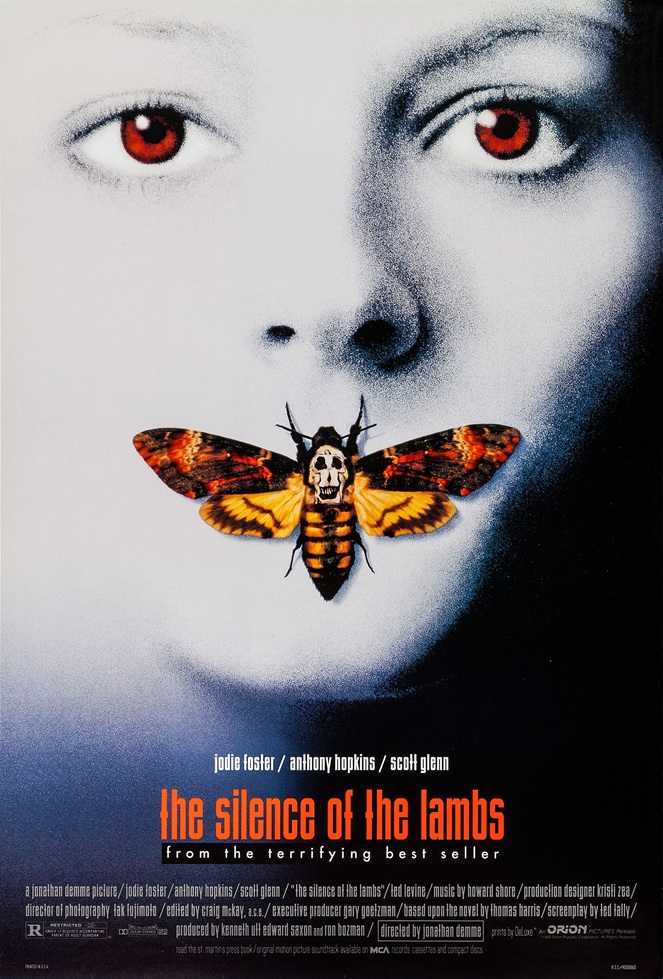
Clarice Starling is an FBI trainee sent to interview Hannibal Lecter, a brilliant ex-psychiatrist in prison for murder. The bureau hopes Lecter’s mind can help them understand an active serial killer, but he’s not going to help them for free. Every clue comes with a demand that Clarice shares something personal. Their talks become a tense exchange, and Clarice has to manage the situation without revealing too much.
The Silence of the Lambs belongs here because it makes the investigation feel personal. Close-up shots put Clarice and Lecter face-to-face, and the story follows Clarice as she moves through a world where she is the youngest person in the room and the only woman, earning respect only after she proves herself. Jodie Foster shows Clarice’s focus, empathy, and courage without pretending she has no fear. Anthony Hopkins makes Lecter frightening because he stays so calm. This crime story centers on conversations you can feel tightening like a noose.
Terminator 2: Judgment Day (1991, James Cameron)
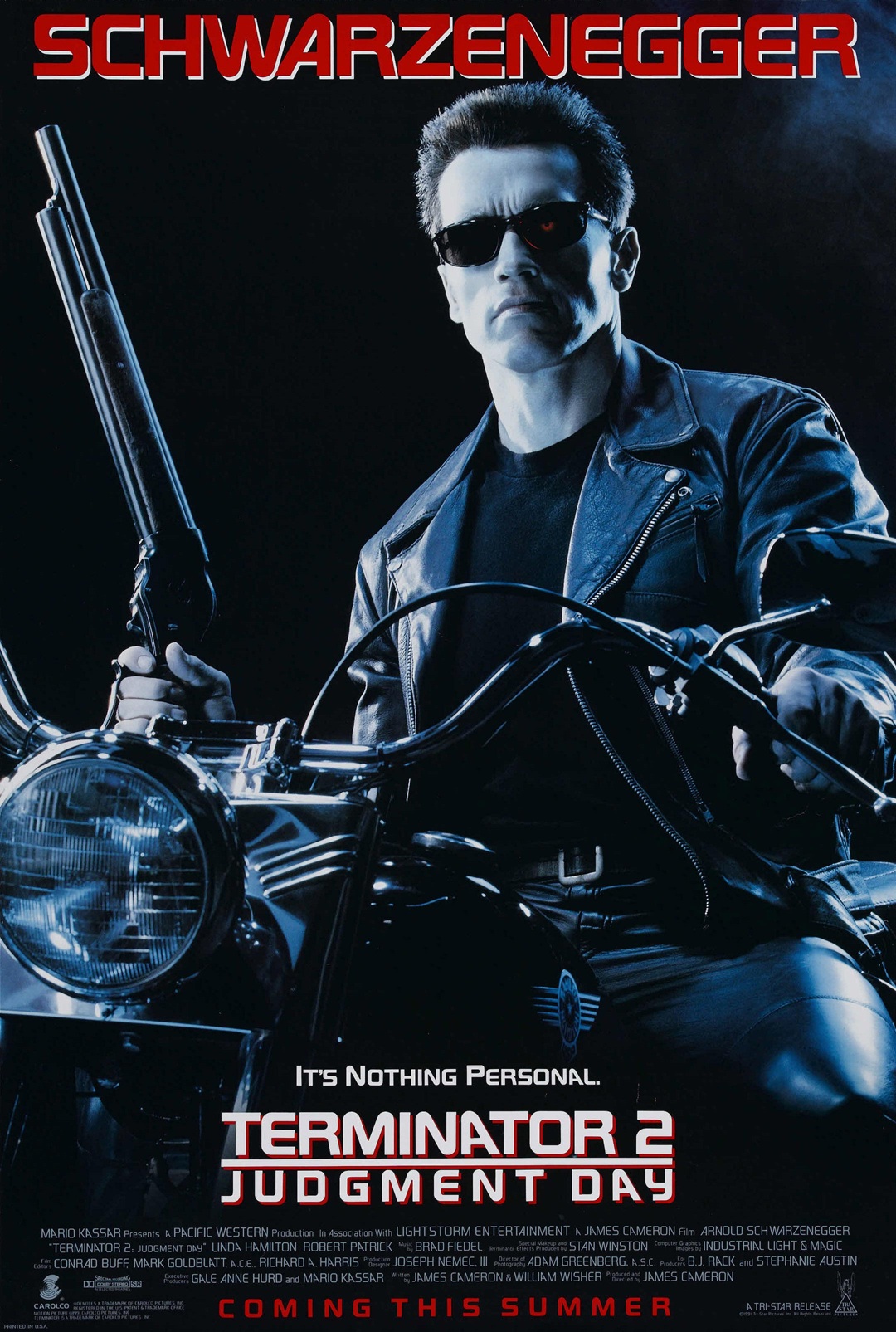
In Terminator 2: Judgment Day, two machines come from the future with different missions. One is a liquid-metal assassin sent to kill John Connor, a boy destined to lead the human resistance. The other is the familiar Terminator, this time sent to keep him alive. John knows more about the future war than he should, and his mother Sarah has spent years preparing for it so intensely that she is barely connected to ordinary life anymore.
This movie belongs here because it turns that chase into something bigger than a battle between machines. The T-1000 can melt through bars, copy almost anyone, and keeps coming even after damage that would stop anything else, but the special effects never overshadow the people at the heart of the story. John finds an unexpected sense of stability in the T-800, while Sarah has to reckon with what fear has done to her. The trucks, motorcycles, factories, and Los Angeles freeways around them feel real and worn, making the escapes seem hard-won. It’s a science-fiction action movie with blockbuster and the emotional depth of a family story.
Thelma & Louise (1991, Ridley Scott)
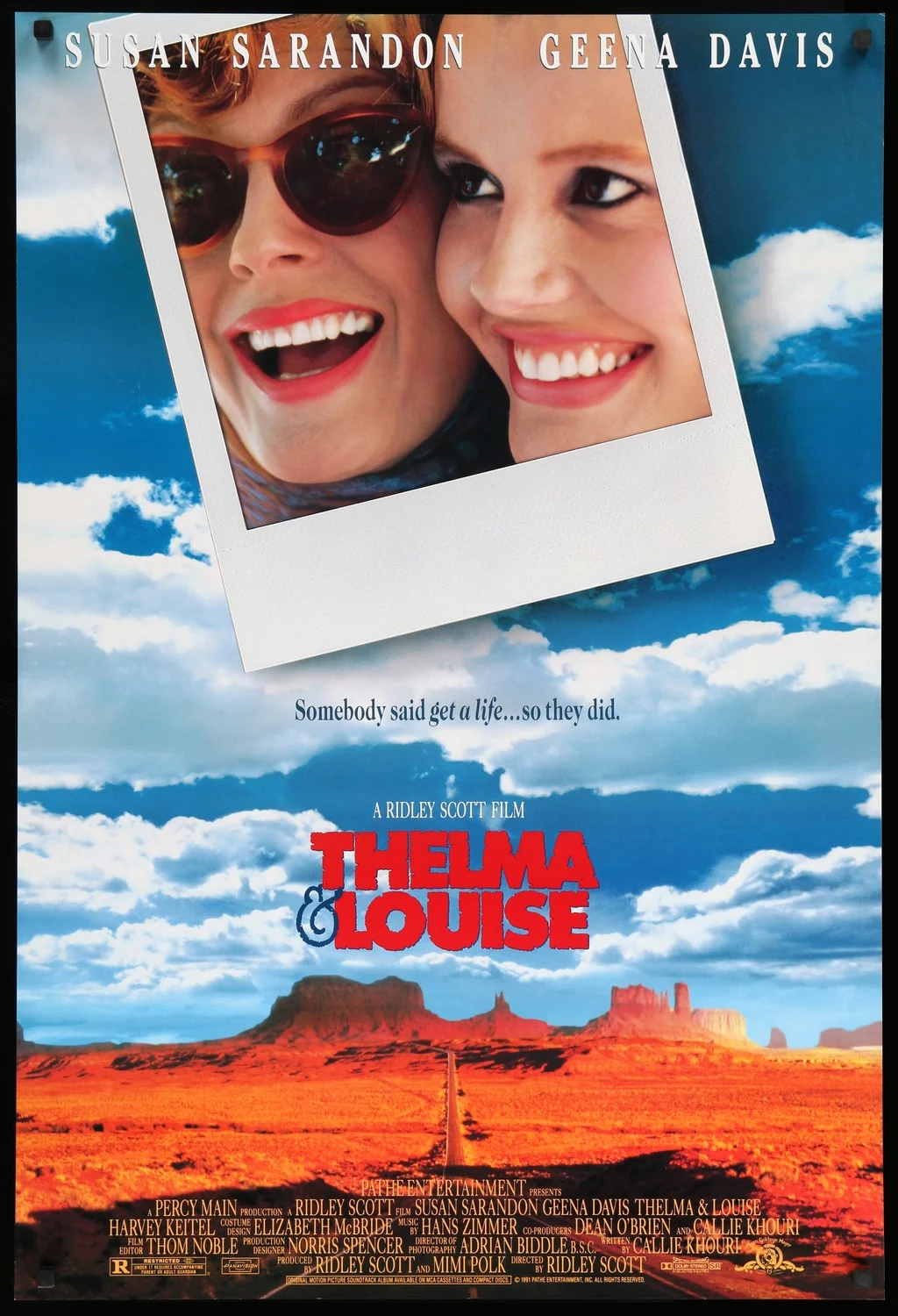
Thelma and Louise set out on a weekend fishing trip to escape their stalled, ordinary lives. It’s supposed to be a simple getaway. Instead, a violent roadside encounter changes everything, and the two friends find themselves unable to simply go home. What follows is a cross-country run from the law, with fewer options ahead of them every mile.
What makes Thelma & Louise work so well is how naturally it keeps changing: funny, then tense, then exhilarating, then tender, sometimes in the same scene. It takes the classic outlaw road movie and strips out the leisurely detours, so every choice permanently burns a bridge behind them. Susan Sarandon and Geena Davis make the friendship feel lived-in, and watching Thelma transform from timid housewife to a fearless force happens in front of you. Ridley Scott gives the road itself the same mythic scale directors always have, except here it stops meaning freedom and starts you wondering how exactly is this movie going to end?
Unforgiven (1992, Clint Eastwood)
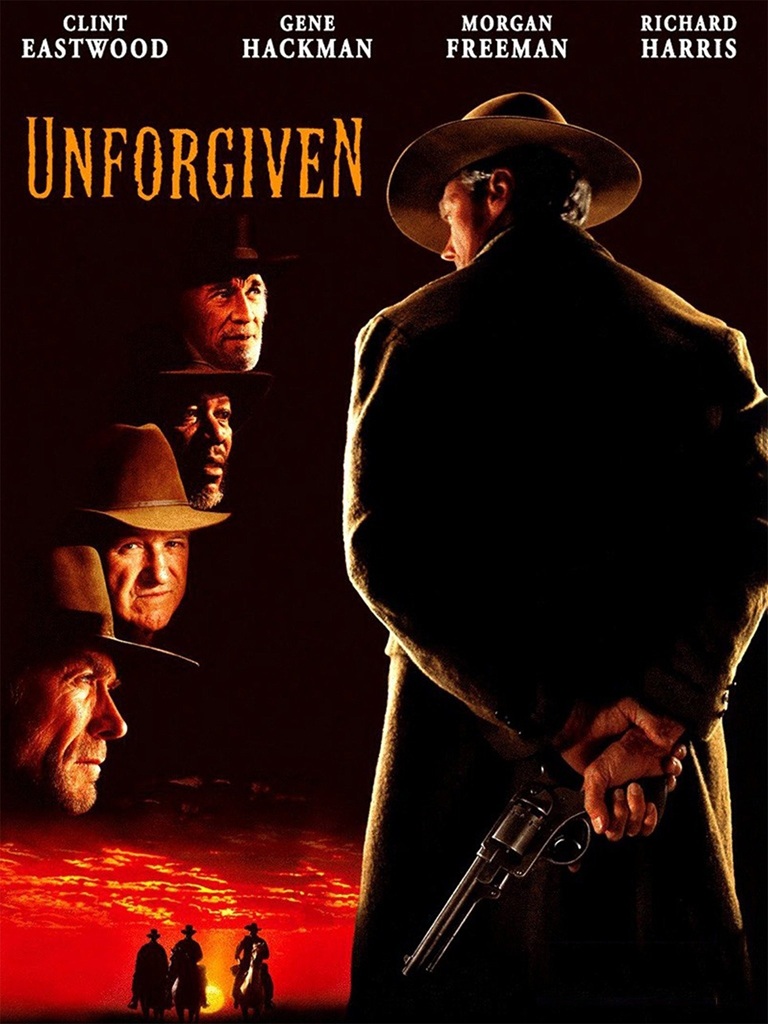
This is one of my three favorite westerns. Clint Eastwood plays William Munny, an aging former outlaw trying to raise his children on a failing pig farm. When women from a Wyoming brothel offer a reward for the men who hurt one of them, but he needs the money and decides to help. He sets out with an old friend and a young gunman who has heard tales of his past. In town, Sheriff Little Bill Daggett is waiting, determined to keep order in his own harsh style.
Unforgiven stands out because it avoids making the usual Western themes—revenge, justice, violence, tough gunmen—look glamorous. The gunfights are clumsy and scary, reputations are often based on lies, and every violent act leaves a mark on someone. Gene Hackman plays Little Bill in a way that feels both real and disturbing, while Munny’s return to his old life adds a growing sense of unease to the story.
Groundhog Day (1993, Harold Ramis)
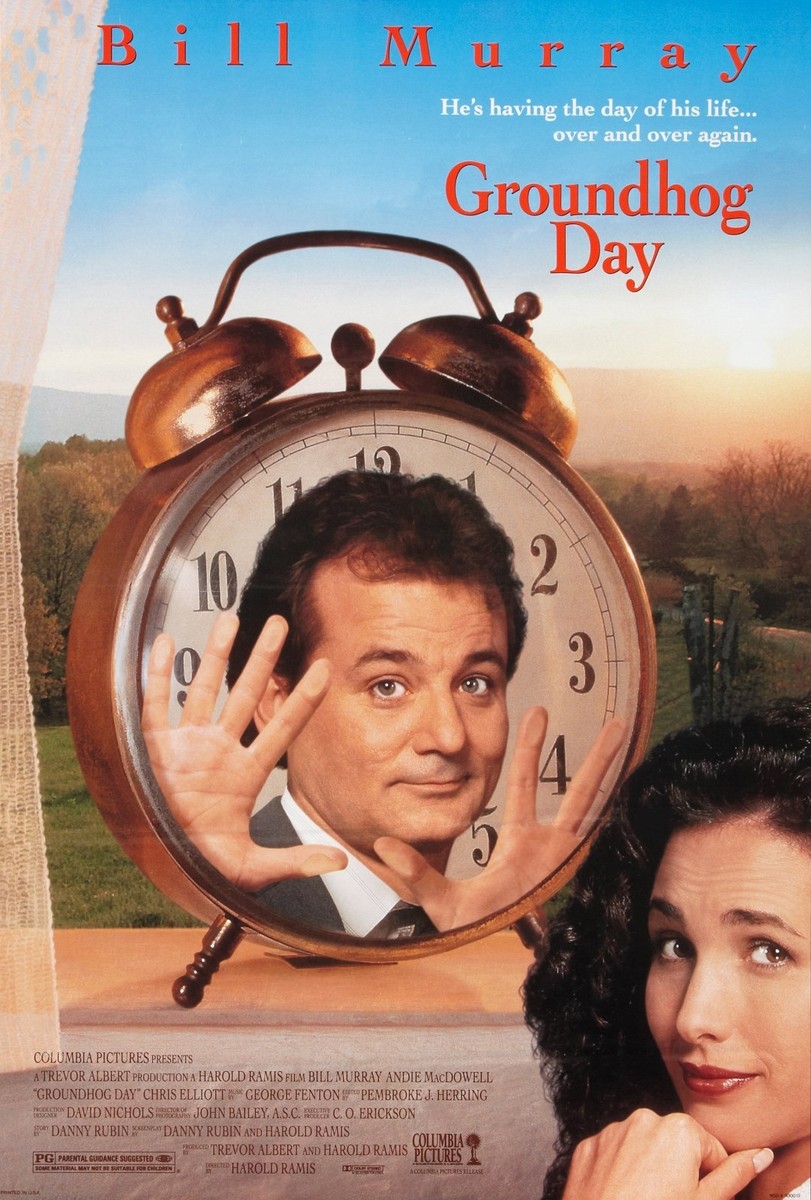
Phil Connors, a Pittsburgh weatherman, dreads his yearly assignment covering Punxsutawney’s Groundhog Day. He wants to do the report, leave town, and escape the annoyingly cheerful locals. But when a blizzard forces him to stay overnight, he wakes up to find it is February 2 again. No matter what he tries, he’s stuck living the same day over and over.
Groundhog Day belongs here because it takes a simple comedy setup and keeps finding new ways to use it. The loop pushes Phil to his worst before giving him a chance to become kinder, and Bill Murray makes every version of him—smug, unhappy, reckless, lonely, and eventually changed—feel like the same man. The idea has been copied evwe since, but few movies have used it as well for comedy, romance, and the odd question of what you would do if tomorrow never came.
Jurassic Park (1993, Steven Spielberg)
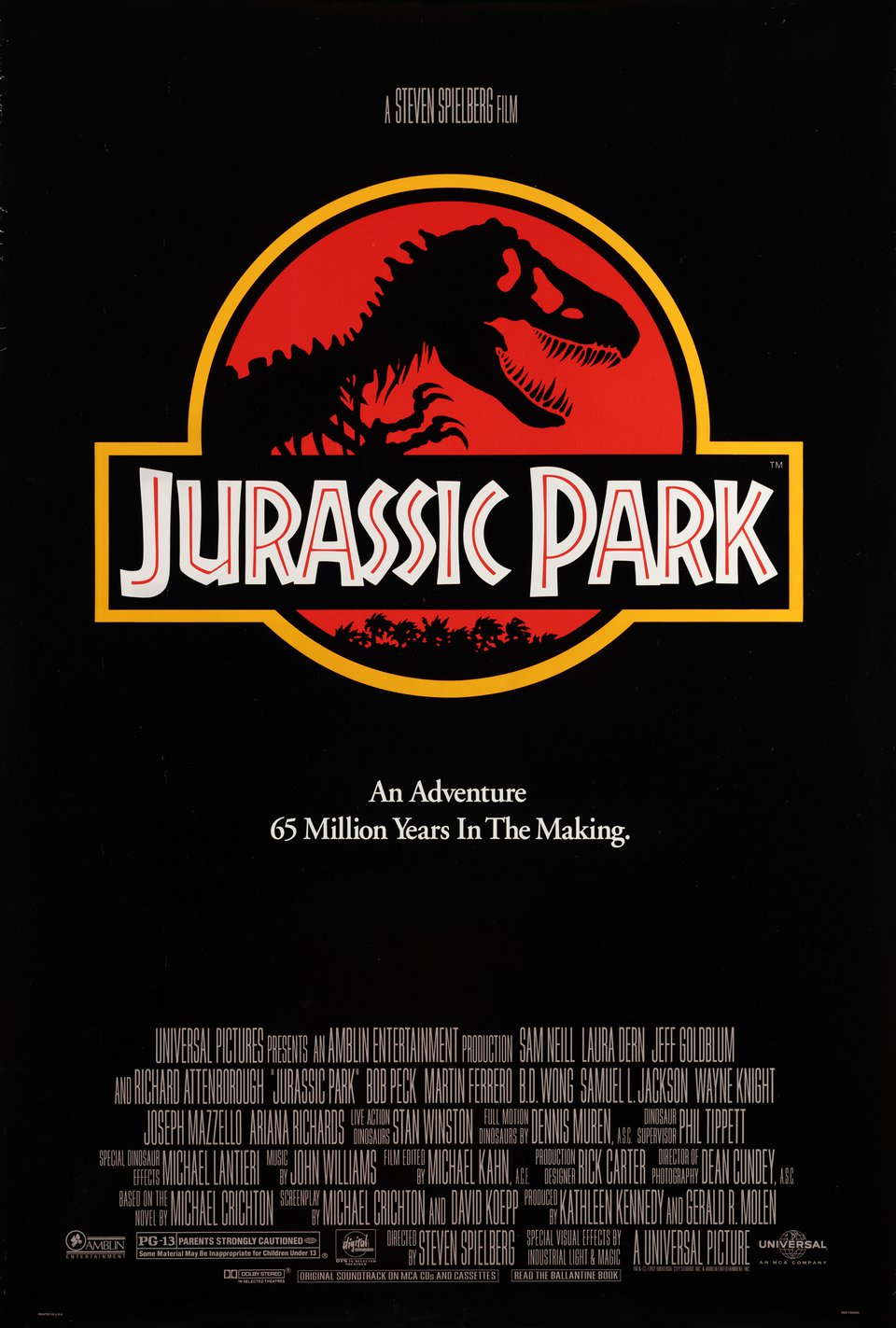
Jurassic Park begins with a billionaire unveiling a remote island park where scientists have brought dinosaurs back to life. Before the gates open, he invites a few experts and his grandchildren to take a look around. At first, it feels like a great discovery: massive creatures walking through the landscape, close enough to touch. Then a storm rolls in, the park’s systems fail, and the people who came to inspect the attraction find themselves stranded with animals no one was ever supposed to meet.
It belongs here because it understands that the dinosaurs have to inspire awe before they can inspire fear. A ripple in a cup of water, movement in the trees, or a sound off in the dark can make the whole island feel unsafe. The creatures still have a startling physical presence, and the movie turns its grand idea into an adventure about curiosity, greed, and the boundaries of human control.
The Fugitive (1993, Andrew Davis)
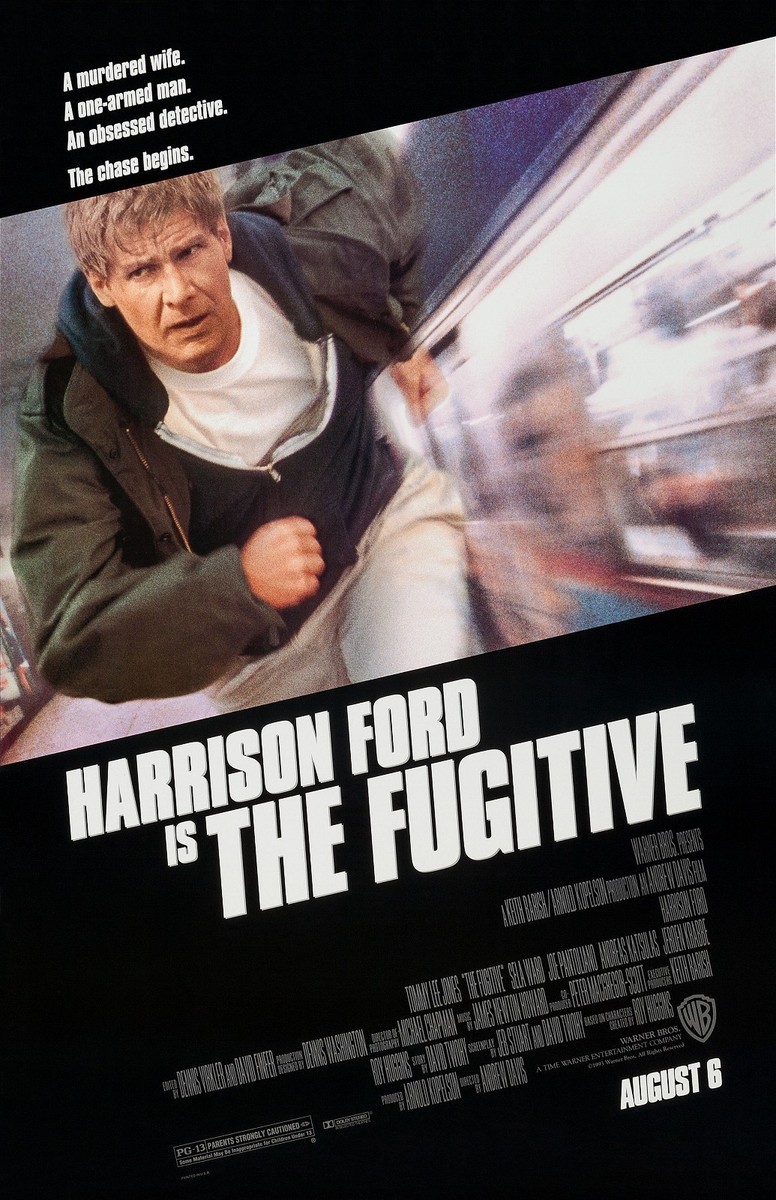
The Fugitive starts with surgeon Richard Kimble being wrongly convicted of his wife’s murder and sentenced to death. After surviving a catastrophic prison-transport wreck, he disappears into the city on a two-front mission: evade a federal manhunt and use his medical skills to find the real killer.
It belongs here because the chase runs on pure competence rather than Hollywood cheats. Kimble survives not as an action hero, but as an observant, exhausted doctor whose investigation continually expose him to capture. On the other side, U.S. Marshal Sam Gerard chases him with methodical professionalism–he’s not corrupt and he’s not stupid. With virtually no dead air and a beautifully balanced duel between Harrison Ford and Tommy Lee Jones, it is an exceptionally accomplished studio thriller: a high-velocity pursuit machine that never loses its human soul.
Schindler’s List (1993, Steven Spielberg)
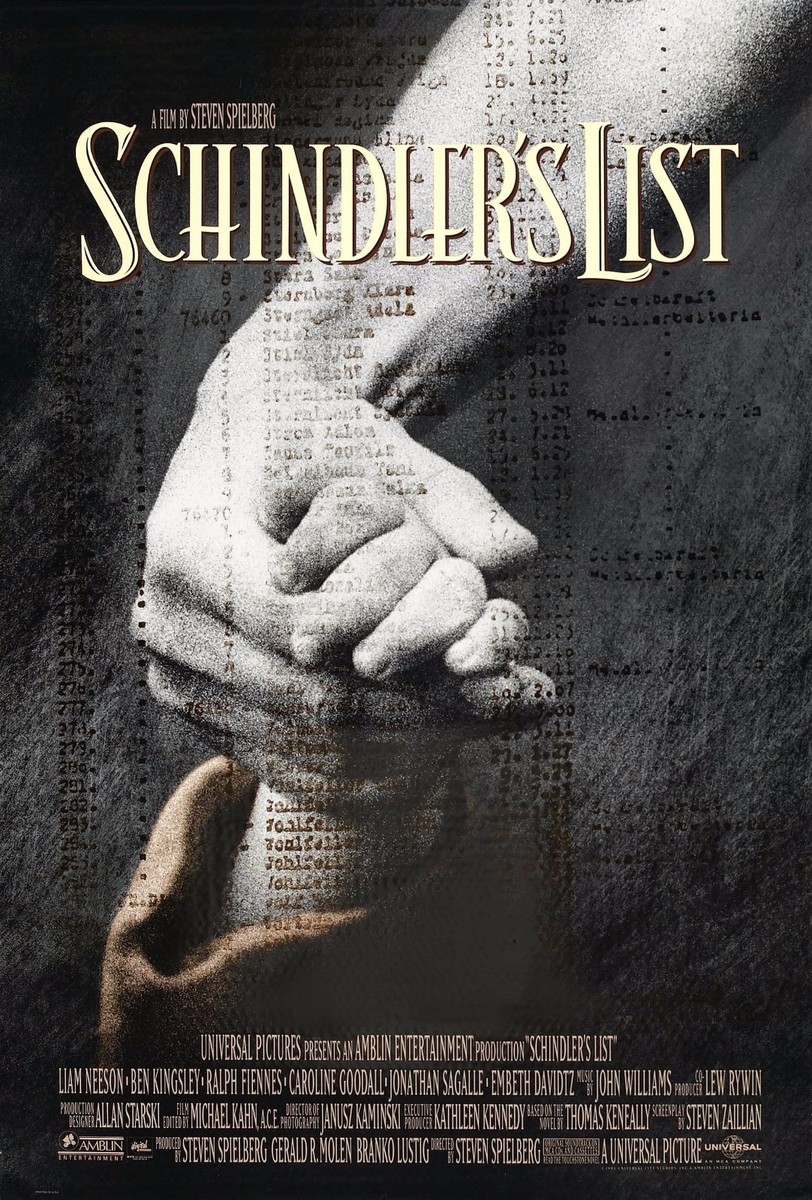
This one gets my vote for movie of the decade. Schindler’s List starts in German-occupied Kraków, where Oskar Schindler views the war as a chance to make some money. He is charming, has good connections and knows how to win over Nazi officials, so he opens a factory and hires Jewish workers from the ghetto. As the occupation becomes more violent, his business, which began for profit, forces him to face a difficult question: what can one person to help the people being destroyed around him?
This film matters because it makes the Holocaust feel personal, but it doesn’t pretend the story is only about one person. Schindler is not a perfect hero, and the film shows that his change does not erase the system he is part of. Ben Kingsley brings a quiet moral center to the story as Itzhak Stern, while Liam Neeson shows Schindler slowly learning that his charm and connections can help others. The black-and-white film make the city, the factory, and the crowded lives feel almost unbearably close, turning history into something immediate instead of distant.
That’s the end of the 80s and the beginning of the 90s. In my next post we’ll come to the end of our tour and finish out the 20th century’s list of the best movies that are worth watching without needing any era-based forgiveness, or even particular in classics to enjoy. Part 8 is out now.