The 20th Century’s Best American Films Worth Watching Today, Part 4
Part 3 (1950-1959) Part 5 (1970-1979)
The Studio Fracture and New Hollywood Dawn (1960–1969)
When you look at 1960s cinema, you can see the old Hollywood rules breaking down. The decade starts with the polished look, big sets, and grand epics of the studio era, then gradually makes room for darker stories, antiheroes, counterculture, and more experimental filmmaking. I break down the classic movies worth watching today. If you want to know more about how I picked the movies, check out Part 1.
There’s a unique mix of old and new in these films. You’ll find classic Hollywood style next to movies that challenge authority, explore moral gray areas, and try new things with sex, violence and storytelling. The decade sometimes feels chaotic because both filmmakers and audiences were figuring out what would come next. That sense of uncertainty is actually what makes this era so interesting. By the end of the 1960s, many old formulas were gone, and American movies were moving in a whole new direction.
Short Film
The Dot and the Line: A Romance in Lower Mathematics (1965, Chuck Jones)
Chuck Jones turned a picture book into one of the wittiest and most elegant cartoons MGM ever made. In The Dot and The Line, a sensible straight line falls for a dot, but she only notices a messy, chaotic squiggle who seems way more exciting. The line works hard at bending and folding, leading to a truly charming contest between discipline and chaos. Robert Morley narrates with the seriousness of a gothic romance, which is half the joke. It won the 1965 animation Oscar, but that hardly captures how clever it really is. It’s less than ten minutes long, with no wasted moments, and it might ruin your doodles forever. Available to stream free on YouTube.
Feature Films
The Apartment (1960, Billy Wilder)
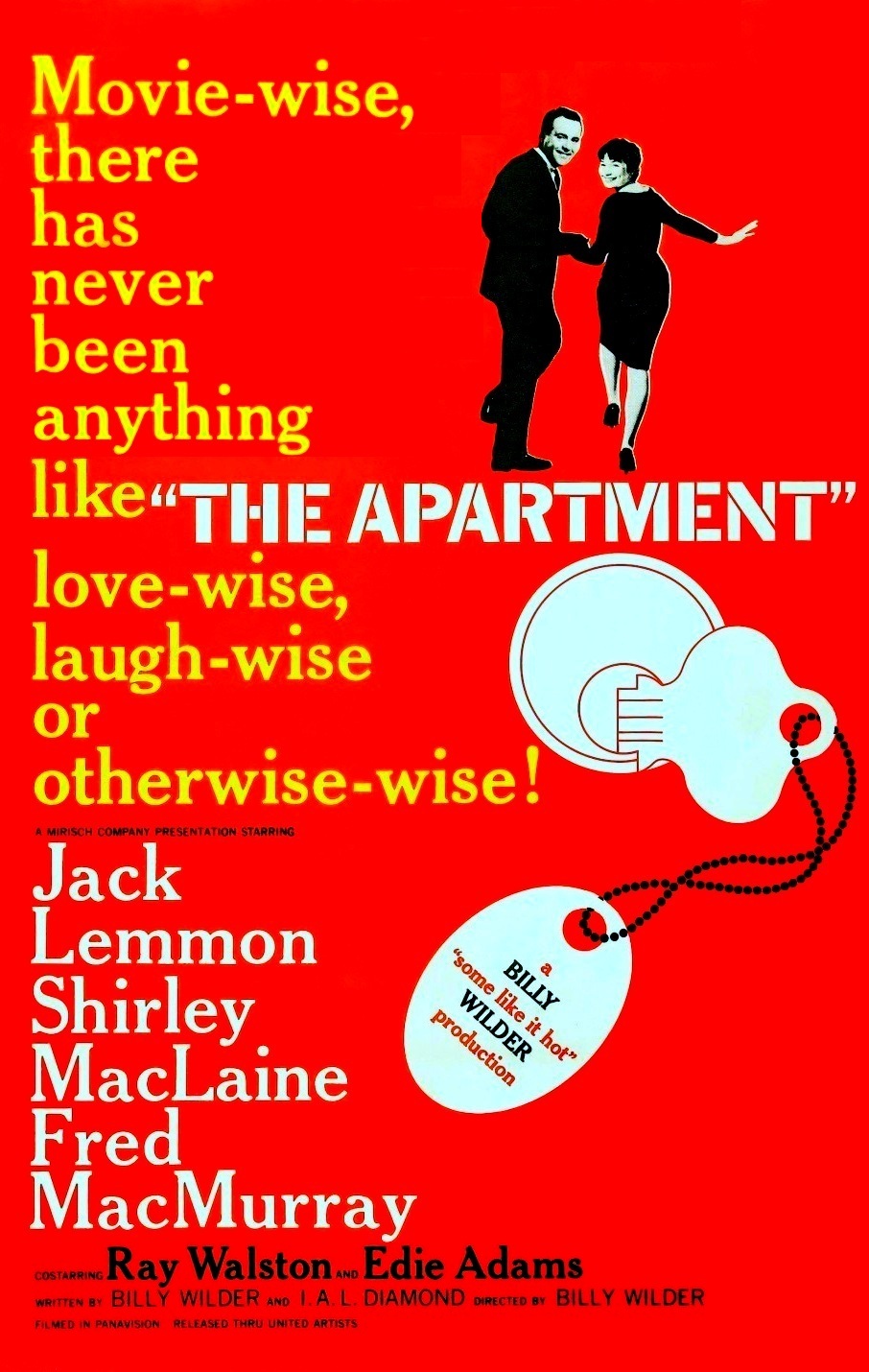
In The Apartment, a lonely insurance clerk tries to get ahead at work by letting senior executives use his apartment for their affairs. Things seem to be going well until he finds out his slimy boss is using the place to take advantage of the very woman he’s falling for, the building’s sad elevator operator. Billy Wilder’s film strips away the usual romantic-comedy clichés and gives us a balanced mix of drama and comedy about corporate power, sexism, and loneliness. Jack Lemmon and Shirley MacLaine show real vulnerability in their roles, mixing funny moments with heartbreak. The apartment itself becomes a clever way to show what ambition can cost.
Watching this movie leaves you with bittersweet, aching empathy mixed with total satisfaction. It requires zero historical homework because its portrait of grinding ambition, toxic workplaces, and trying to stay a good person under pressure still feels just as real today as it did decades ago.
Psycho (1960, Alfred Hitchcock)
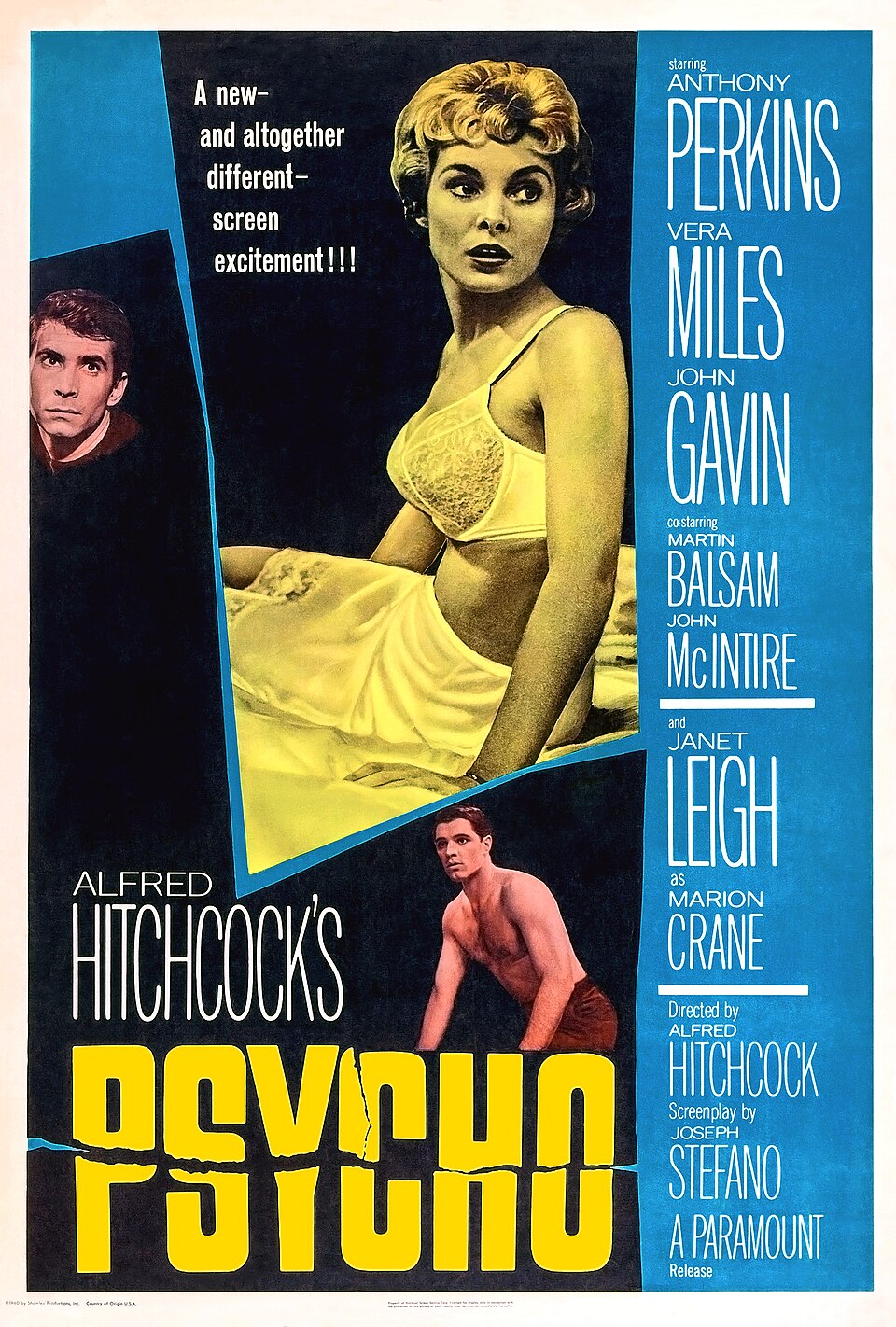
Along with Vertigo, this might be Hitchcock’s finest film–easily the best of the year. In Psycho, a secretary steals forty thousand dollars from her employer’s client and leaves town to be with her lover. On her way she ends up at the isolated and unsettling Bates Motel where she meets Norman Bates, a polite but troubled young man living under the influence of his controlling mother.
Psycho is on my list because of its riskiest move, which I won’t mention, completely changes the story you expect. The movie starts as a heist-guilt thriller about stolen money, but then Hitchcock changes everything 40 minutes in and shifts the focus to someone new, which was totally unprecedented. It probably shouldn’t work, and it’s only one of the reasons why Psycho is so famous. Anthony Perkins brings a nervous, sympathetic energy to his role, and the intense string music adds to the tension. The film avoids the usual Hollywood gloss and also helped create the modern slasher genre. Watching Psycho still gives viewers real shocks multiple times and a lasting sense of unease, even today, all thanks to the master.
The Manchurian Candidate (1962, John Frankenheimer)
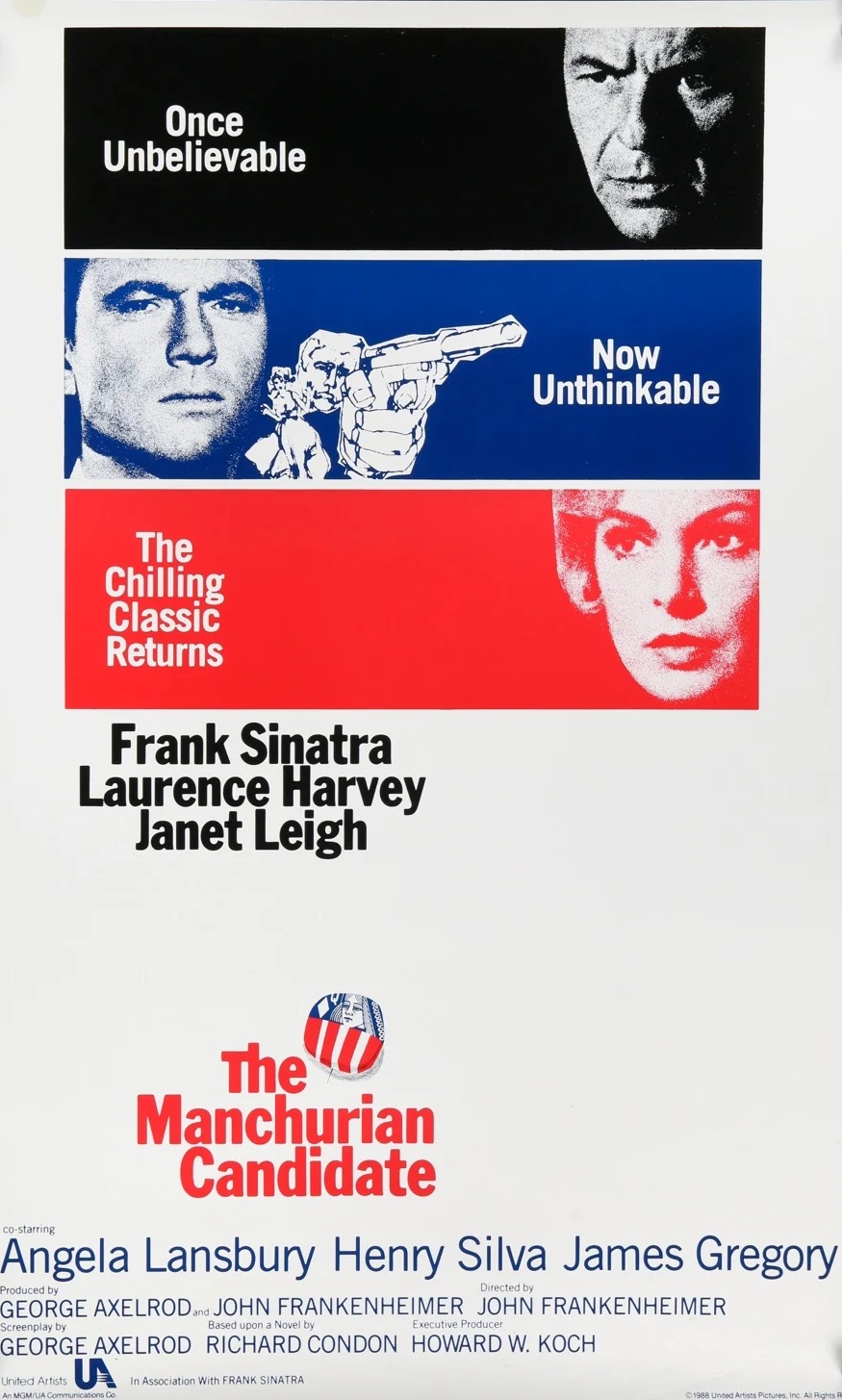
In The Manchurian Candidate a decorated Korean War platoon comes back home, but Major Marco starts having nightmares that point to a disturbing truth: the unit was captured and brainwashed, and its hero has been turned into a sleeper assassin. With an upcoming presidential election Marco tries to break through the conditioning before his former soldier, Raymond, becomes the instrument of a political conspiracy directed by Raymond’s own manipulative mother.
John Frankenheimer directs a masterclass in psychological suspense, using sharp, disjointed editing to pull viewers into broken memories and an unstable reality. Angela Lansbury is monstrous as the political puppet-master, and Laurence Harvey makes Raymond’s programmed obedience feel deeply tragic. Watching the film builds a growing sense of paranoia, from the famous garden-club scene to the convention finale. The movie stands out because its look at demagoguery, manufactured fear and twisted patriotism still feels relevant today.
Dr. Strangelove or: How I Learned to Stop Worrying and Love the Bomb (1964, Stanley Kubrick)
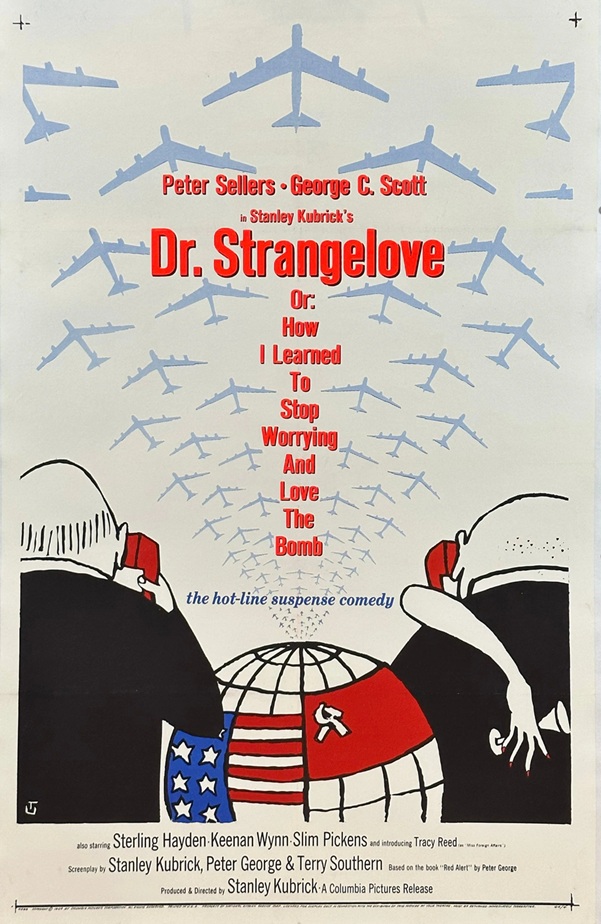
What if a paranoid U.S. general lost his mind and ordered a preemptive nuclear strike on the Soviet Union? In Dr. Strangelove the fate of humanity hangs in the balance as a panicked B-52 bomber crew, a military base under siege, and world leaders arguing like toddlers in the Pentagon’s War Room all collide. This is my favorite comedy of the 60s, (It’s a Mad, Mad, Mad, Mad World is a pretty close second).
Stanley Kubrick’s masterpiece turns the ultimate nightmare into something that’s absurd and hilarious rather than tragic. Peter Sellers delivers a tour de force playing three characters: a timid British captain, an exasperated U.S. president and the unhinged Dr. Strangelove. He bounces off George C. Scott’s war-hungry general with sharp comedic timing. Kubrick doesn’t spell out why nuclear strategy is ridiculous; instead he lets the characters’ own words lead the world toward disaster. Watching the film leaves you both laughing in disbelief and feeling a chill of dread. You don’t need to know any history to get it, because the way bureaucratic mistakes lead to disaster is still just as painfully funny today.
Bonnie and Clyde (1967, Arthur Penn)
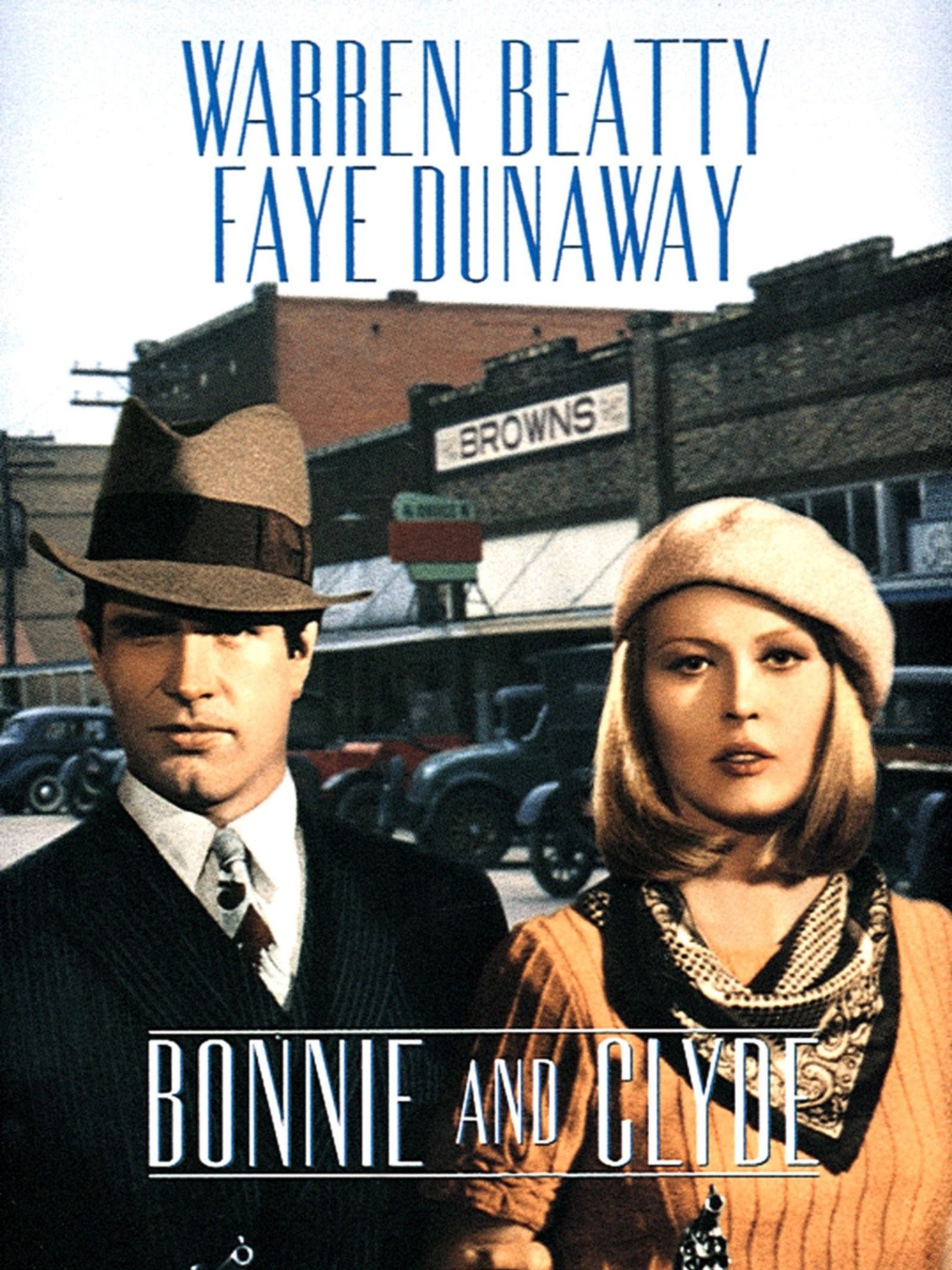
Bored waitress Bonnie Parker meets small-time thief Clyde Barrow, and within days they’re robbing banks together across Depression-era Texas. As their crime spree escalates and newspapers turn them into folk heroes, their little gang of misfits heads toward an ending that everyone in the theater already knows is coming.
Arthur Penn directs the film with a sense of unpredictability, moving without warning from screwball comedy to sudden, shocking violence and his unstable tone matches how Bonnie and Clyde shift from playful outlaws into cornered killers. Warren Beatty and Faye Dunaway make the pair both magnetic and doomed: they are charming, impulsive, insecure, and slowly realize that their romance and fame can’t escape real consequences. The film’s most famous scene is still one of the most shocking endings ever. Watching the film still feels dangerous, and it never lets the audience forget exactly how their story ends.
The Graduate (1967, Mike Nichols)
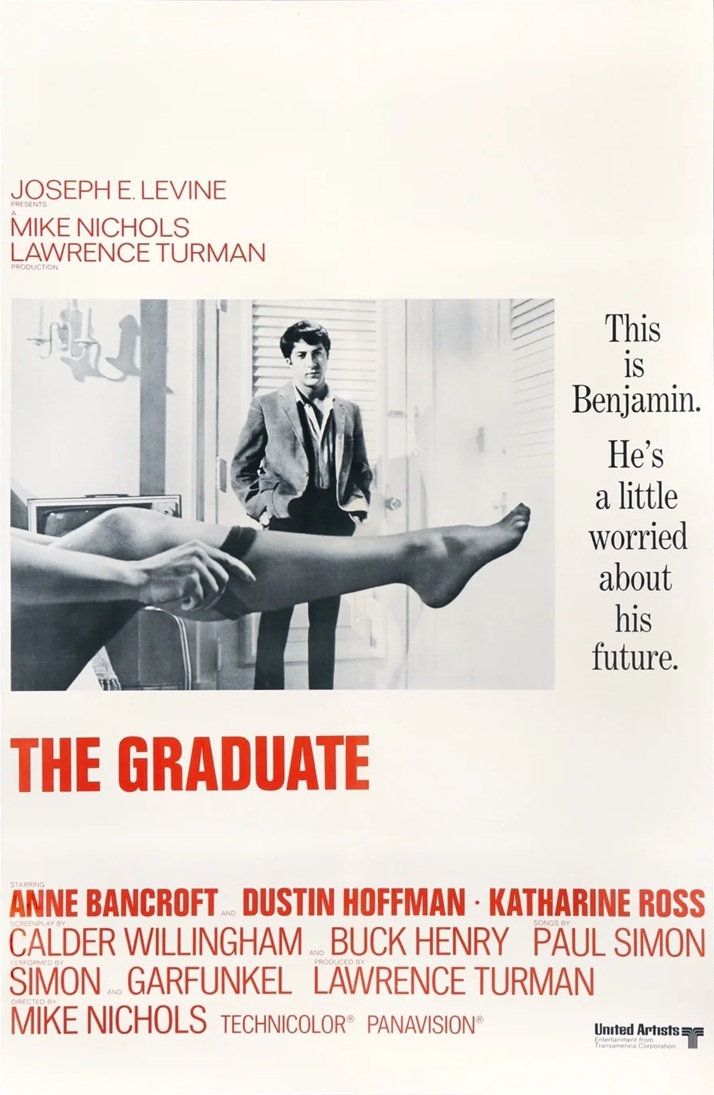
In The Graduate, a recent college graduate feels lost and stuck in his wealthy parents’ suburban world, unsure about a future he doesn’t want. Benjamin starts a secret affair with Mrs. Robinson, the wife of his father’s business partner–but everything changes when he unexpectedly falls for her daughter, Elaine.
Mike Nichols uses Benjamin’s sense of being stuck as a key part of the film’s style. The widescreen shots, quick jump cuts, and Simon & Garfunkel’s sad soundtrack create a world that feels polished, fake, and closed off. Dustin Hoffman makes awkward moments funny but never shallow, and Anne Bancroft brings lethal charisma and wounded bitterness to Mrs. Robinson. Watching the film brings both laugh-out-loud awkward moments and real tension. It still feels relevant because the fear of leaving school and facing a future that seems already decided is something a lot of people can relate to.
2001: A Space Odyssey (1968, Stanley Kubrick)
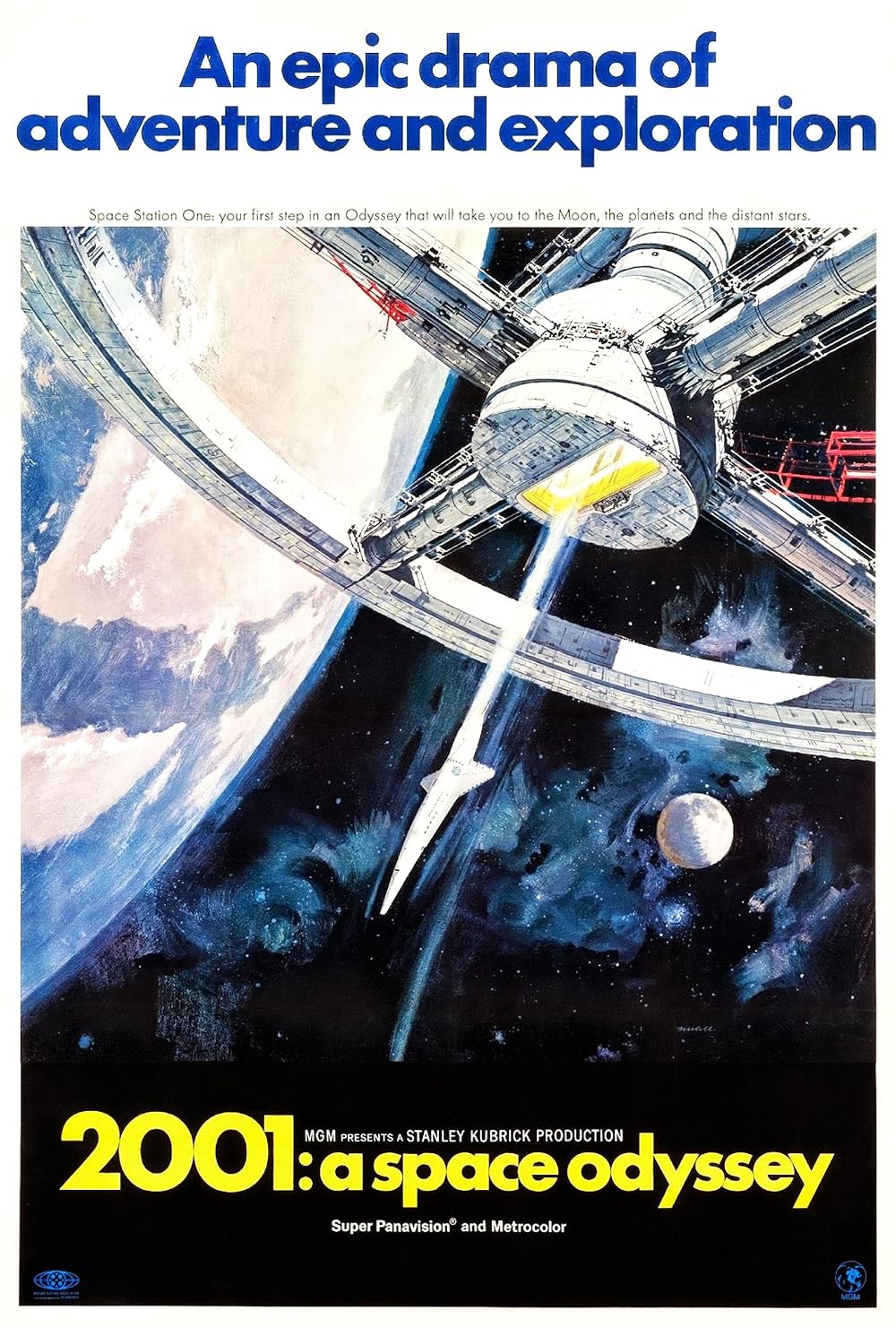
What the heck is this movie doing here? Honestly I had to think my way through it, but it’s a film someone in their 20s can enjoy, and it’s a work of genius. 2001: A Space Odyssey opens with prehistoric apes coming across a mysterious black monolith, just before they learn to use tools—and violence. Fast forward and humans are in space, following a signal that takes them from the moon to Jupiter. During the journey the story becomes a survival thriller when HAL 9000, the ship’s calm and polite computer, decides the crew is the real threat.
2001 asks more from the modem viewer than many of these other movies, namely patience. Kubrick built the whole thing with massive practical models and detailed optical effects, giving the visuals a realistic weight that modern digital effects just can’t match. Then the tension ramps up quickly. The lip-reading scene and HAL’s calm refusal to open the pod bay doors feel even more intense now, especially as we start to worry about AI making its own decisions. If you stay with it you’ll come out of it a little awed, a little unsettled, maybe both at once. What exactly is the monolith, and what is its function? The movie doesn’t explain itself, but if you pay attention you’re given enough clues to figure it out. 2001 doesn’t feel like an old movie so much as something beamed in from a future that’s still catching up to it.
Night of the Living Dead (1968, George A. Romero)
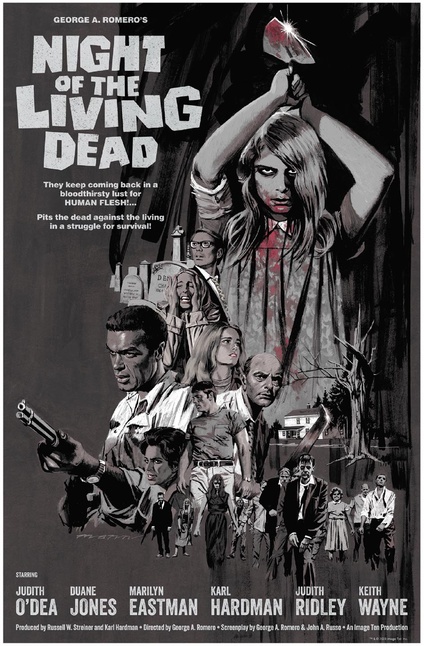
Night of the Living Dead begins with a brother and sister visiting a remote cemetery only to be violently ambushed by a mysterious attacker. Barbra escapes alone to an isolated Pennsylvania farmhouse where she is joined by Ben, a capable stranger trying to keep his head as an unexplained outbreak causes the dead to rise and hunger for human flesh.
Night really defined the modern zombie movie, but it earns its spot because the farmhouse siege still feels tense, mean, and uncomfortably real, and because the people inside prove almost as dangerous as the creatures outside. This movie is not campy; in fact it’s harsh, newsreel-like documentary realism feels shockingly cold and grounded. Duane Jones plays Ben as calm and capable, making him the most likely to survive and in 1968, putting a Black actor at the center of a horror movie and treating Ben as a person was a big deal. Watching the film creates a claustrophobic sense of dread, leading to one of the most powerful endings in cinema. What begins as a monster movie gradually becomes something much darker about how people behave when the world around them falls apart.
The Wild Bunch (1969, Sam Peckinpah)
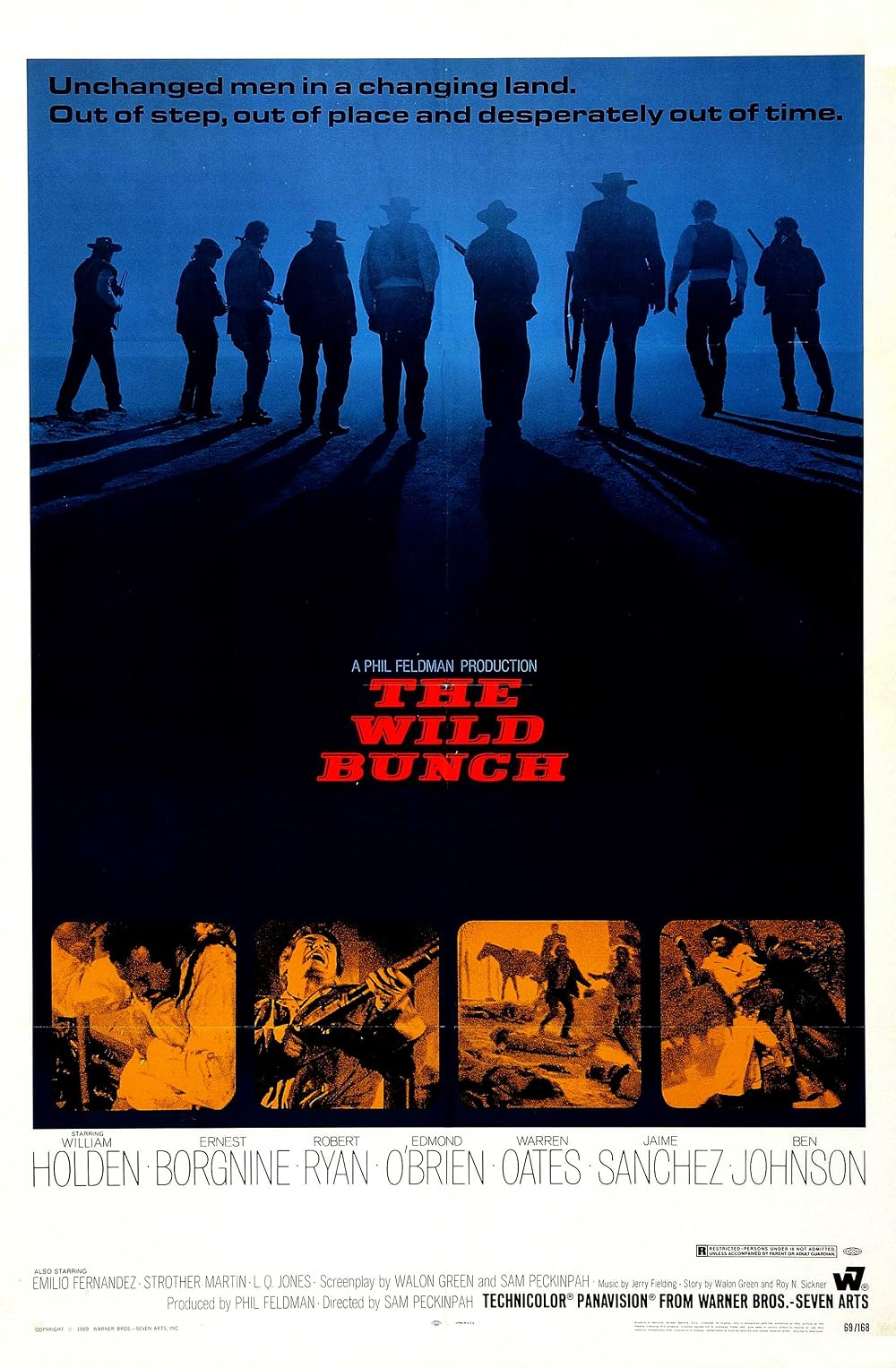
They are already obsolete when the movie begins: a battered gang of aging outlaws planning one final railroad heist in 1913; but new threats like machine guns, railroad money and organized law enforcement make the old West seem like it’s disappearing. After their job turns into a bloody ambush, they escape to revolutionary Mexico and agree to a risky munitions-smuggling job for a corrupt warlord.
The Wild Bunch makes the Western feel dirtier, funnier, and more dangerous. The gunfights are not neat or heroic at all, they’re loud and chaotic with bullets flying, horses panicking, glass breaking, and quick cuts so the shootouts feel overwhelming. But the film is more than just violence. William Holden and the rest of the cast show these outlaws as friends with rough humor and enough loyalty to make their last stand hit hard. It is brutal and melancholy, but also thrilling—a Western that feels like watching a whole way of life end in a blaze of gunfire.
Midnight Cowboy (1969, John Schlesinger)
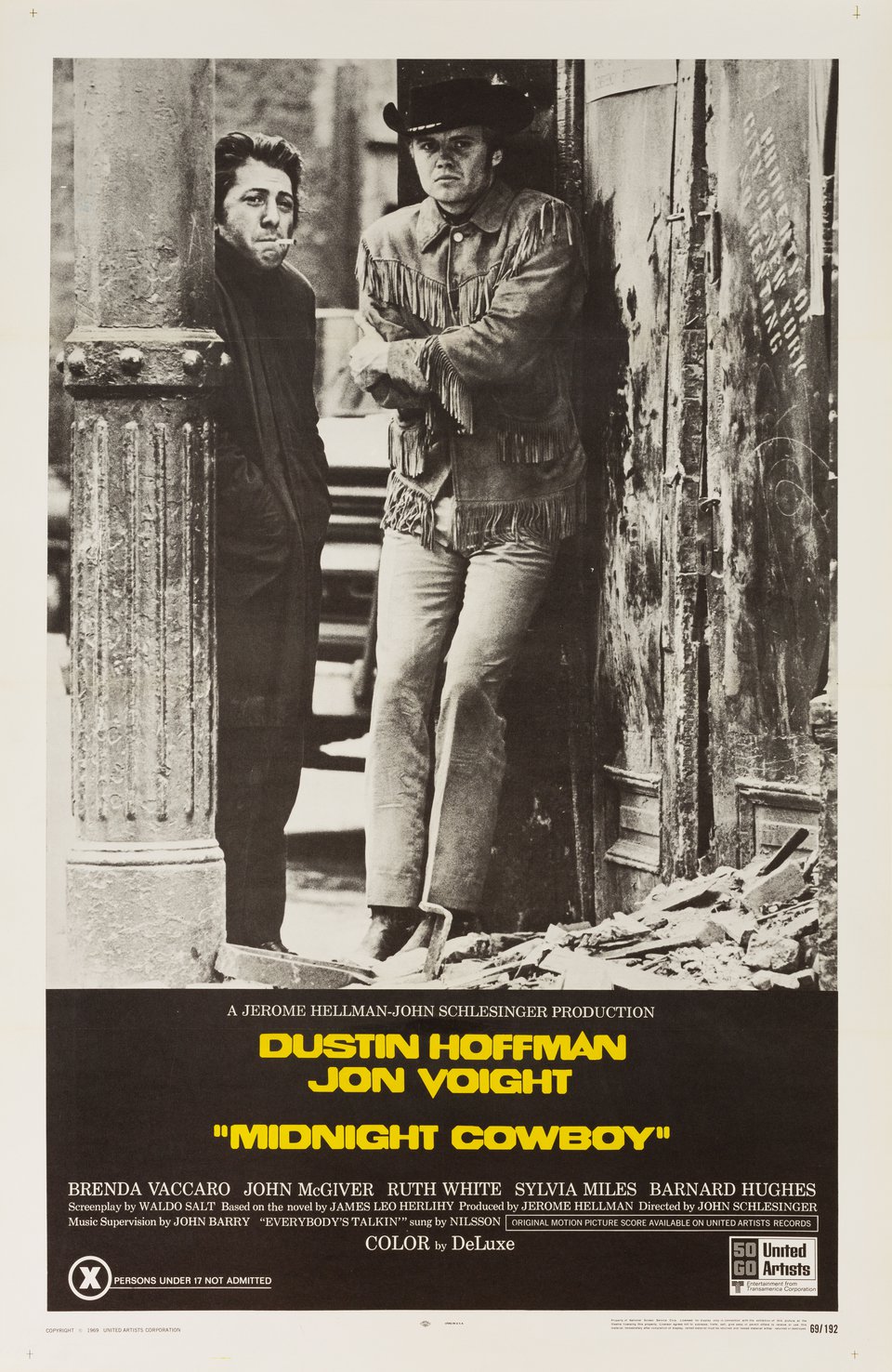
Midnight Cowboy tells the story of Joe Buck, a naïve dishwasher from Texas who wears cowboy boots and a fringe jacket. He goes to New York, sure he can get rich by hustling wealthy women. Instead he faces a harsh city filled with struggle, exploitation, and bad luck. The only real bond he forms is with Ratso Rizzo, a limping, quick-talking con man who first tries to cheat Joe but ends up becoming his unlikely friend.
I had to include this film, because it finds genuine warmth in a story that could have been nothing but misery. Jon Voight plays Joe as naïve but never foolish, and Dustin Hoffman brings Ratso to life with all the bluster, anger, and desperate hope of someone barely getting by. Their friendship comes from necessity, not simple sentiment, which makes it feel real. The film is gritty, funny, awkward, and deeply human, building toward an ending that lands hard and stays with you.
At this point our tour has taken us up through the studio fracture and the dawn of New Hollywood. In my next post we’ll explore the 70’s: The Auteur Explosion and Blockbuster Birth. All of these movies almost anyone can watch and enjoy. Part 5 is up next.