The Top Underappreciated Tabletop RPGs
I’ve been writing several posts about underappreciated video games on various consoles in the past several week. I began thinking, aren’t there underappreciated tabletop RPGs too? Those that are very well-made, creative, innovative, fun, but slid under the radar? There must be hidden gems out there. So I did a lot of research to find these ‘hidden gem’ TTRPGs. I’ve divided them into tiers, as is my norm.
I call a TTRPG underappreciated if it has really smart design, a new idea, or real craft, but never got the attention it deserved. I rely on solid evidence, not just nostalgia or how much a game costs. I screen for obscurity, cult recognition, commercial performance, contemporary quality evidence, modern playability, and retrospective saturation. I also judge on a curve, because a small press game fading away means something different from a major publisher release doing the same.
Finally, heads up—I earn a small commission if you buy anything through my links. No extra cost to you, and it helps support the site!
Tier A – Deep Underappreciation
Part Time Gods (Third Eye Games)
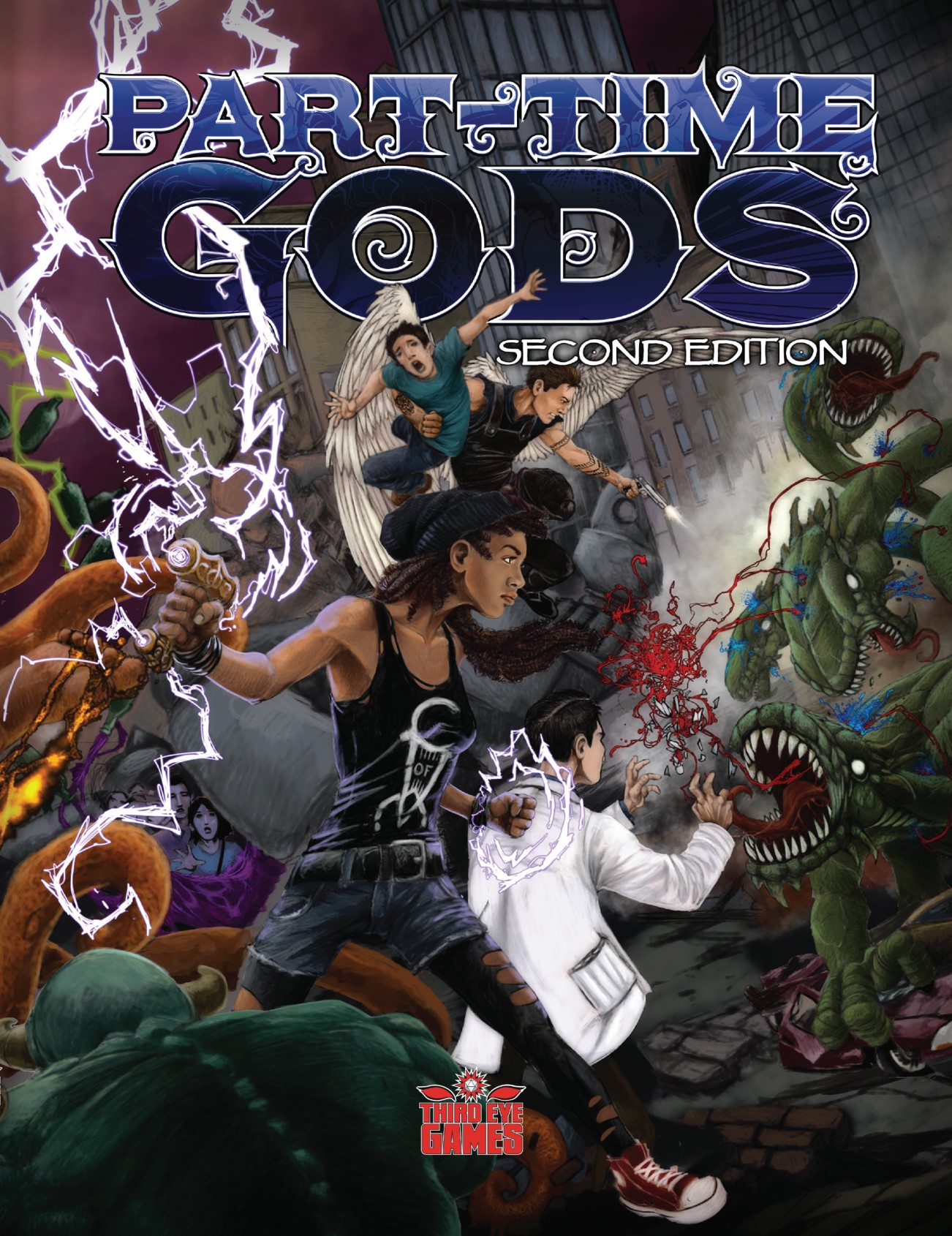
Part-Time Gods doesn’t just ask what if mortals could become gods, it asks what happens when divinity comes with human complications–like paying rent. This criminally underappreciated gem from Eloy Lasanta and Third Eye Games forces players to juggle divine duties and mortal responsibilities. Defend mystical Territories, but also maintain day jobs and relationships—connections that literally anchor their humanity.
The Second Edition streamlined the original’s DGS-Lite system into elegant d10 pools, adding smart mechanical touches like Bonds that fray when neglected and neighborhood-scale conflicts that feel personal. Players claim divine Dominions, align with secret Theologies, and face the constant tension between godhood and grocery bills.
The Kickstarter funded in seven hours, but this RPG is buried beneath D&D’s shadow. Part-Time Gods was ahead of its time: it modeled work-life-divinity balance with actual mechanical consequences. Unfortunately, its take on modern mythology never achieved mainstream recognition. That represents one of the TTRPG industry’s greatest oversights, maximum underappreciation for a game that deserved so much better.
Best for: players who like moral gray zones and messy, small-scale stakes — the kind who’d rather argue over what being a god means than just blast things.
Skip if: your group wants clear goals, big battles, or traditional hero arcs.
Try it with: Wrath of Purity, if you like prewritten adventures. There is also a New Gods Bundle that includes lots of great content at a better price.
ARC: Doom Tabletop RPG (momatoes)
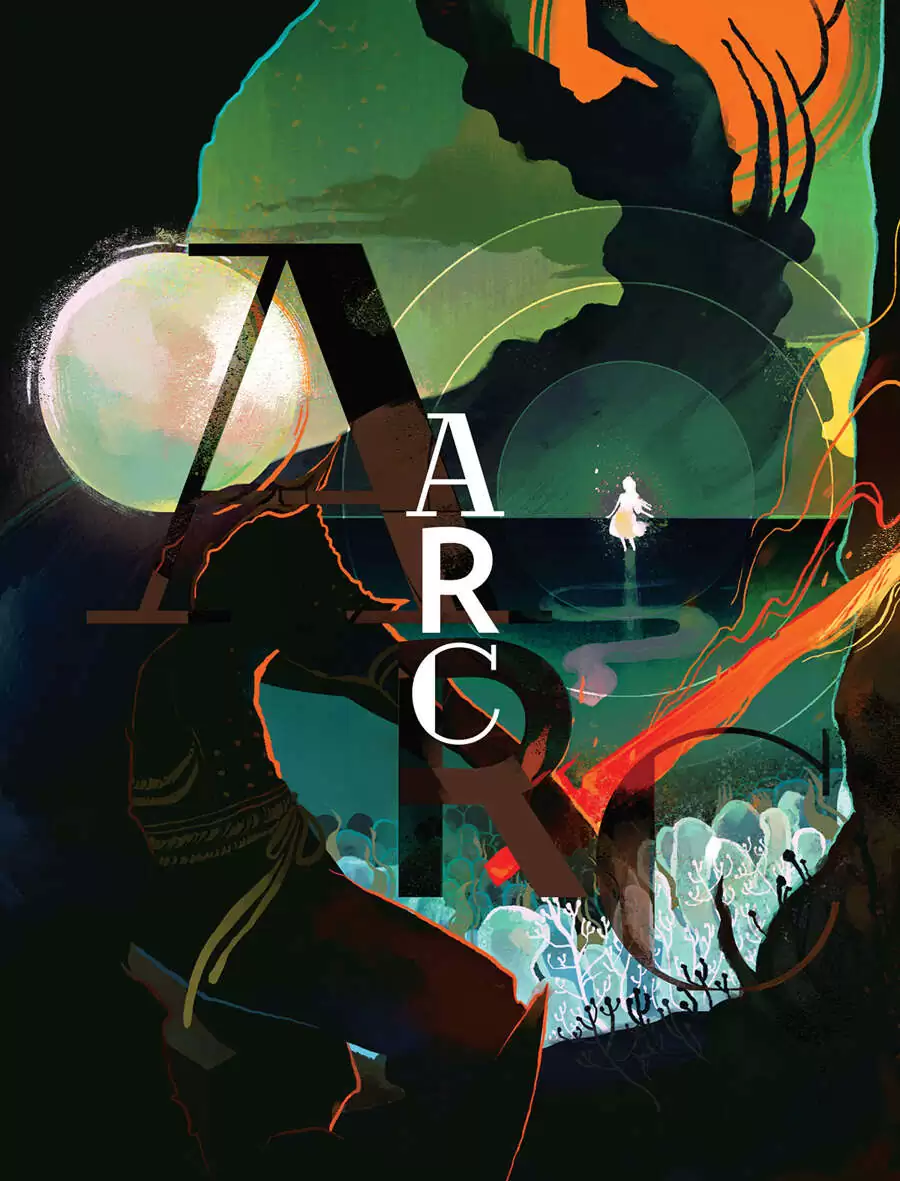
ARC: Doom Tabletop RPG is a brilliant, rules-light game that has a truly original twist, and it has not gotten the recognition it deserves. Designed by Filipino creator momatoes, ARC puts players into apocalyptic fantasy scenarios called “Dooms” and asks them to race the clock—literally. Its mechanic is a real-time Doomsday Clock that advances during your session (not just on turns), so every minute of debate or downtime pushes the world closer to catastrophe. The result is instant tension, faster decisions, and high-stakes play.
Beyond the clock, ARC shines with clean, expressive rules that invite creativity. Players combine flexible approaches (Creative, Careful, Concerted) with their abilities to tackle problems, while an initiative where players declare their intended actions before knowing when they’ll act in the turn order, encourages teamwork. Rest and recovery tie to real breaks, blending table rhythm with in-world pacing. The art draws inspiration from Southeast Asia, giving ARC a unique look.
ARC is available in both hardcover and PDF, making it easy to learn and perfect for groups that want rules-light, tension-heavy storytelling.
Best for: groups that thrive on pressure and emotion. Players who like racing a literal clock, making desperate choices, and treating doom as a storytelling engine.
Skip if: your crew prefers chill pacing, long campaigns, or tactical optimization over gut-punch drama.
Try it with: the free Quickstart Adventure.
Dreams & Machines (Modiphius Entertainment)
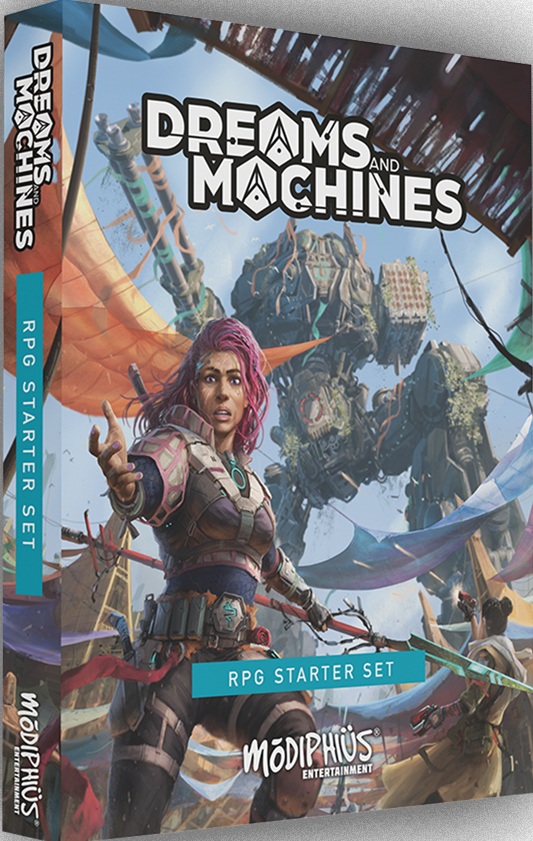
Dreams & Machines carves out a rare niche: a post-post-apocalypse where survival isn’t the endgame, rebuilding is. On Evera Prime players explore the hulks of ancient mechs while founding new communities, trading grimdark despair for a hopeful, collaborative future. It’s called hopepunk.
The mechanics push just as hard as the setting. Spirit works as both your lifeblood and your story fuel, while “Truths” replace XP charts with moments of real character growth. These aren’t just 2d20 tweaks, they’re shifts that make exploring ruins and rebuilding cities feel personal and meaningful.
So why haven’t you heard more about it? Despite glowing reviews, D&M hasn’t caught much buzz in forums, streams, or tables. For a game that makes hopepunk sci-fi actually playable and welcoming to newcomers, that silence feels like a missed opportunity.
If you want to explore machine-haunted ruins while shaping a world worth saving, Dreams & Machines deserves a seat at your table, and way more attention than it’s getting.
Best for: groups that like vibe-heavy, character-first stories. Players who dig strange worlds, emotional beats, and a little mystery over min-maxing.
Skip if: your crew wants clear quests, crunchy fights, or gets antsy when things get abstract.
Try it with: The Starter Set. It has everything you need to get going.
New Game: Coiled.Spæce (AEthercorp Games)
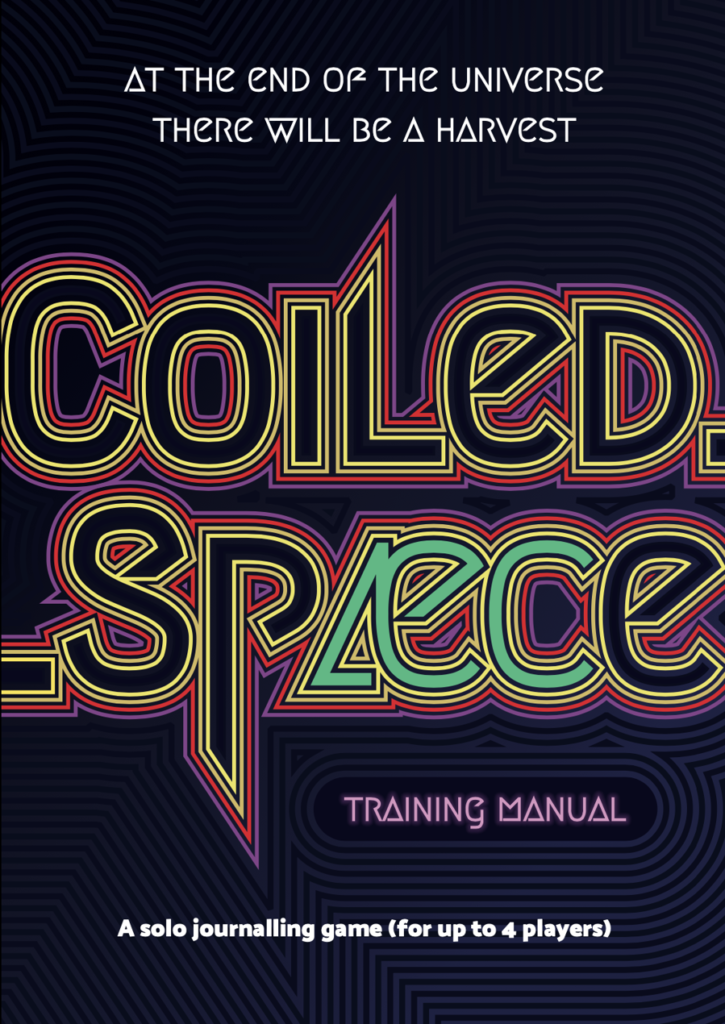
Coiled.Spæce brings together the worlds of Portal and Paranoia at the edge of a collapsing universe. You take on the role of a Harvester for Æther Corp, traveling between unstable worlds to meet energy quotas. Meanwhile, your corporate bosses care little about your safety, mental health, or the strange changes happening to your body. This is a sci-fi journaling RPG for one to four players, built around dark office humor, cosmic horror, and hands-on gameplay.
Instead of just rolling dice on tables, you drop polyhedral dice onto a printed console to track orbital drift and space dangers. Using several dice at once lets you manage multiple ship systems, and choosing corporate perks can change your character in ways that are helpful, unsettling, or both. The game is small, easy to start, and a lot stranger than its small size suggests. It stands out as a hidden gem because its mix of hands-on play, office satire, and relaxed space journaling can be overlooked next to larger sci-fi RPGs.
Horse Girl (Samuel Clarice Mui / Babblegumsam)

Horse Girl is a solo journaling RPG by Samuel Clarice Mui that uses the Wretched & Alone engine to explore themes of coercive control, trauma, and bodily autonomy. In the game, you play as a woman who agrees to move in with the man she loves, but only if she is surgically and psychologically changed into a horse.
The game does not rely on shock value. Instead, it shows psychological decline through gameplay, following both physical changes and the character’s mental state as she loses her sense of self. It remains a hidden gem, mostly known in indie and body-horror RPG circles, and has not become a mainstream solo RPG. This game is not for everyone and should include strong content warnings, but for those looking for a focused and intense psychological horror experience, it is unforgettable.
There are, no doubt, other underappreciated TTRPGs out there. I may post more on this topic later as I find some hidden gems, but for now these are some excellent games that ought to be played and discussed a lot more than they currently are.
What did I miss? Let me know in the comments below and I will check them out.
I want to suggest Part Time Gods from Third Eye Games. I feel it has flown indirectly so many radars. It balances mortal vs supernatural life with mechanical effects that really make the players think about choices.
Thank you so much for the suggestion! I did some research, applied the criteria I use to review games and was surprised to find out it qualified for the highest tier I have. I really appreciate your comment. If I got anything wrong in my review let me know.