
The Most Underrated PS1 Games Part 3
Part 1 Part 2
This is part 3 of the most underrated PS1 hidden gems. I explain my methodology in how I determine which games belong and which don’t in part 1, but to be brief: they need to be underappreciated both at the time of their release and today, have a real gap between sales and quality, and still play well today. This is not a vibes-based approach, I do a lot of research and take a lot of factors into consideration. I should also mention that I am only including games that are considered hidden gems here in North America. If a game was a hit in Japan but barely caught on here, it still would potentially qualify.
My goal is to provide an archive of games that players can look to when they are looking for some good retro gaming action on the PlayStation. Anyway, we’ll continue:
Tier A — Deep Underappreciation
RC de Go! (2000, Taito)
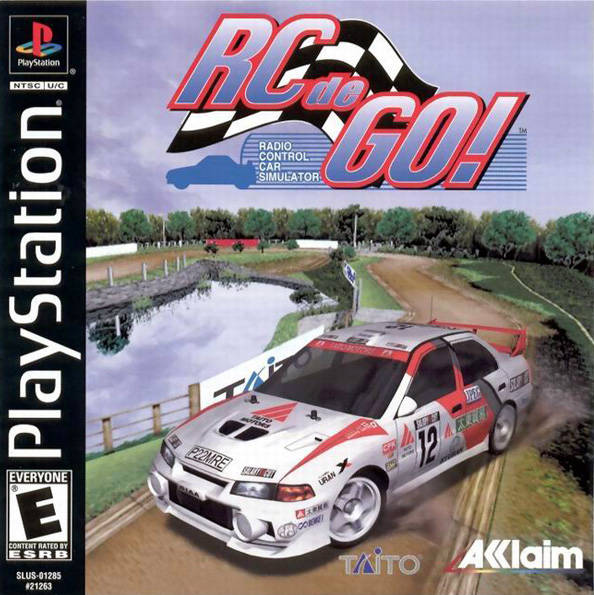
RC de Go! might seem like shovelware at first, but it’s actually one of the PS1’s most unique and surprisingly technical racing games. It trades supercars and big events for radio-controlled cars racing on tracks where grass, dirt, water, and everyday objects turn into huge obstacles. The game’s best feature is its driving perspective. Instead of the usual view from behind the car, you race from a fixed spot next to the track, making it feel like you’re really controlling an RC car. This setup takes a little getting used to, but it avoids the shaky cameras that a lot of 3D PS1 racers have.
The cars aren’t just simple toys either. You can upgrade them, manage batteries, deal with different surfaces, and handle drifting, which adds more depth to the 14 tracks than you might expect. RC de Go! came out right when the PS2 was getting all the attention, so it was unfortunately easy to overlook. The game doesn’t look flashy, but its tight controls, small-scale excitement, and focus on mechanics make it a hidden gem that’s worth checking out–and it’s cheap on eBay.
One (1997, Visual Concepts)
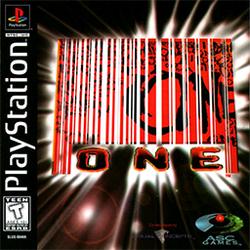
One is a fast-paced shooter about an amnesiac fugitive with a weapon attached to his arm. The game drops you into a dystopian city under siege and centers its action on the Rage Meter. The more aggressively you fight, the faster you move, the harder you hit and the more your weapons stay powered up. This gives One a sense of momentum that was rare for its time. The game blends side-scrolling battles, 3D movement, destructible settings and huge explosions, making it feel more like an arcade action movie than a typical platformer.
The camera sometimes shifts on its own and some jumps are tricky, which can be more frustrating than the shooting, especially in harder parts. Still, these challenges do not take away from the excitement of its best moments. One came out during a busy holiday season and was mostly overlooked, even though it was technically ambitious and had innovative momentum-based combat. The game is a bit rough around the edges, but it’s exciting for players who like speed, action, and some late-’90s style.
Kagero: Deception II (1998, Tecmo)
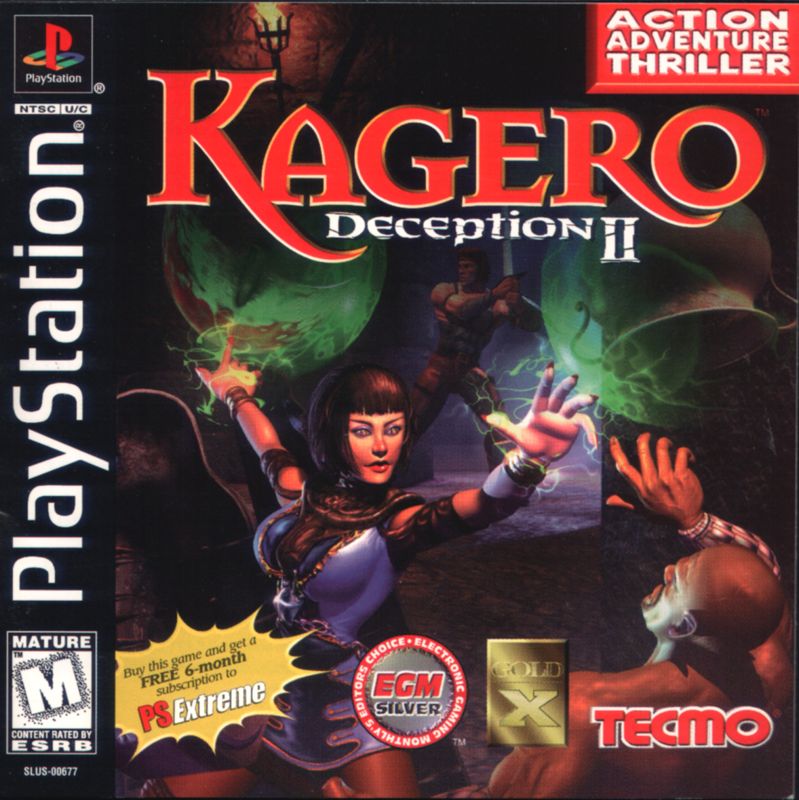
While most fantasy games from this era focus on sword-wielding heroes, Kagero: Deception II does something different. You play as Millennia, a young woman without weapons who defends herself by turning the whole castle into a trap. Instead of fighting head-on you set up elaborate trap chains to catch knights, mages, and monsters—like sending someone into a wall of spikes, dropping a boulder on them, and finishing the job with a bear trap or swinging blade.
That puzzle-box structure is what makes Kagero special. Every room becomes a small tactical problem: where will an enemy walk, which trap will slow them down, and how can one hit push them into the next? Its dark tone, measured pace, and complete lack of direct combat probably made it a difficult sell beside late-’90s action games built around bigger guns and faster swordplay. The controls and menus take some getting used to, and the game expects you to figure things out on your own instead of explaining everything right away. But once you understand how the traps work, Kagero delivers a ruthless kind of strategy that few other games have ever offered.
Deception III: Dark Delusion (2000, Tecmo)
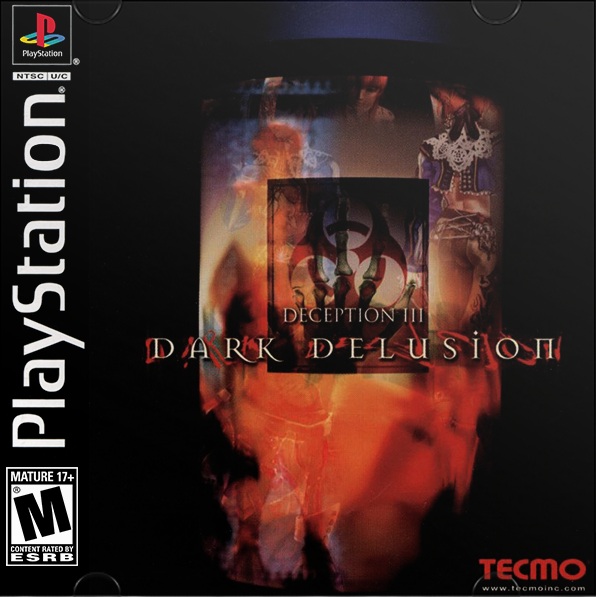
Kagero had great trap-based gameplay but Deception III: Dark Delusion took it further, even as the PS2 started to overshadow late PlayStation games. This fantasy-horror strategy game flips the usual formula. Your character is too weak for direct combat, so each room becomes a puzzle where you use traps to defeat intruders.
You lead enemies through different rooms and set off complex trap combinations, like launching them into spike walls or dropping boulders that trigger swinging blades. Deception III builds on this idea by letting you customize traps, add elemental effects and status changes, take on mission challenges, and use a training mode to practice how everything works together. If you like tactical planning, dark fantasy, and games that reward creative strategies instead of direct fighting, this is one of the PS1’s most unique strategy series.
The Unholy War (1998, Toys for Bob)
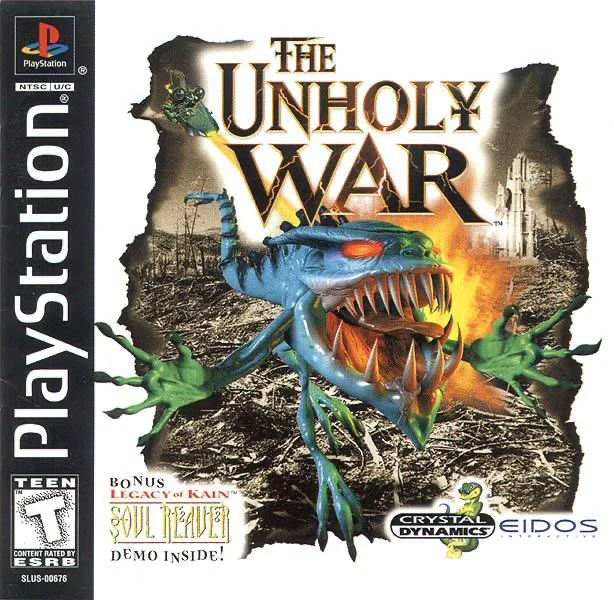
Before Toys for Bob became known for Skylanders it made The Unholy War, a PS1 hybrid that turns a strategy board game into a real-time arena brawler. The cybernetic Teknos and mystical Arcanes fight for territory on a turn-based map and when two units meet, the game jumps right into a 3D fight, so you have to win the battle yourself.
This mix is what makes the game fun. Where you place your units on the map is important, but each one also has unique fighting styles, special moves, and arena strengths. Making the right move can give you a good matchup, while a mistake might put your best unit in a hard fight. It feels a little like Archon on PlayStation, but with faster action and even weirder characters. It was probably hard to market a game that didn’t fit into just one genre back then, but the mix of different unit types, strategy, and head-to-head battles holds up well, especially if you play with a friend.
Herc’s Adventures (1997, Big Ape Productions)
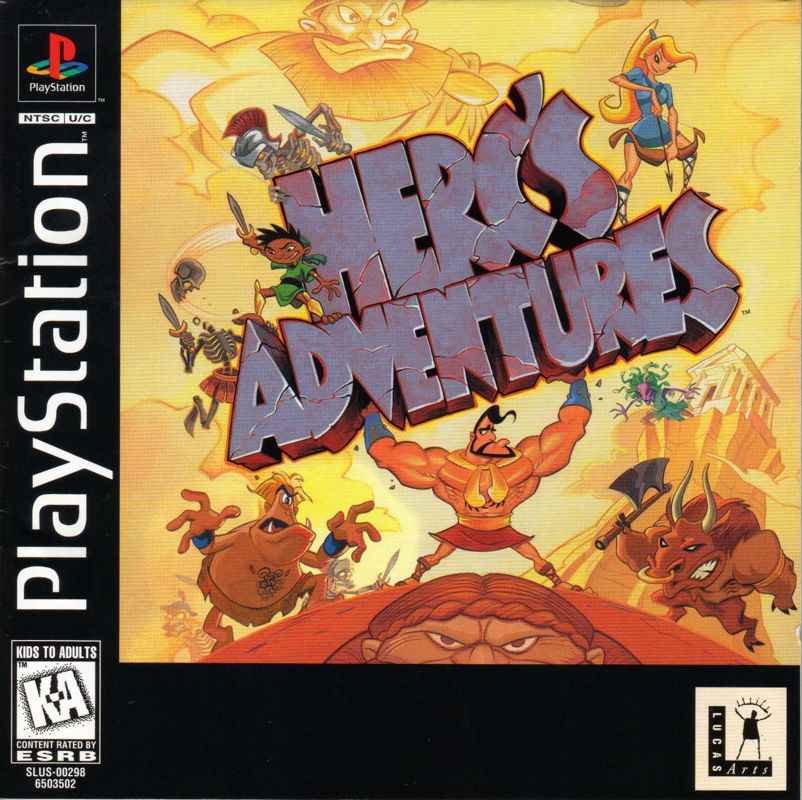
While most of the industry was focused on early 3D games, Herc’s Adventures quietly became one of the PS1’s most colorful and ambitious 2D action-adventures. You can play as Herc, Atlanta, or Jason and hack, throw, and explore your way through a playful Greek-mythology world packed with LucasArts-style jokes, bizarre weapons, and lots of enemies. The world feels surprisingly connected for a game from 1997, and even dying is unique: if you fall in battle, you have to fight your way out of Hades’ Underworld to come back.
The game has the same wild co-op feel as Zombies Ate My Neighbors, but it also brings in unique character abilities, resource management, and a more open world. Sometimes the combat gets repetitive, and it’s not always clear where to go next, but the beautiful hand-drawn art and fun design make it memorable. Lost in the late-’90s wave of Hercules games and fancy 3D graphics, Herc’s Adventures is still a funny and creative cult classic that’s worth playing again.
Ms. Pac-Man Maze Madness (2000, Namco)
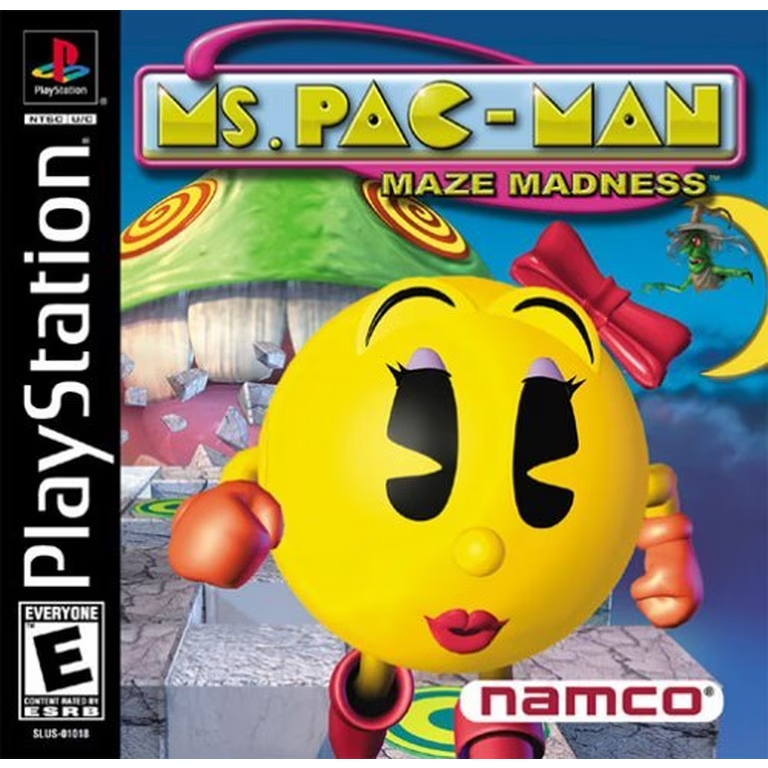
Most retro revivals from the 32-bit era tried to turn arcade classics into awkward 3D platformers, but Ms. Pac-Man Maze Madness did something different. It stuck with the overhead view and created an isometric puzzle-adventure based on the classic dot-munching gameplay. Instead of sticking to static screens you move through multi-level stages filled with moving block puzzles, TNT crates, bounce pads and color-coded gates. The classic ghost-chasing gameplay is still there, now mixed with star collection goals, time trials, and fun four-player party modes. D-pad controls avoid the camera problems common in early 3D games, so it’s still easy to play now.
The game was overlooked because it came out in late 2000 (same old story), right when the PS2 came out and Pac-Man World was in the spotlight. It’s a wonderful Ms. Pac-Man revival, and still one of the most enjoyable and underrated puzzle games Namco has made. And it’s cheap too!
Bugs Bunny & Taz: Time Busters (2000, Artificial Mind and Movement)
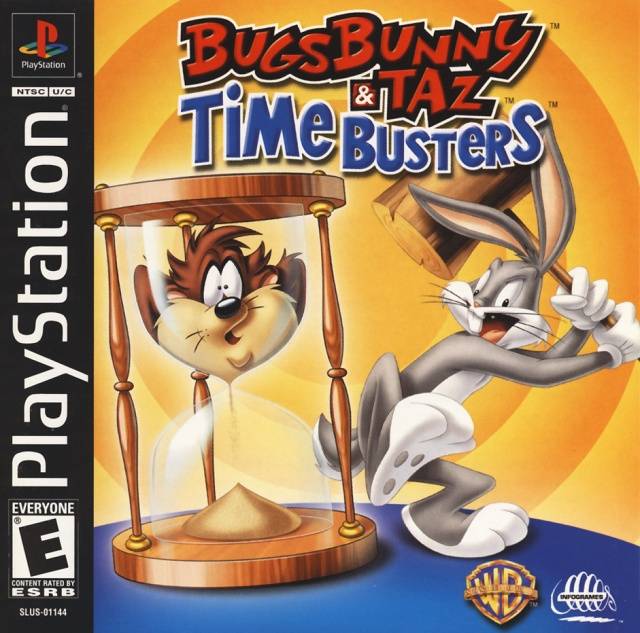
Bugs Bunny & Taz: Time Busters is one of the console’s most creative co-op platformers, and this game focuses on teamwork. Bugs takes care of the high jumps, gadgets and rabbit holes, while Taz uses his strength, throws objects, and spins through obstacles. You switch between them to solve puzzles in four different time periods such pirate coves, medieval castles, and prehistoric jungles.
The camera can be clunky at times, but its animation, humor, and range of puzzles still work well today. It’s too bad it came out in late 2000, so it didn’t get the attention or sequels it frankly deserved. If you want a clever and satisfying 3D puzzle-platformer, this one is easy to miss but worth going back to.
Elemental Gearbolt (1997, Alfa System)
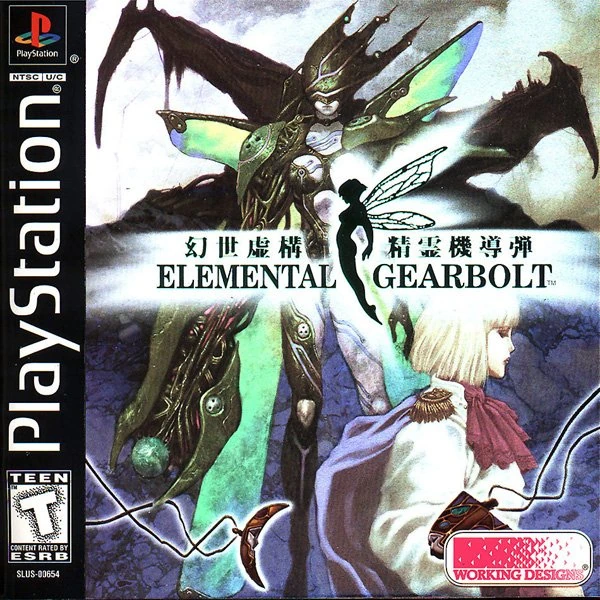
Most light-gun games from the 90s were easygoing arcade ports that focused on cops, criminals, or zombies. Elemental Gearbolt took a very different route: it wrapped rapid rail shooting with a tragic science-fantasy story about royal conflict, ancient weapons, and a fading world. The game featured memorable anime cutscenes and a orchestral soundtrack too. Under the shooting there is a challenging combo and leveling system that rewards accuracy, knowing the best routes, and keeping your aim steady, rather than just firing wildly. This ambition can make the game tough, but it also adds more depth than most light-gun games.
Elemental Gearbolt was easy to miss in North America because Working Designs only released a small number of copies; the game was designed for the GunCon and CRT TVs, which became harder to find as technology changed. Even though it is now expensive for collectors, the game is still not talked about as much as it should be. For anyone interested in a challenging and atmospheric shooter, EG is great stuff–but it’s not cheap.
Brigandine: : The Legend of Forsena (1998, Hearty Robin)
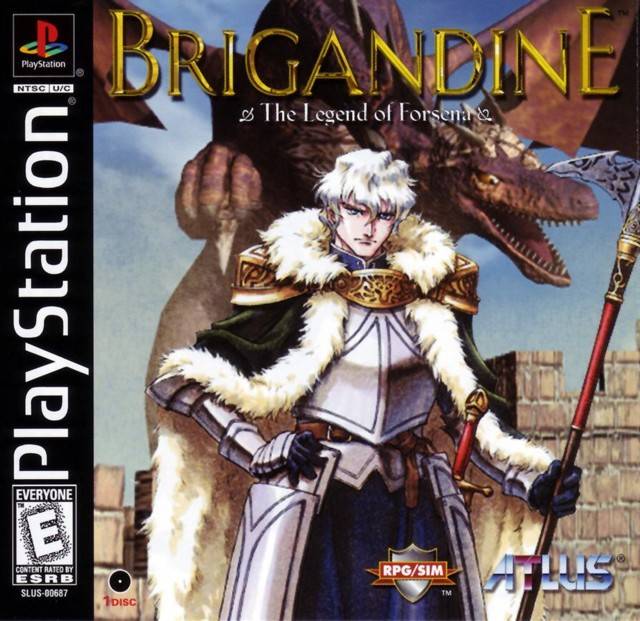
Pick a nation, recruit monsters, defend your borders, and try to conquer an entire continent before your opponents do. Brigandine: The Legend of Forsena transforms the PS1 into a fantasy war room, combining a large conquest map with hex-based tactical battles led by Rune Knights and their evolving armies.
This game is made for players who like to dive into a system instead of rushing through a story. Each of Forsena’s six kingdoms offers different leaders, monsters, and strategic challenges, and the risk of losing valuable units makes every campaign feel personal. Its understated visuals and patient pacing made it a tough sell beside late-’90s RPGs, and its limited release by Atlus didn’t help. Still, the core ideas have stood the test of time. Not many PS1 games let you experiment, improvise, and create your own war stories like this one.
MegaMan Legends 2 (2000, Capcom)
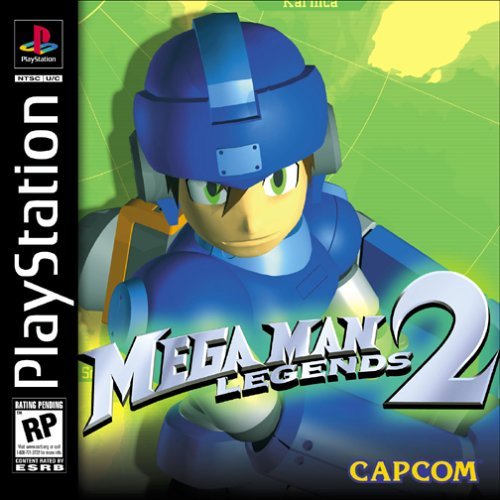
Mega Man Legends 2 builds on the first game’s charming but clunky 3D style and becomes a better action RPG. This time, MegaMan Volnutt’s hunt for the legendary Mother Lode takes him far beyond Kattelox Island. He explores deserts, snowfields, cities, ruins, and huge underground complexes, picking up weapon upgrades, optional jobs, special gear, and tackling deeper dungeon exploration as he goes.
The biggest change is how much better the game feels to play. With DualShock support you get smoother movement, aiming, strafing, and camera controls compared to the first game’s D-pad and shoulder buttons. The new lock-on system also makes third-person combat easier to handle. It still feels like a late-PS1 game, but the improvement is clear. The timing wasn’t great for Legends 2, along with so many of the games I’ve covered. Since then, Capcom has brought most major Mega Man games to modern platforms, but Legends has been left out. Behind its well-known cliffhanger, though, is a bold and creative adventure that deserves to be seen as the series’ strongest and most ambitious entry.
Okay, that’s it for all the underrated, hidden gem PS1 games. If you think I missed any please let me know in the comments. Happy gaming!