
The Most Underrated PS1 Games, Part 1
Part 2 Part 3
My goal is to provide an archive of games that players can look to when they are looking for some good retro gaming action on the PlayStation.
When I talk about underrated games or hidden gems, I don’t just mean obscure curiosities or titles with tiny cult followings. For my list a game needs to stand out on its own through clever design, unusual creativity, or real historical impact. At the same time it should have missed out on the recognition, sales, or cultural attention it deserved, back then and now. Most importantly it still needs to be fun and engaging to play now (not just in the 90s), even if it has some early 3D quirks.
A good example of this is Koudelka (1999), which didn’t make the cut. In retro RPG circles, Koudelka is often called an “overlooked masterpiece,” and copies can sell for over $200 on eBay. I love championing games that critics once dismissed, so my system includes a way to give cult classics a second chance. However, this requires solid, detailed reviews showing the game’s design still works today. When I looked into it, even sites like Hardcore Gaming 101 said Koudelka is more of a historical curiosity than a game worth playing today. A devoted fanbase keeps its legend alive, but without clear proof that its design stands the test of time I leave it off my list. Drawing a clear line between a true hidden gem and a cult curiosity is exactly why I use this system.
Instead of ranking them I’ve grouped these games into two categories, S-Tier and A-Tier. S-Tier is for games that are exceptionally innovative or influential but still criminally underappreciated. A-Tier features great, fun games that are still deeply underappreciated too. FYI I get a small commission if you buy anything through my links, but it doesn’t cost you anything extra. I only recommend games I believe in, and your support helps keep the site going.
Tier S — Criminal Underappreciation
King’s Field (1995, FromSoftware)
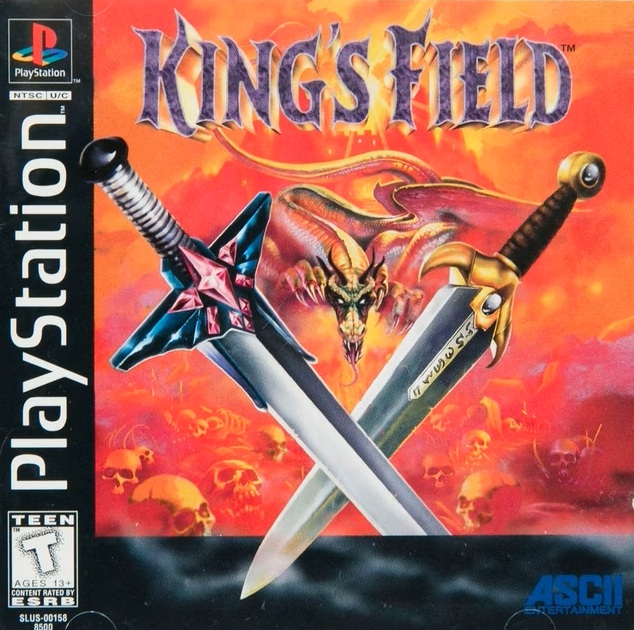
Long before Demon’s Souls and Dark Souls reshaped modern action RPGs, FromSoftware was already developing this style on the original PlayStation. In King’s Field you play as Prince Alexander, who travels to the cursed island of Melanat to find the Moonlight Sword. There are no quest markers or helpful tutorials. Instead you make progress by exploring dangerous areas, avoiding traps, managing your health and magic, finding hidden gear, and figuring out the story from subtle hints and the world around you.
The first-person dungeon crawling in King’s Field is slow, careful, and often deadly. Each fight requires patience, smart movement, and knowing when to attack or back off. The camera and old controls can be tough to handle, but they don’t take away from what the game does well: creating tense exploration, dangerous connected areas, unique combat, and a dark mood that would later define FromSoftware’s games. In fact I write about the PS2 game King’s Field: The Ancient City, which continues the development toward Demon’s Souls.
The history is why King’s Field is elevated to the S Tier. Hidetaka Miyazaki, who directed Demon’s Souls, Dark Souls, Bloodborne, Sekiro, and Elden Ring, has said he admires Naotoshi Zin, the director of King’s Field, and still learns from him. The game’s design in the 1990s was overlooked, but it clearly shaped some of the most important game series that came after. Try it for yourself and you’ll understand why.
Tier A — Significant Underappreciation
Azure Dreams (1997, KCET)
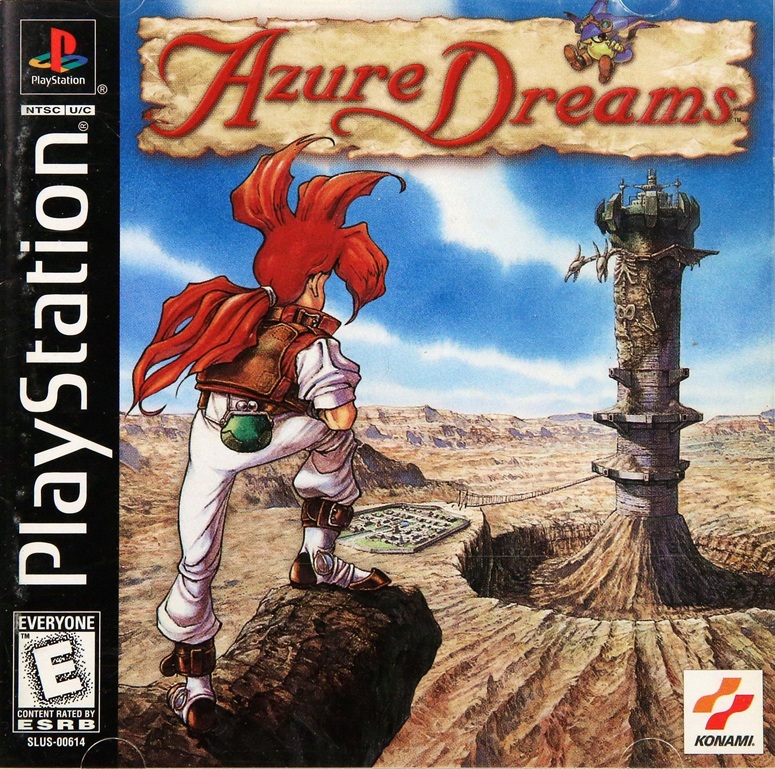
Long before Darkest Dungeon made tough, punishing gameplay popular, Konami released an ambitious mix of genres on the original PlayStation. Azure Dreams combines roguelike dungeon crawling, monster taming and town building, all with a lighthearted anime look. You play as Koh, a young monster tamer trying to find out what happened to his father by climbing the Monster Tower. Each trip is risky because the tower changes every time, enemies move only when you do, and if you die you lose everything you collected. Between climbs you hatch and combine monster eggs, spend your money to rebuild your village, and find stronger allies for your next try.
When it came out many ’90s critics overlooked Azure Dreams because its tough, NetHack-style gameplay was hard to understand. But if you enjoy managing resources and taking real risks, this game is still one of the most unique and rewarding hidden gems on the PS1. It’s fairly expensive to get nowadays, but this is one of the best bets that it’s worth the money.
Future Cop: L.A.P.D. (1998, EA Redwood Shores)
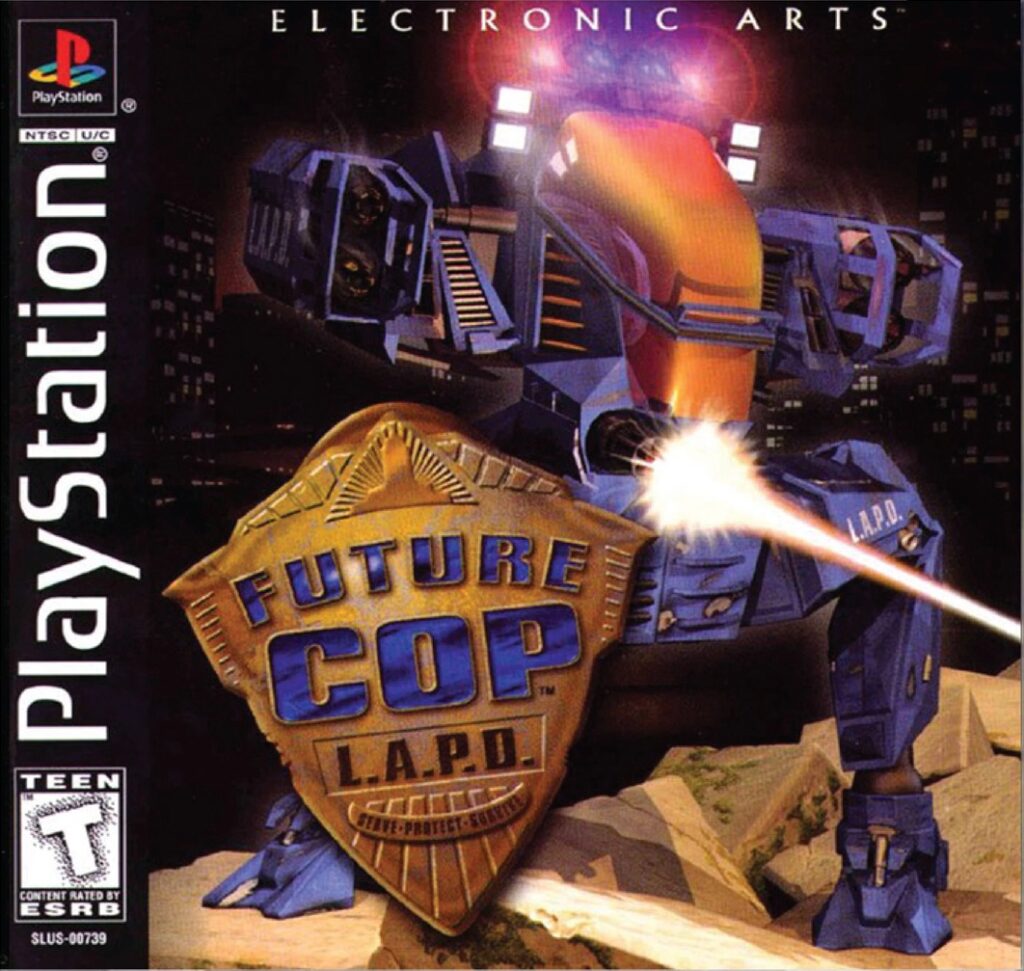
In Future Cop: L.A.P.D., you control the X1-Alpha, a mech that can switch between a fast hover cruiser and a heavily armored walker as you patrol a crime-filled, dystopian Los Angeles. The game came from EA’s tactical Strike series and got great reviews when it launched, but it quickly faded from the spotlight. There was never a sequel or a re-release.
Its most interesting mode, Precinct Assault, has drawn attention from retrospective fans because it predicted some features of the MOBA genre years before Defense of the Ancients: capturing outposts, managing a resource economy, and pushing automated unit waves toward an enemy base. Whether or not it directly influenced what came after, its creative tactical gameplay, responsive controls and fun split-screen action make it a unique and forgotten PS1 title that’s still worth playing today.
Devil Dice (1998, Shift)
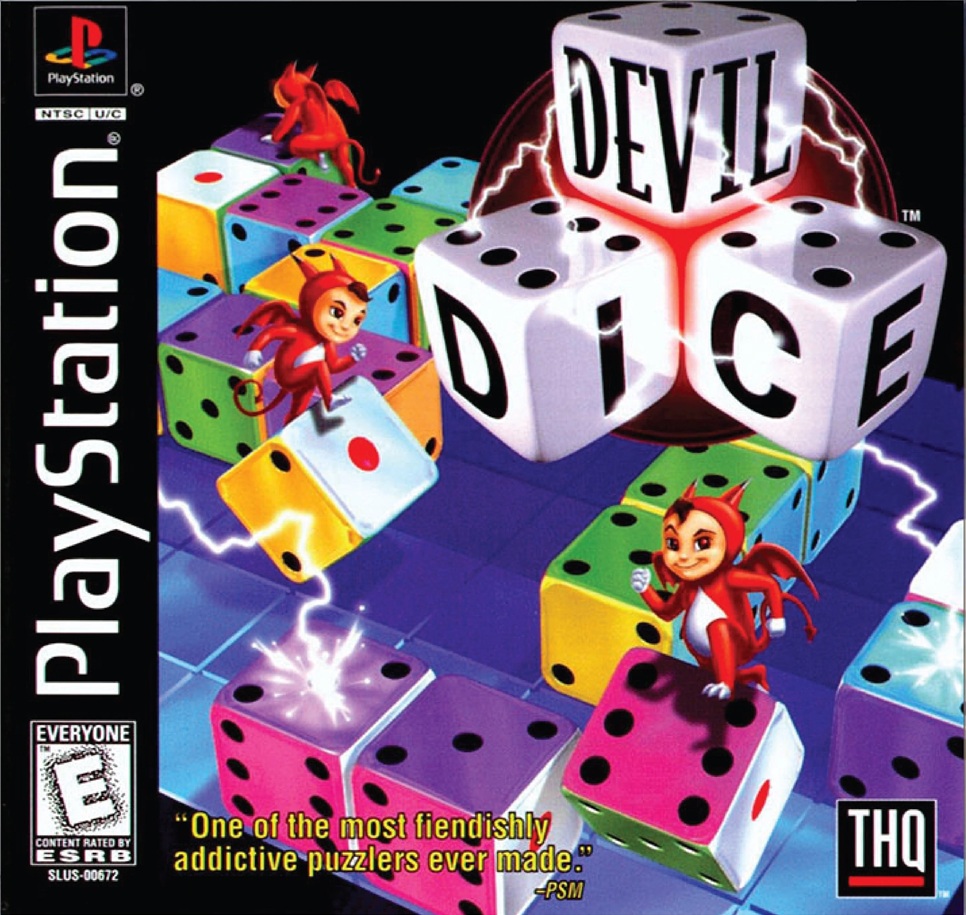
Devil Dice is a quirky action-puzzle game where you control a tiny devil running across a grid of giant dice. Instead of sorting falling blocks, you move or push dice to show certain numbers on top. If you line up three threes, five fives, or other matching numbers those dice start to sink. The short pause before they disappear lets you set up bigger combos, turning a simple matching game into a fast-paced challenge that tests your planning and nerves.
The game was popular in Japan but didn’t get much attention in North America, even though critics liked it; it never got the recognition its smart design deserved. Playing alone turns the simple rules into a challenge, and the five-player battle mode is wild and competitive. Devil Dice is still one of the most creative and addictive puzzle games on the PS1.
Carnage Heart (1997, Artdink)
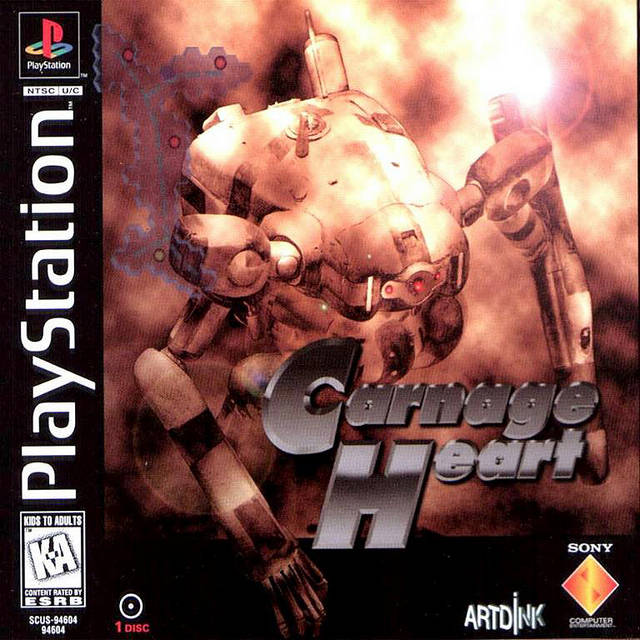
Instead of handing you a controller to pilot giant mechs, Carnage Heart turns you into more of an AI engineer. You design autonomous combat units and program how they behave using a visual logic-chip grid. Once you’re done you watch your routines play out in real time. If your mech ends up walking right into a missile barrage your only option is to check your code, fix the logic, and try again.
The game came with its own tutorial disc and a 60-page manual packed with flowcharts. At the time, magazines joked that you needed a computer science degree just to play it, and that learning curve probably explains why it didn’t catch on in North America. Still, there’s something really satisfying about finding a mistake in your logic and then seeing your improved mech tear through an enemy squad; few other PS1 games offer that kind of satisfaction.
Speed Punks (1999, Funcom)
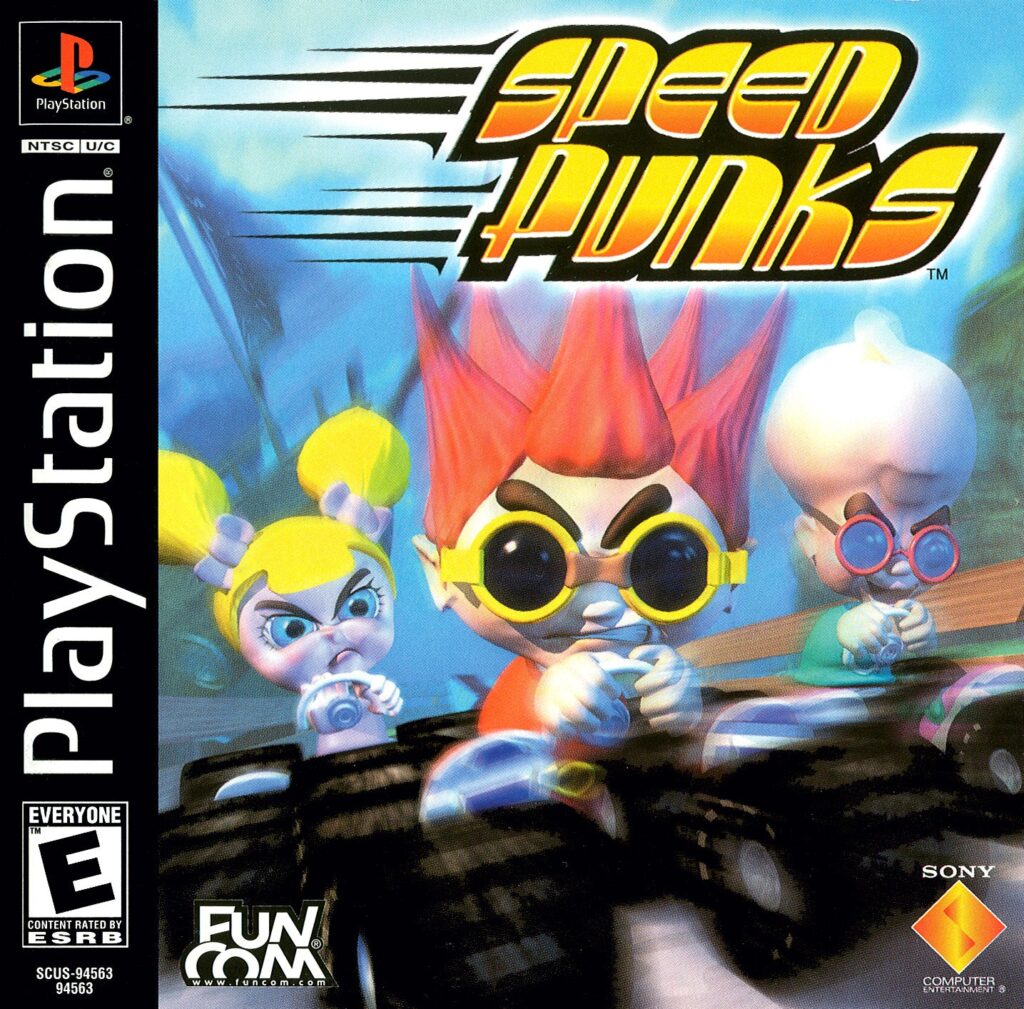
Speed Punks is one of those PS1 racing games that makes you wonder how it got overlooked. With its colorful tracks, smooth sense of speed, easy drifting and support for four players, it felt more polished than most cartoon kart racers from that time. Critics took note too: some called it one of the best-looking racers on the PlayStation, and IGN even compared it favorably to Mario Kart 64!
The timing couldn’t have been worse. Sony waited until spring 2000 to release it in North America, by which point Crash Team Racing had already become the top kart racer and people were starting to look forward to the PS2. Speed Punks never got a Greatest Hits reissue, Funcom Dublin closed soon after, and the planned sequel was dropped. What’s left is a fast, well-made kart racer that got good reviews back then but is now mostly forgotten, if anyone remembers it at all.
Silent Bomber (1999, CyberConnect)
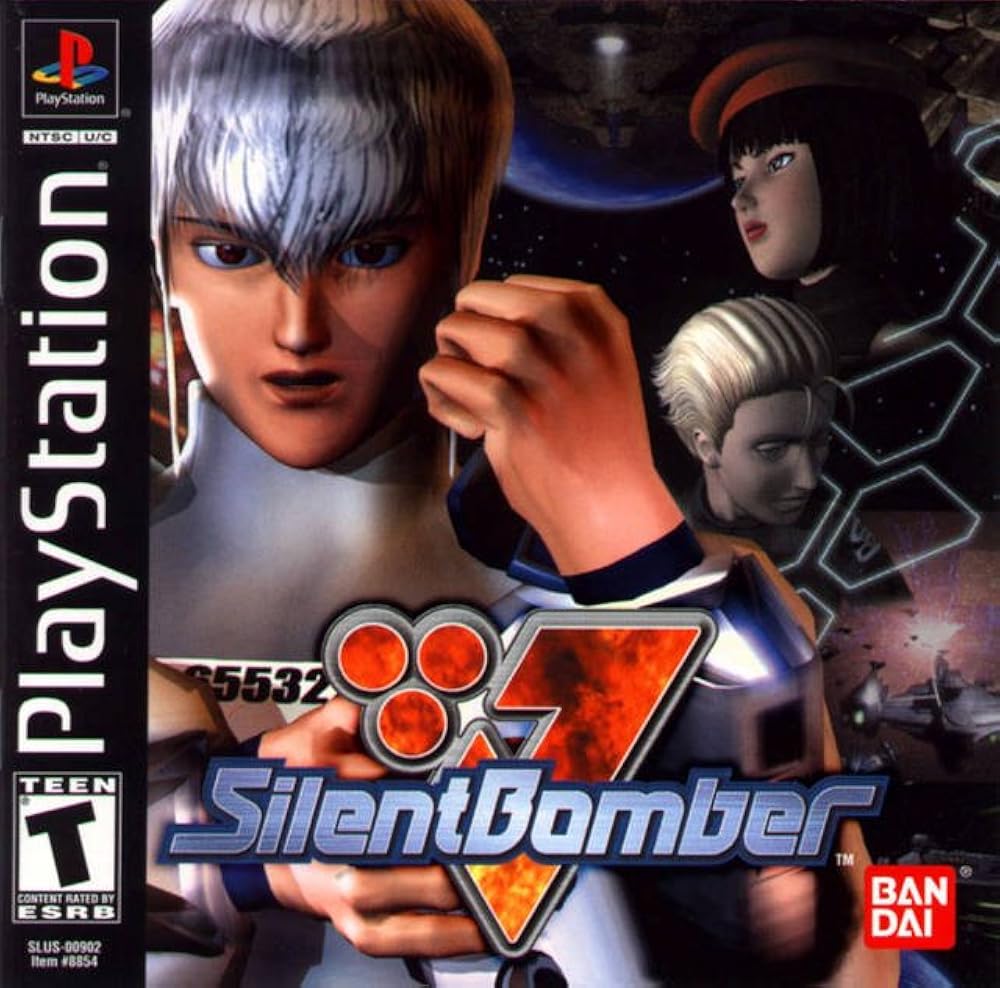
Silent Bomber fuses the trap-laying style of Bomberman with the fast action of a top-down arcade shooter, but lets you move freely in 3D instead of sticking to a grid. You run and dodge through groups of mechs, planting bombs you can set off remotely and linking them together. Each fight becomes a fast puzzle where you have to manage space and timing instead of holding down the trigger. Boss battles take this even further, giving you better results if you try out different bomb setups instead of just powering through.
The game got good reviews when it came out, but it arrived just as the PlayStation 2 was taking over, so it never really caught on. The dialogue and voice acting feel dated now, and some difficulty spikes might test your patience, but the main gameplay is still good. If you give it a chance you’ll find a combat idea that nothing else on the PS1 really tried. You’ll likely primarily find it on eBay, but again, it made my A tier for a reason.
Alundra (1997, Matrix Software)
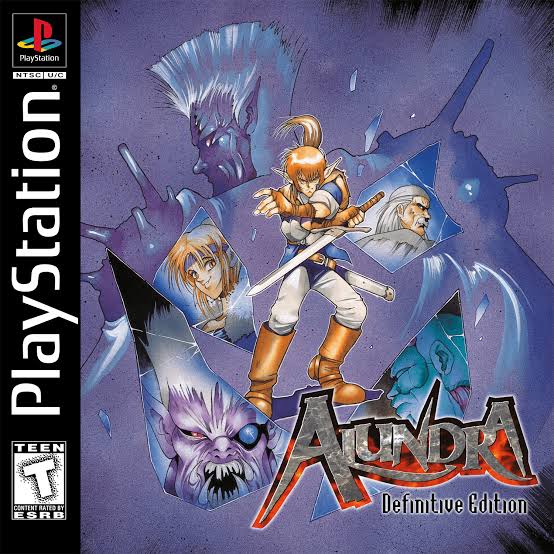
If Alundra had come out a few years sooner, it would be remembered with the best 16-bit action-adventure games. But this beautifully animated 2D game landed on the PlayStation just as everyone was moving to 3D, so it slowly faded from the spotlight even though critics loved it. You play as Alundra, an elven dreamwalker who reaches a cursed village and enters its residents’ nightmares to save them from an evil force. It begins like a familiar top-down adventure, but its story grows darker and stranger, backed by beautiful pixel art and sword-and-magic combat.
The thing is, Alundra doesn’t make things easy for you. Its dungeons require you to pay close attention, handle tough isometric jumps, and solve puzzles that really challenge your thinking and patience. Not everyone will like that level of difficulty, but if you are up for it you will find one of the most rewarding and memorable action-adventure games on the PS1.
Brave Fencer Musashi (1998, Square)
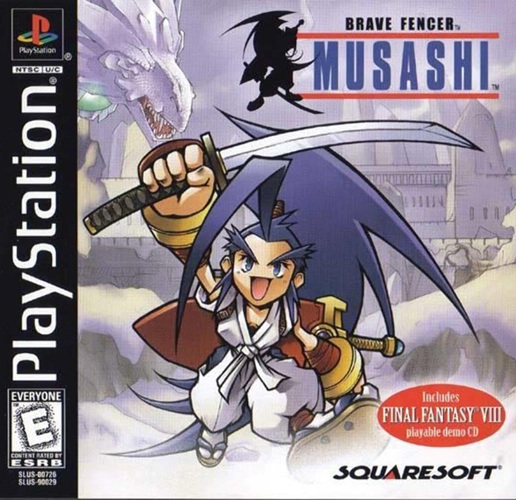
Brave Fencer Musashi is often remembered as the PS1 game that came with the first playable Final Fantasy VIII demo. That bit of trivia is nice, but it can overshadow a creative action-RPG that deserves to be remembered. You play as Musashi, a cocky, pint-sized samurai who is called to rescue a kidnapped princess and take on a quirky evil empire. Instead of typical turn-based battles the game offers fast real-time combat, platforming, and a unique ability to copy enemy moves to fight and solve puzzles.
What sets this game apart is its ahead-of-its-time world design. It features full voice acting, a real-time clock with townspeople who follow daily routines, and a system where Musashi needs to rest or he gets tired. The game got good reviews and sold well in Japan, but it was never a hit for Square in North America. Still, it’s a charming and deep game that’s worth finding.
Jade Cocoon: Story of the Tamamayu (1999, Genki)
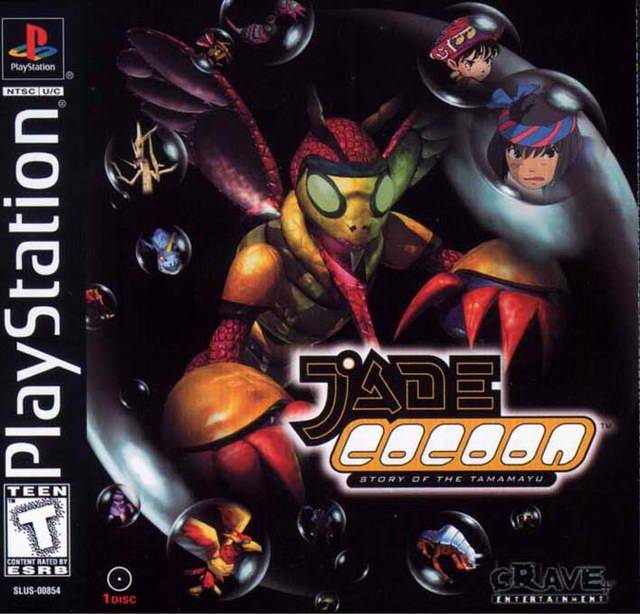
Jade Cocoon: Story of the Tamamayu got quietly buried in 1999, mostly because it was released alongside a demo for Final Fantasy VIII and couldn’t compete with that excitement. It’s unfortunate, since the game is more unusual and atmospheric than most PS1 RPGs. The world and characters, designed by Studio Ghibli veteran Katsuya Kondō, give it the feel of an interactive dark fantasy story instead of a Saturday-morning cartoon.
You play as Levant, a young Cocoon Master who enters a demon-filled forest to save his village, which has fallen under a curse. Along the way you capture monsters. The main draw is the fusion system: instead of just swapping stats, combining two monsters actually mixes their models and textures, creating a unique hybrid that stands out on the console. The tank controls and slow pacing can take some getting used to, but the deep creature customization and the game’s tribal, moody atmosphere really make it memorable. If you like it, Jade Cocoon 2 is a hidden gem for the PS2 that I’ve written about.
Pandemonium! (1996, Toys for Bob)
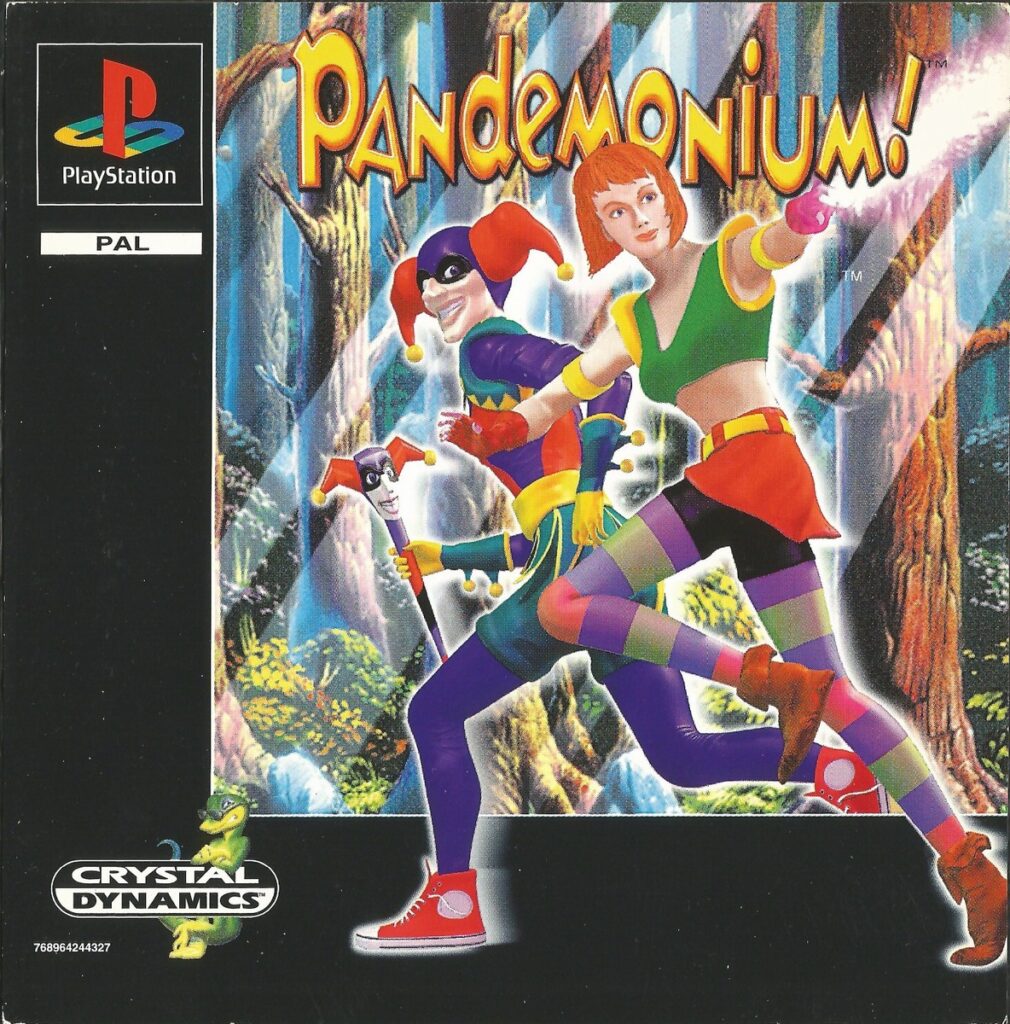
Arriving alongside Super Mario 64 and Crash Bandicoot, Pandemonium! got caught in a crowded rush toward free-roaming 3D. Toys for Bob’s hybrid experiment sold only around 100,000 copies in the US and never gained much of a fanbase, even though it got strong reviews from several major outlets. Unlike some of the other titles on this list, this game is relatively cheap to get too.
You can play as Fargus, an acrobatic jester, or Nikki, a high-jumping sorceress, after the two accidentally unleash a world-threatening monster and set off across a chain of surreal fantasy realms to undo the damage. The game keeps you on a set 2D path that twists through colorful 3D fantasy worlds, where you bounce between bizarre enemies and collect treasure. That setup sidesteps the clunky tank controls of many 1996 games, but the moving camera sometimes makes it a little hard to judge your jumps. It’s a colorful, inventive, and mechanically clever 2.5D platformer that deserves far more recognition than a footnote in 3D gaming’s breakout year.
I am trying to list no more than 10 games per page, but don’t worry, more pages are coming. I want this to be a resource people can use who are looking for quality games that they may not have heard of, and still play well today. Part 2 is out now, so continue if you want to see more.