
What Osprey Games Uniquely Brings to TTRPGs
You may know little to nothing about Osprey Games as a publisher. That was me not very long ago. I’ve written a lot on the TTRPG industry over the past while, but I was still totally ignorant of who they are and what kind of games they produce. I stumbled upon them recently and decided to look into them and as I did, I realized they bring something unique to the industry and decided to write about it to spread the word.
If the name rings any bells at all it’s probably because of Frostgrave, or its sci-fi sibling Stargrave. In the world of wargaming, Osprey built a loyal fanbase by offering an accessible alternative to Warhammer’s high-barrier ecosystem: its campaign-driven, miniature-agnostic games packaged into a single well-designed hardcover. Bring whatever models you own, grab some dice and start playing.
But Osprey’s tabletop RPG line takes things even further. Big multi-book publishers like D&D or Pathfinder need a shared game system because their business depends on players sticking with one system through years of new supplements. Indie and zine creators who use crowdfunding have more design freedom, but they have to pre-sell enough copies to pay for printing, and even a successful campaign usually doesn’t get their book onto regular bookstore shelves.
Osprey avoids both of these issues. Because their parent company has global book distribution, they don’t need to lock themselves into a single flagship brand or a shared house system to succeed, and they don’t have to pre-sell books to cover printing costs. This makes them a bit like the Criterion Collection of tabletop RPGs: they can choose interesting projects and support different kinds of games each time, backed by resources beyond the RPG community. Osprey’s strength is that the publisher is willing to choose—or commission—the exact engine mechanics that best protects the game from becoming a generic adventure game.
I’m going to focus on just six of their games in this post. For each game I’ll include a PDF link for those who like digital, but I encourage you to consider the physical book because they are reasonably priced and high quality.
The Games
Paleomythic (Graham Rose)
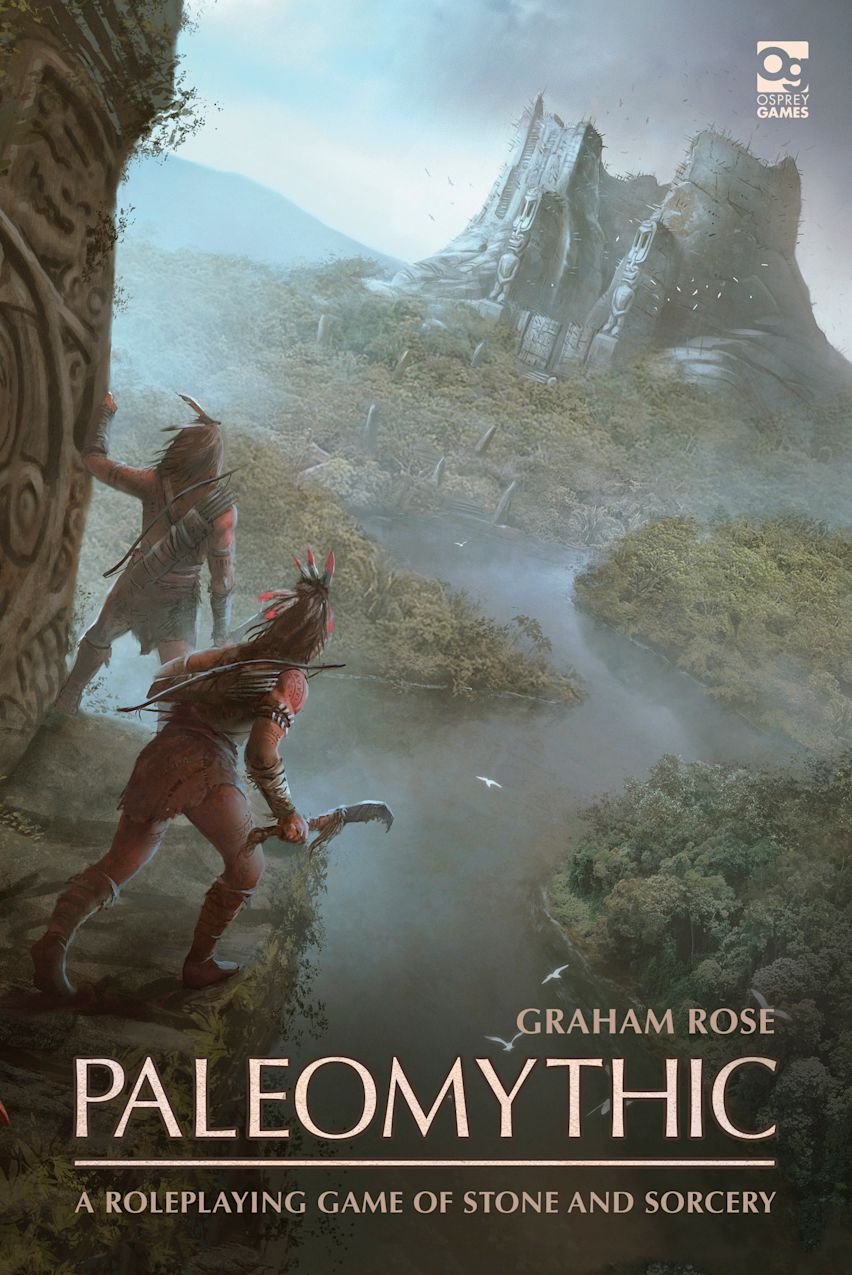
In Paleomythic you play as hunters, healers, warriors, and soothsayers trying to survive in Ancient Mu, a prehistoric world filled with hostile clans, beast-men and spirit horrors. Instead of building settlements or running a peaceful village, you travel through tough wilderness, bargain with spirits, track dangerous animals, and fight to keep your clan alive one more night.
The game uses a custom d6 dice pool system that makes the struggle for survival feel real. When you act, physical Flaws remove dice from your pool, and your bone, stone, or wood tools can break if you roll badly. Whether you are foraging, tracking, making gear, or fighting a beast, you use the same basic system, because survival is the whole game.
Every lost supply, broken weapon, or cold night has a real impact on the game. Paleomythic offers a fast-paced, tense survival experience where every item you carry and every injury you suffer can decide if your character survives. If you like survival RPGs I wrote a post specifically on them right here.
PDF is here, and is the exception as it is PDF only.
Tomorrow City (Nathan Russell)
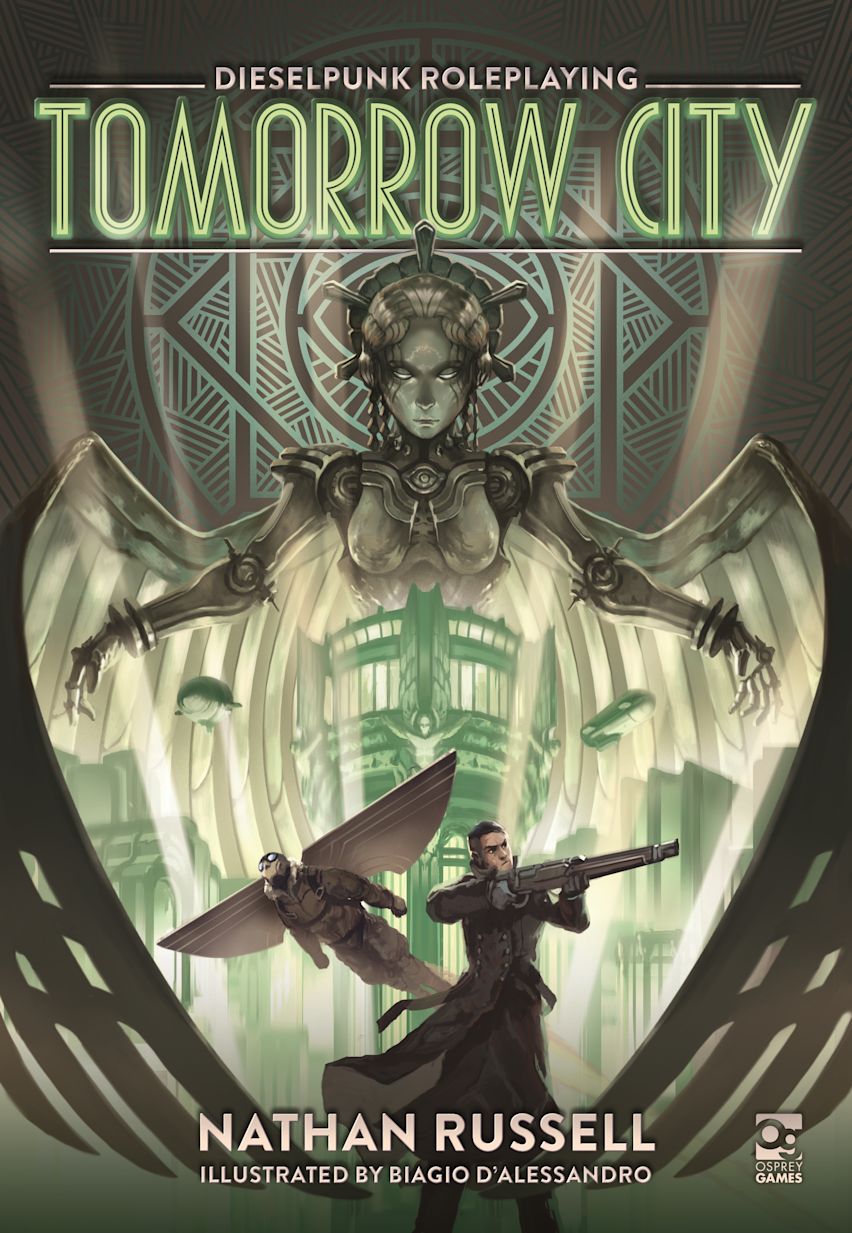
Players in Tomorrow City are Revs: part mercenary, part revolutionary, navigating an art-deco metropolis called the Spindle, which hangs above the toxic ruins of Old Cali. The city is controlled by an AI named Mother, who manages rival Ministries of Truth, Peace, and Science. Meanwhile, radical Undersiders and strange rifts in reality known as the Pattern threaten to destroy the city. Instead of studying maps or memorizing facts you’ll be taking on jobs, avoiding Mother’s automatons, and choosing your place in the coming revolution.
The game’s rules reinforce this tension. Your skills and equipment give you Action Dice, while injuries, enemies, and city dangers generate Danger Dice. If a Danger Die matches an Action Die it cancels out your chance to succeed, and any Danger Dice that show a 6 build up as Pressure, making sure that sooner or later things will spiral out of control.
Instead of just rolling a d20 against a set difficulty, Tomorrow City makes the city’s volatility part of the game. Every roll raises the stakes and tightens the vise.
Romance of the Perilous Land (Scott Malthouse)
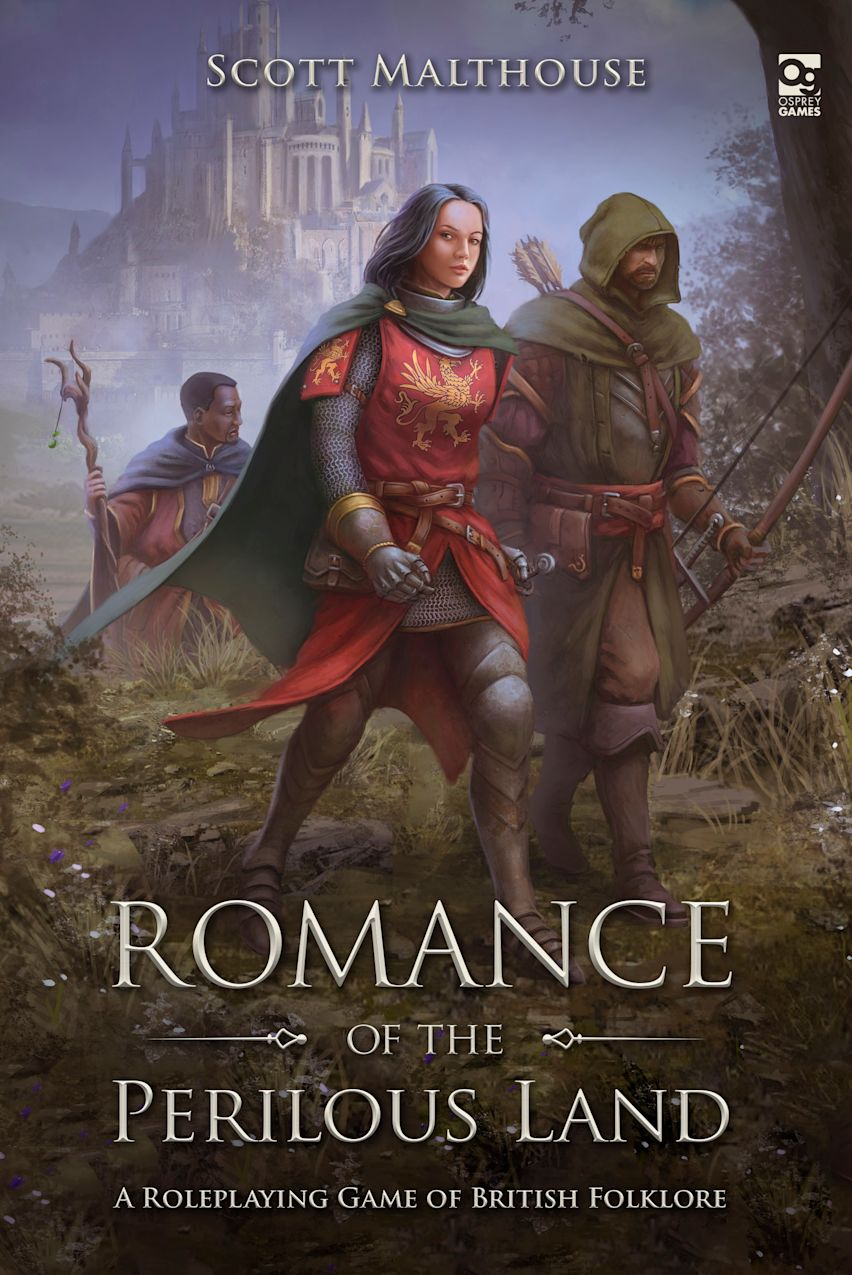
In Romance of the Perilous Land players take on the roles of Knights, Bards, Rangers, and Cunning Folk exploring a world inspired by British folklore and Arthurian legend. Set during the game’s “Age of Valour”, Camelot forges alliances against darker powers threatening the land. Instead of searching endless dungeons for treasure you go on chivalric quests, bargain with unpredictable Fae lords, break ancient curses, and protect villagers from giants and questing beasts.
The game uses a familiar d20 chassis with classic classes, but removes extra rules for a faster, old-school feel: you roll under your Attribute rather than over a target number, for example. Character flavor comes from Talents gained as you level, and an Edge mechanic—rolling two dice and taking the better result—rewards creative or chivalric play with advantage. As you level up you gain Talents that shape your character.
Whether you’re matching wits with a Green Knight or solving a riddle at an enchanted ford, the rules focus on honor and wonder, guiding heroes toward legendary and mythic endings.
Righteous Blood, Ruthless Blades (Brendan Davis, Jeremy Bai)
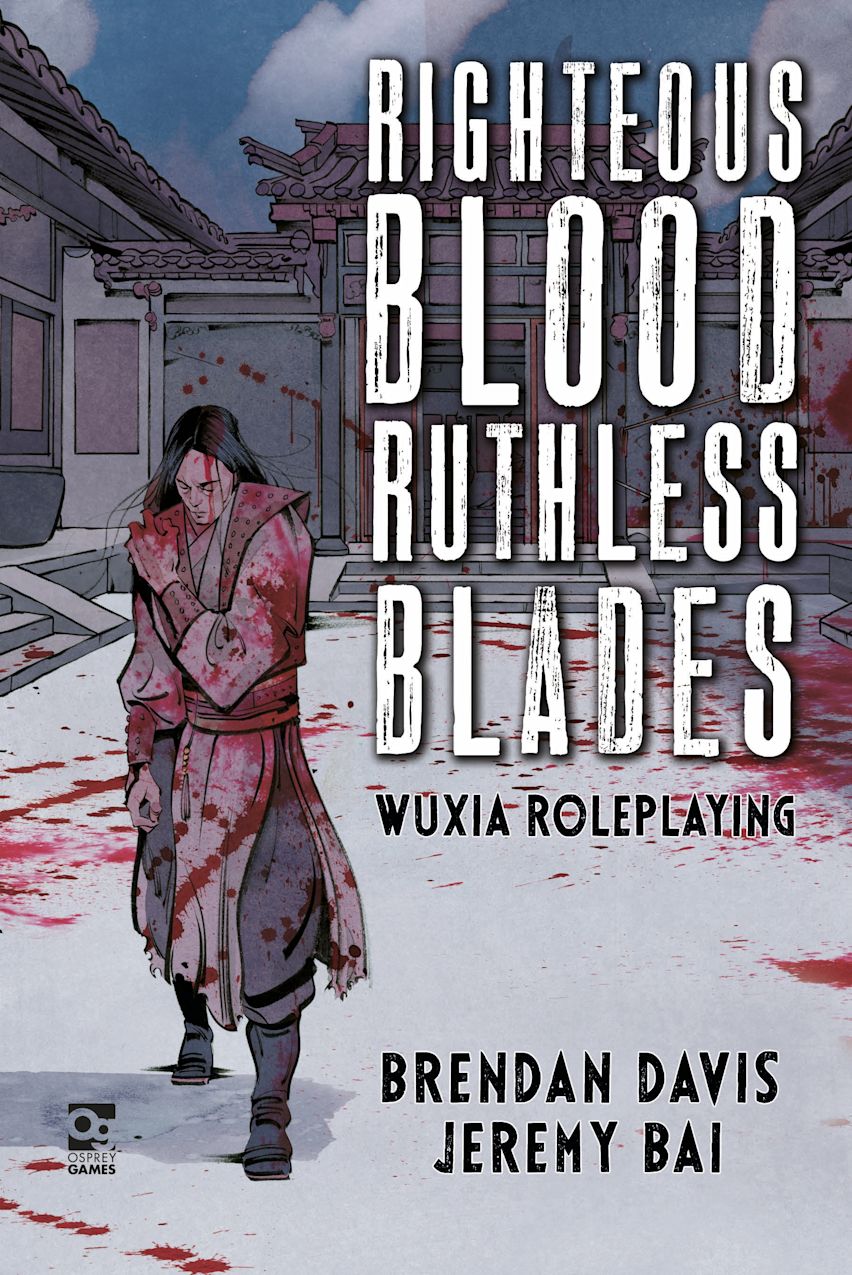
In Righteous Blood, Ruthless Blades, you step into the cloth boots of wandering martial artists, vengeful swordsmen, or rogue scholars exploring the dangerous world of a martial underworld beneath the Emperor’s rule. The game draws inspiration from Gu Long’s wuxia novels, featuring combat and melodrama. Instead of searching for treasure you follow codes of honor, settle old scores, guard dangerous secrets, and face rival masters in deadly duels.
The game uses a d10 system that keeps fights quick, but its best feature comes before any swords are drawn. Each battle starts with a Talking and Analysis Phase, where characters can bluff, intimidate, or study their opponent’s style. This lets you gain an edge or put your enemy at a disadvantage before the fight even starts.
Character growth is closely linked to the story: to learn new skills, you have to meditate in the game world. If you push your training too far, you risk Fire Deviation, a spiritual imbalance that can cause lasting physical or psychological Eccentricities. Fights start before the first attack and their effects can last well after they end.
Jackals (John-Matthew DeFoggi)
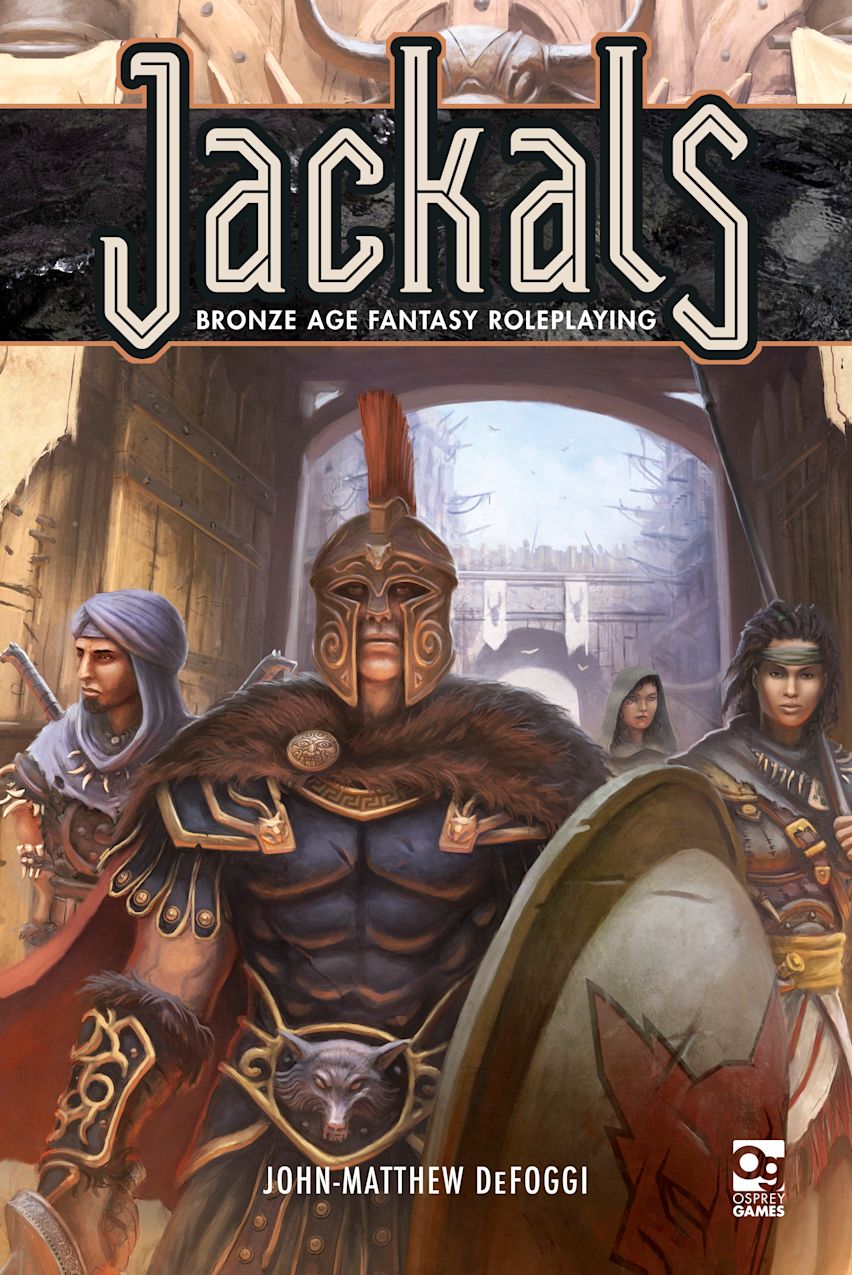
In Jackals, you are exiles from your own communities and trying to survive in the Zaharets, a mythic Near East Bronze Age full of sorcery, tribal conflict, and ancient horrors. You aren’t playing high-fantasy superheroes; you take on the roles of desperate mercenaries who guard trade caravans, hunt monsters and protect the same settlements that once cast you out. By doing these jobs you earn Kleos, hoping it will let you buy your way back in.
Osprey chose not to create a new game system, but instead used established percentile mechanics from BRP and OpenQuest. These rules are known for deadly, tactical combat, where every bronze blade is a real threat—a perfect fit for the setting’s brutal skirmishes.
By choosing this approach Osprey was able to focus on the game’s scope. Along with Travellers on the War Road and the campaign The Fall of the Children of Bronze, Jackals offers a fourteen-adventure saga that covers nine years in the game world. The rules include mechanics for aging, generational change, and a slow, uneasy homecoming.
The Terror Beneath (Scott Malthouse)
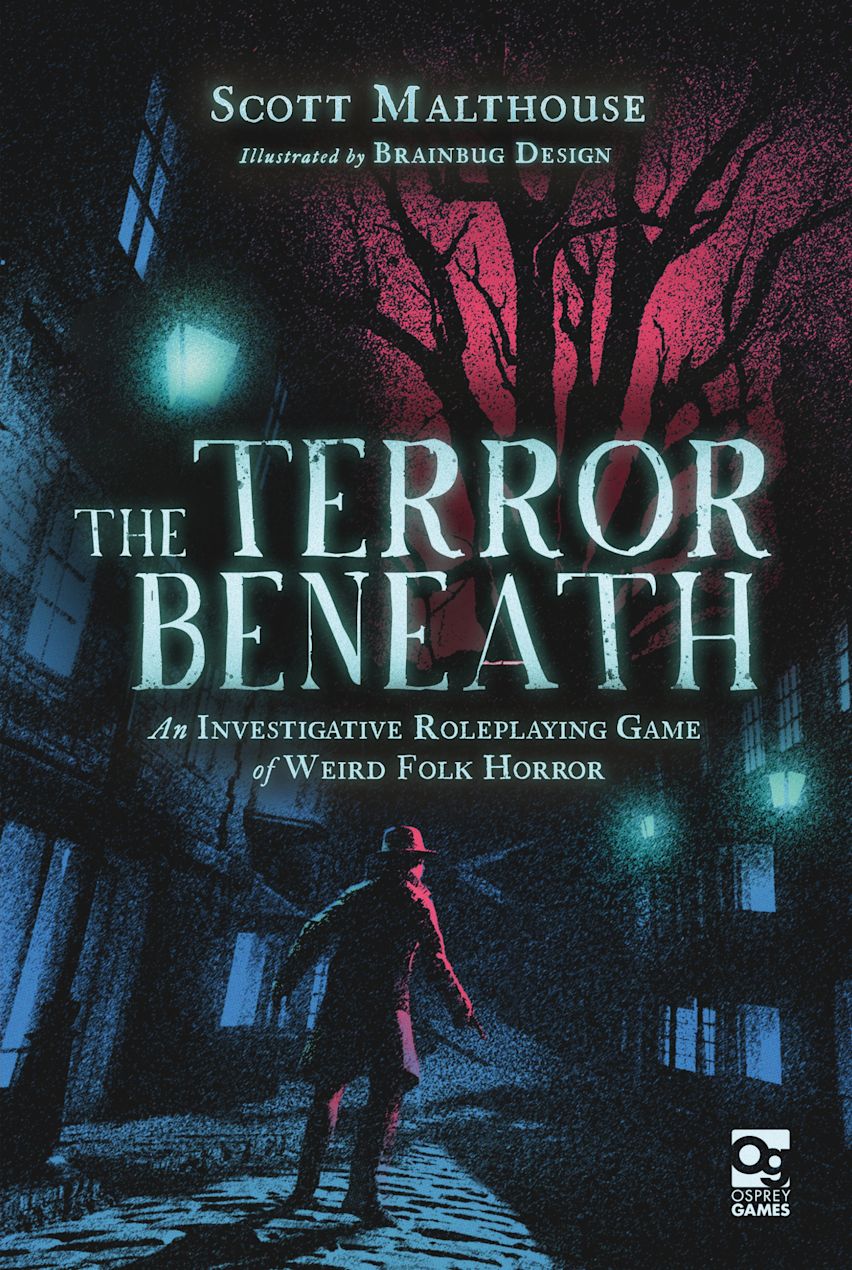
In The Terror Beneath you play as members of the Gold Tiberius Society, exploring dark underground horrors in 1920s Britain after the Great War. Inspired by the weird folk horror of Arthur Machen, you aren’t hunting monsters with heavy firepower; you investigate strange rural cults, dig up ancient secrets under the English countryside and Welsh hills, and try to keep your sanity as unnatural forces start to appear.
Investigative horror games often stumble over a major hurdle: if players fail a perception check, they can miss an important clue and the mystery grinds to a halt. Instead of creating a new system to fix this, Osprey used Robin D. Laws’ well-known GUMSHOE Quickshock engine. In this system if you have the right skill you always find the main clues. The real tension changes from whether you can find the evidence, to what it costs you once you do.
Osprey’s smart choice here was to recognize when someone else had already created the right system, instead of creating one from scratch. If you like horror RPGs I wrote a post specifically on them right here.
Conclusion
Looking across these six titles, Osprey’s real contribution to the TTRPG space becomes clear. Their approach isn’t about sticking to strict rules or creating a new system for every game. Instead they focus on what fits the story best. With multiple original systems and smart choices to sometimes use existing ones, each editorial decision fits the game, and each one feels right for what it’s trying to do.
There’s another benefit too. While it feels like the whole industry is moving toward digital rulebooks, VTT integrations and subscription-based content, each of these six games is a single physical product that works on its own. Osprey’s place in trade publishing gives its designers the freedom to make good choices without having to keep releasing more and more add-ons.
This is the same approach that made Frostgrave and Stargrave so popular in the wargaming world. Instead of using generic templates, these games offer a complete, high-concept experience that is clear about its identity from the first page.