The Best Licensed PS2 Games
See also the Best PS2 Games of All Time
and Best Hidden Gem PS2 Games
What is a licensed video game? Something that’s licensed means it uses an intellectual property (IP) owned by someone else. For example Middle-Earth Enterprises owns the exclusive rights to The Hobbit and Lord of the Rings. If anyone wants to make a movie, write a book or make a game, they have to buy permission to do so.
A big benefit of doing this is you have a built-in audience that will try your product. Licensed games typically have a very mixed reputation, however. Typically they suffer from rushed development, have significant restrictions from the IP owners, lower budgets due to spending significant money obtaining the license, and many IPs have limited lifespans. Frankly, the majority of licensed games are trash that are grabs for cash.
But there are some significant exceptions: games that really capture the mood and feel of its source material. The technical term is thematic integration. This post is about identifying the games that do the best job of this, AND are so well designed they are some of the best games on the console. Several good games didn’t make the cut because they excelled as adaptations without quite reaching the level of the PS2’s elite. This is the group of 11 PS2 games and one honorable mention that are the best licensed PS2 games, in alphabetical order. I also include links if you want to buy them.
007: Everything or Nothing (2004, EA Redwood Shores)
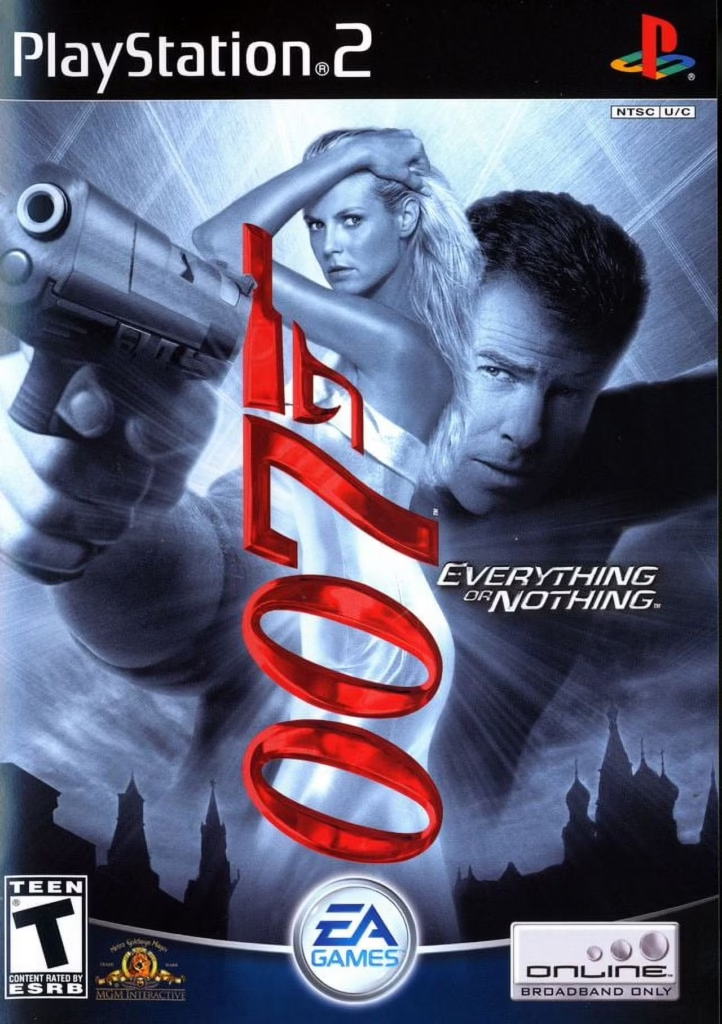
007: Everything or Nothing is way more than just a solid movie tie-in, it’s maybe the best Pierce Brosnan James Bond film we never got. Instead of adapting an existing movie, EA created a new Bond adventure with Brosnan investigating a plot by rogue KGB agent (voiced by Willem Dafoe), who wants to use stolen nanotechnology to threaten the world. It’s often considered a continuation of Die Another Day.
The game moves away from the first-person view made famous by GoldenEye and puts Bond in a cinematic third-person action setting. It mixes gunfights, stealth, gadget puzzles, vehicle chases, and globe-trotting scenes in places like Egypt, New Orleans, and Peru. With Brosnan, Judi Dench and John Cleese returning to their film roles, a strong co-op campaign, and “Bond Moments” that reward good play, Everything or Nothing brings out what makes James Bond so popular: style, cleverness, adventure, and big action. It’s one of the best licensed PS2 games overall, and still the best Bond game on the PS2.
Def Jam: Fight for NY (2004, AKI Corp & EA Canada)
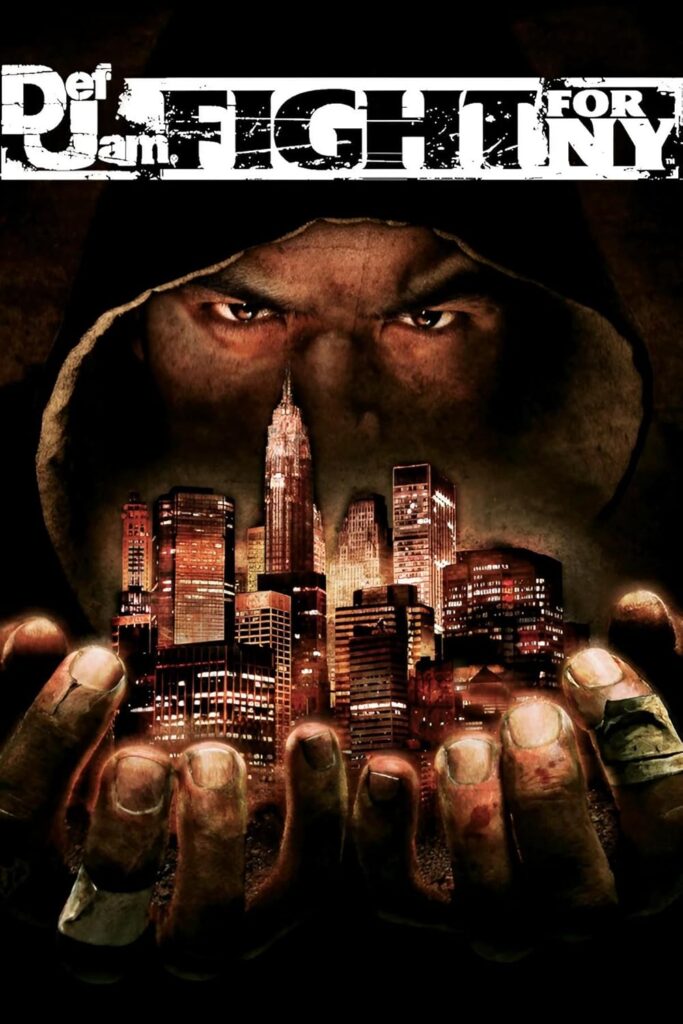
Def Jam: Fight for NY is the rare licensed game that feels like a lightning-in-a-bottle cultural event. It changed the pro-wrestling engine of its predecessor for a really brutal, fluid street-brawling system built around interactive environments, grappling, crowd weapons, and devastating character-specific “Blazin’ Moves.” You play as a street fighter who helps mob boss D-Mob escape from the police, which pulls you into a turf war with a rival crew led by Crow (Snoop Dogg).
The game’s deep combat system lets you mix up to three fighting styles and customize your character with real-world clothing, tattoos, and jewelry. With over 40 hip-hop stars like Method Man, Ludacris, Busta Rhymes and Ice-T, the game never treats its license as a gimmick. Instead it’s built around hip-hop culture, making it one of the PS2’s most unique, enduring and satisfying fighting games. It’s also why you’ll pay a pretty penny if you want to get it today.
Hulk: Ultimate Destruction (2005, Radical Entertainment)
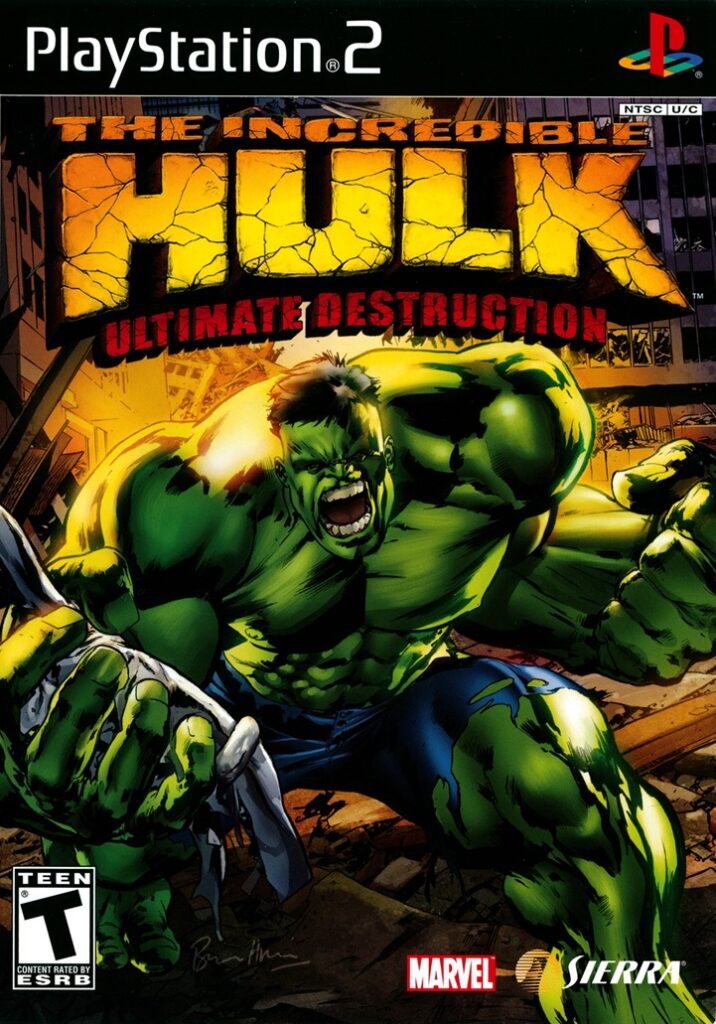
The Incredible Hulk: Ultimate Destruction is still the best example of a superhero power fantasy. Instead of keeping the Hulk in small spaces or basic fighting arenas, Radical created an open-world playground that shows off his limitless strength. The story, written by comic book writer Paul Jenkins, follows Bruce Banner as he looks for a cure and faces General Ross, the military, the mysterious Division and the Abomination. But really the main point of the plot is to give you a reason to smash things.
What sets Ultimate Destruction apart as a top PS2 game is its groundbreaking movement and weapon systems. You can sprint up skyscrapers, leap miles across the city, stop instantly by grabbing the ground, and most anything can be used as a weapon: rip a car into boxing gloves, flatten a bus into a skateboard, or swing a tank like a club. Every part of the game makes you feel like the Hulk, totally unstoppable.
Marvel Ultimate Alliance (2006, Raven Software)
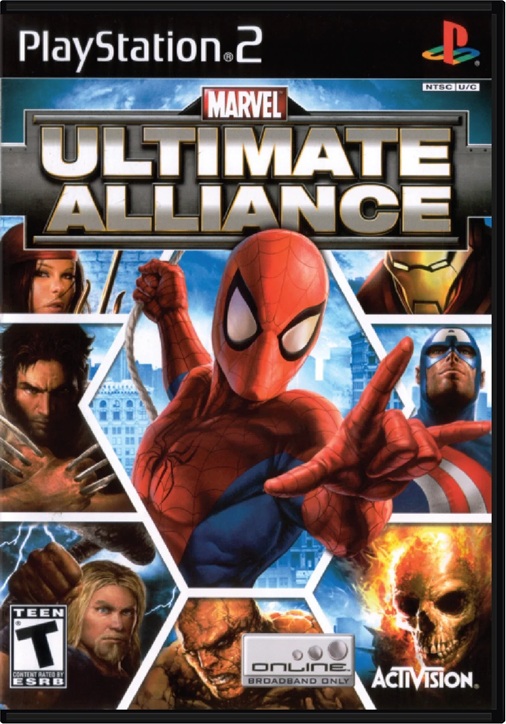
Marvel Ultimate Alliance is a must-play for comic book fans. Raven took the excellent co-op action RPG style of its X-Men Legends games and brought in the whole freakin’ Marvel Universe. The story kicks off when Doctor Doom and his Masters of Evil attack a S.H.I.E.L.D. helicarrier to steal Odin’s power and start a global takeover, so Nick Fury brings together a team of heroes to fight back.
This game’s best feature is that it lets you create your own four-hero dream teams. You can play as the Fantastic Four or mix things up with heroes like Captain America, Wolverine, Spider-Man, and Deadpool, fighting through places like New York, Atlantis, Asgard, Mephisto’s Realm, and Castle Doom. With its RPG elements, four-player co-op, trivia, lore, and a huge cast, it’s the gold standard for superhero team games and one of the best licensed PS2 games.
Peter Jackson’s King Kong (2005, Ubisoft)
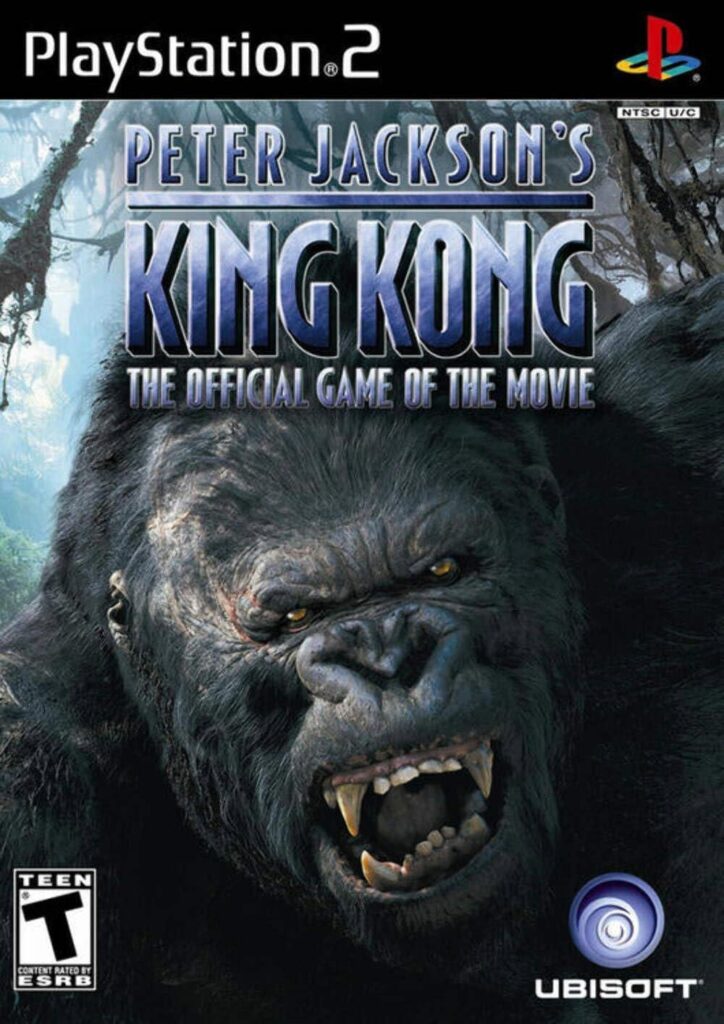
Peter Jackson and the game director worked together to create Peter Jackson’s King Kong: The Official Game of the Movie. Yes it’s an overly long title. Unlike most movie games, this one not only stays true to the film but actually improves on it. The game follows the movie’s story closely and lets you play in two different ways: as Jack Driscoll in first-person survival mode, and as the legendary ape himself in third-person combat.
Playing as Jack, you feel outmatched on Skull Island and have to use whatever weapons, fire, or help from the environment you can find to survive against huge predators. The game’s choice to leave out a HUD makes you feel even more vulnerable and pulled into the world. Playing as Kong flips the experience, letting you fight V-Rexes, swing through the jungle, and protect Ann Darrow. King Kong really understands the movie while creating its own memorable gameplay. That’s why it’s one of the PS2’s most accomplished licensed games.
Spider-Man 2 (2004, Treyarch)
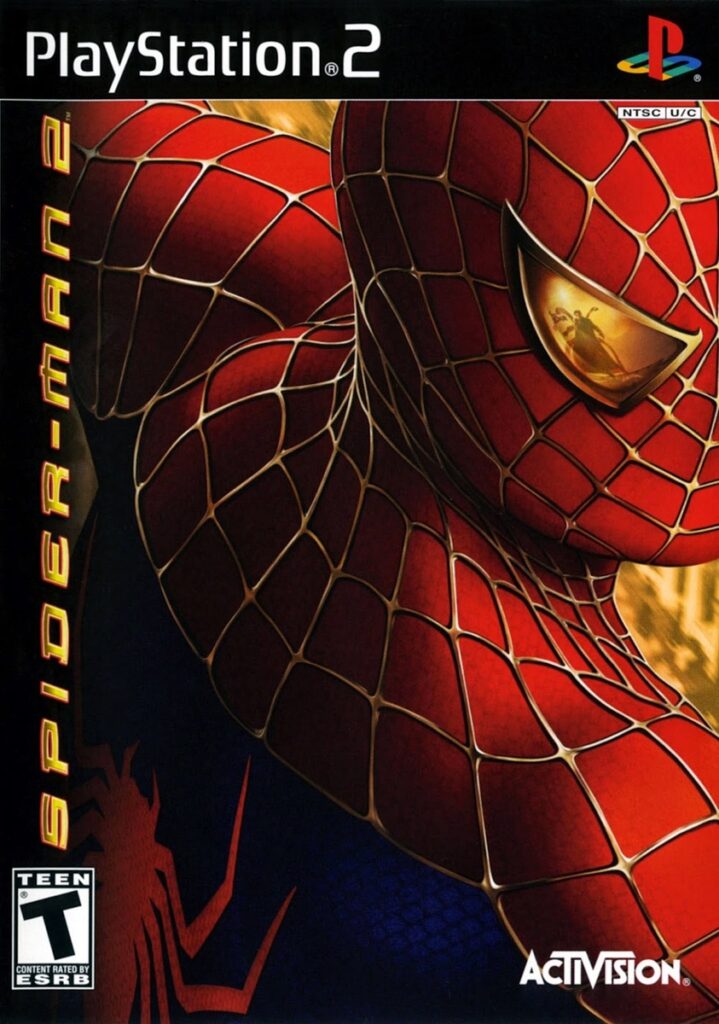
Spider-Man 2 changed how superhero video games are made. The game loosely follows the plot of the movie, showing Peter Parker as he tries to balance his personal life, his fading powers, and the rise of Doctor Octopus. But the best part is the physics based web-swinging system. In earlier games web-swinging usually meant attaching webs to invisible points above the city. In Spider-Man 2 webs stick to the actual buildings, giving players a real sense of momentum, speed, and freedom as they swing through an open-world Manhattan.
Treyarch made traversal into the defining superhero mechanic, forcing players to read the skyline and master movement through the city. Combined with great combat, random crimes, side missions and a living city, Spider-Man 2 didn’t just let players fight like Spider-Man—it let them move like him. It is still a standard by which superhero adaptations are measured.
The Lord of the Rings: The Return of the King (2003, EA Redwood Shores)
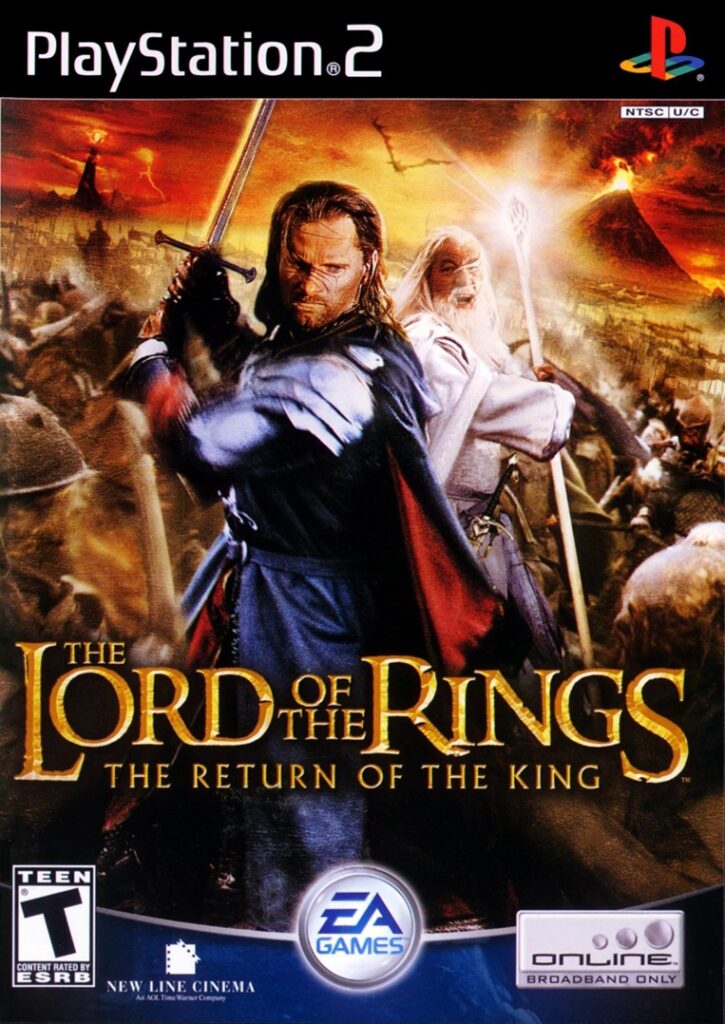
The Lord of the Rings: The Return of the King came out right alongside the movie, and quickly set the bar for movie-based action games. The story picks up after The Two Towers and lets you experience the final battles of Middle-earth through three different storylines: Gandalf defending the city, Aragorn, Legolas and Gimli heading for the Black Gate, and Frodo and Sam heading to Mount Doom.
What makes this game better than other movie adaptations is how well it works as a co-op action game. The combat system really rewards timing, combos, parrying, and character mastery, while each hero has unique abilities and progression. The game also mixes in scenes from the films, so you really feel like you’re part of the trilogy’s biggest battles. Whether you’re defending Helm’s Deep, fighting through Minas Tirith or teaming up with a buddy, Return of the King captures the excitement and fantasy of Tolkien’s world better than most any other licensed game before or since.
The Simpsons: Hit & Run (2003, Radical Entertainment)
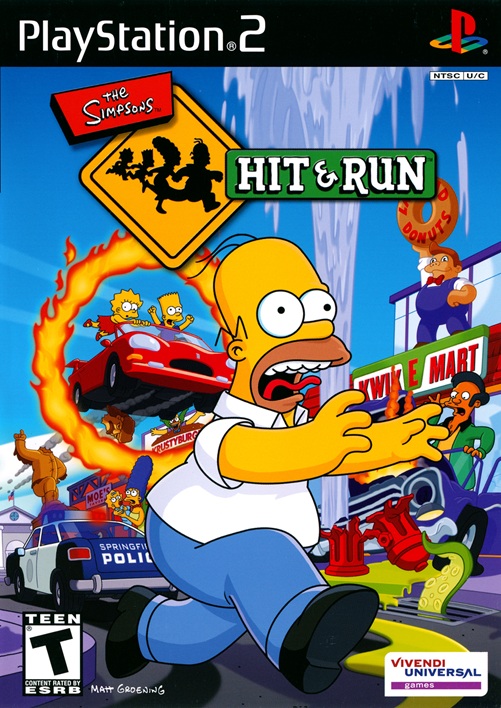
Some people might call The Simpsons: Hit & Run just “Grand Theft Auto for kids,” but that doesn’t do justice to what Radical achieved. Instead of simply adding The Simpsons to a sandbox game, the developers teamed up with the show’s writers and voice actors to make Springfield feel more real than ever before. The story puts Homer, Bart, Lisa, Marge, and Apu at the center of a conspiracy with robotic wasps, hidden cameras, mind-controlling Buzz Cola and the aliens Kang and Kodos.
As you explore and take on missions in Springfield’s different neighborhoods, the game provides smooth sandbox gameplay and an extraordinary amount of fan service. You can visit the Kwik-E-Mart or unlock classic vehicles like the Plow King, and every detail feels like it comes straight from the best seasons of the show. Hit & Run succeeds so brilliantly because it does way more than use the show as a setting, it lets you play through the series.
The Warriors (2005, Rockstar Toronto)
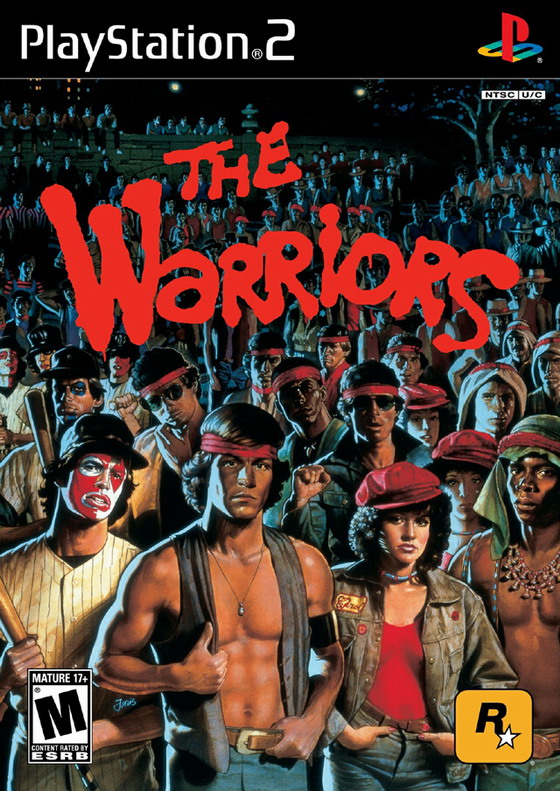
When Rockstar adapted the 1979 cult classic The Warriors, they went beyond just recreating the film. Instead of starting with the gang summit in the Bronx the game acts as a prequel, following the Warriors as they build their reputation in Coney Island before the events that send them on their journey home. After the gang is framed for the murder of the leader of New York’s biggest gang alliance, every crew in the city hunts them down as they fight their way through hostile territory.
Rockstar transformed the classic beat-’em-up formula into a richer, more atmospheric crime experience by mixing combat with gang commands, graffiti, territory battles and character-driven storytelling. With its gritty take on 1970s New York and careful attention to the film’s style and themes, The Warriors shows that a licensed game can do more than just adapt a story, it can actually expand it.
WWE SmackDown! Here Comes the Pain (2003, Yuke’s)
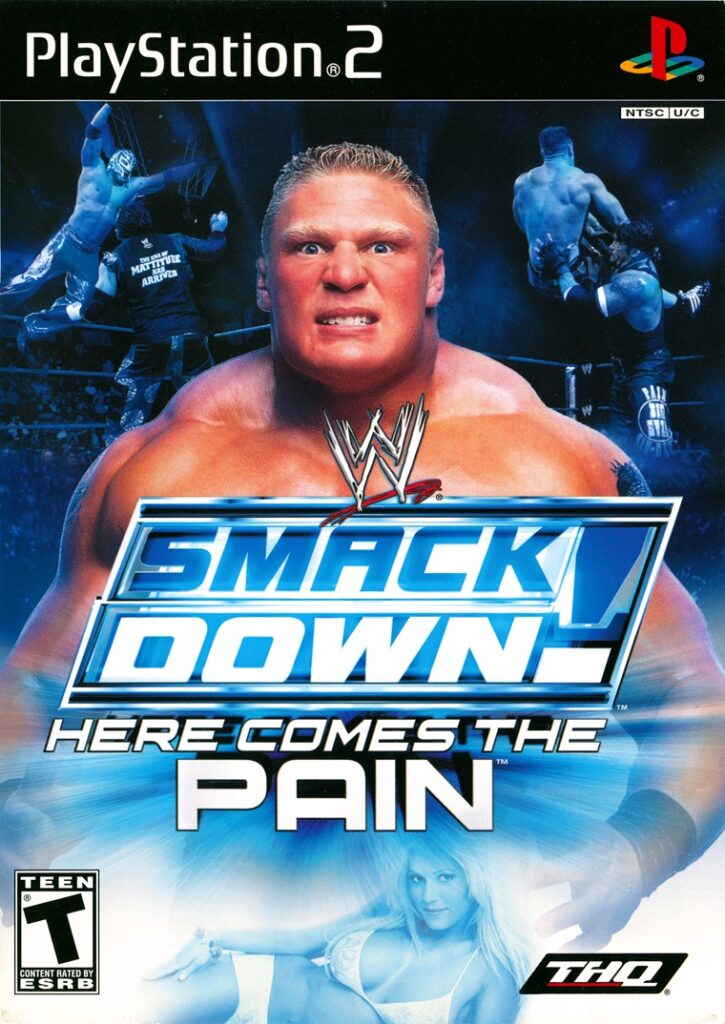
WWE SmackDown! Here Comes the Pain is still seen as one of the best wrestling games ever made. It captured WWE at the peak of the “Ruthless Aggression” era and included more than 60 wrestlers, such as The Rock, Stone Cold Steve Austin, Brock Lesnar (hate that guy), John Cena and The Undertaker. The game is a legend not just for its nostalgic value but also for its outstanding gameplay.
HCtP found the perfect mix between easy-to-learn gameplay and real depth. It added features like weight classes, a body-damage system, better grappling and a more thoughtful submission system. The Season mode let players make their own wrestler, follow storylines, go after championships, and feel the excitement of a WWE career. This was the best wrestling game since WWF No Mercy: it captured the creativity and excitement of wrestling, letting players make their own incredible moments.
WWE SmackDown vs. Raw 2006 (2005, Yuke’s)
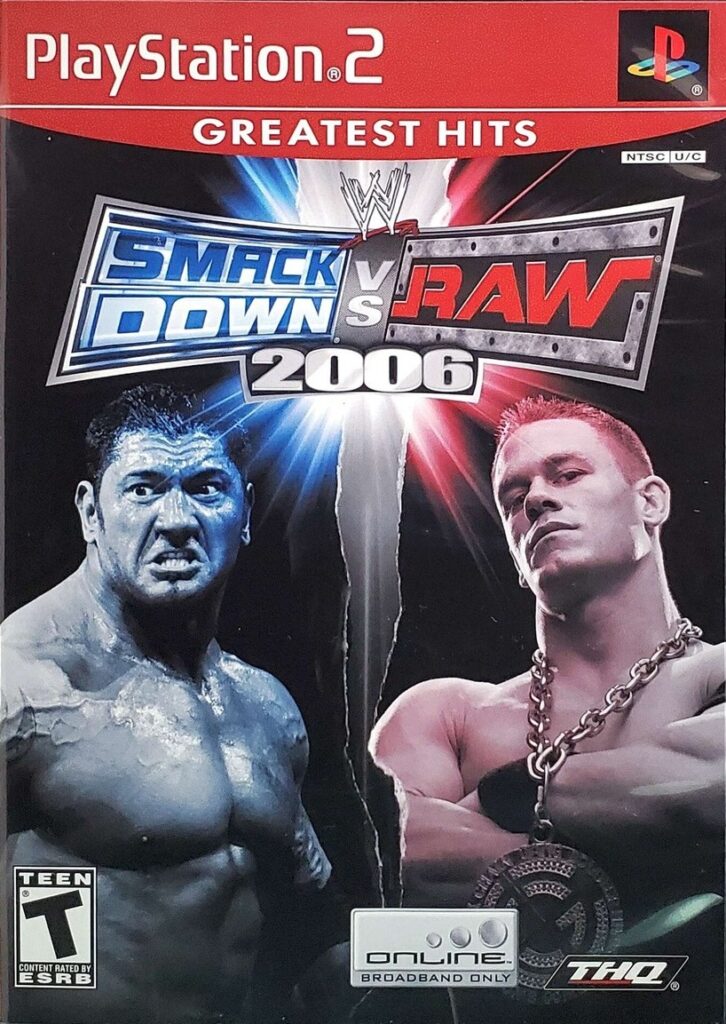
HCtP set the gold standard for in-ring wrestling, but WWE SmackDown vs. Raw 2006 expanded wrestling itself by letting players feel like they were a part of the whole organization. The game marked a big change for developer Yuke’s, introducing stamina and momentum systems that made players think more about how they played each match. But its biggest highlight was the debut of General Manager Mode.
Players could draft their own rosters, manage budgets, set up rivalries and compete for ratings, giving them a taste of what it’s like to run a wrestling brand. The Season Mode had branching storylines, championship battles, and backstage drama too. With better gameplay, more match types and lots of customization, SvR06 became more than just a wrestling game, it was a full simulation of sports entertainment. No Mercy, HCtP and SvR06 are maybe the three best wrestling games ever, and two of them are on the PS2.
That brings me to the end of my list of the best licensed PS2 games, but there is an honorable mention that needs to be included.
Honorable Mention — The Punisher (2005, Volition)
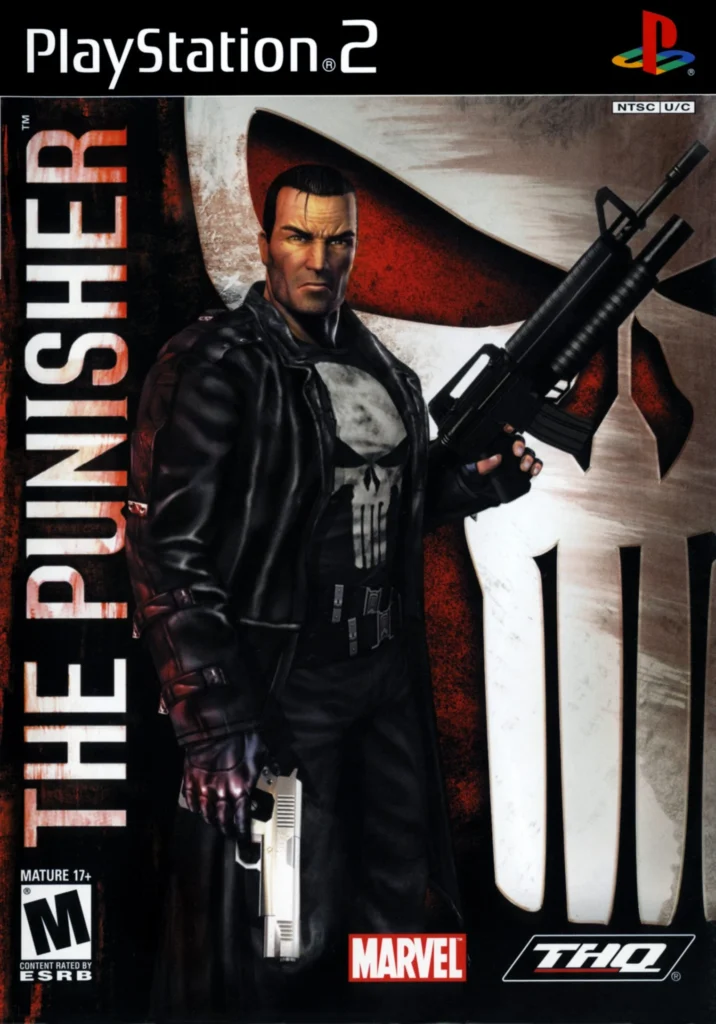
The Punisher might not have the mechanical depth of games like Spider-Man 2 or Def Jam, but it deserves recognition for being one of the most faithful comic-book adaptations of its time. The story follows Frank Castle as he wages war against the criminal organizations responsible for his family’s death, such as the Gnucci crime family, the Russian mob and the Yakuza.
What makes this game so impressive is how fully it captures Castle’s merciless worldview. Along with third-person shooting and a wide arsenal of weapons, its main feature is an interrogation system where Frank gets information from enemies through increasingly extreme environmental threats. The game is straightforward and can feel repetitive but its tone, violence, and character portrayal are always consistent. The Punisher does a great job of letting players step into Frank Castle’s shoes.
This is my list of the best licensed PS2 games. Whether you agree, disagree or think I missed one let me know in the comments below.