The Five GMing Philosophies Every Game Master Should Understand
Most tabletop RPG rulebooks focus on teaching you the mechanics: they explain how combat works, how armor class is calculated, how to resolve a skill check and how many feet a spell reaches. Very few of them show you how to actually run a game.
When GMs hit a wall, like when a campaign stalls, the table loses energy, or prep starts to feel like a second job, the usual instinct is to look for more techniques. If that doesn’t work they often switch to a new system, hoping a different set of rules will fix the problem. It rarely does, and that’s because system mastery is not GM mastery. Being a great GM isn’t just about knowing the rules, it’s about understanding the philosophy behind running the game.
If you run every RPG the same way you’ll end up working against the design of the game you’re playing. A GM who uses the same approach for Burning Wheel, Call of Cthulhu, and D&D will misunderstand at least two of them.
Great GMing is not really about having a bunch of techniques, it’s about having a set of core ideas about what you want your RPG sessions to achieve. Every Game Master eventually runs into the same questions, whatever they are running:
1. What is your role?
2. How do you build a world?
3. How do you create situations?
4. How do you manage people?
5. How do you stay motivated to keep doing it?
You don’t need a shelf full of GM books to become a great Game Master, what you really need is an understanding of how to answer the fundamental questions every GM eventually faces.
Each of the books I list below stand for a different philosophy that answers one of those questions. I’ll include links if you’re interested in getting them. You don’t have to agree with every page in any of these books, I don’t. But if you understand the philosophy each one is trying to teach, you’ll be equipped to open almost any RPG and run it according to its own strengths instead of forcing every game into the same mold.
1. What Is Your Role? The Philosophy of the Referee
The Book: AD&D 1e Dungeon Masters Guide (Gary Gygax)
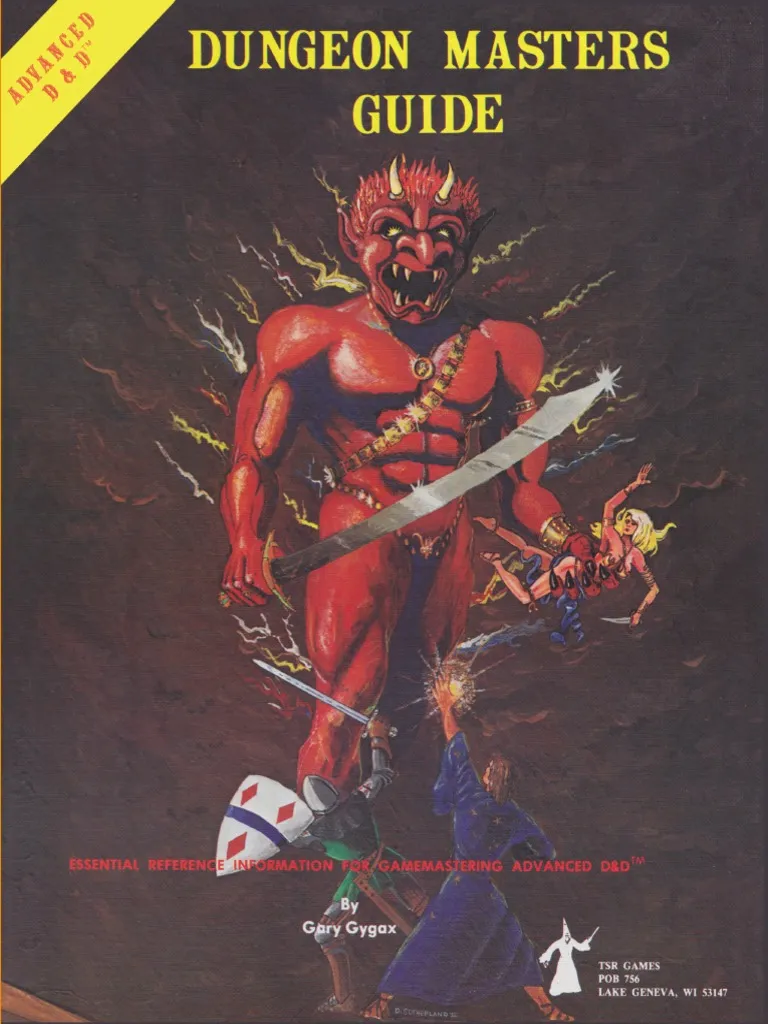
Before you can prep an adventure or run a game, you need to answer a basic question: What is the Game Master’s actual job?
Gary Gygax’s 1e Dungeon Masters Guide gives a clear, foundational answer: the GM is an impartial referee. What makes the DMG remarkable is that it’s a lot more than just a rulebook. Gygax wasn’t just explaining how to run AD&D, he was sharing a whole philosophy for Game Mastering. The book covers topics like making decisions, building worlds, economics, politics, keeping track of time, and dealing with surprises. Almost no RPG books have tried to teach the art of being a GM with the same scope and ambition. As Gygax himself wrote, “To become the final arbiter rather than the interpreter of the rules can be a difficult and demanding task, for your players expect to play this game, not one made up on the spot.”
The core philosophy here is simple but transformative: The GM is not the author of a story with a predetermined ending, they are the referee of a world where meaningful choices and consequences create the story. That means the world runs on its own, no matter what the players want. Monsters don’t get easier if the group makes a mistake, and villains don’t get dumber just because the story needs to continue. Dice aren’t for creating drama, they’re for settling things fairly.
In Gygax’s view the story comes out of the game as you play, and the GM’s job is to show the world as it is and judge what happens. If players come up with a great plan they win, and if they make a big mistake they face the consequences. The GM doesn’t secretly change things to save the story or protect the group from their own choices.
Ironically, this is what gives players the greatest freedom. When the world reacts in a consistent way, instead of accommodating to fit a set story, what players do really matters. Success feels deserved. Failure has real results. Players can come up with creative solutions because the GM isn’t pushing them toward a certain scene or ending. The importance of this can’t be overstated, because real player choice depends on this idea.
As soon as a GM decides that a certain story outcome has to happen, player choices start to matter less. No matter what kind of game you’re running, using the referee approach makes decisions count. It gets players involved with the world instead of just trying to figure out what the GM wants.
2. How do you build a world? The Philosophy of Living Worlds
The Book: Worlds Without Number (Kevin Crawford)
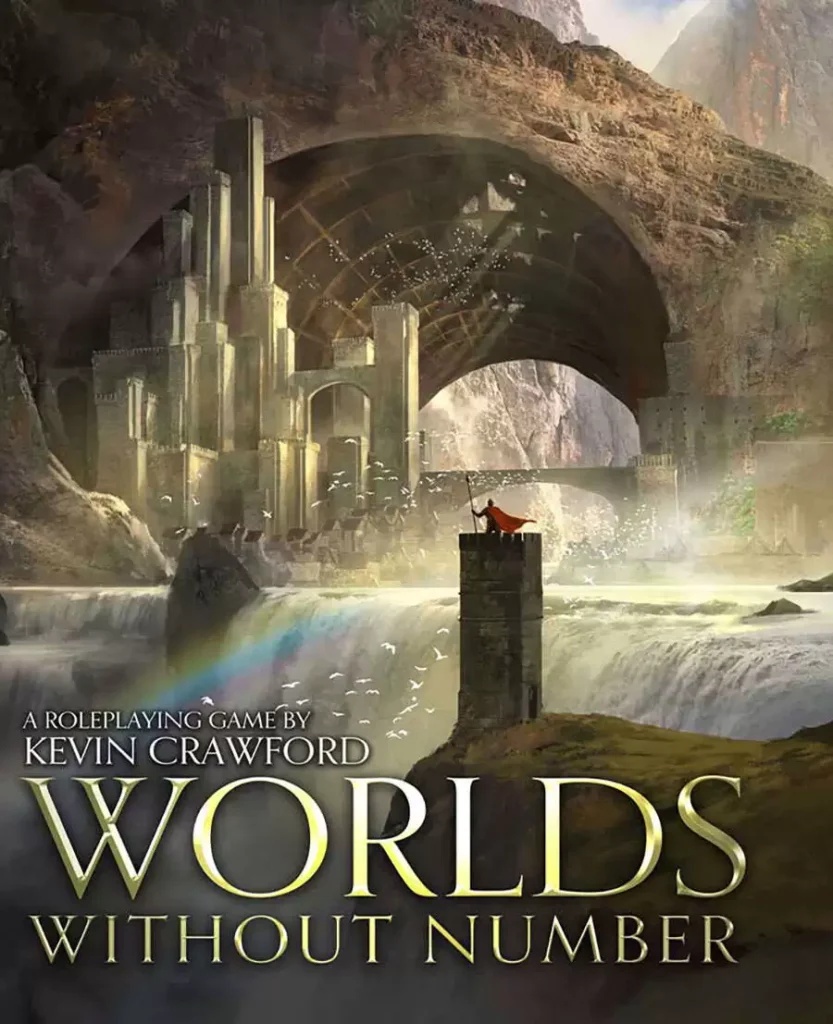
Once you adopt the referee mindset, the next question is: What exactly are you refereeing? Some GMs see a setting as a movie set: a static backdrop that stays still until the player characters step into view. I also discuss this book on my post The Most Complete One-Book TTRPGs.
Worlds Without Number presents a completely different method: viewing the world as a separate ecosystem. Crawford’s major achievement is that he turns a philosophy which many game masters already understand intuitively into a practical set of tools. While the concept of a living world is easy to explain, it’s a lot harder to create one that actually works when playing the game. Did I mention the book is free?
This philosophy is all about off-screen momentum. Instead of scripting every global event by hand, Crawford provides practical tools like faction turns, tags, rumor tables and other world-building aids. These keep the setting active whether or not the players are there. Kingdoms grow, enemies follow their own plans, resources change, alliances shift, and new opportunities appear on their own.
Why is this essential regardless of system? Because it creates real consequences instead of staged ones. When players return to a region after three months of adventuring they don’t find a world frozen in time, they find a place that has changed because life continued without them. The setting stops feeling like a backdrop and starts feeling like a living place.
Just as important, Crawford changes how GMs prepare. Instead of inventing every future plot point, you build systems that generate them naturally. This is more than just making a better sandbox. Whether you run Traveller, Vampire: The Masquerade, or classic fantasy, a world with its own momentum gives players something real to interact with. It usually surprises the GM as much as the players.
3. How do you create situations? The Philosophy of Adventure Construction
The Book: So You Want to Be a Game Master (Justin Alexander)
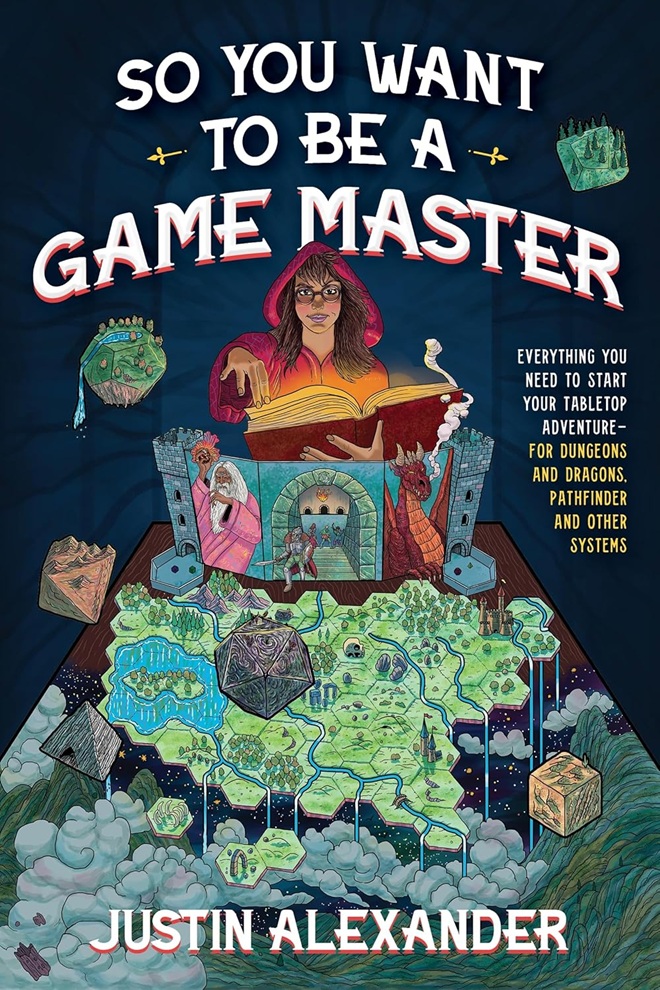
Once you have the referee mindset and a living world in place, your next step is to build tonight’s session.
Traditional prep often makes GMs write stories instead of scenarios: “The players meet a contact, travel to the ruins, find the key, and stop the ritual.” But if the players don’t trust the contact, skip the ruins, or find a solution you didn’t expect your prep can fall apart. You might end up forcing them back onto your planned path or improvising everything.
Alexander suggests a different approach: don’t prepare plots, prepare situations.
A plot is a fixed sequence that the GM controls. A situation is a dynamic environment with a problem, a location, and NPCs who have their own goals, resources, and obstacles, but there is no set solution. The GM sets up the important parts and lets player choices decide what happens next.
This idea is at the heart of Alexander’s approach to adventure design. Good adventures aren’t just scripts, they are frameworks full of possibilities. You create factions, clues, locations, and consequences, and then let the players interact with them any way they want. Good design expects players to surprise you and offers several ways forward while keeping the main situation in place.
That’s why this way of thinking matters no matter what game you run, because situations are what make player choices meaningful. If players come up with a plan you did not expect, your prep still works. You just go back to the situation, use your referee mindset, and decide how the world reacts.
Whether you are running an investigation in Trail of Cthulhu, a heist in Blades in the Dark, or a dungeon crawl in Dungeon World, the main idea is the same: set up the conditions for a story to develop, instead of trying to write the story ahead of time.
The Pivot: From Intellectual Theory to Human Reality
By now you have put together the key parts of being a great GM: you know your role, you have created a living world, and you set up situations where player choices really matter. But tabletop RPGs are not played in isolation. Real people gather around the table, each with busy lives, different expectations, changing interests, and only so much time to spare.
Even the best game engine and a well-designed adventure do not matter if the group can’t work together or the GM cannot keep going. The last two philosophies focus on a challenge every campaign faces: the people at the table and the GM running the game.
4. How do you manage people? The Philosophy of Campaigns and Players
The Book: Strike Force (Aaron Allston)
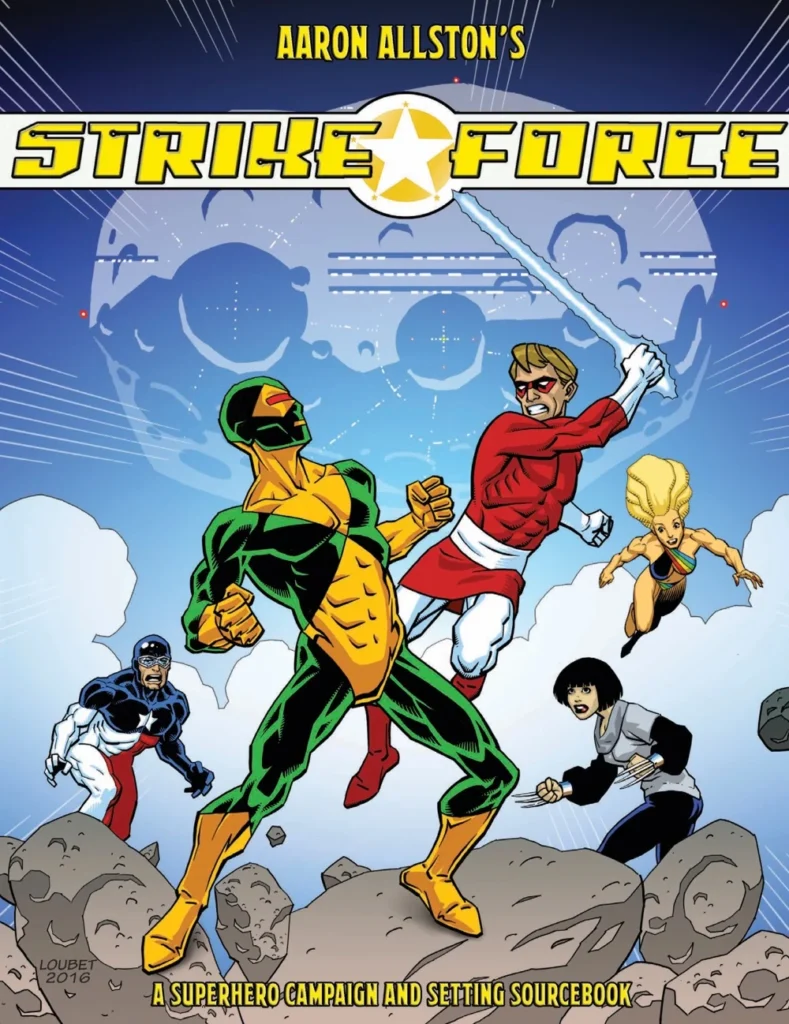
Gygax teaches you your role, Crawford and Alexander teach you how to build worlds and situations. Allston asks a question that comes up in every long-running campaign: how do you keep real people invested and working together? This is a criminally underrated book, and crucial for long-term group functioning.
Strike Force introduced something crucial: a campaign is a living social organism.
Allston’s advice is based on his experience running a long-term Champions campaign, but his lessons work for any RPG. He moves the focus from managing characters to managing people. Players come to the table with different goals: some want tactical challenges, some want character drama, some want to explore, and some just want to hang out with friends.
A good GM knows not everyone wants the same thing. They notice these differences, set clear expectations, and help build a group where everyone understands the kind of game they are making together.
Perfect game prep doesn’t matter if the group’s social agreement falls apart. Campaigns usually don’t end because of a single bad rule or encounter. They end when people’s expectations no longer match, communication fails, or the group stops feeling like a place people want to come back to.
The first three ideas help the game work, but Allston gives you the tools to make people want to keep coming back.
5. How do you keep doing it? The Philosophy of Sustainable Preparation
The Book: Return of the Lazy Dungeon Master (Mike Shea)
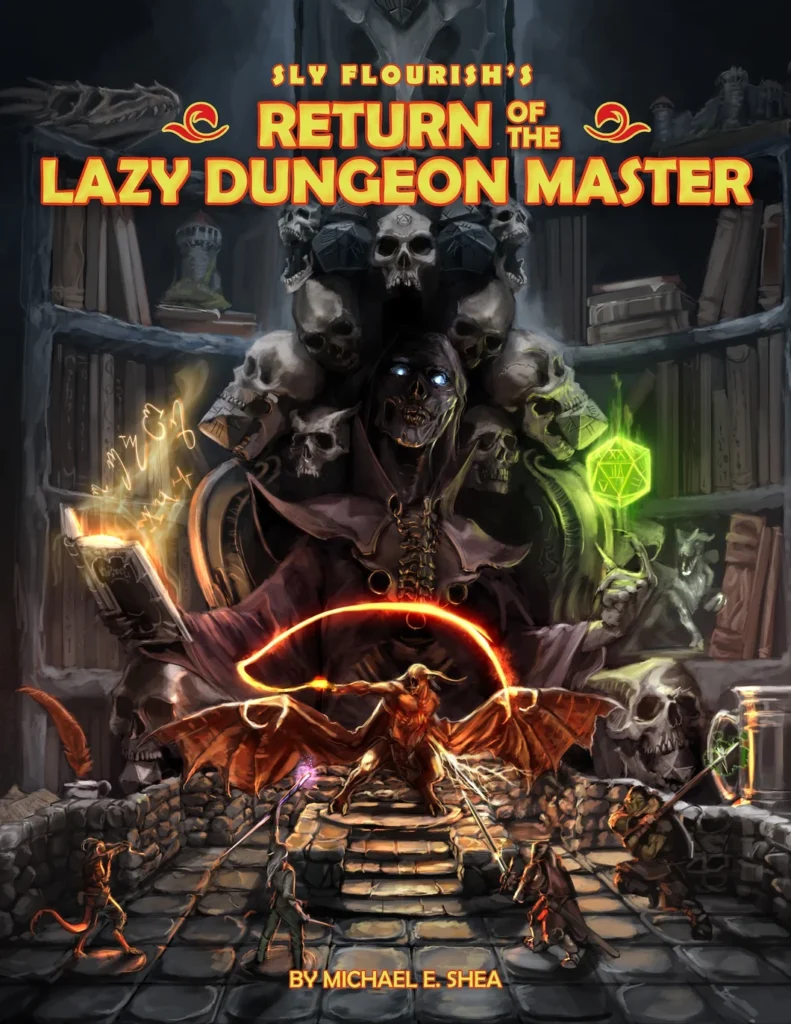
You already understand your role, your world, your situations, and your players. The last big challenge is this: how do you keep running games week after week without burning out? Too many GMs spend hours making material that never gets used, like detailed lore, minor NPCs, elaborate encounters, and plots the players never find. After a while all this prep stops being helpful and starts to feel like a burden.
Return of the Lazy Dungeon Master shares a very simple idea: focus your prep on what really makes the game better right now.
This approach is not about taking shortcuts, it’s about putting your effort where it counts. Shea’s method highlights knowing the characters, setting up a strong beginning, picking out likely scenes and getting secrets, clues, and flexible options ready so you can adjust as you play.
Consistency is way more important than perfection. If a GM burns out they can’t run a great campaign, no matter how amazing their worldbuilding or adventure design is. Sustainable prep protects the most important thing in any game: the GM’s energy to keep coming back.
Conclusion: A Complete Architecture
These five philosophies cover the main challenges every Game Master deals with: knowing your role, building worlds, creating situations, managing people, and staying consistent week after week. The first three focus on the thinking side of being a GM. They shape how the game works: being a fair referee, building a world that feels alive, and setting up situations where player choices matter. The last two deal with the people at the table and the limits of the GM.
Together, these ideas give you a full framework for understanding how to be a Game Master. When you look past one-off tips and advice for specific systems, you will stop struggling with your games and start running them with purpose.
Great GMs do more than know the rules; they design experiences. But the experience they create depends on understanding the philosophy behind the game they are running. A deadly fantasy adventure requires a fair referee; a collaborative heist requires situations that encourage creativity; a long-running campaign requires strong group management and preparation that can be sustained. Instead of trying to fit every RPG into the same pattern, you can focus on the most important question: What kind of experience is this game designed to create, and what does it expect from me as a GM?
That question is central to my Beyond D&D series. We’ll look at twelve different RPGs, each offering a different experience—from investigative horror and political drama to collaborative storytelling and open exploration. The goal isn’t just to find other options besides D&D, but to see how each game is meant to be played.