Sophie Cunningham Finger Point: The Real Story Behind the Meme
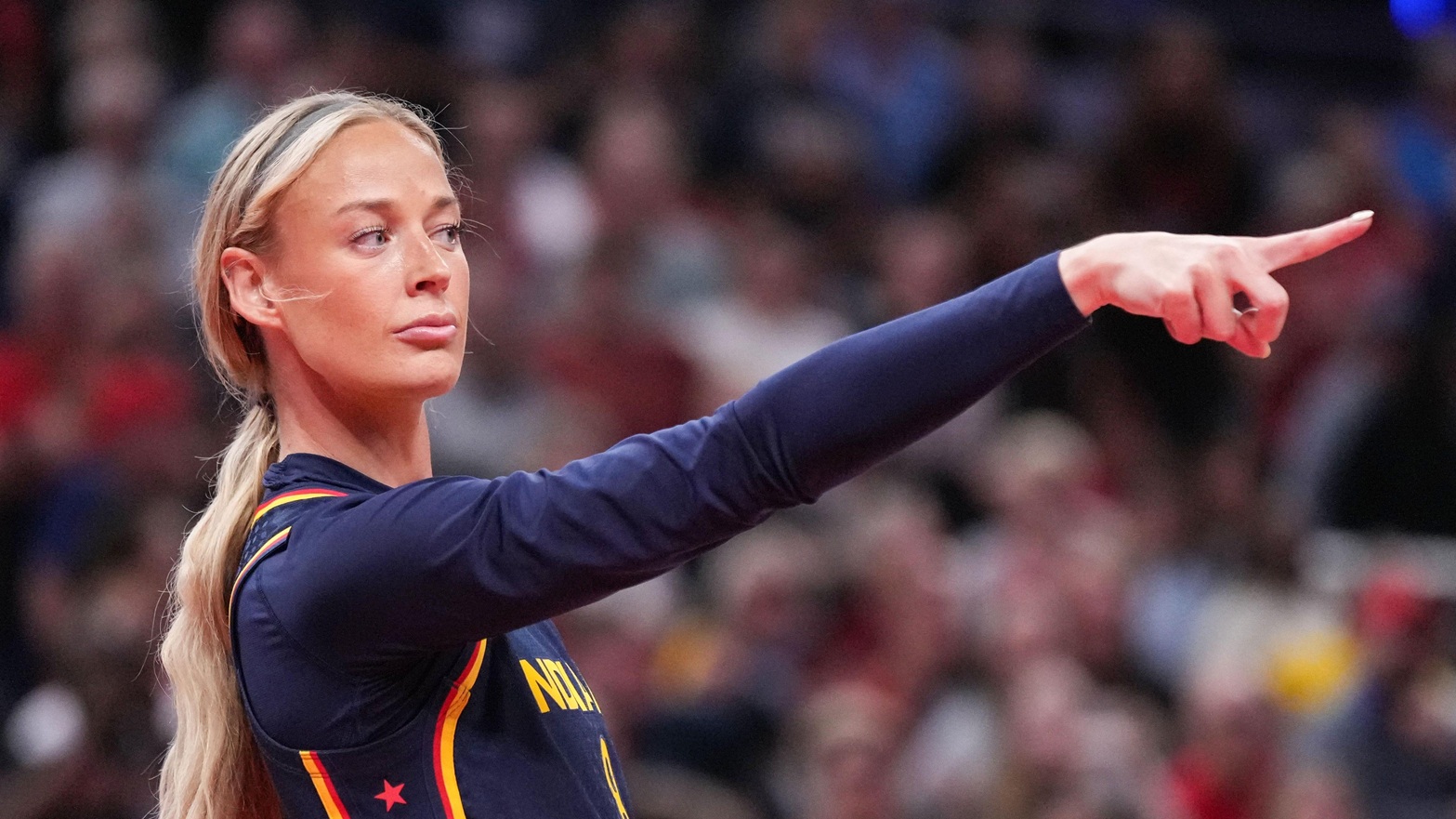
On June 22nd, Indiana Fever guard Sophie Cunningham pointed her finger at Phoenix Mercury veteran DeWanna Bonner and held it there for twenty-two seconds. She didn’t talk. She didn’t blink. She just pointed. The internet turned it into a meme within hours, but what got lost in the jokes is what that finger was actually saying, and why it needed to be said at all. Here’s the full video.
Cunningham wasn’t clowning. She was sending a message on behalf of a team that had learned, through two years of watching their franchise player get hit, undercut, elbowed, and knocked to the floor, that the league wasn’t going to protect her. So they would.
In college, Clark became famous by breaking scoring records and attracting huge audiences with her skills. But when she turned professional, she became more than just a player—she became a major force in the league’s business. The results of this massive growth are obvious: packed arenas, soaring merchandise sales, charter flights, and huge TV deals.
But all the money brought tension, as we know. In a league built mostly by Black women who spent decades playing for low pay and little recognition, seeing a White rookie handed mega-million-dollar deals and signature shoes feels like a glaring double standard from corporate America. That is why the resentment goes deep—it’s not just about money, it’s about who society chooses to reward, turning regular games into bitter battles over identity and respect.
Some of this can be explained without bringing race into it. Clark’s playing style does create problems for defenders, and some of the physical play matches how teams have always guarded top shooters. WNBA officiating was inconsistent before she joined the league, and veterans may feel some resentment toward a new star. But it doesn’t explain why the hostility toward Clark has been so much more intense, why it lasted beyond her rookie year, or why real-time protection stayed so inconsistent even after clear escalation. When you add in the economics—one player bringing in more than 25% of league revenue while veterans who built the league saw big sponsors show up after she arrived—race isn’t just a side note. It’s what makes everything more intense.
During her first year commentators brushed off the rough treatment Caitlin received as normal for new players, it was just ‘rookie hazing.’ By her second year that excuse no longer held up. When NBA stars like LeBron James and Charles Barkley spoke out, they pointed to a double standard: in most sports, a player who brings in big money is protected. In the WNBA Caitlin’s race, wealth, and rocketing rise in marketing made the hostility even stronger.
There’s a big difference between “tough play” and outright targeting when actions went beyond normal basketball, such as close-outs designed to undercut her landing space or hitting her in the throat. The main reason for the growing brutality on the court is inconsistent refereeing, as WNBA officials have often failed to control that kind of play against Clark as it happens. This week alone I can point to this pattern:
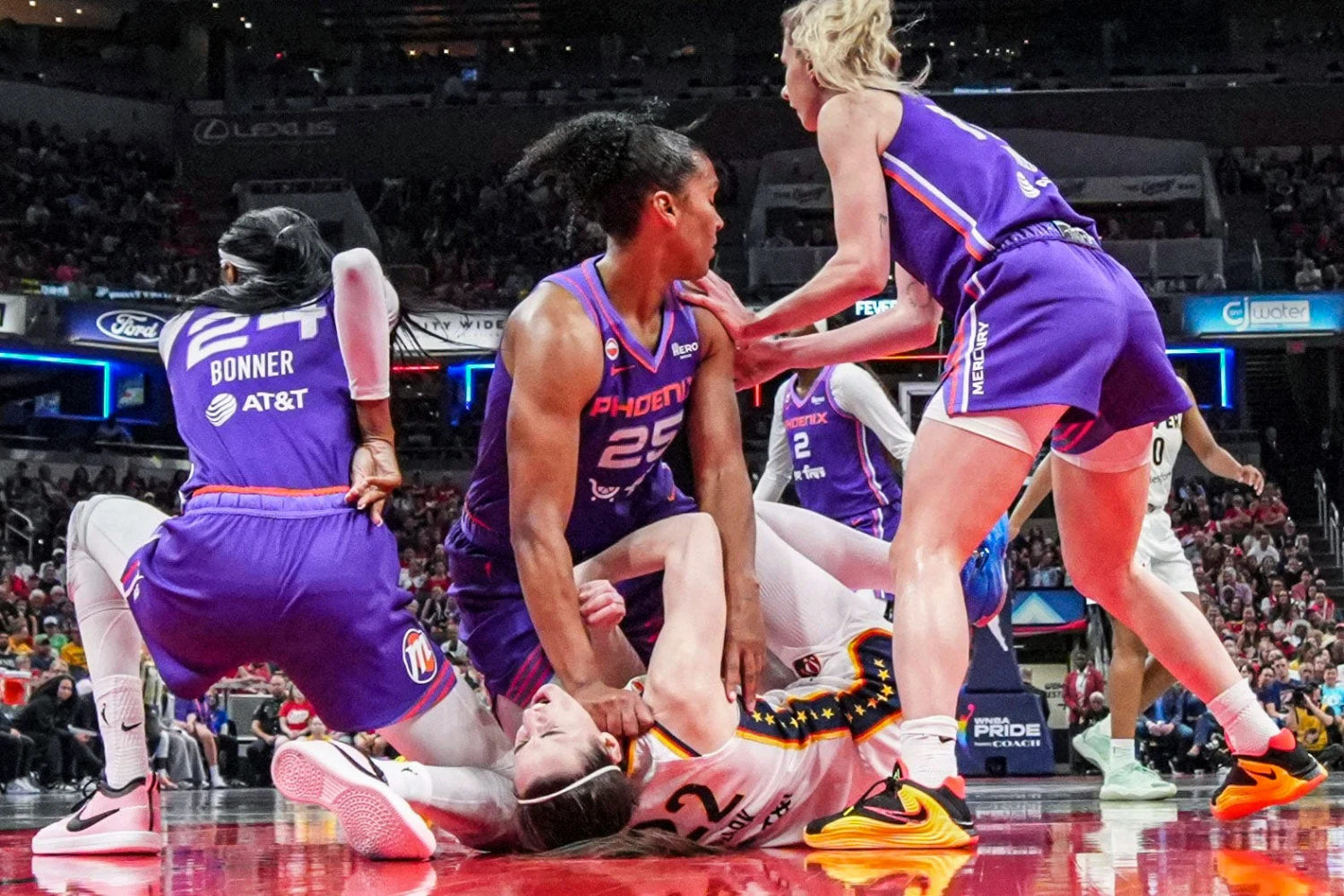
June 22: During a matchup with Phoenix, Clark is targeted by DeWanna Bonner while the ball is nowhere near her, leading to an aggressive exchange. The sequence highlights a lack of early game control by refs, resulting in five rapid-fire technical fouls, including Sophie Cunningham for pointing at Bonner. At the end, it was Bonner who was granted a technical free throw.
June 24th: In the rematch, Mercury forward Alyssa Thomas delivers a fist to Caitlin’s throat and a knee to the groin as she’s on the floor. The game officials miss the call entirely, calling no foul on the play. Clark later exits with a back injury.
June 25th: Following intense public backlash and post-game review, the WNBA league office overrides the on-court officials, retroactively upgrading Thomas’s action to a Flagrant Foul 2 and issuing a one-game suspension.
When the league relies on post-game reviews instead of blowing the whistle on the court, it sends a dangerous message to opponents: you can get away with hitting her in real time. If the refs won’t step in to protect a player from a fist to the throat, other teams are basically given a green light to keep pushing the limits until someone gets seriously hurt.
Since the league’s rules did not keep players safe, the Indiana Fever team had to adjust on its own. They stopped relying on referees and started protecting their teammates themselves.
Sophie Cunningham’s now-famous 22-second finger-point at DeWanna Bonner came from this change. It was a clear message from a team that knew its star player was not being protected. Cunningham later said on her podcast that everyone in the locker room knew the league was not doing its job.
The viral memes that followed treated the gesture as a lighthearted pop-culture moment, but the underlying reality was dead serious: when a league refuses to police targeted physical abuse, the players on the floor will eventually enforce their own boundary lines. So, good for Sophie Cunningham. Whether or not this turns into something positive for Caitlin Clark, or for the WNBA, it’s nice to see CC getting support.
My Sports Hub