The Most Controversial American Movies Ever Made, Part 1
Part 2
After finishing my project on the 100 best American Movies of the 20th century worth watching today, I thought the next most interesting project would be the most controversial movies that hold up today. These are high-quality movies that still grip you as a modern audience and make you wrestle with how you feel about it. Once again, I had in mind an average 25-year-old with zero nostalgia and zero era-based forgiveness. I have loosened my constraints for what I consider an American movie: it just means an American director, or it was shot in the US and had American actors in key roles.
I did not consider a film because it contains violence, sex or profanity, or because someone disliked its politics. I also avoided films that were only trying to be edgy or disturbing. A movie counted as controversial if the subject matter itself is controversial, or the subject matter is controversial AND the manner of depiction is controversial, or the artistic treatment itself is central to the controversy. It should go without saying that these movies are not for everyone.
Here is part 1 of the movies that made the list, in chronological order:
Controversial Feature Films
Freaks (1932, Tod Browning)
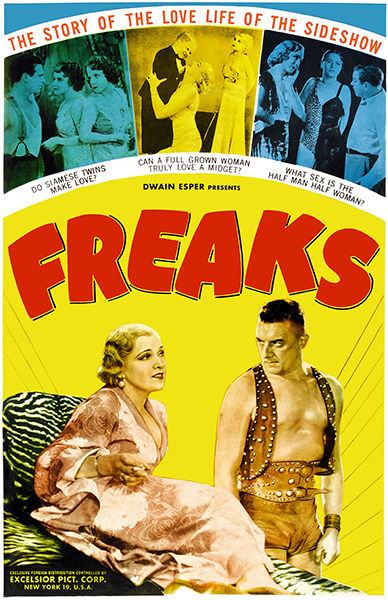
The director followed Dracula with Freaks, and it pretty much wrecked his Hollywood career. Nearly a century later it’s still one of the most provocative films a major studio ever released. The setup is classic circus melodrama. Hans, a sideshow performer, falls for Cleopatra, a glamorous trapeze artist who has her eye on his inheritance. Around them, the rest of the troupe goes about its business, and the film lingers on their friendships, routines, and loyalty. Things get ugly when Cleopatra assumes crossing them costs nothing.
The main controversy was the casting. Browning used real sideshow performers with visible disabilities instead of makeup, and audiences in 1932 were shocked. The film was edited, pulled from theaters, and banned in some places for years. It moves back and forth between moments of tenderness and discomfort, never telling you how you should feel. But it’s also well-paced, atmospheric and gripping, with an ending that still lands. And you don’t need film-history goggles to watch it. It’s also streamable on YouTube.
Baby Face (1933, Alfred E. Green)
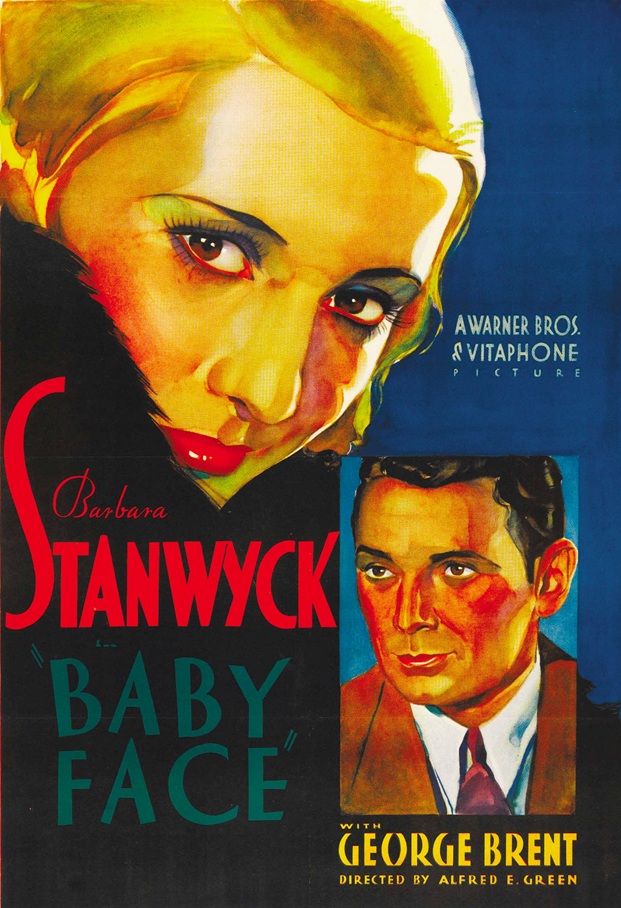
If you’re curious about why Hollywood began to censor itself, Baby Face is the best place to look. Barbara Stanwyck stars as Lily Powers, a speakeasy worker who listens to a stranger’s Nietzsche-inspired advice: instead of letting men use her, she should use them. She gets a job at a big Manhattan bank and climbs the ladder, moving up with the help of each man she meets.
The real controversy isn’t that Lily has affairs, but how the film shows it. After each “encounter” the camera moves up the outside of the bank, making her rise feel stylish and exciting. Censors edited the original version, but the movie never really treats Lily as some kind of cautionary tale. Is she in control or just doing what she’s learned? The film is quick, witty, and clever, and Stanwyck is still captivating to watch.
Gone with the Wind (1939, Victor Fleming)
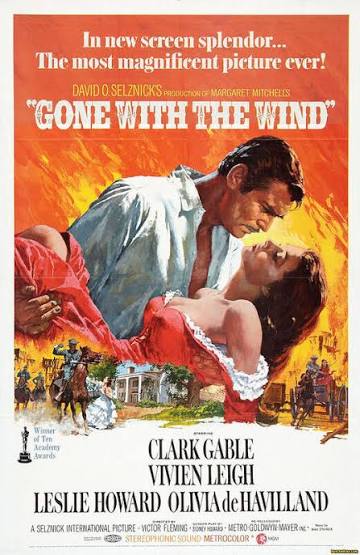
Gone with the Wind is a spectacular movie about a world that it really wants you to miss. It almost made my top 100 except for the controversy for the modern viewer, which is why its perfect here. Scarlett O’Hara is a spoiled Georgia plantation heiress whose determination to survive the Civil War is just as fierce as her pursuit of a man she can’t have. She schemes, adapts, and fights to keep her family’s home, while Rhett Butler keeps seeing through her. Scarlett isn’t easy to like, but she’s hard to stop watching.
I still think Scarlett is the single greatest female character in the history of cinema, and Vivien Leigh gives an immortal performance. The trouble is that the movie wants you to mourn alongside her, for the way things were before the Civil War. Its music, gorgeous color and enormous sets make the antebellum South feel worth saving, while its enslaved characters appear loyal and the brutality of slavery stays out of sight. That’s not a flaw you can set aside as “of its time”, it’s woven into how the movie works. The storytelling still has incredible power because it’s one of the best-made films of all time, but it definitely belongs on my list.
Imitation of Life (1959, Douglas Sirk)
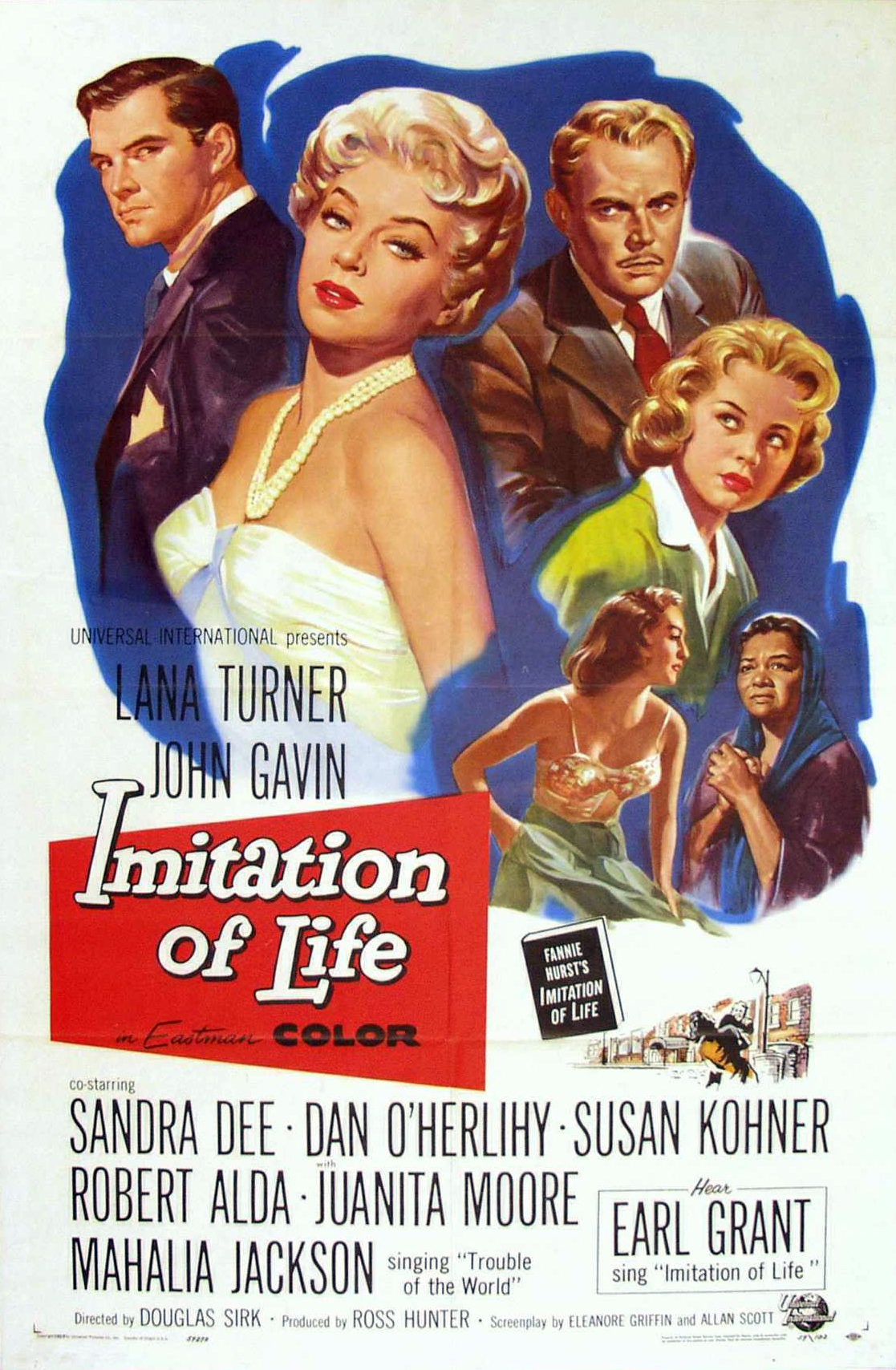
On the surface, Imitation of Life looks like peak 1950s candy from the studio system: glossy, star-studded, and all in Technicolor glory. Lora is a White actress chasing after fame, and Annie is the Black housekeeper who keeps her household running while raising her own daughter under the same roof. The film’s emotional tripwire is Annie’s light-skinned daughter, Sarah Jane, who tries to escape the racism around her by passing as White.
The controversy isn’t so much the subject itself, it’s the director’s style in how he treats it. Mirrors, glamour, and heightened emotion make the world feel artificial, and defenders see that as a glossy surface exposing the hollowness underneath. Skeptics wonder whether a film this shiny can truly center the people it hurts. Either way, it’s not the dated weepie you’d expect, and Juanita Moore’s performance alone makes it worth your time.
Psycho (1960, Alfred Hitchcock)
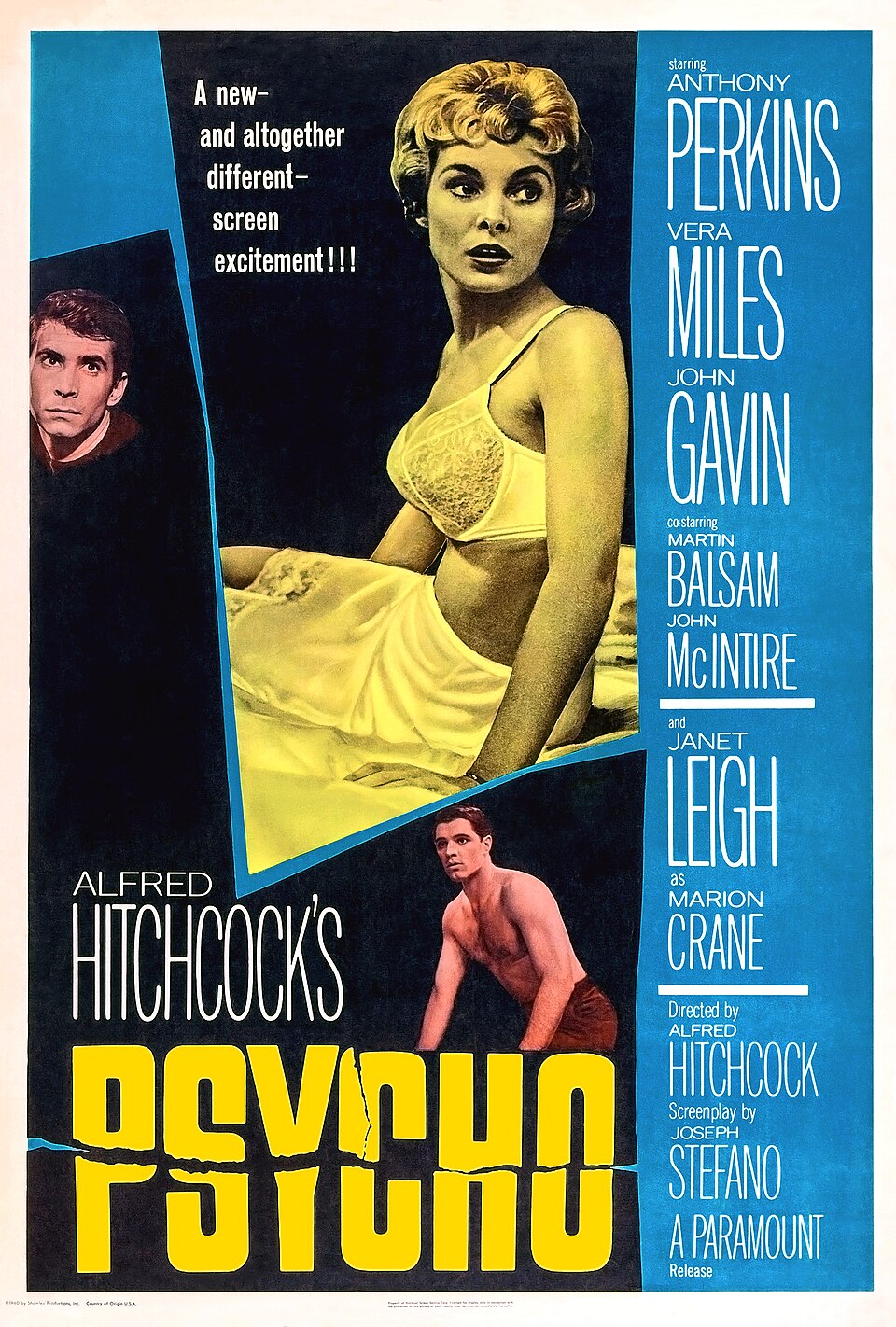
Alfred Hitchcock didn’t just make a thriller with Psycho, he broke the unspoken agreement between filmmaker and audience (I’m not telling you how). Marion Crane impulsively steals $40,000 from her boss and hits the road. Rain ends up driving her to stopping for the night at the Bates Motel. Norman, the quiet young owner, seems harmless but a bit odd, and that’s all you need to know before watching. In fact it’s better not to know more.
The real controversy isn’t that Hitchcock showed violence but how he made you feel part of it. The camera draws you in, the editing makes you imagine more than you see, and the film keeps twisting your sympathies. Critics and audiences have argued over whether that was brilliant or manipulative, and it still leaves some viewers uneasy. Terrific performances are just icing on the cake, and even if you know its reputation it grabs you and doesn’t let go, all the way up to the last image.
Lolita (1962, Stanley Kubrick)
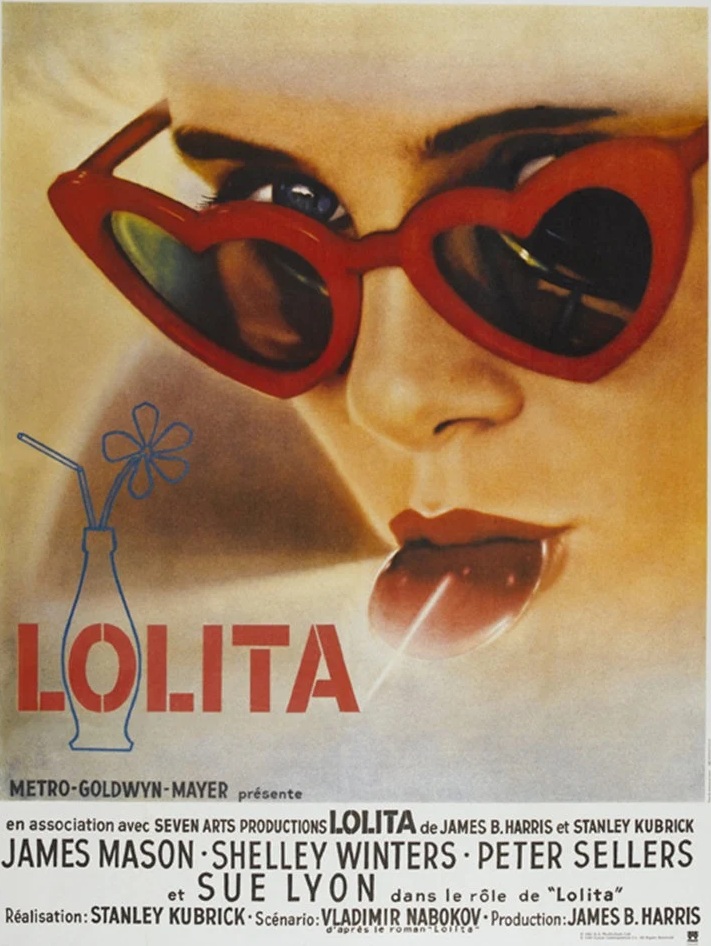
This is the poster boy–er, girl, for controversial films. Humbert is a middle-aged European professor who moves to a small New Hampshire town and looks at renting a room from a widow, Charlotte Haze. Then he meets her teenage daughter, Dolores, whom he starts calling Lolita. He finds himself being powerfully drawn to her and wants to have sex with her, and he takes the room to stay close to her.
Kubrick’s genius turns Lolita, a story of abuse, into an unnervingly funny black comedy, using innuendo and absurd encounters that a more direct film might have shown as harm. Peter Sellers is great and only adds to the strange, off-balance mood. That approach is the controversy. Are we laughing at Humbert’s self-deception, or being drawn so close to his version of events that Dolores gets pushed out of view? The film doesn’t make that question easy, and its sharp performances keep it mesmerizing even when you’re uncomfortable with what it leaves unsaid.
The Pawnbroker (1965, Sidney Lumet)
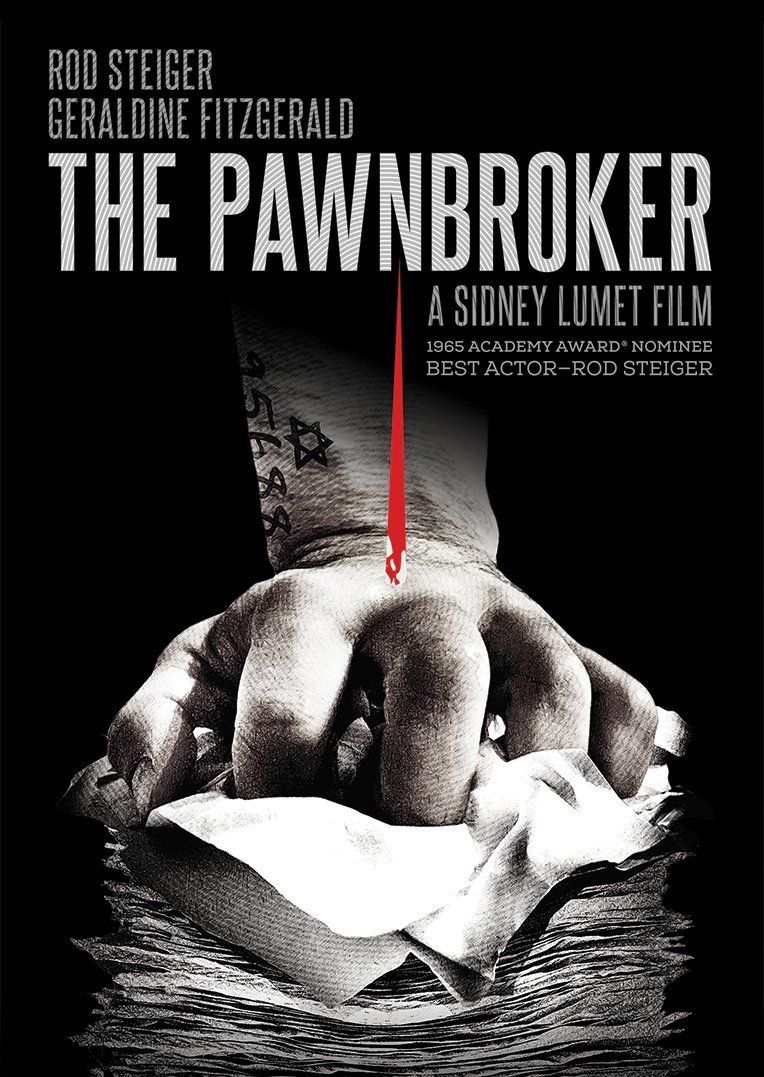
Sol Nazerman survived a Nazi concentration camp and now runs a pawnshop in Harlem, where he treats all his customers with cold contempt. We quickly learn he has shut off his feelings and emotions completely. His young assistant tries to reach out to him, but Sol continues to keep his distance. Then, suddenly, memories begin to break through. A sound, a face, or a street scene suddenly takes him back to the camps, and Lumet edits these moments so sharply that we feel the shock along with Sol.
That’s why The Pawnbroker is included here. It was one of the first American films to focus on a Holocaust survivor’s life after the war, and it challenged the Production Code with a scene of nudity, helping to change what movies were allowed to show. The way it puts you inside a survivor’s mind was also totally groundbreaking at the time. The film is a bit harrowing, understandably so, and Rod Steiger gives an Oscar-nominated performance.
The Wild Bunch (1969, Sam Peckinpah)
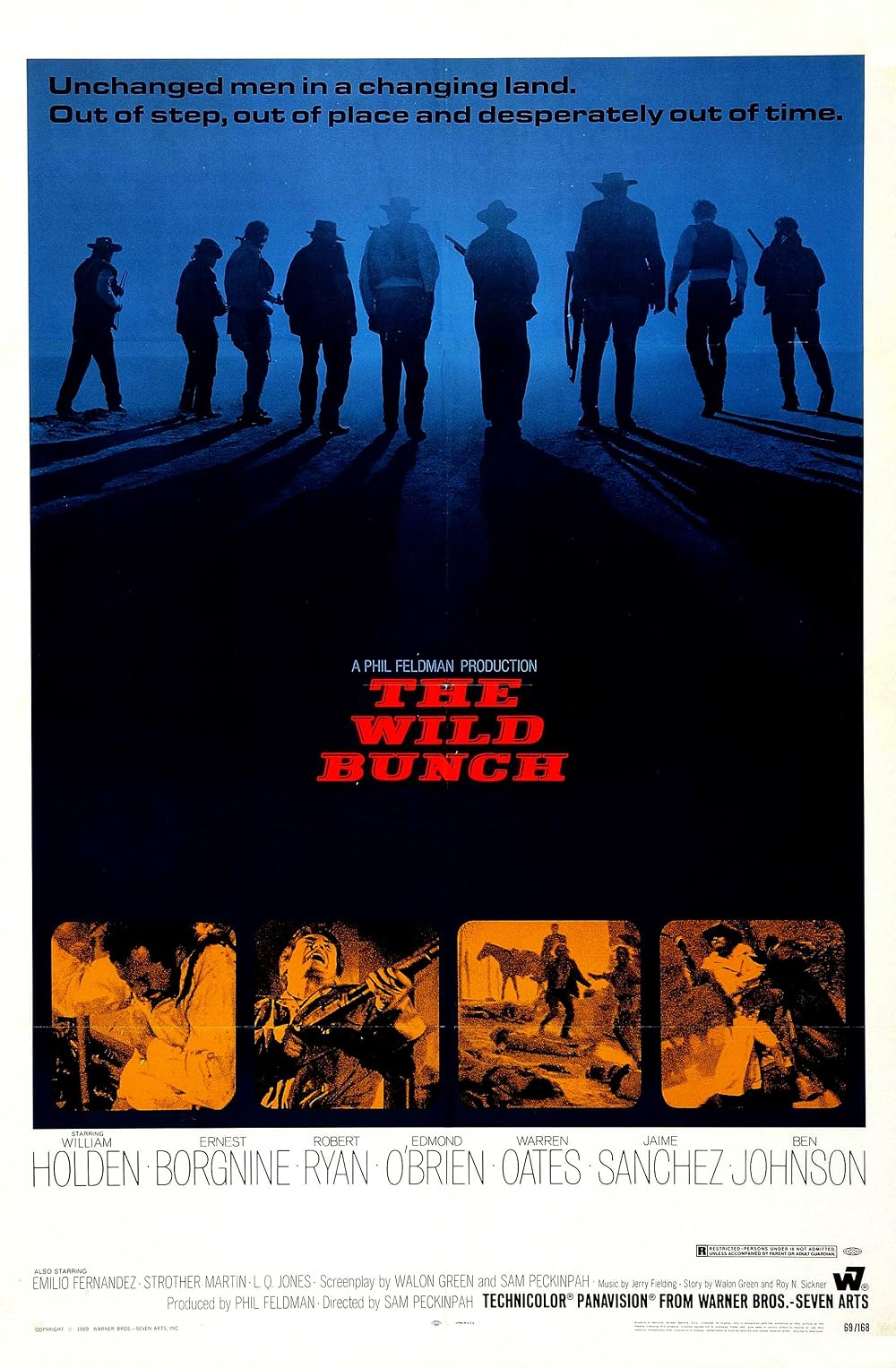
In The Wild Bunch, it’s 1913 and Pike Bishop and his gang are getting too old for the outlaw life, but they want one last job before quitting. A botched robbery forces them to flee across the Texas border into Mexico, with a posse led by Pike’s old partner on their trail. In Mexico they agree to steal a shipment of rifles for a ruthless general.
Sam Peckinpah turns their gunfights into something Westerns rarely showed: chaotic, bloody scenes that are hard to look away from. He uses several cameras to film the action from different angles, and the editing shifts between normal speed and slow motion, stretching out the violence and giving it a strange beauty. Does the film take away the glamour of the Western, or does it find a new way to glamorize it? Underneath all the action is a powerful story about loyalty among men who have made loyalty pretty darn hard. The movie is more than just a landmark for violence, it is one of the best of the 20th century, which is why I featured it on my top 100.
A Clockwork Orange (1971, Stanley Kubrick)
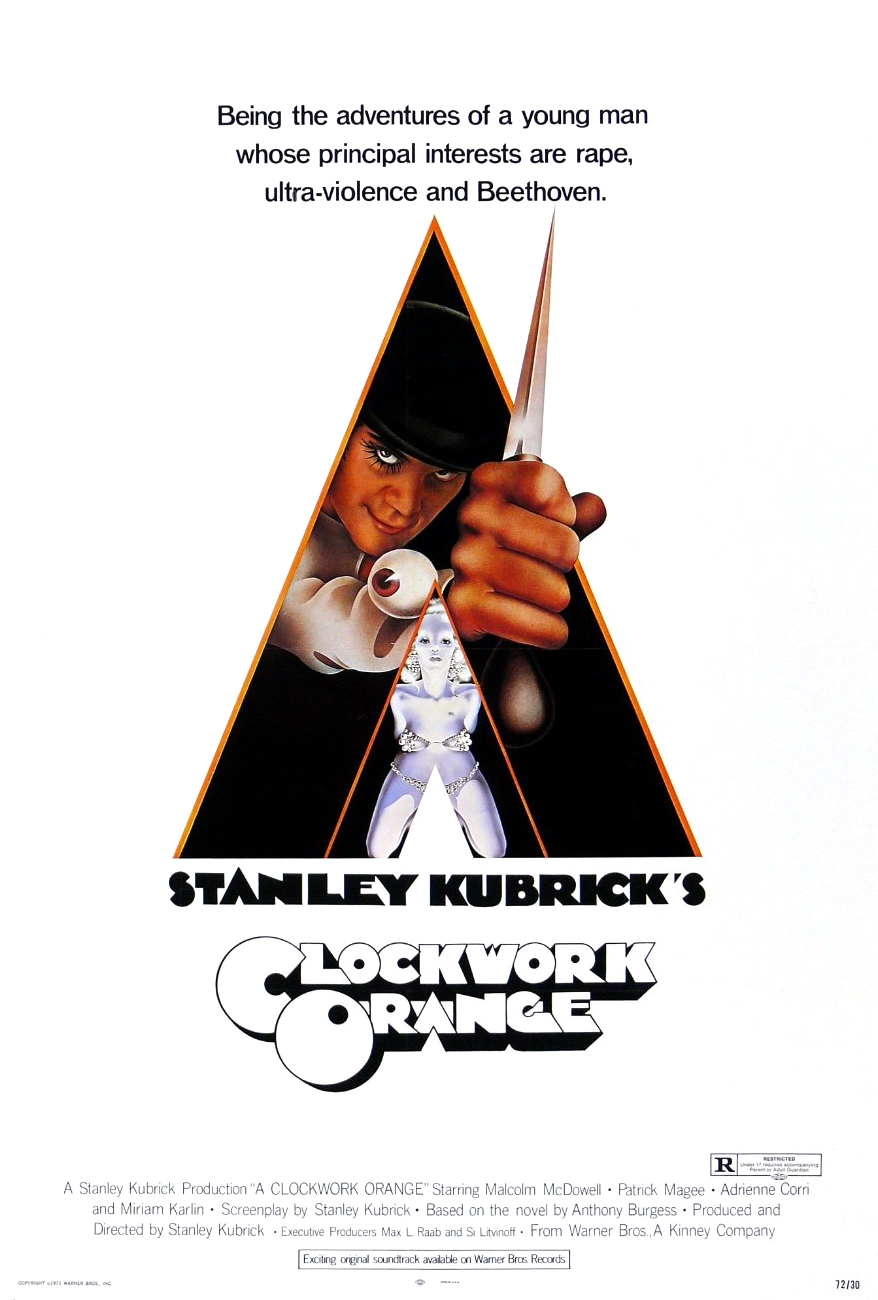
Kubrick’s brilliant adaptation of the novel A Clockwork Orange still sparks debate today, and you start to feel uneasy from opening shot. Alex (who loves Beethoven) leads his gang through a near-future Britain on nights of assault and rape, which he cheerfully calls “ultraviolence.” He’s charismatic and funny, so the film brings you uncomfortably close to a deeply troubling character. Later, the government tries an experimental treatment on him designed to take away his ability to harm others.
The controversy comes from how Kubrick films these scenes. The violence is staged like a dance set to classical music, and shown with balanced shots, making it feel more like a show than a crime. This draws you into Alex’s enjoyment and makes the film’s main question impossible to ignore: is someone who chooses to do evil better than someone who’s been made harmless? The film is unsettling, has a dark sense of humor, and stays with you long after watching.
Straw Dogs (1971, Sam Peckinpah)
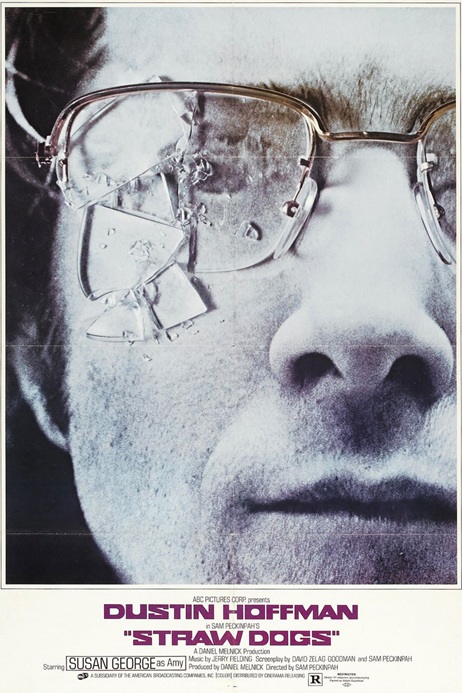
David Sumner, a mild-mannered American mathematician, moves with his wife Amy to her quiet Cornish hometown. The locals are hostile, and Amy’s ex-boyfriend is among the men hired to work on the house. Tension keeps building until Amy is sexually assaulted by two of them, and the film’s violence follows from there.
The film is controversial because of how it shows the assault. Peckinpah films the first rape so that Amy first resists, but then seems, for a moment, to respond. This ambiguity made the scene notorious, and the film faced heavy censorship worldwide. In the UK the BBFC banned it on video for years, and it was not released uncut until 2002. The film is disturbing, tense, and intentionally uncomfortable. Still, it is gripping, well-edited, and raises tough questions about violence that most films avoid.
The Exorcist (1973, William Friedkin)
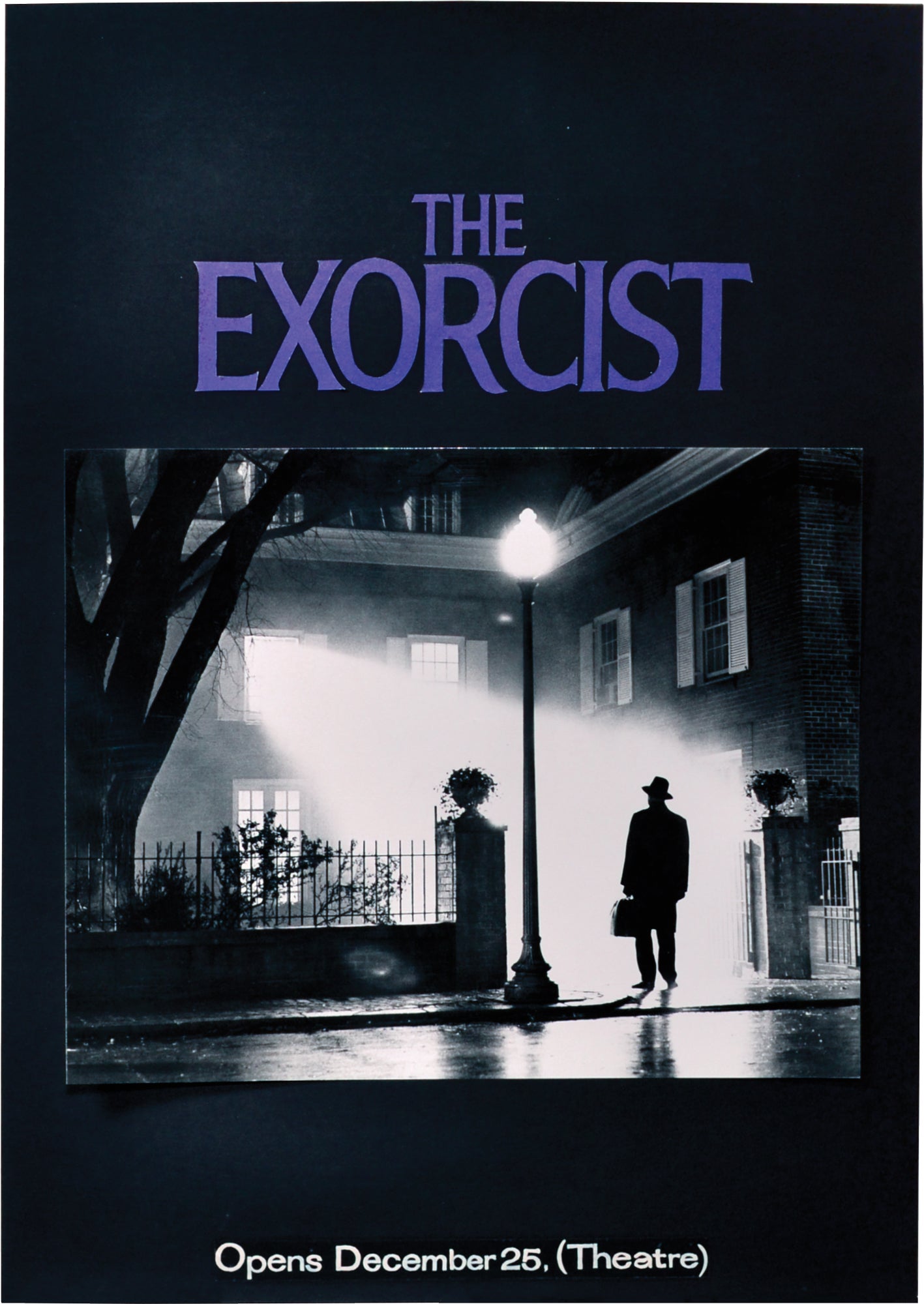
Friedkin did more than make a scary movie, he sparked a cultural panic. An actress living in Georgetown notices that her 12-year-old daughter Regan is starting to change. It begins with small things like a shaking bed and strange behavior, but soon she is shouting obscenities, hurting herself, and showing symptoms that no doctor can explain. Chris tries every medical treatment she can before finally turning to a priest who is struggling with his own faith.
The controversy came from how Friedkin showed these events. He filmed the possession scenes with a clinical, almost documentary style. The movie shows a young girl vomiting, shouting sexual obscenities, and stabbing herself with a crucifix. This graphic attack on childhood innocence shocked audiences and religious groups. But the film works because it tells the story of a mother desperate to save her daughter, it’s exceptionally well-made where each step makes logical sense, and it treats both science and faith with respect. Even 50 years later, it remains powerful.
Taxi Driver (1976, Martin Scorsese)
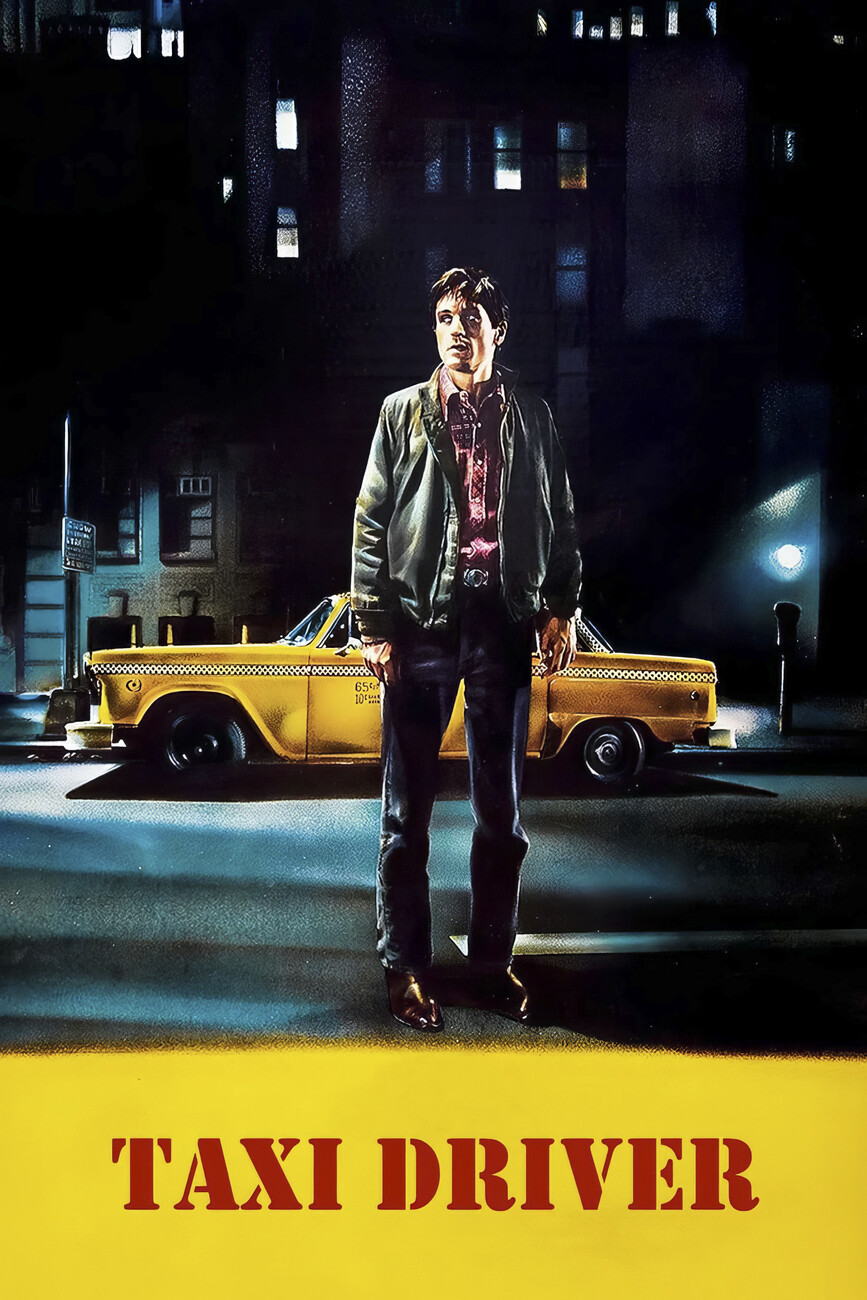
In Taxi Driver, Travis is a Vietnam veteran who feels isolated and angry, seeing everyone around him as part of the city’s filth. After a failed attempt to date a campaign worker, he begins carrying guns and becomes obsessed with the idea of “saving” Iris, a 12-year-old girl who is being sexually exploited.
Scorsese takes us on long rides through Travis’s New York, with neon lights blurring past the windows with uneasy music in the background, the point of which is to make us feel like being in a limbo state between sleeping and waking. We spend enough time with Travis to understand his loneliness, and we hear how easily he turns that feeling into a reason to hurt others. This is where the film’s controversy lies: it brings us close to a man getting ready to commit violence, but it doesn’t let us dismiss the guy, nor do we trust his idea of heroism. The film is tense and absorbing because we can see what Travis can’t: how dangerous his certainty has become.
Alright, those are the first half of 24 controversial movies I’ve selected. Give any of these a try and let me know what you thought in the comments below. In Part 2 we finish off the 70’s and go up through 2022.