The 12 Hardest NBA Championship Runs
Recently I saw a post on X talking about the NBA, titled ‘WHO HAD THE TOUGHEST CHAMPIONSHIP RUN EVER?’ The guy had a top 10 list and it got me thinking, which teams did have the toughest runs ever? Since I love doing analysis and research I decided to pursue this. It should be obvious this is not a list of the most dominant champions ever. I couldn’t care less which team was greater than another, what I care about is which teams had to overcome the most to win.
How I Ranked the Hardest Championship Runs
I wanted to be thorough, so I looked at every NBA champion from 1966 to 2026. But just winning the title isn’t the same as surviving a tough playoff run, so I first checked for real hardship. Dramatic Game 7s were not enough. To qualify, a team had to show at least one of four criteria: being a low seed, not having home court in several rounds, facing at least two elite opponents measured by 55 wins (or an equivalent profile for the era), or coming back from a major series deficit like 0–2 or 1–3. This narrowed the field to 23 survivors.
Next, I scored each of those 23 teams using a 100-point model built on four main factors: Opponent Quality, Adversity (comebacks and elimination survival), Road Strain (playing without home-court advantage), and Roster Burden (depth, workload, and team injuries).
Injuries played a role on both sides: if an opponent was missing key players, like Golden State was in 2019, their quality score went down. If the champion was banged up, like Kareem in the 1980 Finals, their roster-burden score went up, but I made sure not to count the same injury for both teams.
To make the ranking fair I tested it with three different scoring methods: one focused primarily on how hard their schedule was, another focusing on climbing out of 0–2 or 1–3 holes and winning elimination games, and one balancing both. I focused on the teams that held up across all three versions, then I gave each team a final score out of a possible 100.
#12: 1968 Boston Celtics — 47
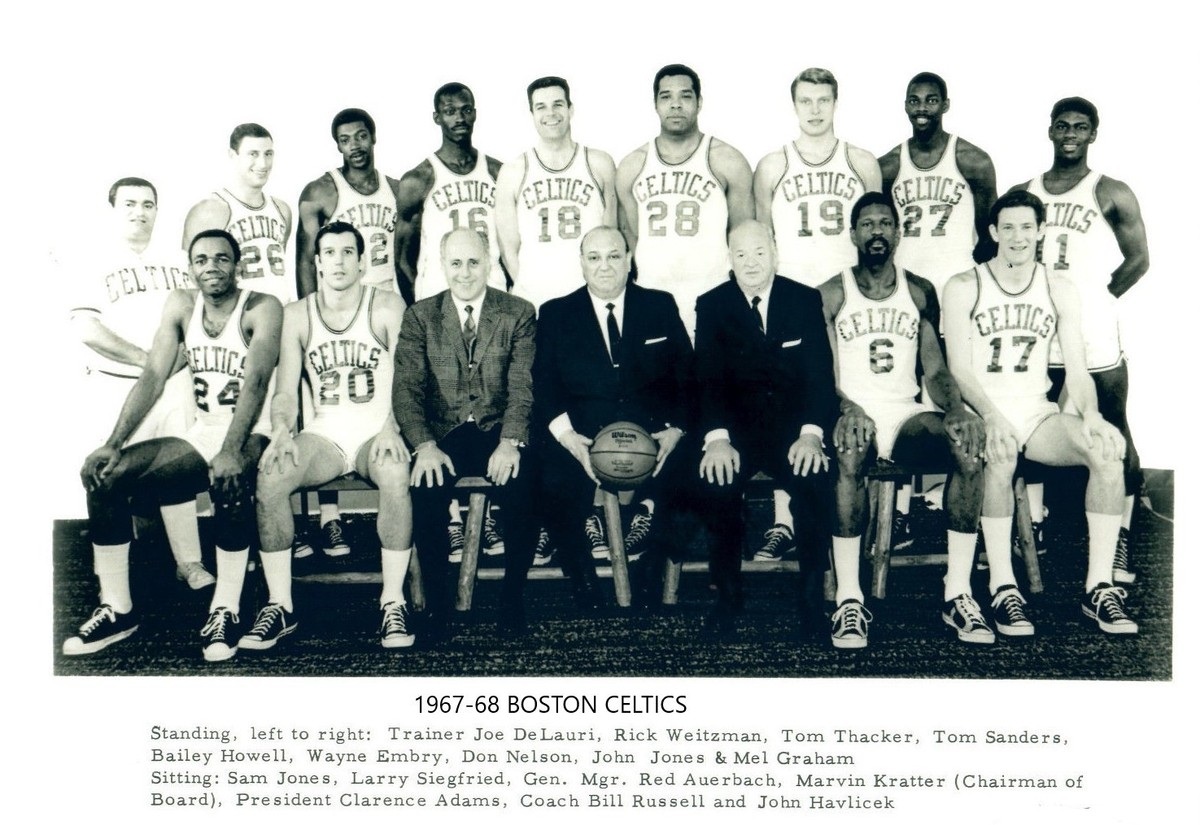
Before their famous 1969 title, the 1967–68 Celtics showed an earlier blueprint for postseason survival. In the Eastern Division Finals, Boston went up against Wilt Chamberlain’s 62-win Philadelphia 76ers without home-court advantage. Soon they were down 3–1 to the league’s dominant regular-season team.
This is what makes this title run so remarkable. The Celtics had no room for error but managed to win three games in a row to knock out Philadelphia in one of the NBA’s first big series comebacks. After that, they beat the Lakers in the Finals and took back the championship by showing the same key trait: the old dynasty refused to give up, even when everything seemed to be against them.
Boston’s opponents that year were not as tough as those faced by some other teams, so this is not to say that 1968 was the hardest playoff path. Instead, the case for this run is more focused and, I think, more convincing. The Celtics came back from being down 1–3 against a 62-win rival while also dealing with playing on the road. That mix of comeback pressure and road disadvantage makes 1968 the clearest choice for the #12 spot.
#11: 2002 Los Angeles Lakers — 48
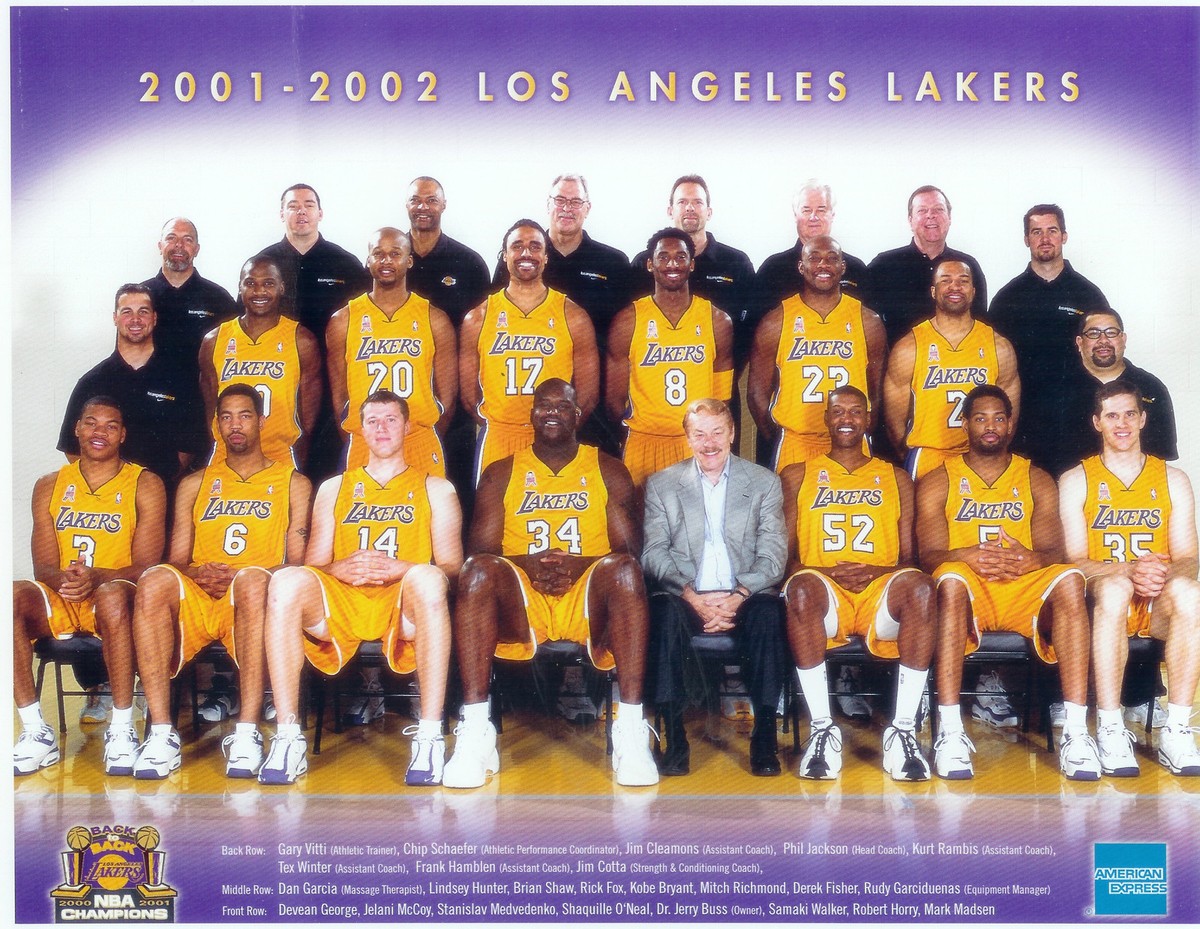
Having Shaq and Kobe on the same roster made the Lakers favorites in nearly every series they played. It didn’t make them immune to a legitimate elimination fight, though, and 2002 is the one year in the three-peat where it almost all fell apart.
To finish the three-peat, the Lakers survived a seven-game Western Conference Finals against the 61-win Kings, ending with an overtime Game 7 win in Sacramento. They were down 2-3 in the series and had to win two straight elimination games, including that Game 7 on the opponent’s home floor in a hostile arena. Shaquille O’Neal and Kobe Bryant were pushed to their limits but managed to win in overtime, 112-106, to reach the Finals. This was one of the few times the dynasty was truly challenged instead of just wrapping things up easily.
Peja Stojakovic’s ankle injury in that series made Sacramento a bit less tough, which is one reason this run isn’t ranked higher than some others. Still, every three-peat usually has a moment when everything is at stake, and that road Game 7 in Sacramento brought the kind of pressure and challenge the Lakers hadn’t faced before. That was when the dynasty had to stop coasting and really battle, and that’s why 2002 earns its #11 place.
#9 Tie: 2004 Detroit Pistons — 50
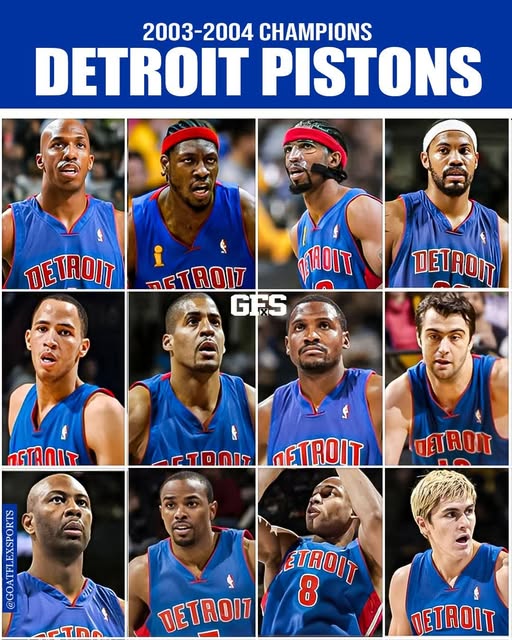
The 2004 Pistons are a rare modern champion. They didn’t have an offensive superstar, but instead won with team defense, balance, and a system that never depended on one player to rescue a broken possession. Their five-game dismantling of the Lakers might make the title seem easy now, but getting there was far from simple.
Detroit first had to save its season against New Jersey, coming back from a 3–2 deficit in the Eastern Conference Semifinals by winning two games straight. Next, the Pistons faced the 61-win Indiana Pacers without home-court advantage, won a bruising six-game East Finals, and then met the heavily favored Lakers led by Shaq and Kobe.
This sequence shows why the Pistons’ run deserves a spot in the top 10. Detroit handled tough road games in two rounds, survived a real elimination scare, and made it to the Finals without relying on a superstar. Then they faced the era’s most famous star duo and beat them with defense, execution, and team discipline. This was a championship won by a true team, turning every disadvantage into proof of their greatness.
#9 Tie: 2011 Dallas Mavericks — 50
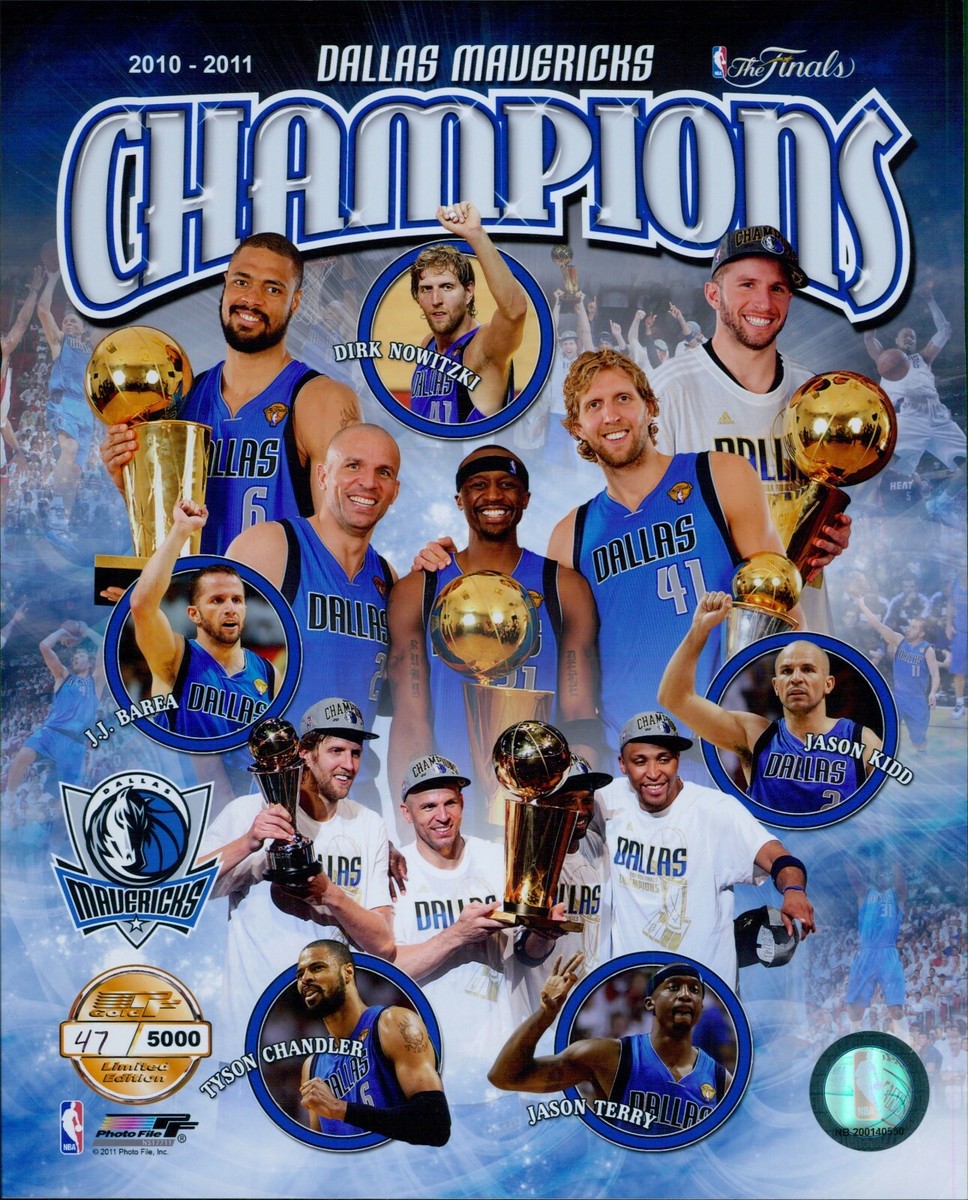
The 2011 Mavericks delivered the ultimate giant-slayer run. Led by Dirk Nowitzki, Dallas marched through a gauntlet of NBA royalty with Dirk as their only true superstar and virtually no margin for a talent gap to show.
The path was a nightmare lineup of generational talent. Dallas swept Kobe Bryant and the two-time defending champion Lakers, eliminated a rising Oklahoma City Thunder squad built around three future MVPs, and closed the Finals by wrecking Miami’s newly assembled Big Three of LeBron James, Dwyane Wade and Chris Bosh. Dallas took down rosters with a lot more raw talent through execution, depth, and Dirk’s incredible individual run. Jason Kidd’s leadership, Jason Terry’s clutch shooting, and Tyson Chandler’s defense all came together at just the right time.
What sets this run apart from the deficit-comeback stories elsewhere on my list is that Dallas never needed one. The Mavericks handled every round well enough to avoid a 0–2 or 1–3 hole, which means their case rests totally on opponent quality and roster-margin difficulty rather than survival drama. That’s a different kind of hard: beating the champions, the league’s next contender, and its biggest superteam back-to-back-to-back, without ever needing a rescue. It’s proof a title run can be an all-time gauntlet without a single comeback attached to it.
#8: 2019 Toronto Raptors — 54
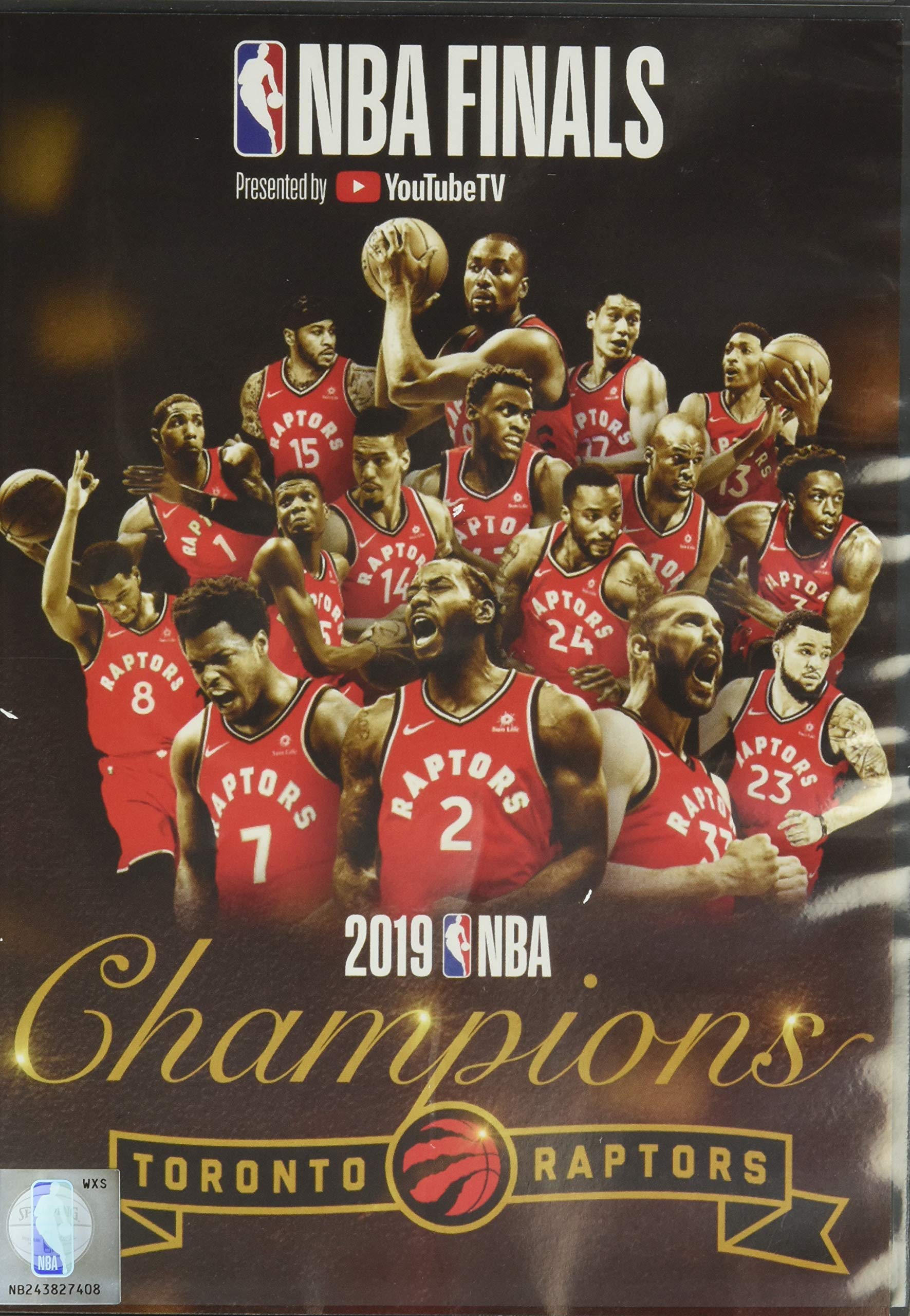
While Dallas stayed steady, Toronto spent the whole spring on the brink. Before the Raptors even made it to the Finals they had to fight through a bloodbath in the East. They needed Kawhi Leonard’s miraculous Game 7 bounce at the buzzer just to escape Philadelphia in the second round.
Next, Toronto faced the 60-win Milwaukee Bucks in the East Finals. They lost the first two games and stared down a 0–2 hole without home-court advantage. They ripped off four straight wins to survive, all while Kawhi battled through serious knee tendinopathy. Toronto lacked home court in both the East Finals and the Finals, so every part of their run required them to answer challenges, not just play well.
Most people remember the Finals for the injuries to Golden State, when both Kevin Durant and Klay Thompson got hurt. But Toronto had already shown what they were made of before that series began. The Raptors survived a Game 7 against Philadelphia and came back from being down 0-2 against a 60-win Bucks team, all without home court and with their best player injured. Dallas showed you can win without a comeback. Toronto showed the opposite: sometimes, you only win by refusing to die, over and over, until there’s nothing left to survive.
#7: 1977 Portland Trail Blazers — 56
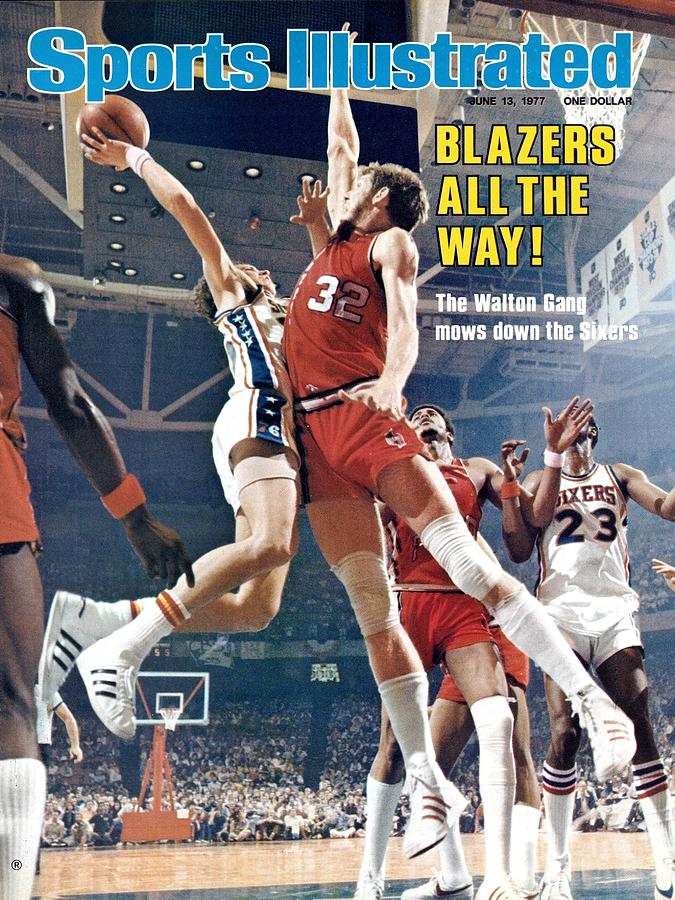
This is how you win without a superteam. Bill Walton’s Blazers didn’t have a roster full of big-name stars or seasoned title favorites. They had chemistry, selfless ball movement, and a defense that got nastier as the stakes rose.
Portland’s road wasn’t easy, either. They played without home-court advantage in two separate rounds, including the West Finals. In that series they swept Kareem Abdul-Jabbar’s Lakers even though they started away from home. That wasn’t luck, it proved this young team could handle prime-time pressure.
When the Finals began, things got even harder. Julius Erving’s heavily favored 76ers took the first two games in Philadelphia, and it looked like Portland was finished before the series even got to the West Coast. But the Blazers didn’t give up: they came back to win four straight, with Walton leading the way on both offense and defense, pulling off one of the most famous 0–2 comebacks in Finals history. That mix of tough road wins and a big Finals comeback makes them one of the grittiest and most resilient titles on this list.
#5 Tie: 1994 Houston Rockets — 58
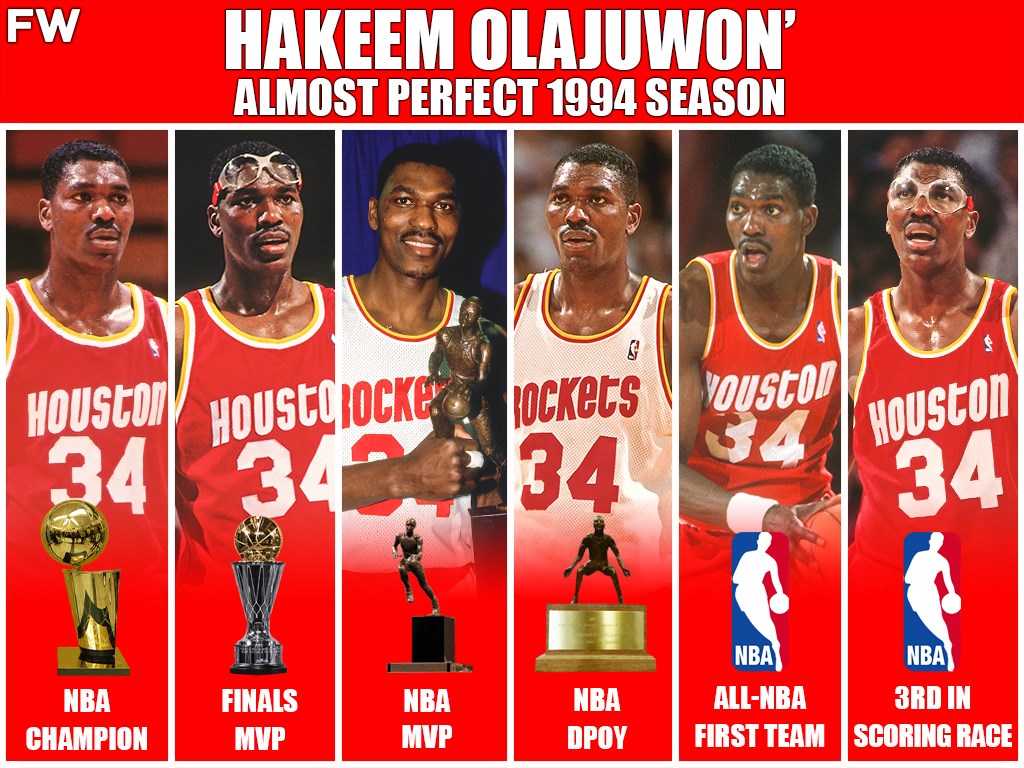
Before Clyde Drexler arrived in Clutch City, Hakeem Olajuwon delivered the ultimate star-centered carry job. Otis Thorpe was Houston’s second-leading scorer, which tells you how much of the offensive and defensive burden landed on Hakeem. He had to be the offensive engine, defensive anchor, and late-game answer on a team without another player who could carry a title offense.
And the Rockets got tested constantly. In the second round, they lost the first two games to Charles Barkley’s Phoenix Suns and faced an 0–2 hole. Hakeem and the Rockets clawed their way back, took the series to a deciding game, and won it on the road. There was no easy reset after that, either: Houston still had to get past Karl Malone’s Jazz and then finish the job against Patrick Ewing’s Knicks in the Finals.
So why is 1994 ranked here instead of next to the famous ’95 run? This year, Houston kept more home-court advantage, so the schedule was a bit less grueling than the next season’s tough road stretch. Still, with Hakeem’s huge workload, the pressure of comebacks, and a tough lineup of opponents this was one of the hardest-earned titles ever.
#5 Tie: 2016 Cleveland Cavaliers — 58
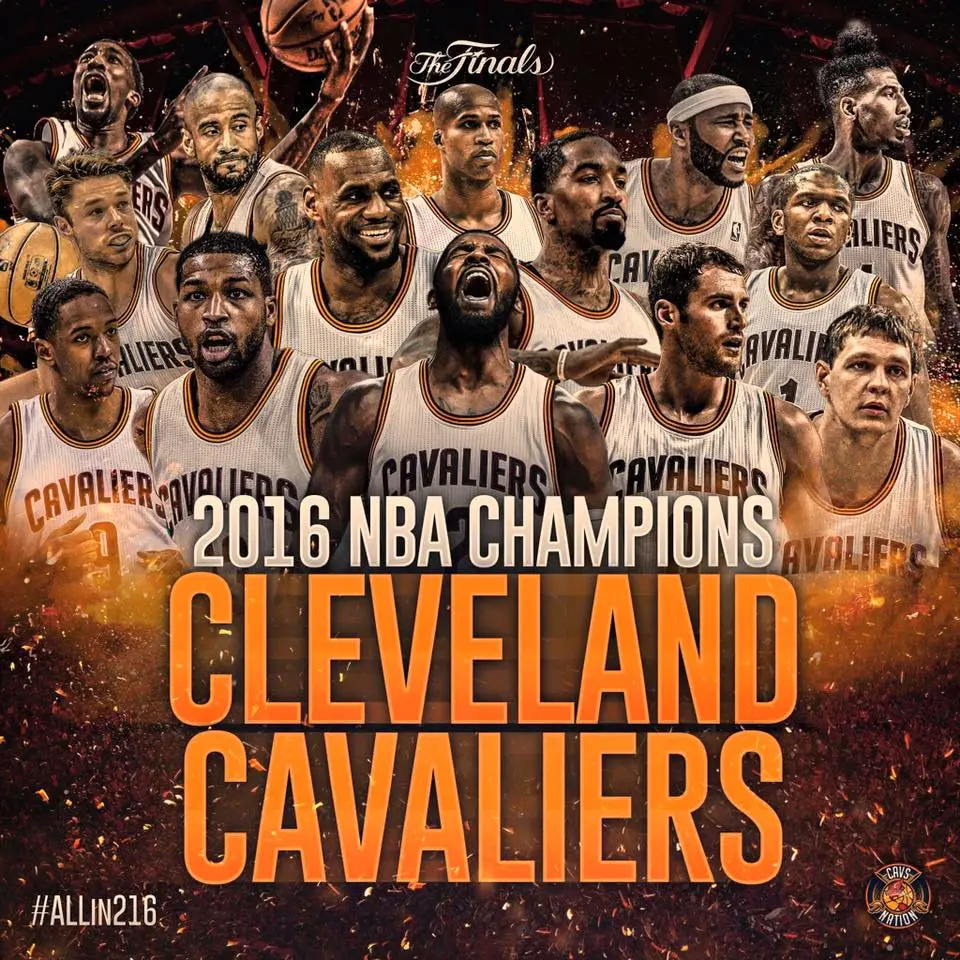
The 2016 Cavaliers hold a special place on this list because of one history-making achievement: they pulled off the only 3–1 comeback in NBA Finals history. And they finished it with a Game 7 win on the road against the 73-win Golden State Warriors, considered one of the best regular-season teams ever.
This was the largest single adversity event on my entire list. Down 3–1 to a powerhouse team, Cleveland was on the brink of elimination. LeBron James and Kyrie Irving had to play almost perfect basketball for three games to force a final match, then win it in Oakland. The Block and Kyrie’s three-pointer are the lasting images, but the real achievement was keeping up that level of play with no room for mistakes.
Golden State was not at full strength by the end. Stephen Curry was limited, Andrew Bogut was injured, and Andre Iguodala had a back problem. This context matters, but it doesn’t take away from Cleveland’s achievement. They were the first team to come back from a 3–1 Finals deficit and win the title. Those three straight wins changed what people thought was possible in an NBA comeback.
#3 Tie: 1993 Chicago Bulls — 60
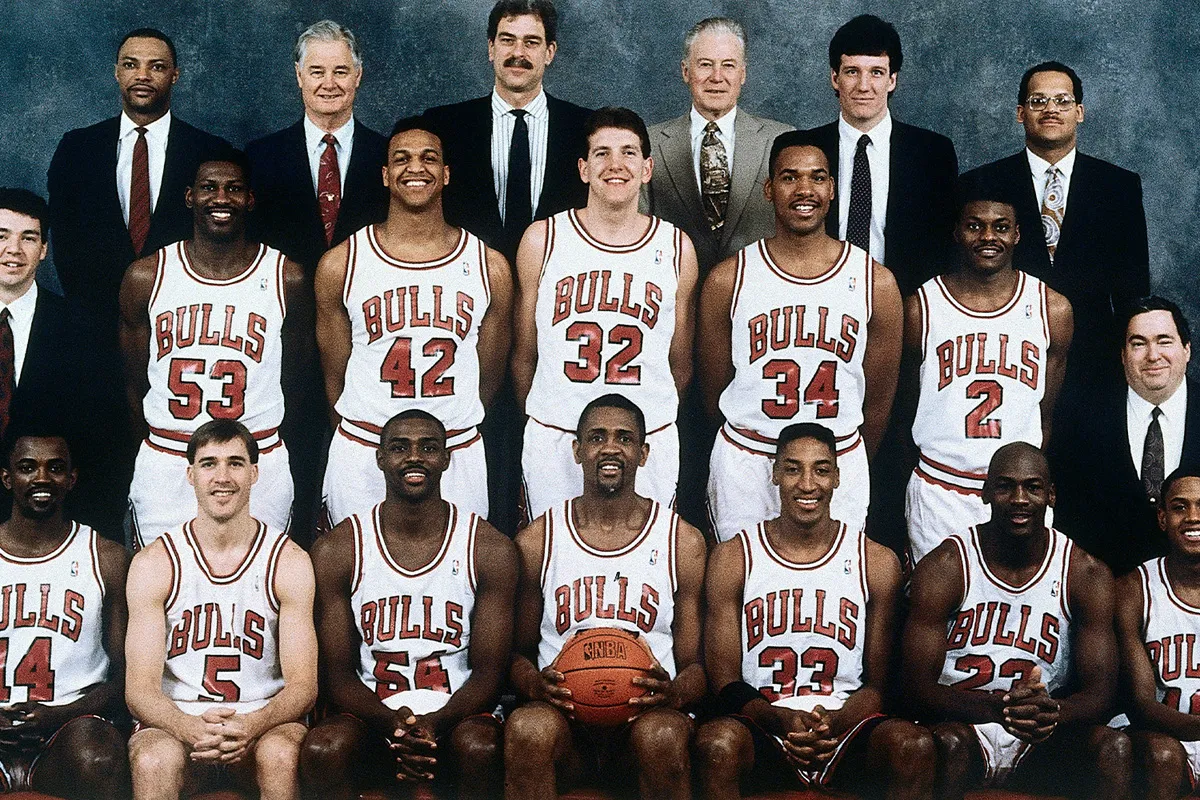
If you want to see the most balanced challenge at the highest level, check out the team that capped off Michael Jordan’s first three-peat. The 1993 Bulls didn’t have an easy path to history. They faced tough opponents, played under pressure on the road, and had to pull off a big comeback to win it all.
Chicago didn’t have home-court advantage in either the Eastern Conference Finals or the NBA Finals. First they faced Patrick Ewing’s 60-win Knicks, the physical rival that had spent years trying to dethrone the Bulls. New York won the first two games at Madison Square Garden, so Chicago was down 0–2. The Bulls responded by winning four games in a row. After that, they traveled west to play Charles Barkley’s 62-win Phoenix Suns and clinched the championship on the road in Game 6.
That’s what makes the 1993 run so impressive: Chicago didn’t just have one big escape or face one tough opponent, they overcame every challenge that makes winning a title hard. The Bulls beat elite teams, played without home-court advantage in the last two rounds, and came back from a real deficit against their toughest rival. This was the most complete three-peat title: Jordan’s Bulls were pushed to their limits, but no one could stop them.
#3 Tie: 2006 Miami Heat — 60
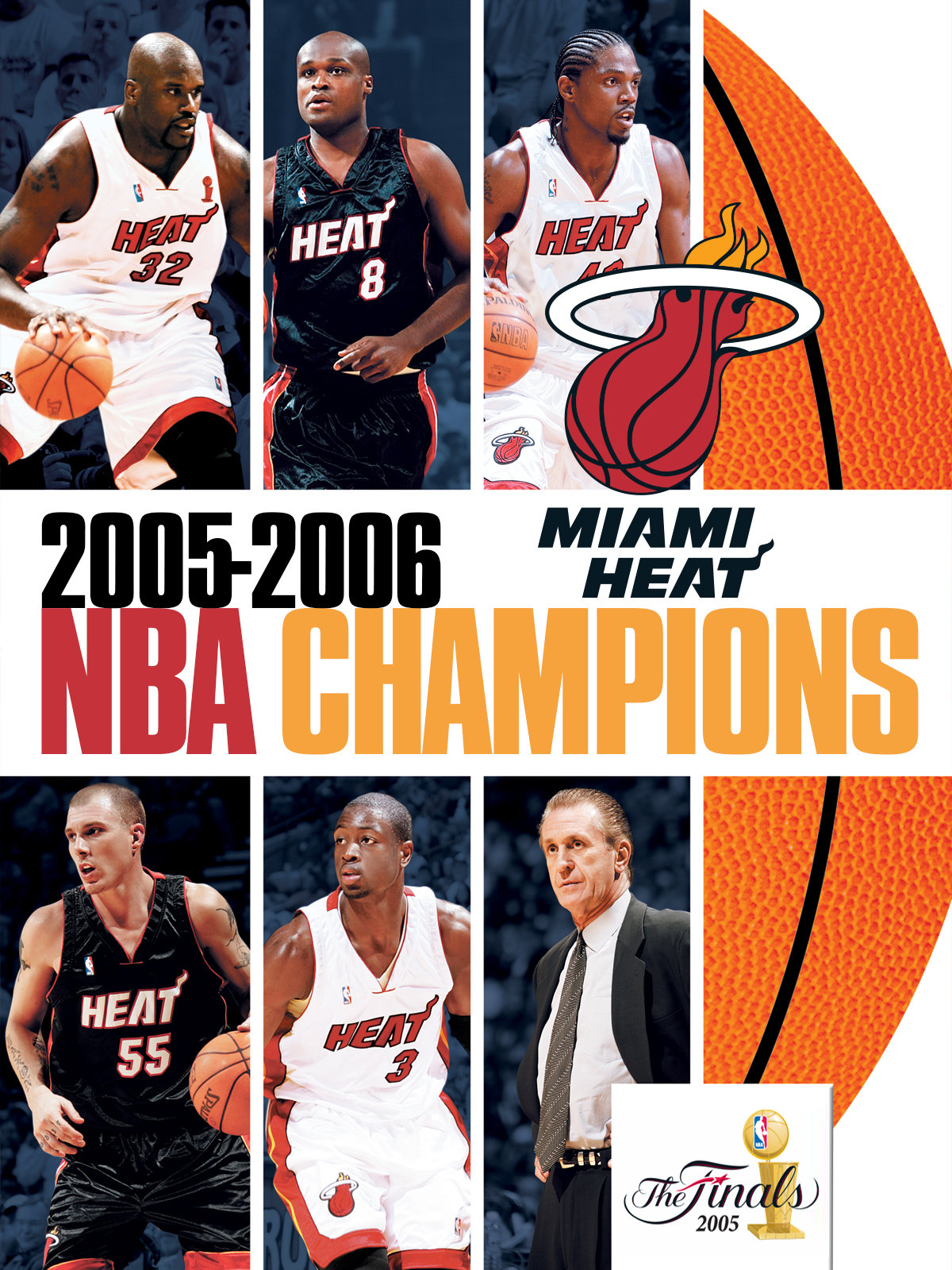
The 2006 Heat delivered a rare double-punch: elite late-round competition followed by an iconic Finals comeback. Before Dwyane Wade dominated in the Finals, Miami had to battle through a brutal Eastern Conference, ending with a win over the 64-win Detroit Pistons in the conference finals. Detroit was still known for its defense, having won the title two years earlier and made the Finals the year before. Beating them was a huge challenge, and it only set up Miami to face another elite team.
That set up a Finals matchup with Dirk Nowitzki and the 60-win Dallas Mavericks. Miami quickly lost the first two games in Dallas, falling behind 0–2, a situation where most teams see their title hopes end. Instead, Wade put on one of the best individual Finals performances ever, leading Miami to four straight wins and the franchise’s first championship.
Shaquille O’Neal was still a key player, but this team was not an unbeatable superteam cruising through the playoffs. Miami’s case is built on late-round resistance: first beating a 64-win Detroit team, then coming back from a two-game deficit in the Finals against a 60-win Dallas team. This makes the 2006 Heat’s title one of the best examples of winning under pressure, when the competition was toughest and there was no room for mistakes.
#2: 1969 Boston Celtics — 66
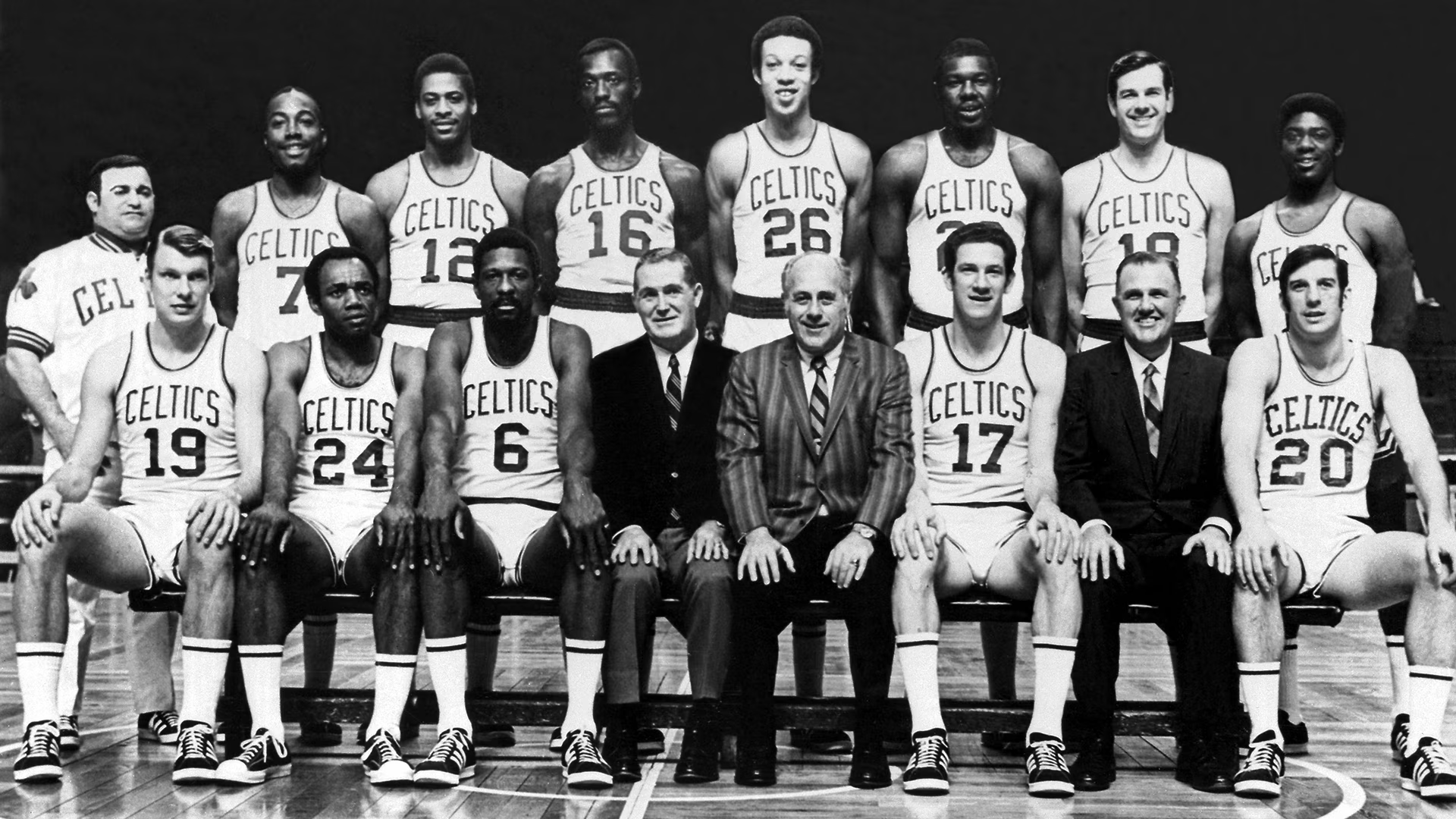
The 1969 Celtics pulled off the greatest road-underdog championship in league history. Boston started the playoffs as an older fourth seed that looked like its best days were behind it. Most people thought this dynasty was finished.
Instead, Boston had to grind out one of the hardest paths on this list. They had no home-court advantage in any of the three playoff rounds and had to beat three top teams just to reach the Finals. There, they faced the legendary Lakers, led by Wilt Chamberlain, Elgin Baylor, and Jerry West.
Things went badly right away. Boston lost the first two games in Los Angeles and fell behind 0-2 against a Lakers team built to finally beat them. To make things worse, the Celtics were running on grit and injuries. Bill Russell struggled with serious knee problems, and John Havlicek played through a painful eye injury late in the series. Still, Boston fought back, forced a Game 7, and went to Los Angeles to snatch the championship right out from under the Lakers’ home crowd.
That’s why 1969 earns the No. 2 spot. No home court, a comeback from 0-2 in the Finals, real injuries to key players, and a Game 7 win on the road make this the best example of an underdog overcoming adversity in NBA history. The old champion refused to give up, even when everyone thought their time was over.
#1: 1995 Houston Rockets — 89
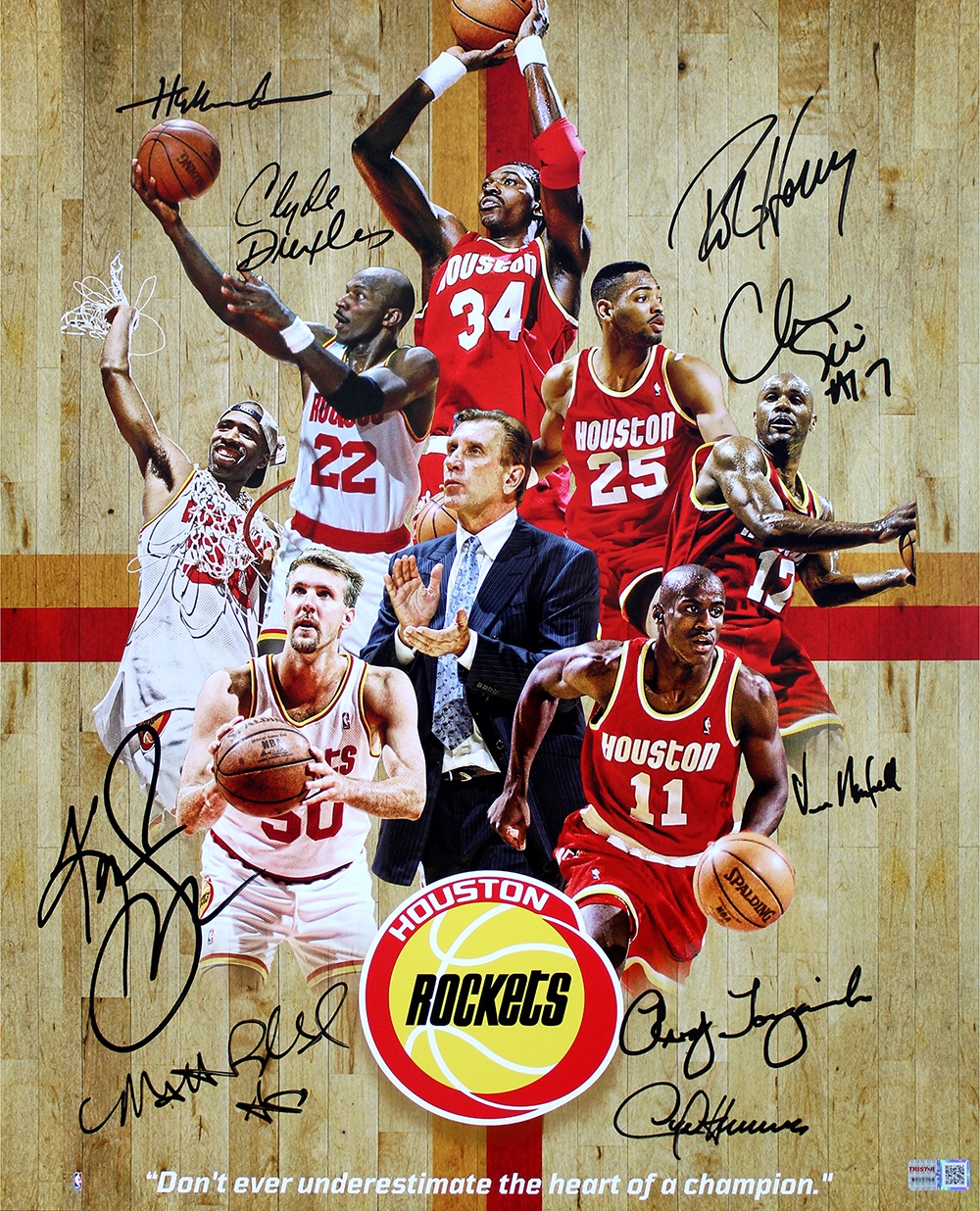
There is no debate at the top. The 1995 Houston Rockets stand alone as the absolute peak of postseason difficulty in NBA history. To put their dominance in perspective, the gap between Houston at No. 1 and Boston at 2 is wider than the gap separating No. 2 from 12. Boston had one impossible night, an 0–2 hole against the Lakers. Houston had two, against two different 57-win teams, in two different rounds, with no series holding home-court advantage.
As a No. 6 seed, the Rockets had the hardest path possible. Houston played every playoff round without home-court advantage, facing four straight teams that each won at least 57 games: Utah, Phoenix, San Antonio, and Orlando. The ’69 Celtics beat three elite teams to get their moment but Houston beat four, and needed two signature moments just to survive the middle of the bracket before the hardest opponent showed up. No one had the deck stacked against them like Houston.
The Rockets faced elimination several times. They came back from a 1–2 deficit in a best-of-five against the Jazz in the first round and a tough 1–3 hole against Charles Barkley’s Suns in the semifinals, saved by Mario Elie’s “Kiss of Death” three to close out Phoenix on the road in Game 7. Through it all Hakeem Olajuwon carried the load, outplaying NBA MVP David Robinson in the conference finals and then sweeping Shaquille O’Neal’s Magic 4-0 in the Finals. Every opponent was elite, with no major injuries making the path easier.
That’s why 1995 is not just the top spot on this list; it’s a real statistical outlier. No matter how you measure it—by schedule strength, road games, or comebacks—Houston comes out on top every time. They didn’t just survive the hardest championship run, they set the bar for what a real title gauntlet looks like.
That’s my take, and I stand by it. If you think I missed one or got something out of order, let me know in the comments, I’ll be happy to respond.