DC Comics New 52: Read the Books, Not the Era
In 2011, DC Comics took a sledgehammer to its own history. After Flashpoint, they relaunched their superhero line with a whopping 52 new first issues, younger versions of heroes, and the promise that anyone could jump in. The New 52 was supposed to make DC more accessible, but it was a failure because it ended up making things worse. I am covering it now because this year marks the 15th anniversary of the New 52.
There was an actual problem they were trying to solve: the decades of overlapping stories made DC look intimidating to new readers, and DC wanted some accessible starting points so they could increase readership. The reboot also made room for horror, fantasy, war stories and westerns, so it wasn’t just a cash grab dressed up as an event; there was actual ambition behind it.
But they confused making the history easier to follow with erasing it altogether, because it gave up important relationships and legacy without offering anything solid in return. Characters had grown, partnerships had become stronger, and sidekicks had earned their spots next to their mentors, and the New 52 threw away most of that history to start over. DC eventually abandoned the reboot’s continuity and folded some pieces into a broader hybrid history, which I’ll cover in my next post. That means that now, the best way to read New 52 runs is as self-contained stories.
The New 52 was a failure. But even a failed publishing initiative can produce great comics, and this guide will help you find them. These titles are the very best the era produced, and you don’t know have to know anything about New 52 to get into them.
FYI I get a small commission if you buy anything through my links, but it doesn’t cost you anything extra. I only recommend comics I believe in, and your support helps keep the site going.
The Top 5
Wonder Woman (Azzarello and Chiang, #1–35)
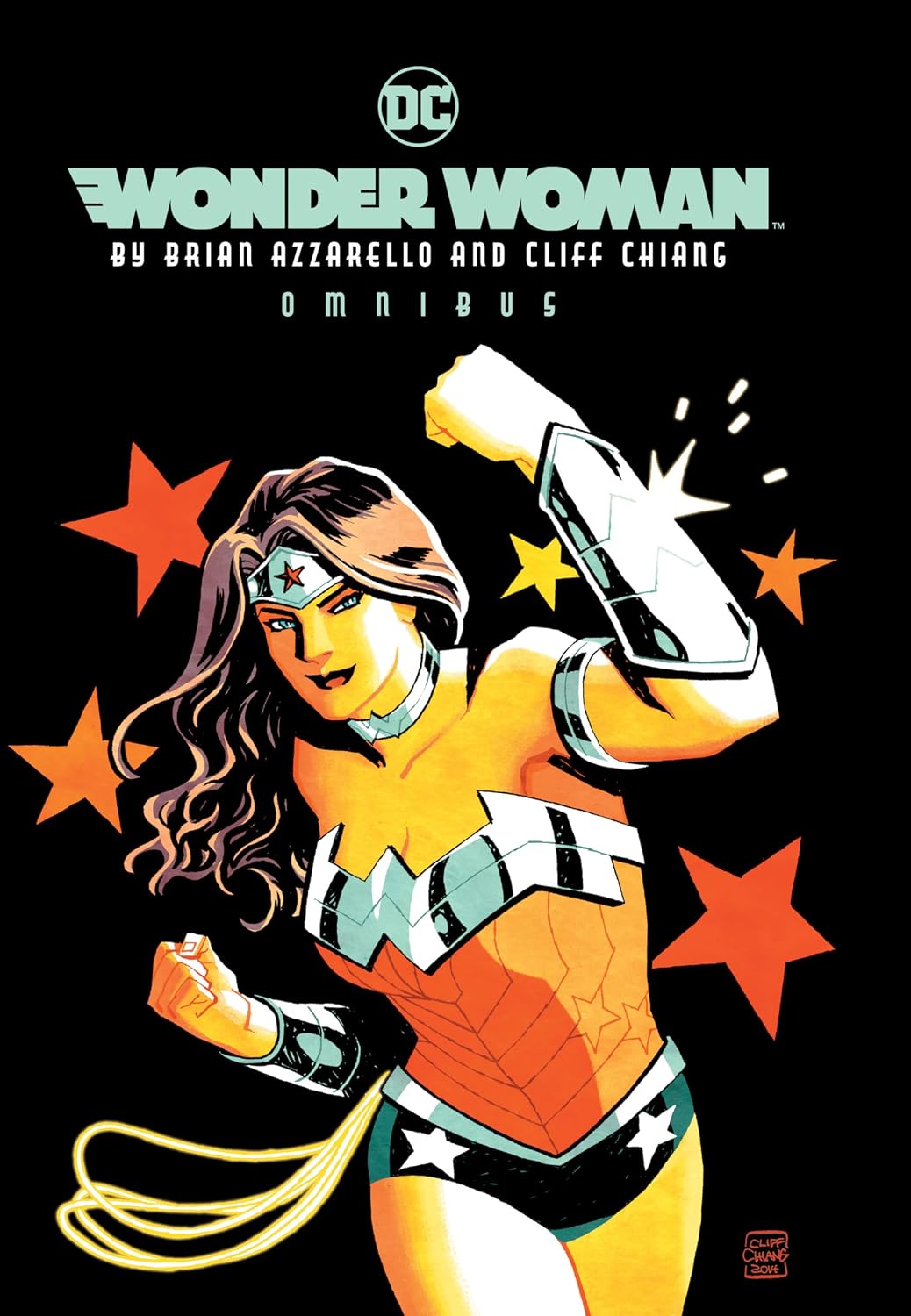
Forget about capes and tights, this story feels more like a Greek tragedy with a bite. When Diana steps in to protect a young mortal named Zola, she gets caught up in a brutal power struggle between the gods. Azzarello writes the Olympians as a flat-out monstrous, scheming family, and Chiang’s artwork makes them look strange, memorable, and a bit scary too.
The story works because of its contrasts. The gods see people as pawns, but Diana responds to their cruelty with kindness. The dialogue is quick, the alliances are always changing, and the plot moves with purpose. You can read this as a complete story without needing to know anything about DC comics or the New 52. Some fans didn’t like how it changes Diana’s origin, but it doesn’t matter now anyway. If you enjoy Diana, mythology, intrigue and monsters, start with Blood and Guts. If you want the whole thing then just grab the Omnibus.
Batman (Snyder and Capullo, #1-51)
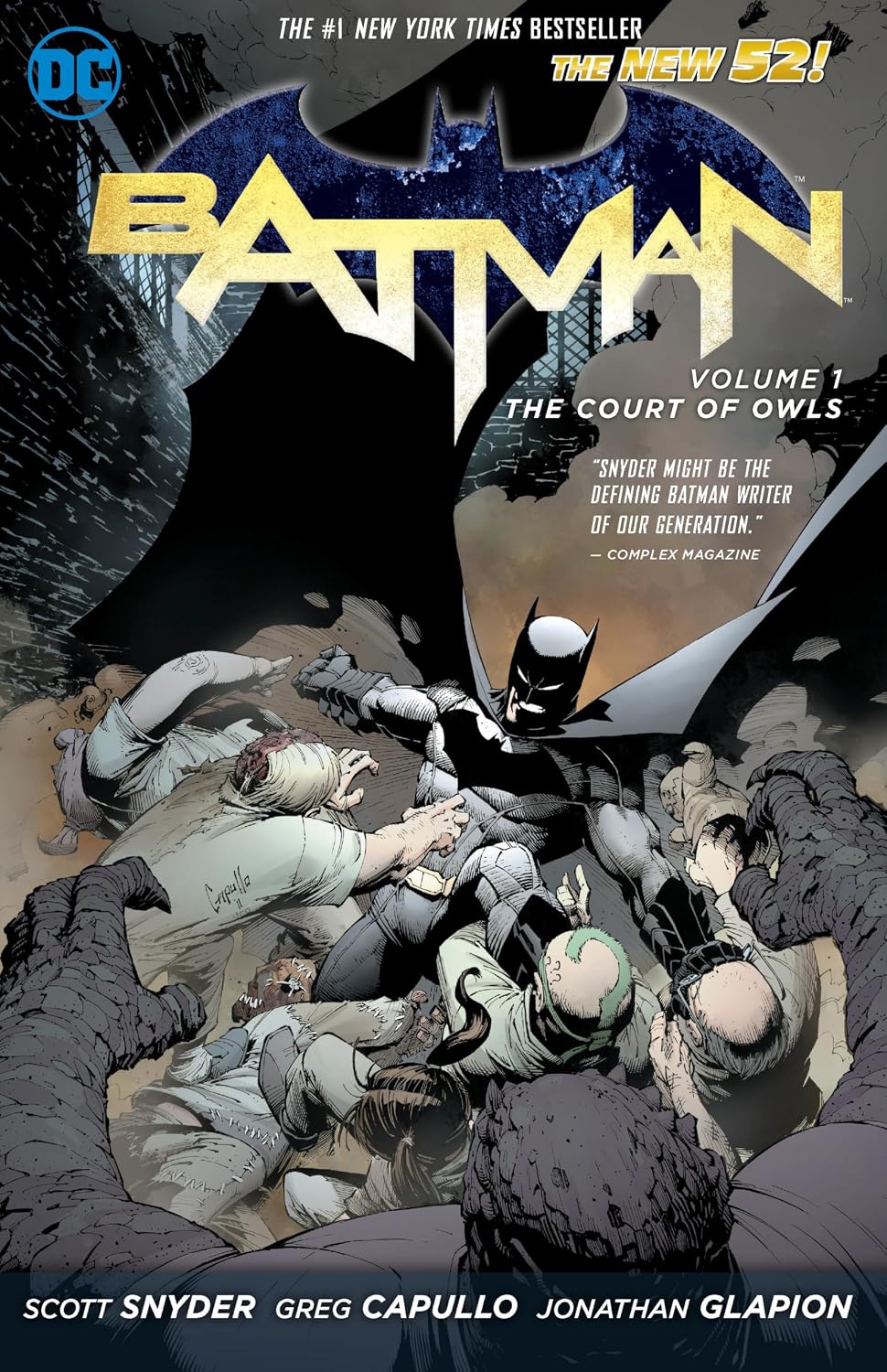
Bruce Wayne thinks he knows Gotham better than anyone. After years of patrolling its streets, he is now using his energy and wealth to help build its future. But a series of murders reveals something he missed: the Court of Owls, a secret society that has quietly influenced the city for generations. Gotham’s oldest families mention the Court in a nursery rhyme, but Bruce sees it as just a myth. Now, the Court is watching him.
The story works because it turns Batman’s greatest strength—his knowledge of Gotham—into a weakness. Snyder blends detective work, superhero action, and psychological horror, forcing Bruce to question what he can trust, even his own senses. Capullo’s detailed and energetic art makes Gotham feel full of danger, and his page layouts add to the sense of confusion. After this, the series covers the Joker and Batman’s early years, creating a larger story. You can read it without following the rest of the New 52, and most guides recommend this run for new readers. Start with Batman Vol. 1: The Court of Owls if you’re primarily interested in that arc; if you want their whole run (which is stellar), start with the Omnibus.
Animal Man (Lemire and Foreman, #1-11).
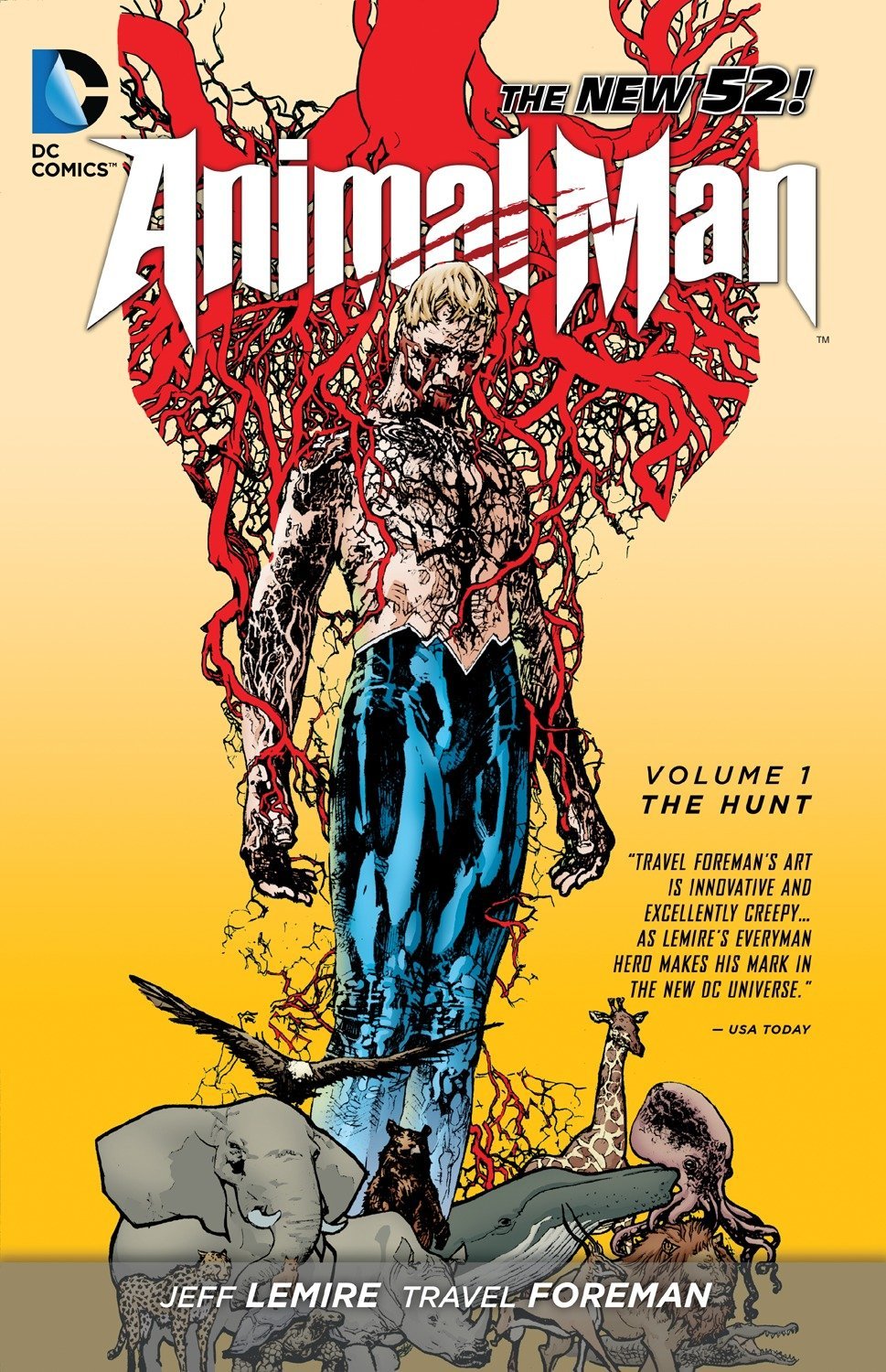
Buddy Baker cares most about his family, even though he’s also a superhero who can use the abilities of any animal on Earth. All he really wants is a peaceful life with his wife, Ellen, and their two kids. But everything changes when his daughter Maxine starts showing frightening, instinctive powers connected to “The Red,” the biological web that links all living things.
What makes this story stand out is how it mixes a believable, loving family with intense body horror. Lemire does a great job showing a real marriage, so the growing supernatural fear feels even stronger. Travel Foreman’s creepy creature designs add to the tension, turning a lesser-known hero into the center of a thrilling supernatural story. You don’t need to know any DC history to start. Try Vol. 1: The Hunt. The run does continue and is good after issue 11, but it’s less enthusiastically recommended at that point.
Aquaman (Johns and Reis, #1-25)
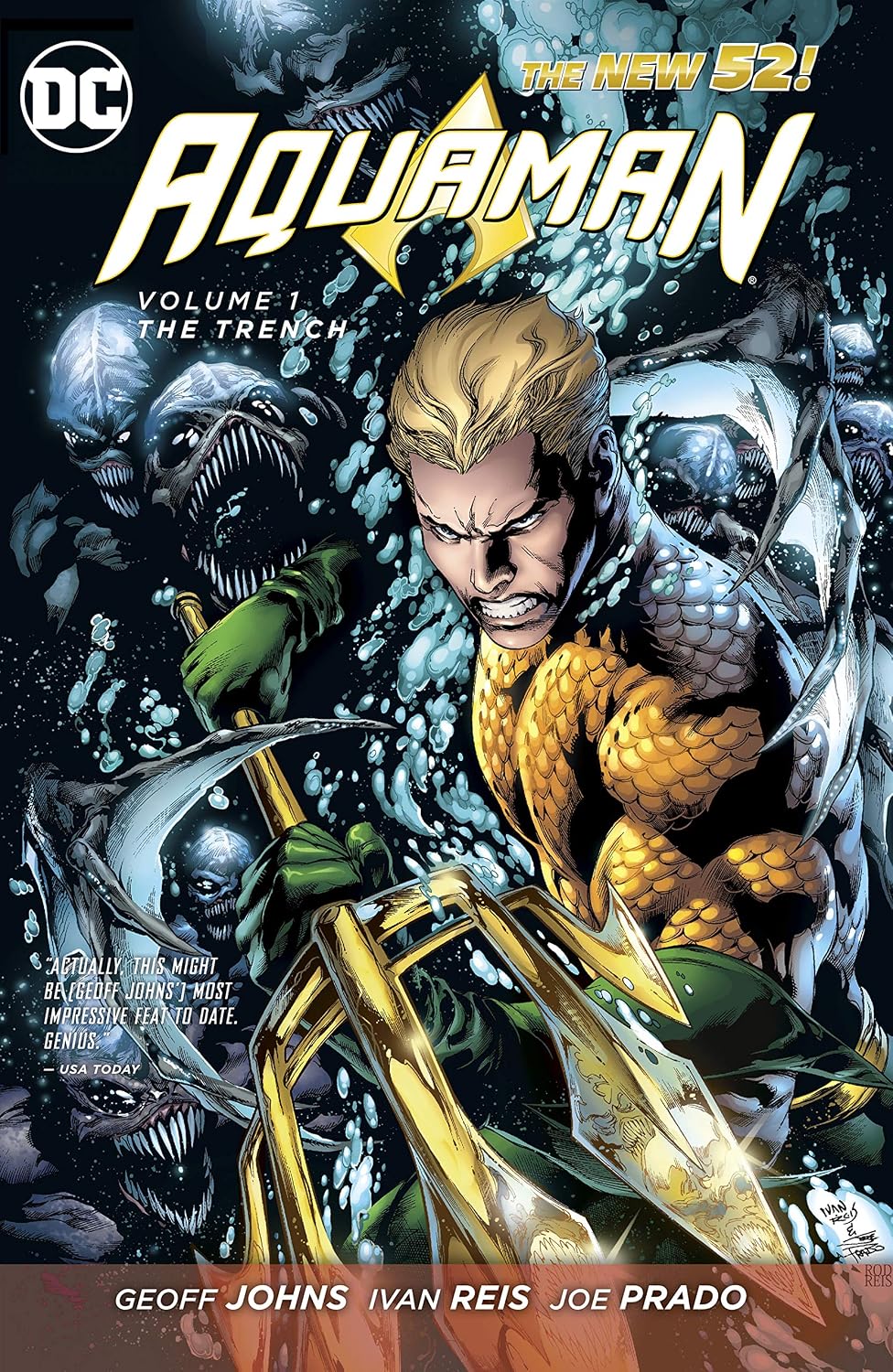
It seems like Johns can write anything. Before 2011, most people saw Aquaman as just the guy who talks to fish. Johns addresses that joke right away in the first issue. Arthur Curry is well aware of his reputation, but he has more important things to worry about: he’s left the throne of Atlantis to live with Mera and hopes for a peaceful life, but when the Trench, a swarm of predators, rise from the ocean’s depths and trouble finds him again.
Johns makes sure Arthur still feels familiar but also shows how strong he really is. He comes across as both royal and tough. Reis’s artwork captures the vastness of the ocean, making the underwater world feel huge, mysterious, and a bit scary. Mera stands out as a real partner, not someone who always needs saving, which adds a sense of warmth to the story. Begin with Vol. 1: The Trench, it’s cheap, and if you like it keep reading the rest of Johns’s run. There’s also an omnibus available if you love what you read.
Green Arrow (Lemire and Sorrentino, #17–34)
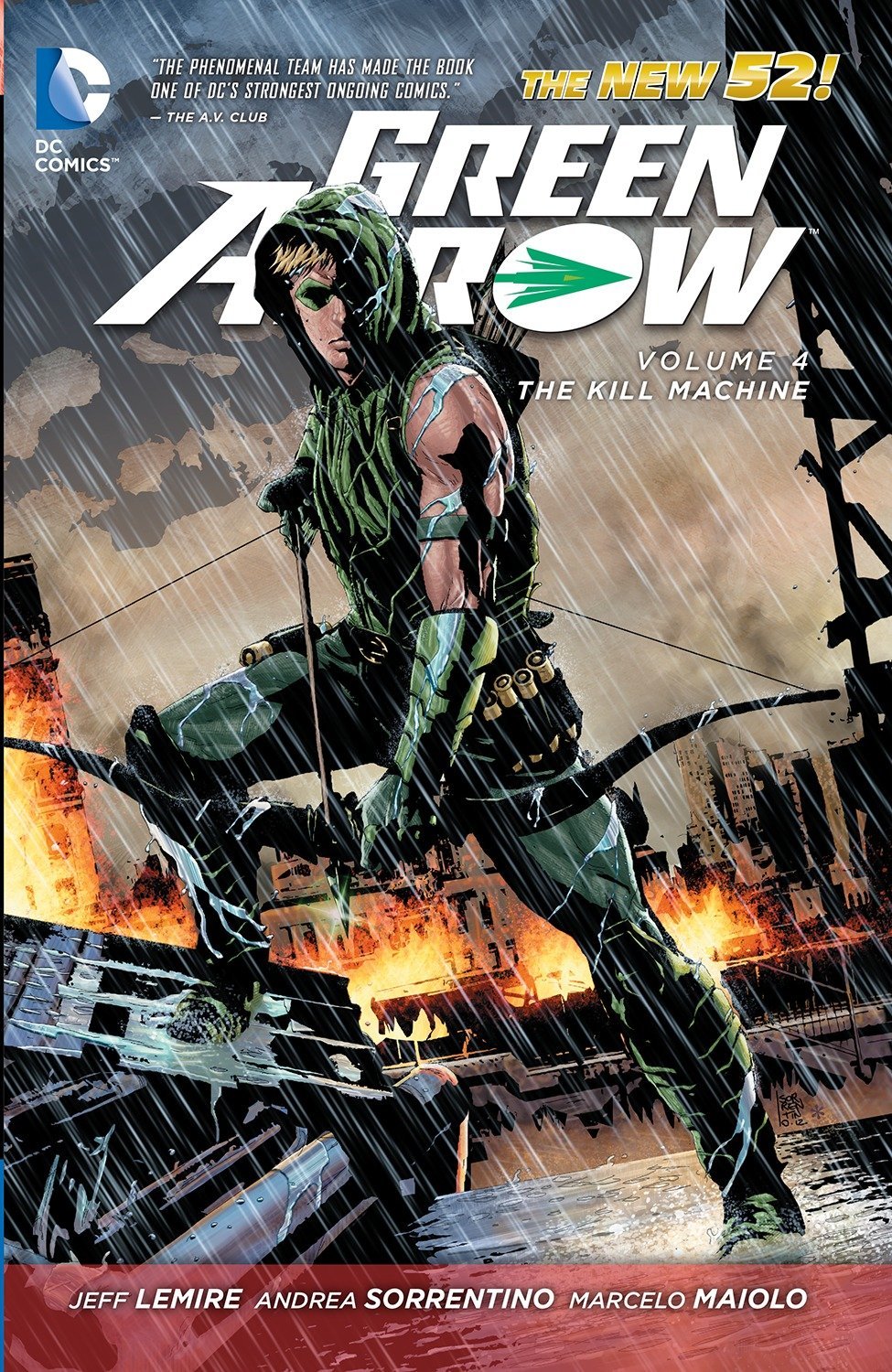
The main thing to remember with this run is to ignore issues #1 through 16. Lemire’s story kicks off at #17 by burning down the first 16 issues and Oliver Queen’s world upside down. He loses his fortune, his company and all his high-tech gear, while a deadly archer named Komodo is after him. As Oliver tries to survive, he discovers his time on the island where he first learned archery wasn’t random, it was the beginning of an old war between weapon-based clans.
This version of Green Arrow feels like a sharp conspiracy thriller, and Lemire makes sure the villains have real reasons for what they do. The real highlight is Sorrentino’s art. The pages break away from standard layouts, using target sights and broken panels to make every arrow shot feel intense and real. I’d start with Vol. 4: The Kill Machine, followed by the next two graphic novels to finish the run at issue 34. You can also grab the omnibus, which collects the entire story in one volume and is a much better buy.
Okay, that’s my list of the best comics that came out of the New 52. These aren’t the only good ones that came out during that period, but they are the only ones that I can enthusiastically recommend without reservation and that don’t get bogged down in the nonsense that DC was doing at the time.
In my next post I’ll talk about DC Rebirth, what I think of it, and what I can wholeheartedly recommend from it. Coming soon!