The 20th Century’s Best American Films Worth Watching Today, Part 5
Part 4 (1960-1969) Part 6 (1980-1988)
The Auteur Explosion and Blockbuster Birth (1970–1979)
This is the next decade in our series, where I break down the classic movies worth watching today. In the 1970s American movies became rougher, stranger, and more willing to take risks. The old studio formulas faded, making room for darker stories, complex characters, natural performances, and directors with more creative control. Films from this era can be cynical, violent, funny, intimate, or even unsettling—all within the same decade.
Hollywood also started making blockbusters, which led to a mix of personal films and big crowd-pleasers. In fact the movie Jaws is where the term ‘blockbuster’ came from, as the lines to get into the theater to see it went around the block. Some movies from the 1970s might seem slower or less polished than what we see today, but they often reward you with characters and stories that feel truly alive. Even now, these films are easy for modern viewers to enjoy.
If you’ve been following this series you know I add a short film or two for fun, so I’ll start there.
Short Film
Closed Mondays (1974, Bob Gardiner & Will Vinton)
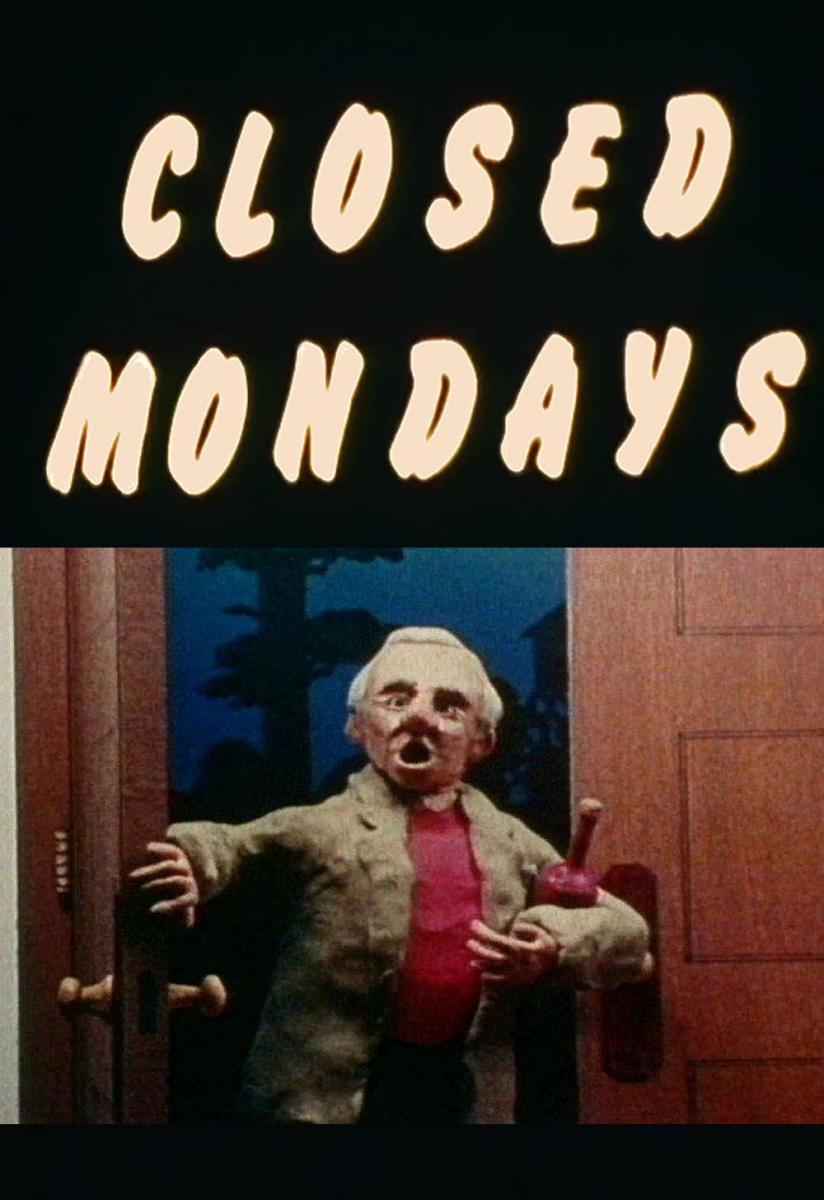
A tipsy man wanders into an art museum after hours to get out of the cold, only to find the paintings, sculptures, and exhibits are coming to life around him. The result is eight minutes of strange and playful clay animation, with almost no dialogue and a steady flow of visual jokes and surreal changes. Closed Mondays works because the animation itself is the punchline: shapes change, artwork moves, and the man’s drunken reactions make the museum feel more and more unpredictable. The handmade clay gives everything a wonderfully tactile look that still feels distinctive today. It’s funny, creative, and charming too.
Feature Films
The Godfather (1972, Francis Ford Coppola)
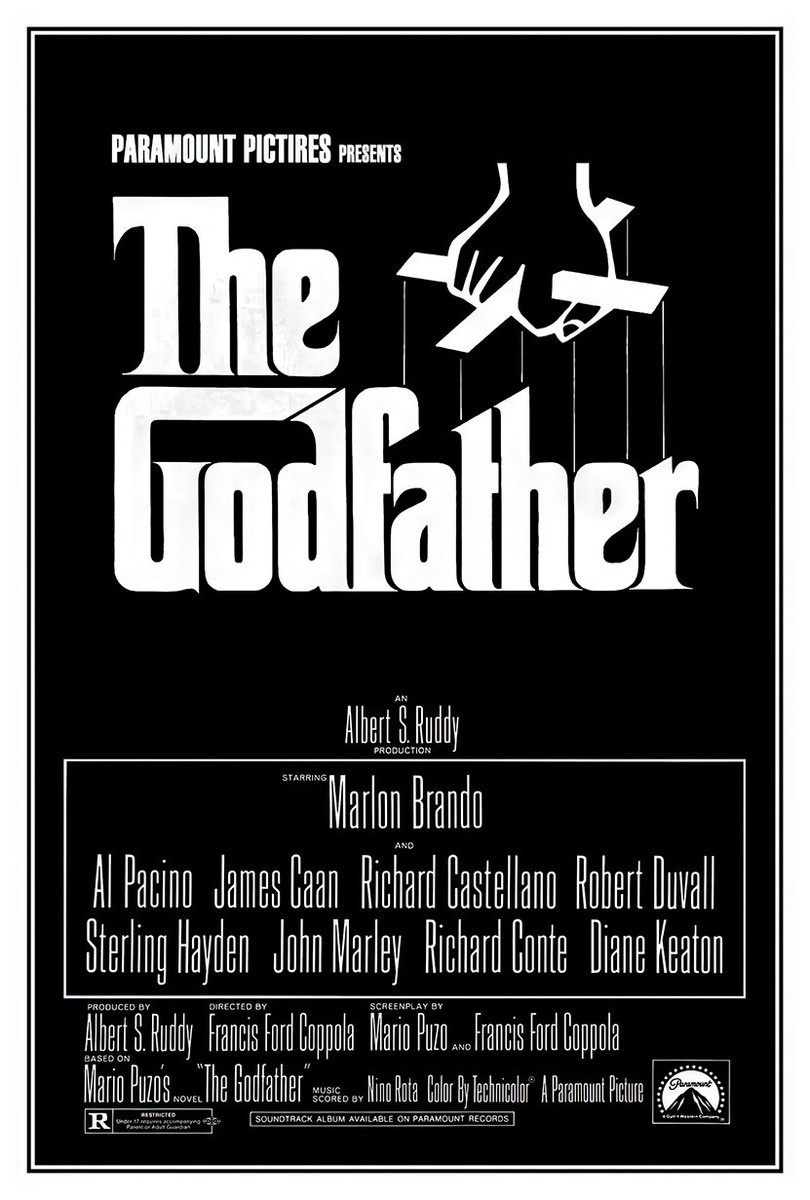
The head of a powerful New York crime family barely survives an assassination attempt, which sparks a gang war throughout the city. His youngest son, Michael, is a decorated war hero who never wanted to be involved in the family business. But after he carries out a revenge killing he is forced into hiding, starting a path toward the violence he always tried to avoid.
The Godfather takes a crime story and makes it both epic and personal. Even though the movie is nearly three hours long, every family dinner, wedding, business meeting, and sudden act of violence feels important and keeps the tension high. Marlon Brando is unforgettable as the old Don, but Al Pacino is the real focus, showing Michael’s change with incredible detail. In fact this is the first of four Best Actor Oscars Pacino should have won in the 70s. Watching the film is suspenseful, sometimes funny, and quietly heartbreaking because you can see each moment that pushes Michael toward a life he never wanted.
Cabaret (1972, Bob Fosse)
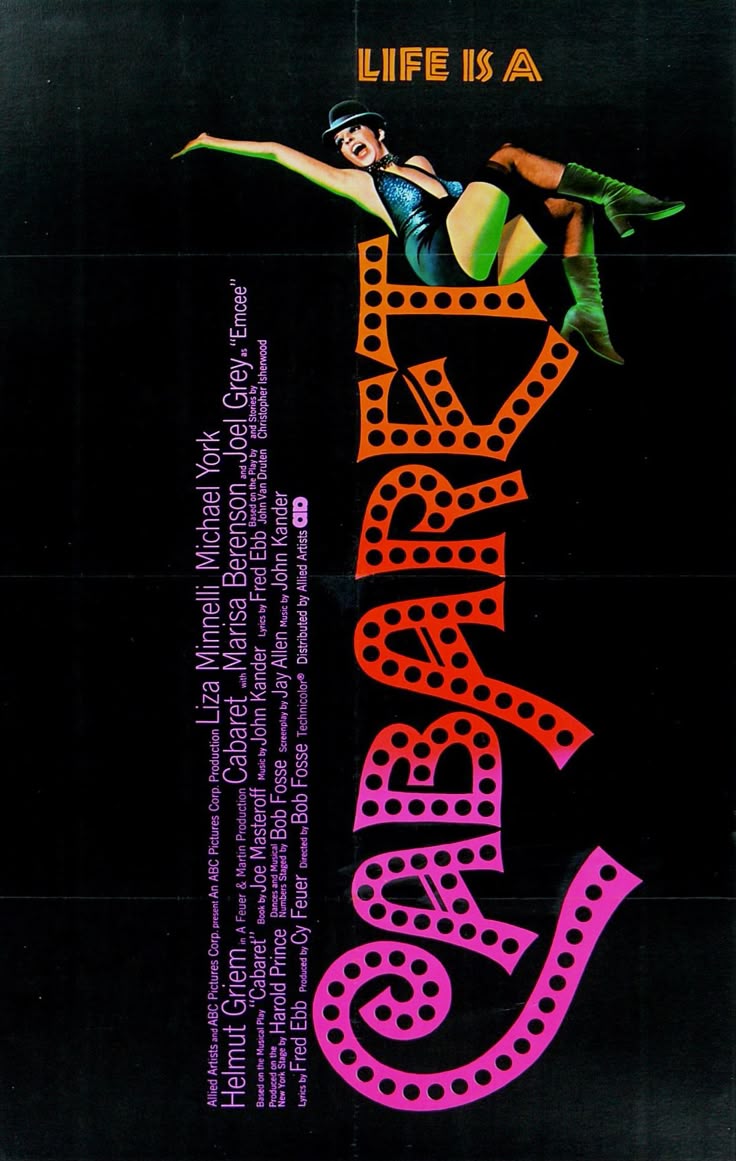
Cabaret opens in Berlin’s Kit Kat Klub, a place full of glitter, glamour, and a sense of escape from reality. Meanwhile, it is 1931 outside. There’s a Depression, the Nazis are rising, and the city is changing in ways the club’s guests try not to notice. Brian Roberts, a quiet British academic, moves into a boarding house and gets involved with Sally Bowles, an ambitious American singer who insists on living as if life is always a show.
Cabaret feels especially relevant today because it shows how easy it is to escape into style, romance, work, nightlife, or irony when the world feels overwhelming. Sally and Brian are young people searching for their identities, hoping to achieve something, and trying to avoid decisions that seem too difficult. The film is glamorous, funny, sexy, and packed with great songs, but it always reminds you of the price they pay for running away. This is a film about how easy it is to keep dancing even as everything changes around you, and it can cut close to home.
The Exorcist (1973, William Friedkin)
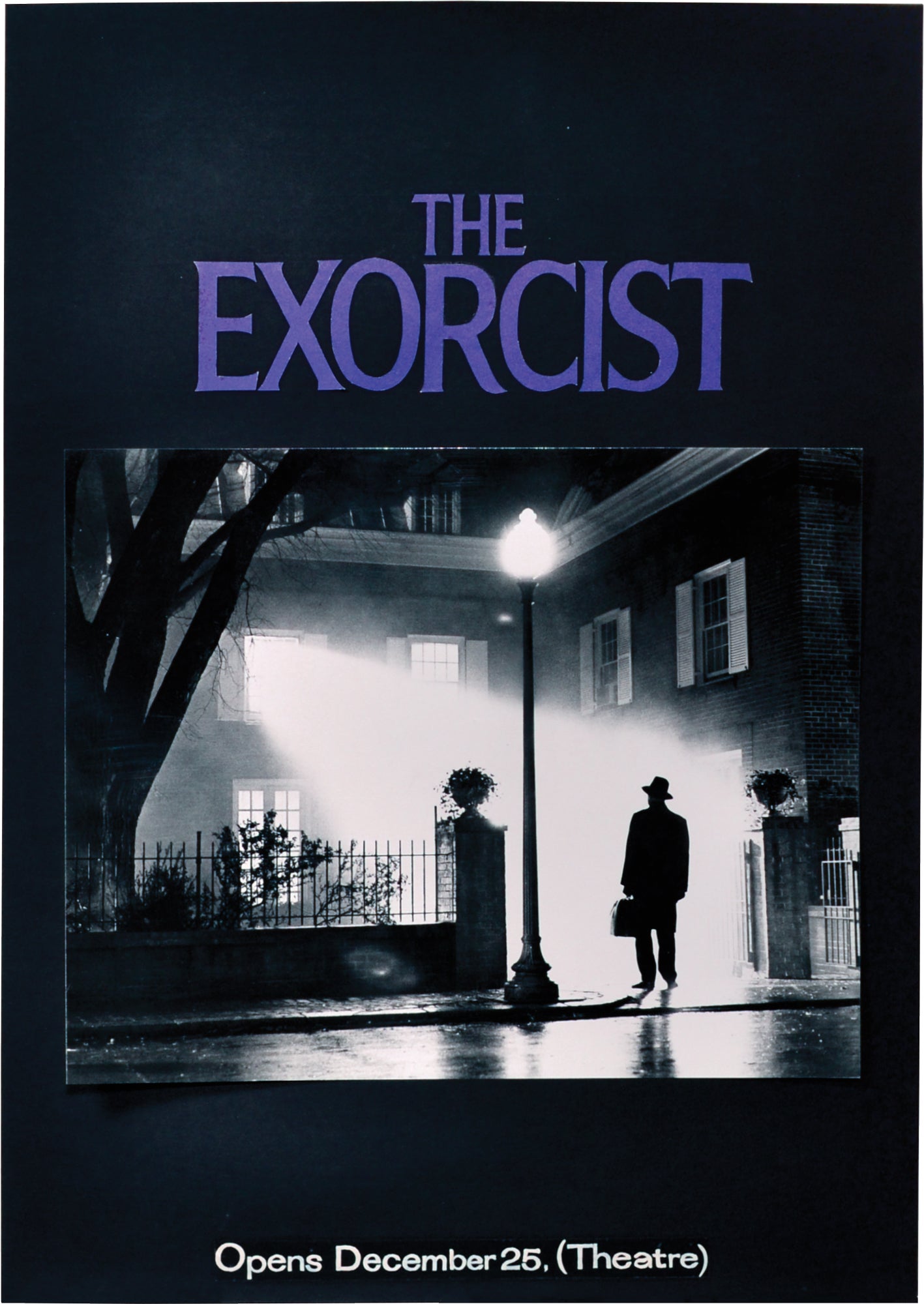
The Exorcist tells the story of a woman in Washington, D.C., whose 12-year-old daughter starts acting in violent and disturbing ways that no one can explain. When doctors and psychiatric tests can’t help, she asks a Catholic priest for help: Father Karras, a younger priest already struggling with grief, guilt, and whether he still believes at all.
The movie is powerful because William Friedkin treats the story seriously. At first it feels more like a family drama than a typical horror film, with hospital visits, specialists, and a mother doing everything she can before realizing that logic can’t solve the problem. This realistic approach makes the later supernatural events even more disturbing. The effects and strong language aren’t for shock value, they make Regan’s suffering feel painfully real and very wrong, while the iconic score makes it even better. What really lingers is not just the demon, but the sense of helplessness. The film shows what it’s like to watch someone you care about become unreachable while medicine, experts, and faith all fail—and you have no idea what to do next.
Chinatown (1974, Roman Polanski)
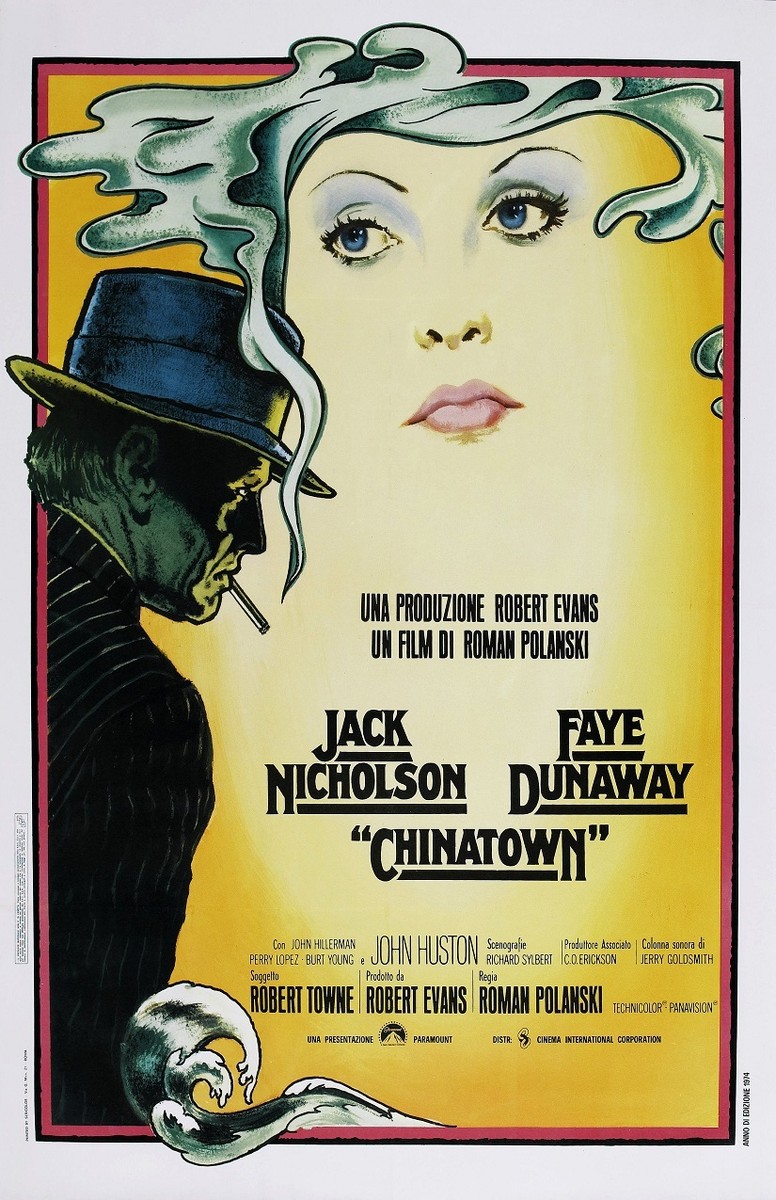
I love this movie so much. In Chinatown, a cocky LA private eye believes he is working on a typical infidelity case. Instead, he finds himself caught up in a much bigger mess involving a murdered water commissioner, water being dumped during a drought, shady land deals, and a conspiracy that reaches into the city’s most powerful circles. When a glamorous heiress arrives at his office threatening legal ruin, Jake realizes he has been set up. He soon understands that the people behind it all have a lot more power than he does.
The film endures as the gold standard of American neo-noir because it turns the classic detective procedural into a psychological trap. Jack Nicholson plays Gittes with magnetic swagger, making the character’s slow-dawning helplessness agonizing to watch as each uncovered clue tightens the net around him. Faye Dunaway brings brittle, tragic complexity to Evelyn, while John Huston radiates malice. It is a brilliant, sun-drenched mystery where uncovering the truth guarantees destruction.
The Godfather Part II (1974, Francis Ford Coppola)
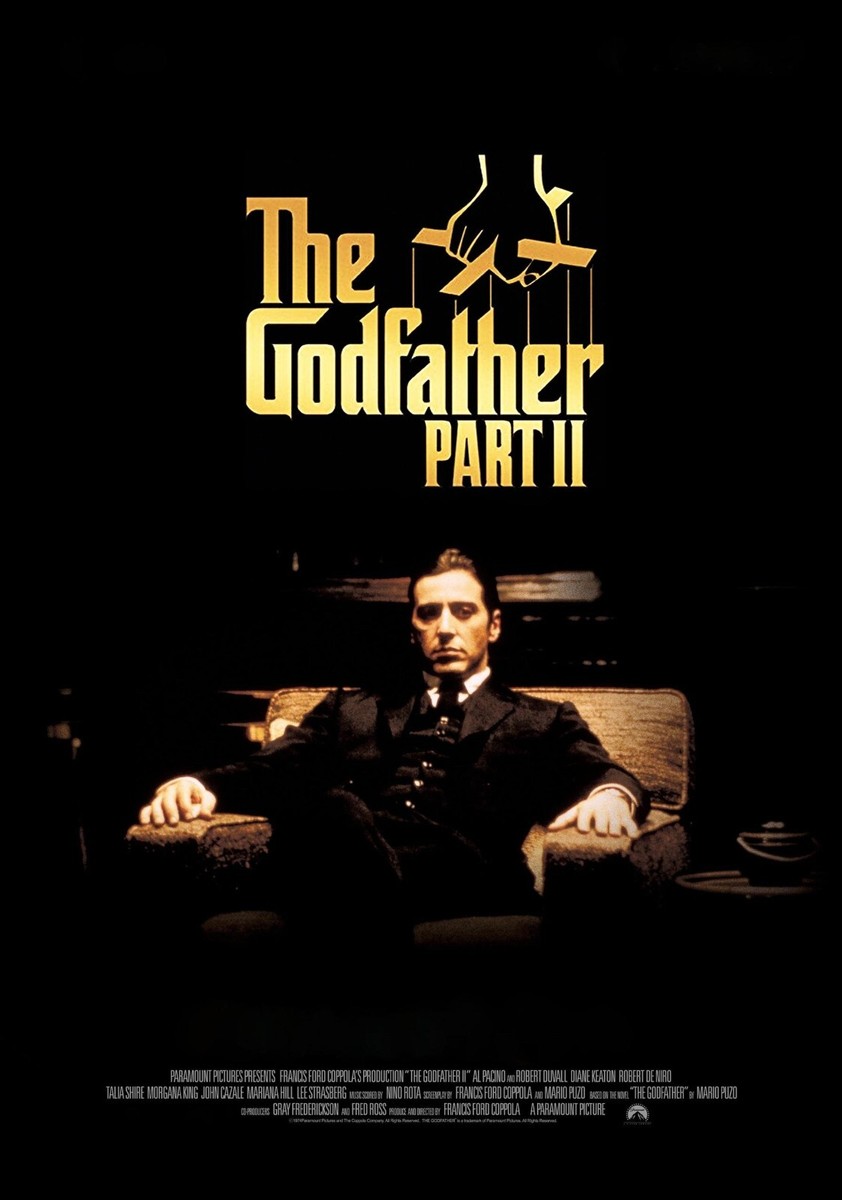
If anything, the sequel is even better than the first movie–lightning striking twice. The Godfather Part II tells the story of two generations of the Corleone family at once. In the past, young Vito arrives in New York after escaping Sicily and slowly builds the influence that will make him the Godfather. Later, in the late 1950s, his son Michael works to grow the family’s empire but faces an assassination attempt, a Senate investigation, and betrayal by those closest to him.
The movie’s main idea is clear but brutal: Vito is building something, while Michael is watching it fall apart. Robert De Niro plays young Vito with a calm and watchful dignity, so his violence feels tied to protecting his community. Al Pacino’s Michael (who should have won his third Oscar for this) is more powerful than his father, but also more isolated, suspicious, and struggles to separate love from control. The story moves between Sicily, New York, Lake Tahoe and Havana, but the most serious damage happens in private moments and silences. By the end, Michael’s success feels more like a defeat.
The Taking of Pelham 123 (1974, Joseph Sargent)
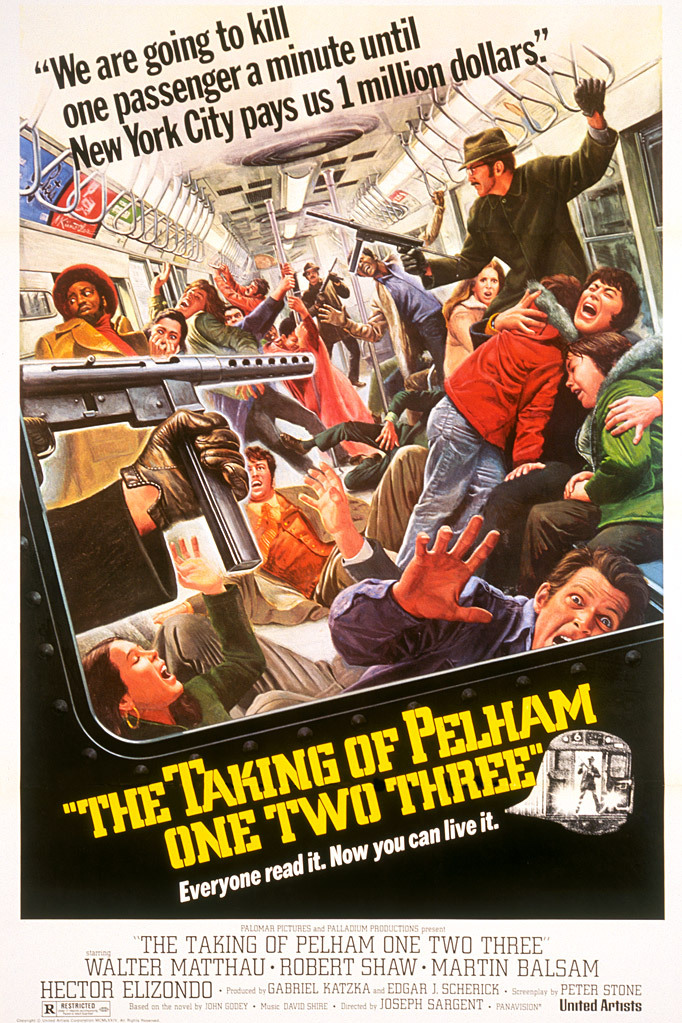
Four heavily armed men with color-coded aliases hijack a downtown Manhattan subway car, uncouple the passengers, and demand one million dollars in exactly one hour. Miss the deadline by a single minute, and they start executing hostages one by one. This movie has been remade twice, and still haven’t captured what made the original so great.
The Taking of Pelham One Two Three belongs on my list because it runs on frictionless propulsion. There’s zero wasted motion here: no backstories, no romantic side plots, no Hollywood filler. The entire movie is an electric battle of wits between an disciplined mercenary and a world-weary transit cop with cynical, deadpan New York wit—Robert Shaw’s controlled menace against Walter Matthau’s exasperated intelligence. Watching it today is a breakneck-paced ride that keeps you locked into its countdown right up to its final beat. It’s a lean, mean clinic in suspense that grabs you instantly and never lets up.
Young Frankenstein (1974, Mel Brooks)
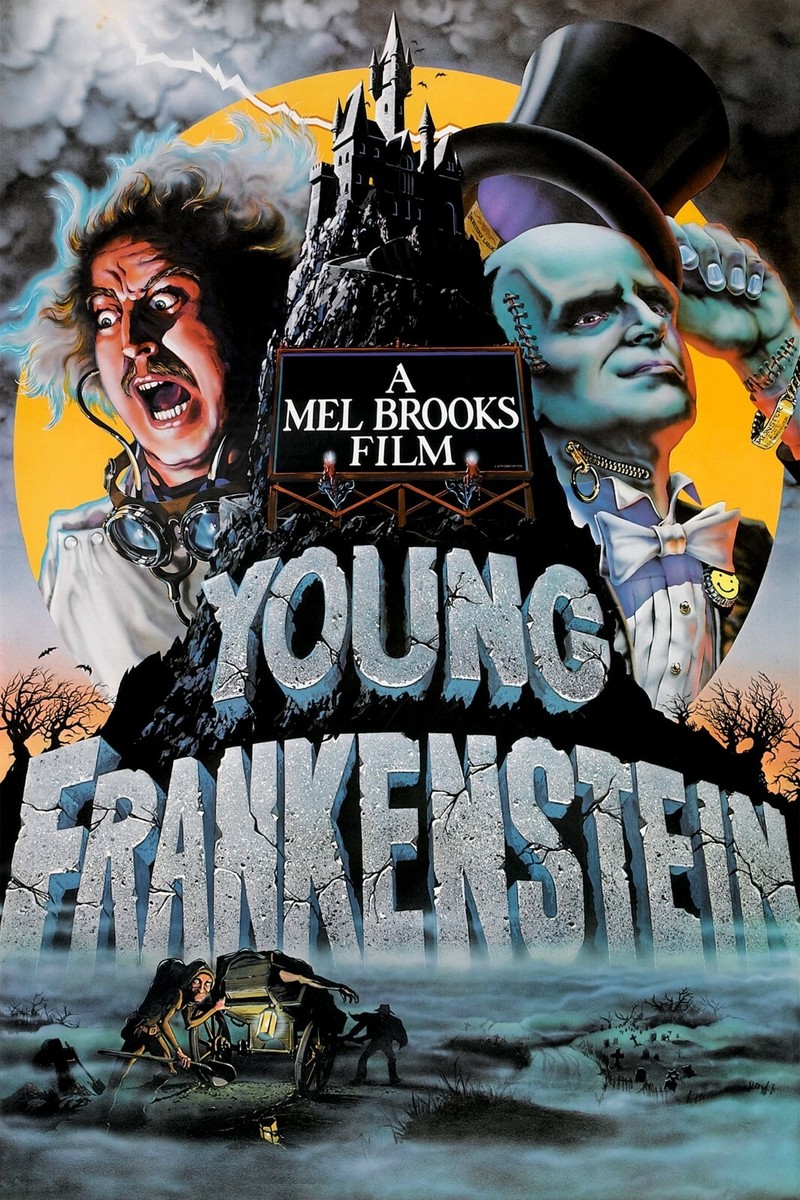
You should know deciding between this film and Blazing Saddles was incredibly tough. When Dr. Frederick Frankenstein inherits his infamous grandfather’s estate in Transylvania, he wants nothing to do with the family legacy. But after finding a secret laboratory, meeting the quirky assistant Igor and reading his grandfather’s notes on reviving the dead, Frederick soon starts his own experiments and ends up creating a monster himself.
Mel Brooks could have made Young Frankenstein as a simple parody, but instead he recreates the style and mood of the 1930s horror films, right down to using the original equipment from those movies. Gene Wilder, Peter Boyle, Marty Feldman, Madeline Kahn and Cloris Leachman bring the story to life with their wonderfully absurd characters and performances (watch for the almost unrecognizable Gene Hackman). The result is a movie that is still easy to enjoy today. You don’t have to know the original Frankenstein films to have fun with it, but if you do, you’ll find more to appreciate. It’s the rare comedy that just gets everything right.
Dog Day Afternoon (1975, Sidney Lumet)
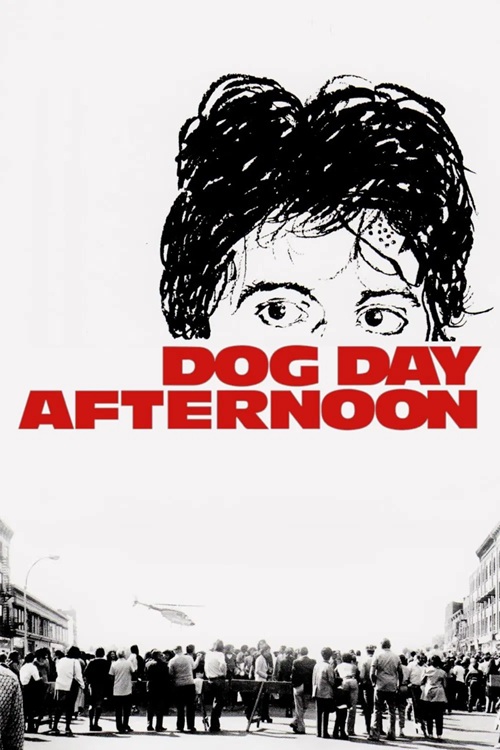
Sonny and his partner Sal walk into a Brooklyn bank on a hot afternoon, planning a quick and simple robbery. Things go wrong fast. The vault is almost empty, the police surround the building, and the failed heist turns into a sweaty hostage situation broadcast live on TV. The story keeps shifting, moving between suspense, absurdity, comedy, and real desperation, sometimes all in one scene.
This film stands on its own without needing any historical context. Pacino should’ve won his fourth Oscar here, as he delivers one of his best performances—he’s funny, frustrating, sad, and even scary at times. Sidney Lumet avoids any extra music or polish, letting the messy human moments drive the film. It never feels like homework. Even after fifty years it’s still easy to watch and just as gripping, all the way to its powerful ending.
Jaws (1975, Steven Spielberg)
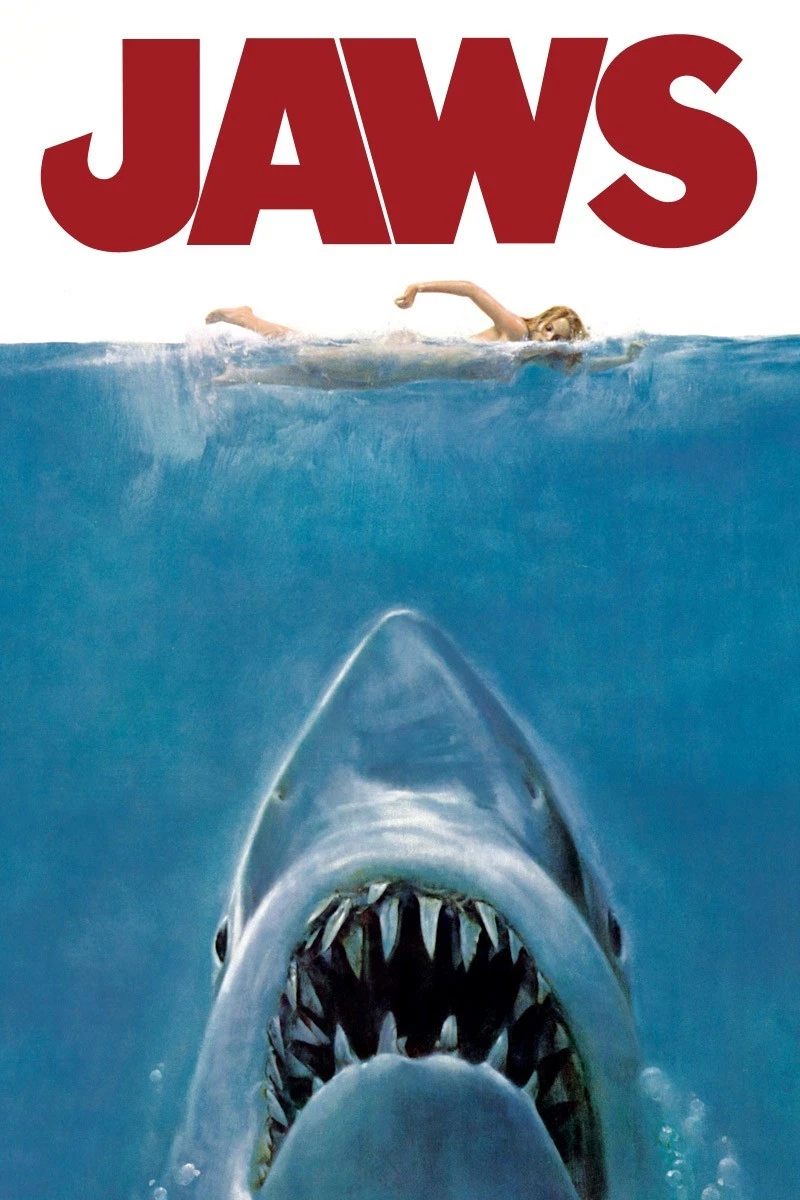
A great white shark starts attacking swimmers near Amity Island right before the Fourth of July weekend. Police chief Martin Brody wants to close the beaches, but the town’s leaders refuse because they need the tourist money. After more attacks, he joins forces with marine biologist Matt Hooper and shark hunter Quint to find the shark out at sea.
Jaws is so good that it makes water itself feel dangerous. The shark is often unseen, but John Williams’s two-note theme and the camera’s focus on the empty ocean make every swim seem risky. The last boat trip is great because Brody, Hooper, and Quint all want to stop the shark, but they are very different people. The movie is funny, tense, and truly scary, but it does not feel old-fashioned. You don’t have to know its place in film history to enjoy it either, because the basic fear of being far from shore with something big swimming below you still works right away.
Taxi Driver (1976, Martin Scorsese)
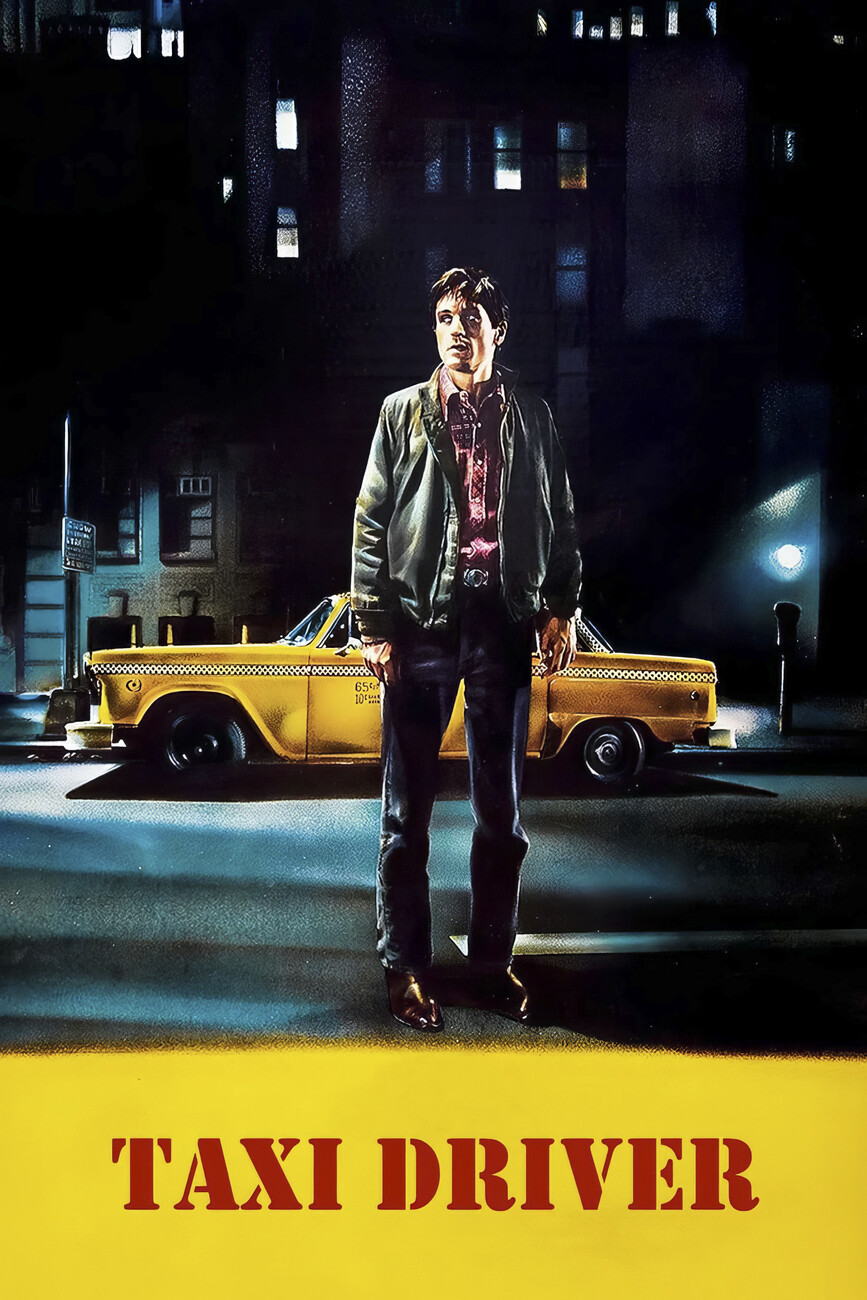
Travis Bickle has insomnia, so the lonely Vietnam vet starts driving a cab in New York. As he works he sees the city’s sex shops, violence, and late-night crowds, and his disgust grows. After he awkwardly tries to connect with Betsy, who works on a political campaign, he pulls back into his own world and convinces himself he has a mission: to clean up the city and save a teenage girl named Iris from sexual exploitation.
Taxi Driver works because it never turns Travis into a straightforward vigilante hero. Robert De Niro plays him as confident, fragile, isolated, and more frightening as the story goes on. The neon lights, rain, steam, and a sad jazz soundtrack make New York feel like a fever dream seen through Travis’s warped view. The film still feels relevant because it shows how loneliness, rejection, anger, and dreams of self-improvement can shape someone’s identity and even lead to violence.
Rocky (1976, John G. Avildsen)
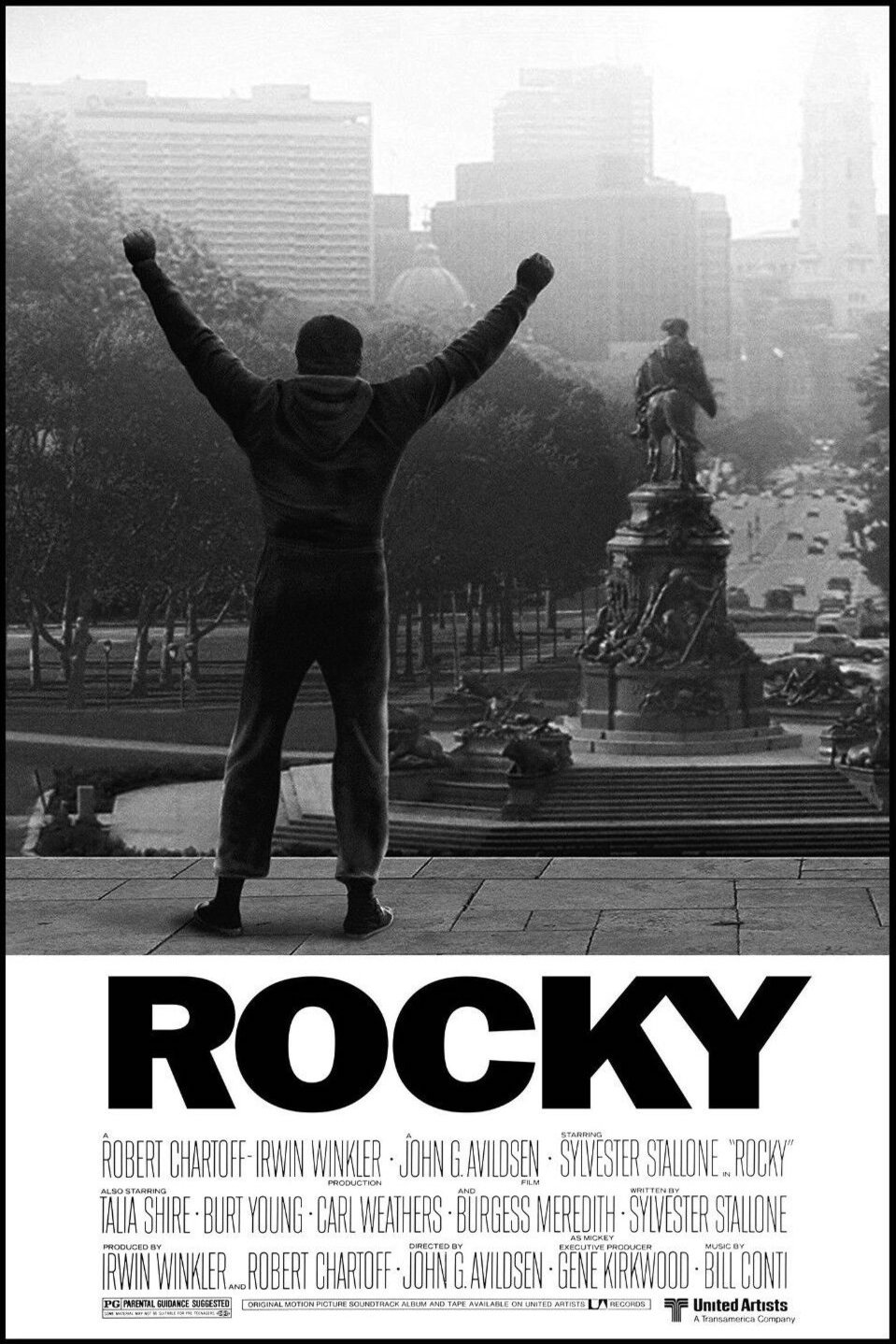
Rocky Balboa lives in Philadelphia, where he boxes on the side and works as a debt collector. He mostly believes his life is stuck and that his best days are over. He lives alone with his turtles and takes whatever fights he can get. Everything changes when heavyweight champion Apollo Creed needs a last-minute opponent for a New Year’s title match and picks Rocky because of his nickname, “the Italian Stallion.”
Rocky is powerful because the story is about more than just the fight. Sylvester Stallone plays Rocky as sweet, funny, insecure, and more thoughtful than people expect. His relationship with the painfully shy Adrian gives the movie its heart. The training scenes are inspiring, but the real change happens quietly: Rocky starts to believe in himself, and others begin to believe in him too. This is an underdog story that is about a lot more than winning or losing a fight.
Annie Hall (1977, Woody Allen)
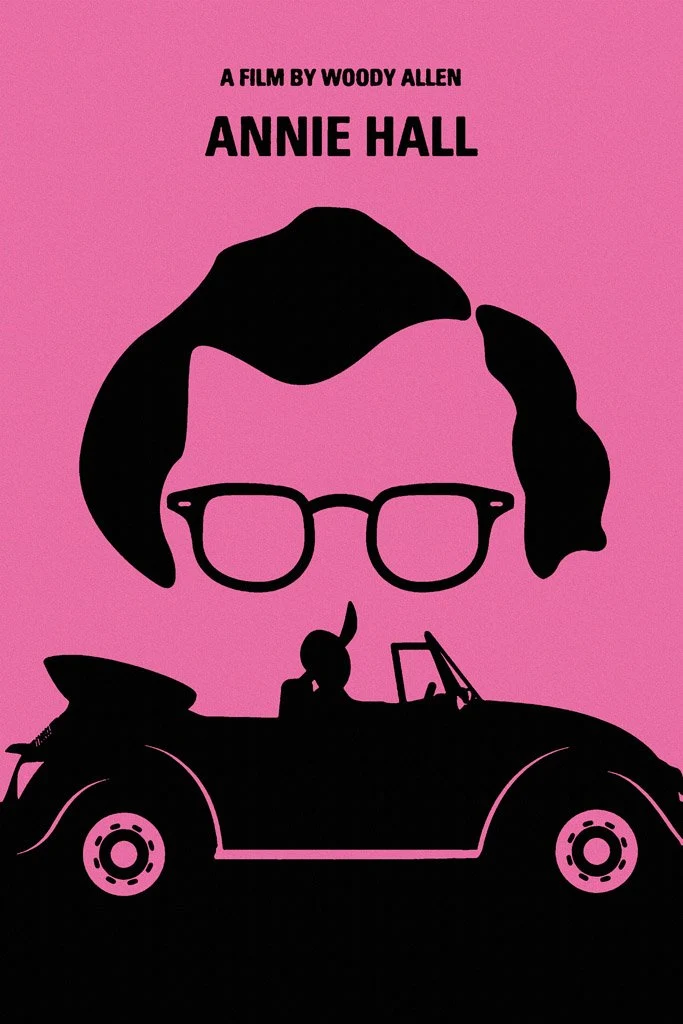
Annie Hall is my favorite comedy of the 70s. It tells the story of Alvy Singer, a funny and anxious comedian from New York, as he looks back on why his relationship with Annie, a charming and free-spirited singer from the Midwest, ended. The film shows their story in pieces: awkward first dates, dinner parties in Manhattan, jealousy, poor communication, childhood memories, therapy, and the small arguments. Because Alvy is the one telling the story, there is always a quiet question: how much of this is really Annie, and how much is just the version of her that Alvy needs to remember?
The movie works so well because it shows romantic memories the way they really feel: messy, funny, embarrassing, and full of moments you wish you could redo. Characters speak directly to the camera, subtitles reveal what people are really thinking, and memories are replayed with new commentary. The visual jokes always support the emotion. It is easy to relate to because it understands that relationships can be joyful and important, even if they are not meant to last.
Star Wars (1977, George Lucas)
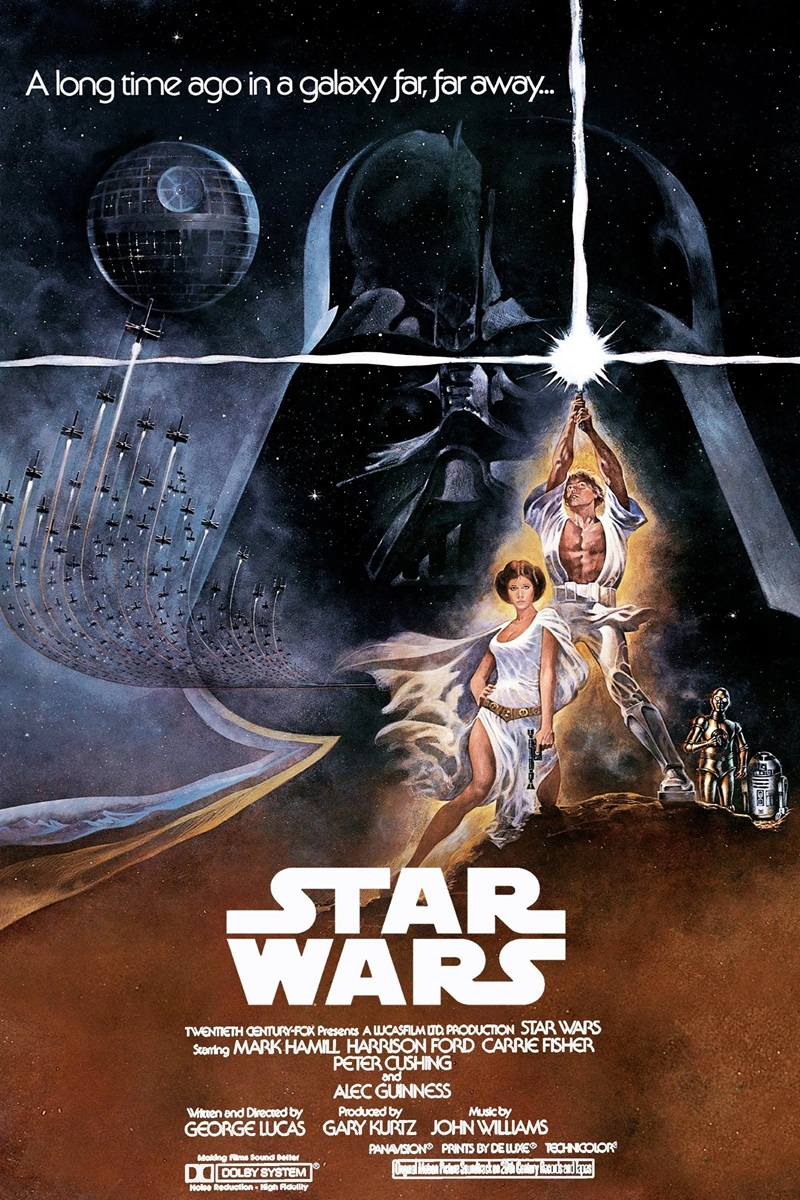
On a desert planet at the edge of the galaxy, a restless farm boy named Luke Skywalker finds a distress message hidden inside a discarded droid. After Imperial troops kill his aunt and uncle while searching for stolen plans, Luke is drawn into a rebellion against the Galactic Empire. Alongside Obi-Wan Kenobi, an aging Jedi, Han Solo, a cynical smuggler, Chewbacca, and the captured Princess Leia, he must help destroy the Death Star, a space station designed to wipe out entire planets.
Star Wars manages to makes an enormous universe feel real and lived in. The ships are dented, the robots are battered, and the characters never stop to explain every strange thing they see. Luke wants adventure, Han wants money, and Leia refuses to wait around to be rescued. John Williams’s score lifts the action without making it feel too serious. This is a fast, funny, and sincere adventure with a clear sense of momentum. It is simply a great story about ordinary people joining a bigger fight.
Halloween (1978, John Carpenter)
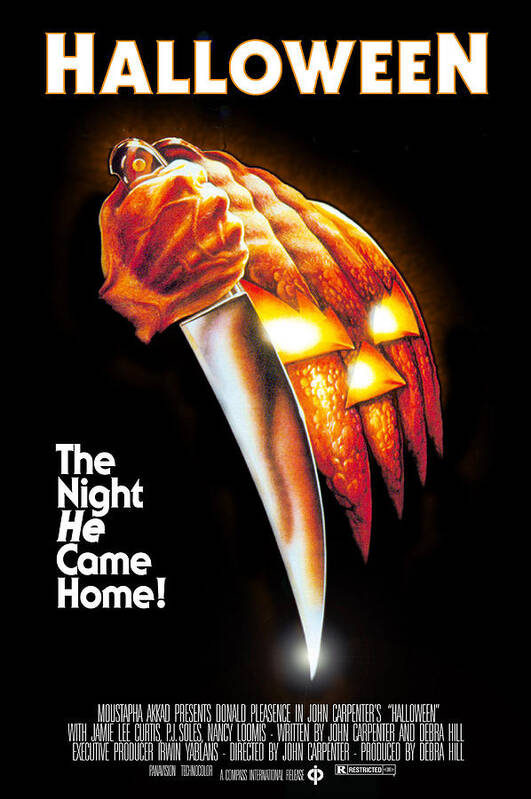
Halloween begins with six-year-old Michael Myers killing his sister on Halloween night, then spending fifteen years in a psychiatric hospital. When he escapes just before Halloween, his old psychiatrist follows him back to Haddonfield, Illinois. There, Michael becomes obsessed with Laurie Strode and quietly stalks her and her friends through an otherwise ordinary suburban evening.
John Carpenter creates fear by keeping things simple. Michael doesn’t have a complicated plan or a long backstory. He is just a silent figure who keeps showing up at the edge of the screen, turning everyday places like sidewalks, bedrooms, and babysitting jobs into something unsafe. The simple synthesizer music lets you know danger is close even before you see it, and Jamie Lee Curtis plays Laurie as alert, scared, and clever instead of just helpless. This movie shows how a horror film doesn’t need much to be scary. It is simple, focused, and takes its time, using the basic fear of looking behind you and finding someone there.
Alien (1979, Ridley Scott)
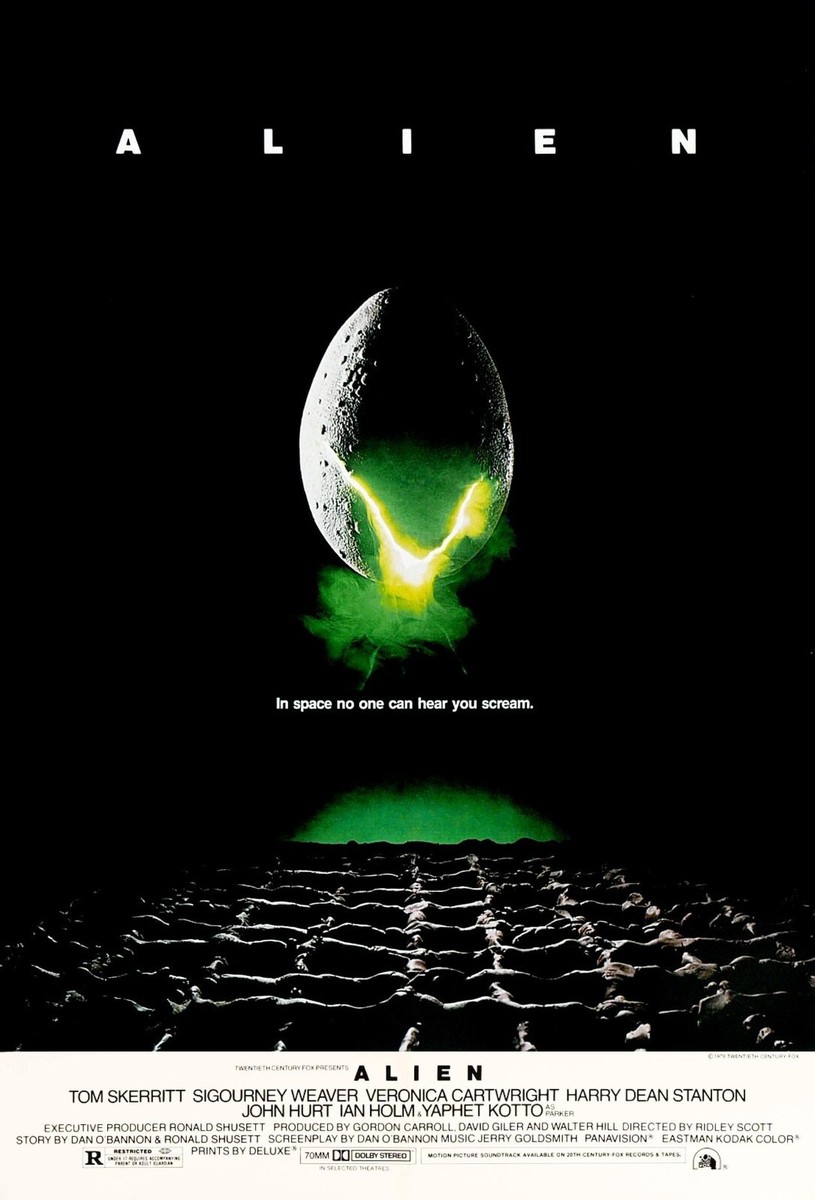
In Alien the working-class crew of the Nostromo, a commercial towing ship, wakes up from stasis after receiving what seems to be a distress signal from an unknown moon. When they investigate, they accidentally bring an aggressive alien parasite onto their ship, and it starts hunting them one by one through the ship’s maze-like industrial corridors.
Alien is here because it is probably the most perfectly structured horror movie ever made: it escalates in perfectly measured beats without ever repeating a beat. The first part of the movie takes its time showing the crew’s daily routines, their arguments, and the gritty details of the ship, which makes the sudden horror feel like a real intrusion. After that it turns into a survival story, where every hallway, shadow, and hatch makes the ship feel like a trap. Sigourney Weaver’s Ripley keeps the fear grounded by staying calm and capable, which makes the tension even stronger. It needs to be watched because its pacing, practical effects, and heavy industrial design make the horror feel real, close, and nearly impossible to escape.
That’s another decade under our belts, through the wild ride that is the 70s. In my next post we’ll explore the 80’s, the decade that I grew up in: The High-Concept and Blockbuster Perfection. All of these movies almost anyone can watch and enjoy. Part 6 is up next.