
The Most Underrated PS1 Games Part 2
Part 1 Part 3
This is part 2 of the most underrated PS1 hidden gems. I explain my methodology in how I determine which games belong and which don’t in part 1, but to be brief: they need to be underappreciated both at the time of their release and today, have a real gap between sales and quality, and still play well today. This is not a vibes-based approach, I do a lot of research and take a lot of factors into consideration. I should also mention that I am only including games that are considered hidden gems here in North America. If a game was a hit in Japan but barely caught on here, it still would potentially qualify.
What does it take for a game to make it into my hidden gems list? As I noted in part 1 I rely on solid evidence, not just nostalgia or how much a game costs. I screen for obscurity, cult recognition, commercial performance, contemporary quality evidence, modern playability, and retrospective saturation. My goal is to provide an archive of games that players can look to when they are looking for some good retro gaming action on the PlayStation. Anyway, we’ll continue:
Tier A — Deep Underappreciation
Rival Schools: United by Fate (1998, Capcom)
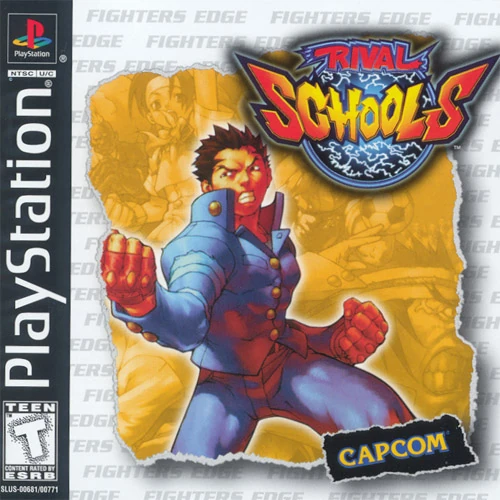
Rival Schools: United by Fate feels like a late-90s anime high school melodrama set inside a 3D fighting game. In the game students and teachers start disappearing around town, and rival schools clash to solve the mystery. Capcom used solid 2D fighting basics instead of the awkward early 3D style, so the game is quick, easy to pick up, and lets you switch in a partner during fights for completely ridiculous “Team Up” moves.
The game got good reviews when it came out, but it never received a Greatest Hits reprint. Its sequel was released only on the Dreamcast, which was discontinued soon after, so the series ended there. Capcom left it out of Capcom Fighting Collection 2, despite fans specifically requesting it, which is weird for such a funny and likable fighting game. With its unique cast of baseball captains, nurses, and delinquents, gameplay that still feels smooth and easy to learn, and has more personality than most games of its era.
Hogs Of War (2000, Infrogrames)
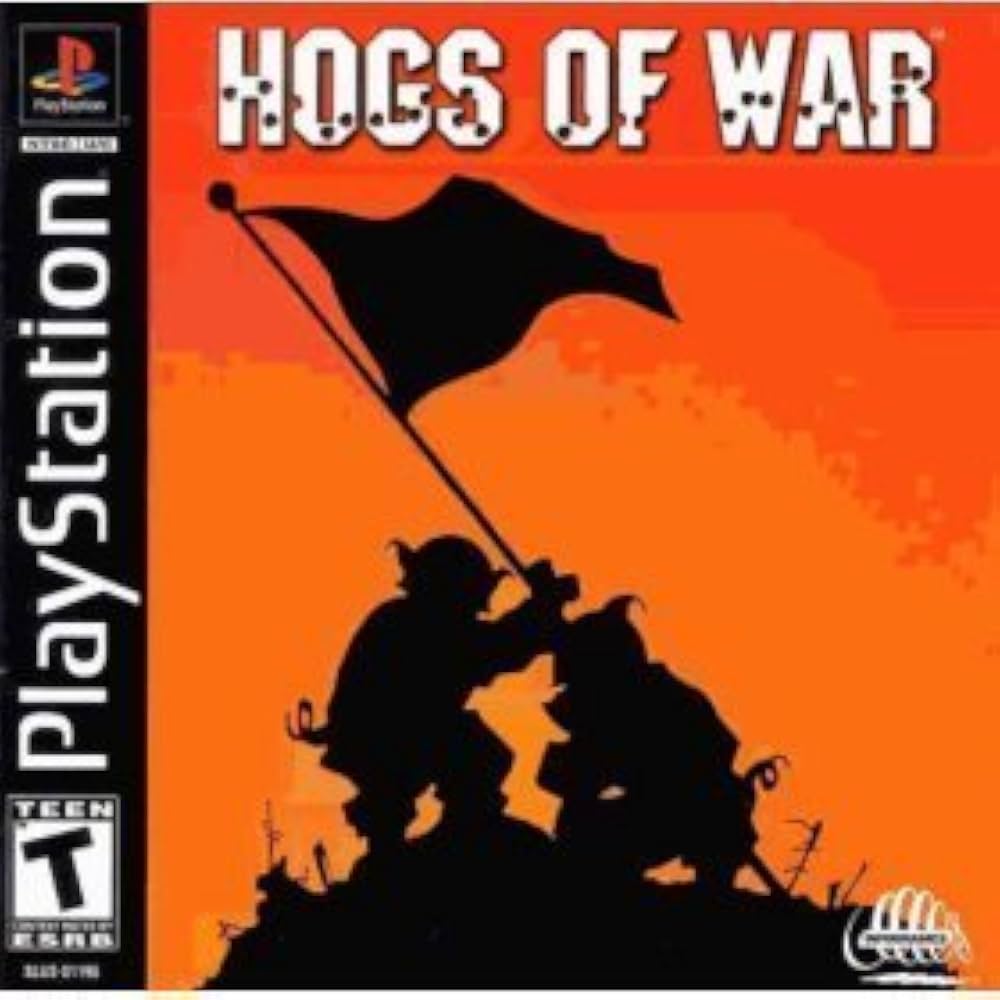
Hogs of War takes the tactical artillery style of Worms, brings it into full 3D, and wraps it in a pitch-black WWI satire narrated with unhinged glee by Rik Mayall. You lead a squad of armed pigs across Saasland, launching mortar shells and calling in airstrikes during tense, turn-based battles. Between missions, you can promote your grunts into specialized classes like Snipers, Sappers, Gunners, or Medics, which really changes how you play.
Its timing sank it. It launched in North America in September 2000, just a month before the PS2 launched, and its very British humor reportedly made it hard to sell in the US. Two sequels were attempted but never made it—one ended when the publisher took over the studio, and another in 2008 when the publisher went under. The original developer is gone now, too. Still, what remains deserves more recognition: turn-based pacing that avoids the awkwardness of early 3D action, a class system with real tactical depth, and a campaign that’s still a blast to play with friends.
Incredible Crisis (1999 Polygon Magic)
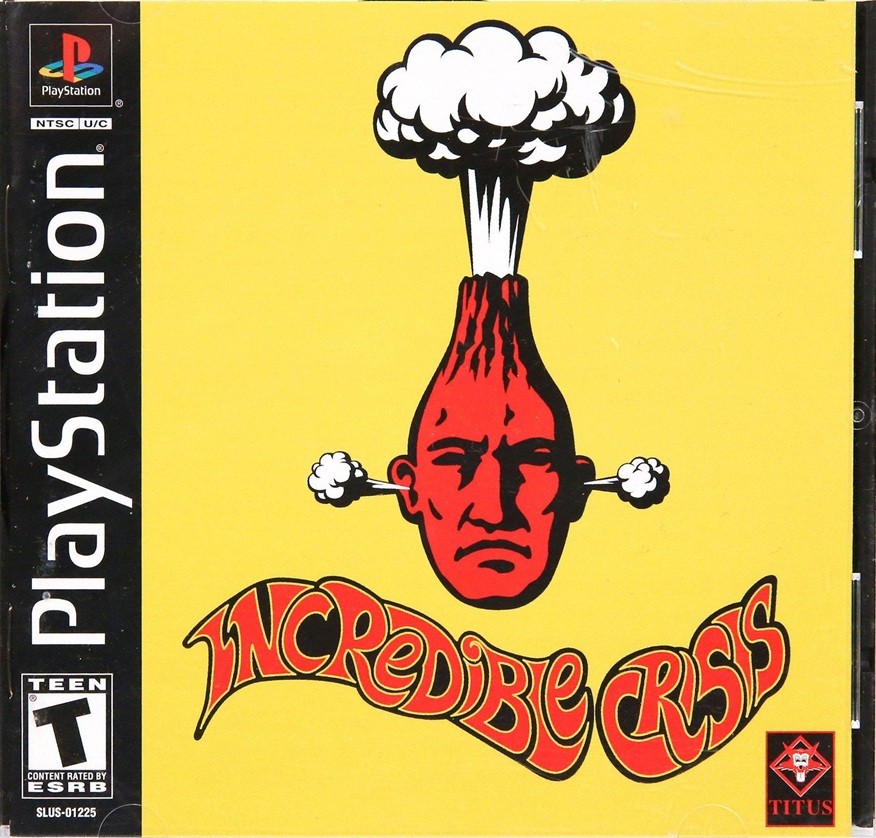
Incredible Crisis is a perfect example of late-90s Japanese craziness. The story is simple: four members of an ordinary Tokyo family just want to make it home in time for grandma’s birthday dinner. Their day quickly turns wild, with nonstop microgames and rhythm challenges. They end up dodging runaway boulders on hospital stretchers, escaping from crashing helicopters and fighting off alien invasions. All of this happens to a fast-paced ska-punk soundtrack by the Tokyo Ska Paradise Orchestra.
The game got good reviews and even won an IGN Best of 2000 award, but it only sold modestly in Japan. When it came to the West, the PlayStation 2 was already taking over, so it disappeared without a sequel. The whole game lasts about two hours, but few PlayStation titles are this committed to being weird. It’s a creative, funny, and exciting experience that still is one of the most original games on the console.
Treasures of the Deep (1997, Black Ops Entertainment)
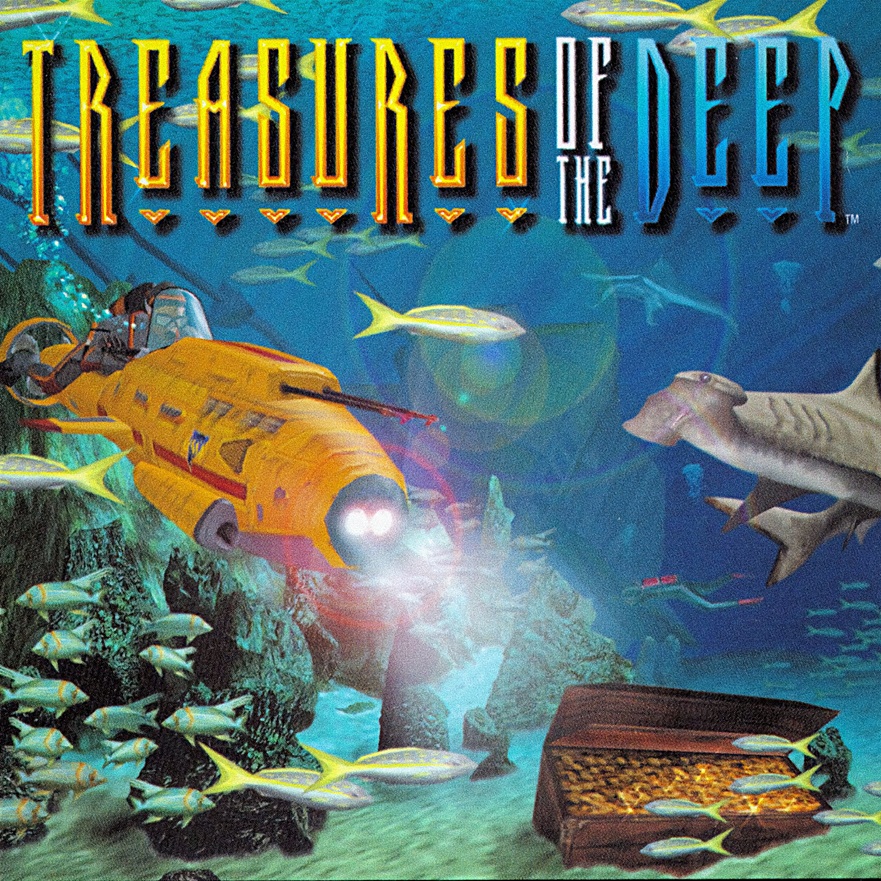
Treasures of the Deep drops you into the pitch-black ocean as a submersible pilot salvaging sunken wrecks, disarming underwater hazards, and fending off sharks and enemy subs. The game uses full DualShock dual-analog controls, which came out years before twin-stick setups became common. Between missions, you can use your earnings to upgrade your submersible, add ROVs, and equip stronger torpedoes.
The game got good reviews when it was released. IGN even said it “deserves more than a passing glance.” Still, it disappeared quickly and was reportedly in clearance bins within a year, with no sequel ever made. Since piloting a submersible requires slower, more careful movement, the game avoids many of the jerky camera issues found in other early 3D console games. Its murky visuals and atmospheric sounds still create a tense, immersive (heh) experience today.
Tomba! 2: The Evil Swine Return (2000, Whoopee Camp)
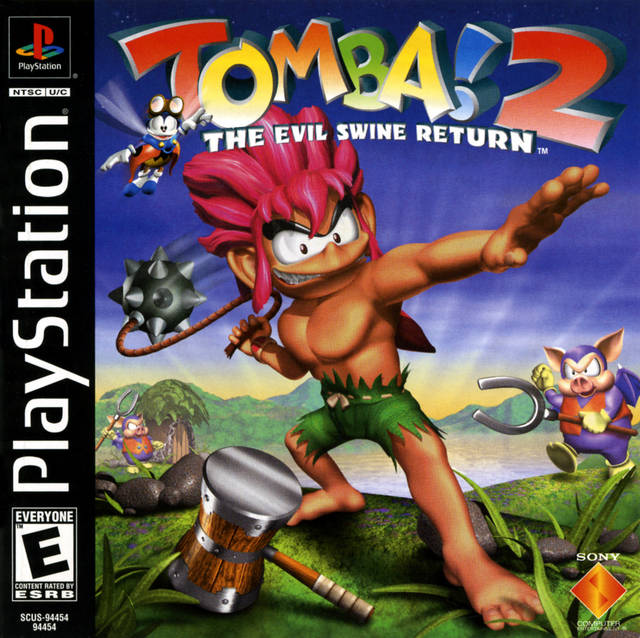
Tomba! 2: The Evil Swine Return skips the usual platformer clichés and stands out as one of the PlayStation’s most unusual action-adventure games. You play as a wild, pink-haired kid trying to rescue his girlfriend from evil magic pigs. What makes it memorable is its bright 2.5D world: jumping and biting are only the beginning of an adventure built around more than a hundred connected events, quests, secrets, and paths you will revisit.
Instead of playing like Crash Bandicoot, Tomba! 2 feels more like a platforming RPG. You collect gear, use elemental abilities, help NPCs, and return to earlier areas to find new paths. The game got strong reviews when it launched, but poor sales led to Whoopee Camp closing and the series not getting a third game for many years. The controls can still feel clunky, but the fixed-camera 2.5D setup avoids much of the confusion found in early 3D platformers. Tomba! 2 is still a charming and surprisingly deep puzzle-platformer, and it remains one of the PS1 era’s biggest commercial losses.
Saiyuki: Journey West (2001, Koei)
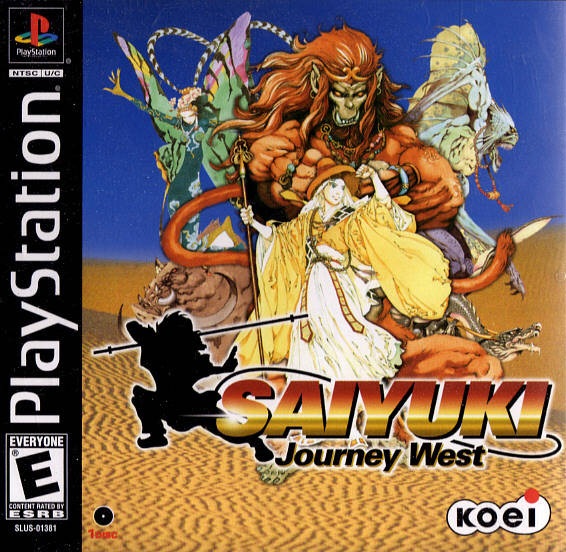
Saiyuki: Journey West brings classic Chinese folklore to life as one of the PlayStation’s most approachable tactical RPGs. You play as the monk Sanzo, leading a lively group of mythical allies like the Monkey King, Son Goku, through grid-based battles against demons and rival forces. One of the game’s best features is Wereform, which allows human party members to transform into huge beast forms and dramatically change the course of a difficult fight.
Saiyuki’s straightforward battles, crisp 2D graphics, elemental systems and quick pace make it easy to have a good time with. Critics thought the game was great when it was released in North America in 2001. The problem was it came out late in the PS1’s life, never got a sequel, and was overshadowed by bigger strategy RPGs. It’s a shame, because Saiyuki is a focused and fun strategy game with a unique setting and personality that few others could match.
The Misadventures of Tron Bonne (1999, Capcom)
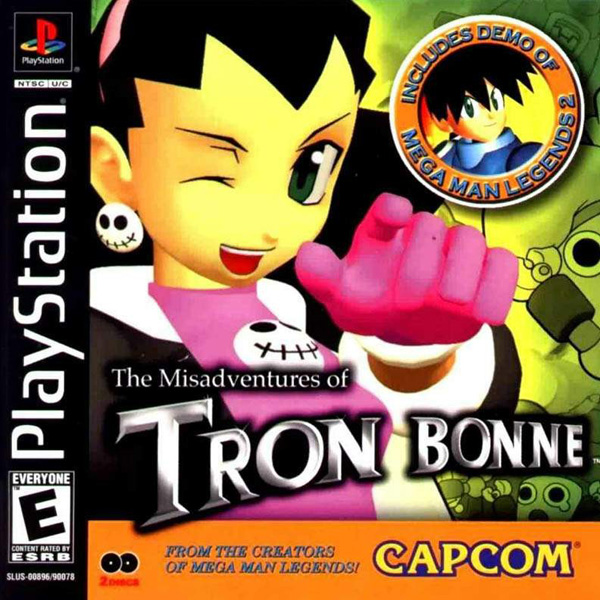
The Misadventures of Tron Bonne flips the Mega Man script, leaving the Blue Bomber behind to follow the air-pirate antihero as she tries to raise a ransom for her kidnapped brother. Backed by her customizable Gustaff mech and forty distinct Servbots, Tron pursues an ingenious multi-genre money-making spree. Instead of sticking to typical 3D platforming, the game switches between block puzzles in a harbor warehouse, first-person exploring in ruins, and managing your minions on the Bonne airship. It focuses less on action and more on solving puzzles, building your crew, and enjoying the funny personalities of Tron’s Servbots.
The game came out in 2000 with only a small release, so it didn’t sell much and was overlooked as the PlayStation 1 era ended. Still, its mix of different gameplay styles has held up better than many other games from that time. Each mode keeps things changing, and the humor and creative systems make it one of the most unique spin-offs on the system.
Roll Away/Kula World (1998, Game Design Sweden)
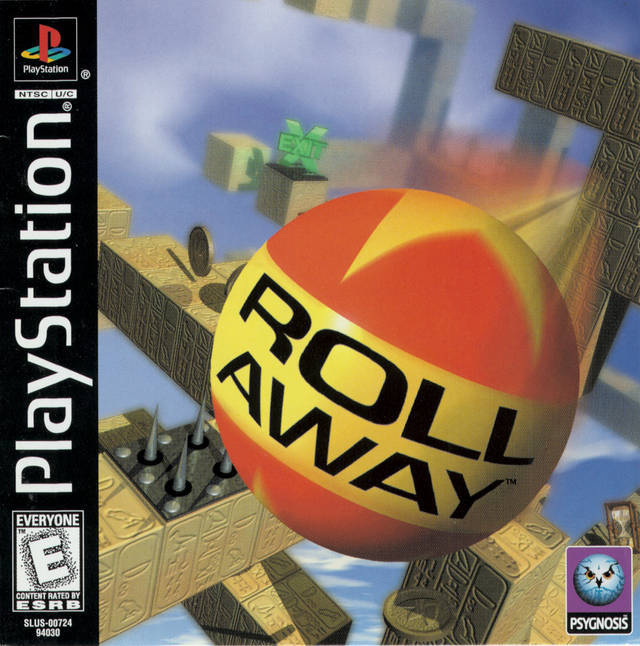
Roll Away feels like an Escher painting brought to life. It’s an addictive puzzle game where you guide a beach ball above abstract, empty spaces. The goal sounds simple: collect keys, dodge spikes, and reach the exit before time runs out. What makes it special is how you move. When you roll off a block’s edge, the entire playfield rotates by ninety degrees. Suddenly, floors become walls, and your sense of direction changes in an instant.
This one idea powers almost 200 small levels that focus on logic, simple shapes, and movement instead of fighting or tricky camera controls. Each turn gives you a new view, and every path challenges you to see the level from another angle. Roll Away got great reviews but never became a big name on PlayStation. Game Design Sweden stopped making console games, so this creative title never got a sequel. Even so, it has held up surprisingly well. It’s a clever, stylish puzzle game that still deserves more attention.
Ghost in the Shell (1997, Exact)
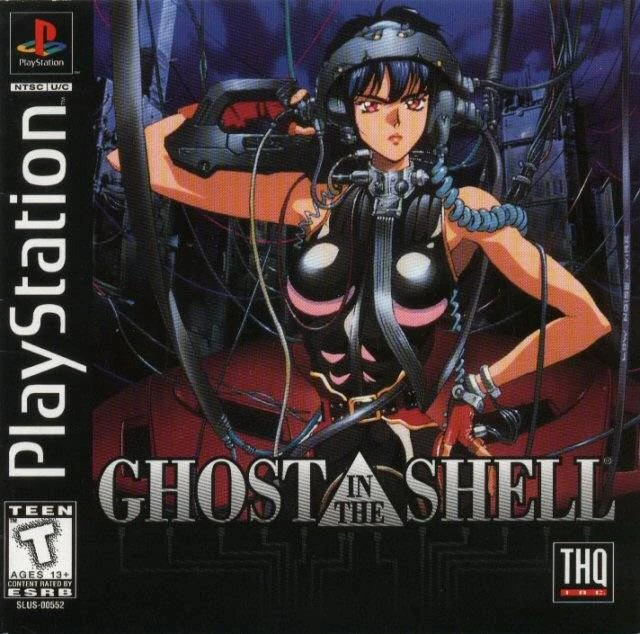
Ghost in the Shell stands out from typical licensed anime games. You play as a new Section 9 recruit piloting a nimble Fuchikoma tank. As cyber-terrorist attacks hit the city, you join Major Kusanagi’s team to uncover the plot behind them. What really makes the game fun is how your Fuchikoma moves. It can dodge enemy fire, fire missiles, jump over gaps, climb walls and stick to ceilings. This gives each short mission a fast, arcade feel that’s rare for a PS1 shooter.
The game features an original story told through animated cutscenes by Production I.G., mixing corporate intrigue, cybernetic battles, and the series’ unique near-future style. The energetic techno soundtrack and many of the film’s English voice actors make it even more appealing, and the smooth controls keep the action satisfying. The campaign is somewhat short and some missions repeat but it’s still a stylish, responsive cyberpunk shooter that deserved more recognition.
Bust-A-Groove (1998, Metro)
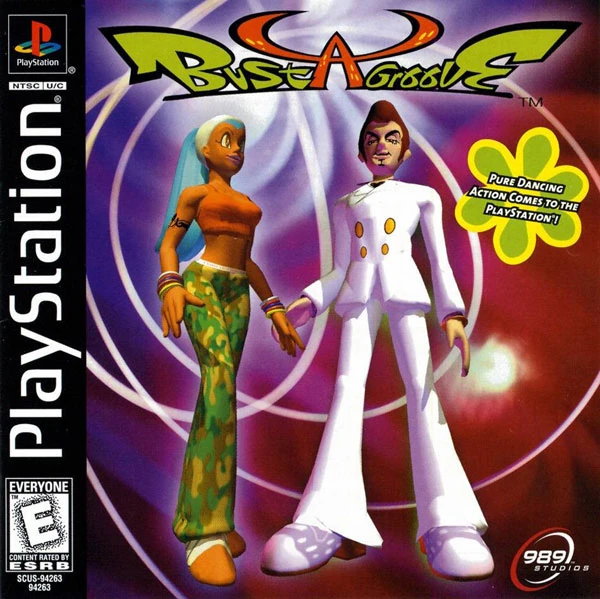
Bust-A-Groove mixed rhythm gaming with competitive fighting years before games with plastic instruments became popular at home. You pick from a colorful cast of dancers, like breakdancers, disco fans, robots, aliens, and even a tiny mouse. Then you face off against rivals in dance battles set to house, funk, hip-hop, techno, and disco music. Instead of just mashing buttons, you follow four-beat directional patterns in time with the music, linking moves to boost your score.
BAD also adds a combat element: if you hit the right sequences, you earn ‘jammers,’ which are special moves that throw your opponent off-beat and break their score streak. Every match has a mix of timing, memory, style, and a bit of sabotage. Critics liked its unique design, but the original game sold poorly in North America, even though a sequel came out soon after. The gameplay still holds up today because it focuses on rhythm and direct competition and not funky early 3D controls. It is still one of the PS1’s most creative and underrated multiplayer games.
R-Type Delta (1999, Irem)
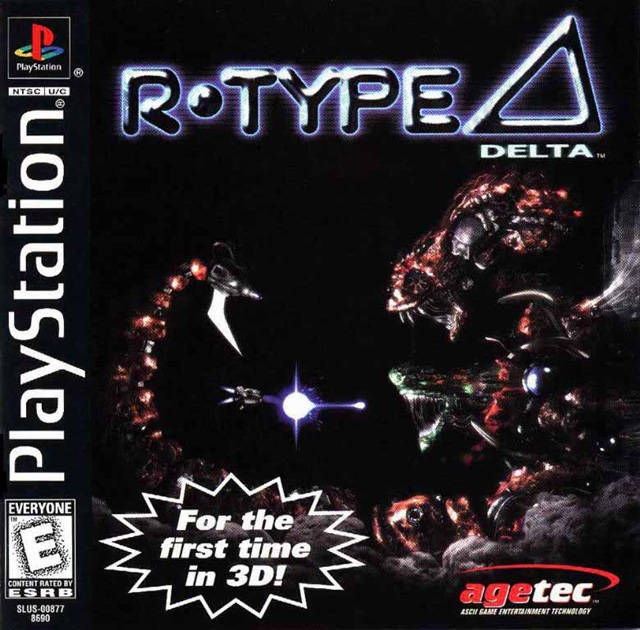
R-Type Delta pulled off a hard transition: it brought the famously demanding 2D shooter series into PS1-era polygons without losing the precision that made R-Type great. You choose from three distinct fighters, each built around the series’ indestructible Force pod, a detachable companion that acts as both a weapon and a shield. The new twist is the Dose system. When you use the Force pod to absorb enemy shots, you fill a gauge that lets you launch a special attack, which adds a risk-versus-reward choice to each battle.
The 3D stages twist, turn, and break apart as you play, making the action look dramatic while still keeping the series’ good level design. The game received strong reviews but mostly stayed popular with dedicated shoot-’em-up fans instead of becoming a big PS1 hit. The campaign is short and fairly tough, but if you take the time to learn the enemy patterns, you’ll find an intense and creative shooter that deserved more attention.
Looney Tunes: Sheep Raider (2001, Infogrames)
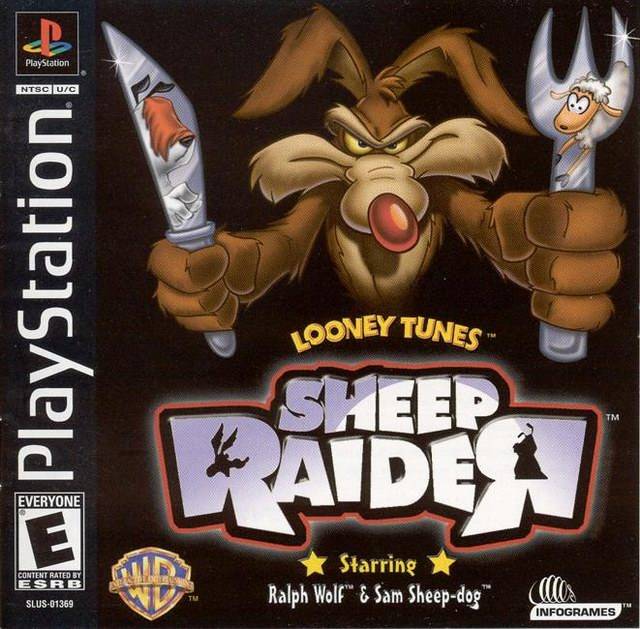
Looney Tunes: Sheep Raider, called Sheep, Dog ’n’ Wolf in Europe, seems at first like the sort of late PS1 licensed game you might find in a bargain bin. It has bright cartoon characters, familiar branding, and a story about Ralph Wolf trying to steal sheep from Sam Sheepdog. But Infogrames took that idea and made it into a smart stealth-puzzle game. Each level works like a small cartoon machine: you watch Sam’s patrols, try out ACME gadgets and disguises, and come up with a silly but satisfying way to grab the sheep.
The cheerful visuals probably made it easy to miss what Sheep Raider really was: a tough, carefully designed puzzle game that came out just as the PS2 was becoming popular. Instead of open-ended stealth, Sheep Raider sticks to a tight structure—sometimes a bit too tight—but that focus gives its best levels the logic of a well-made puzzle box. The camera can be clumsy and the later levels get tough but its bold cel-shaded look, creative scenarios, and quick retry system have held up better than many other 3D PS1 games. It’s an overlooked game with real design skill behind its cartoon style.
Okay, part 2 is complete. Continue to part 3 if you like.