The Most Controversial American Movies Ever Made, Part 2
Part 1
I started part 1 by curating a list of the most controversial American movies. I carefully avoided films that were “controversial” only because they had violence, sex or profanity, because someone disliked its politics, or were trying to be edgy or disturbing. I picked well-made movies that were controversial in terms of its subject matter, the manner of depiction and/or the artistic treatment itself was central to the controversy. I’m going to continue that here, and we will go in chronological order until just a few years ago. Here we go:
Controversial Feature Films Cont’d
Pretty Baby (1978, Louis Malle)
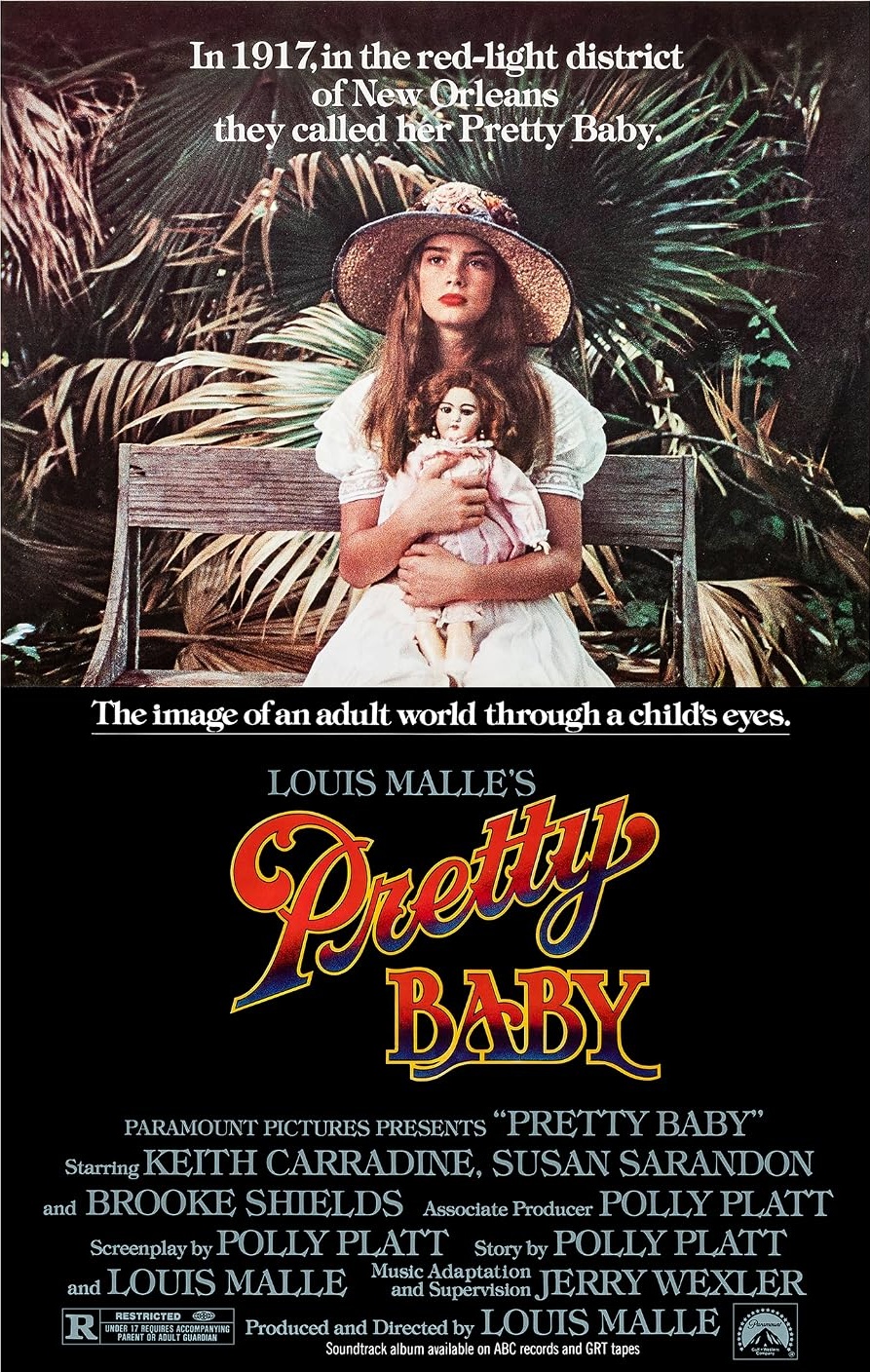
Violet is twelve and lives in a New Orleans brothel, where she sees the women’s work as just a normal part of life. In 1917 the adults around her think nothing of getting a child ready to be sold for sex. When photographer E.J. Bellocq comes to take pictures of the women, Violet becomes fascinated by him and his camera. Then the madam arranges an auction of Violet’s virginity and Hattie leaves for a new marriage and a respectable life, leaving Violet behind. Violet turns to Bellocq, and their relationship becomes the center of the film.
Pretty Baby does not show this world as a nightmare. The warm lighting, richly decorated rooms and the daily routines make it feel close and welcoming, and the beauty is part of what makes the film controversial. Does it show how exploitation can seem normal, or does it make the abuse look like a coming-of-age story? Casting Brooke Shields and showing her nudity makes it hard to keep these questions just part of the story. The period details draw you in, but Violet’s lack of protection gives the film its unsettling effect. Watch it for the craft and for the discomfort, as it’s one of the few films that makes you see how abuse can look gentle from the inside.
Cruising (1980, William Friedkin)
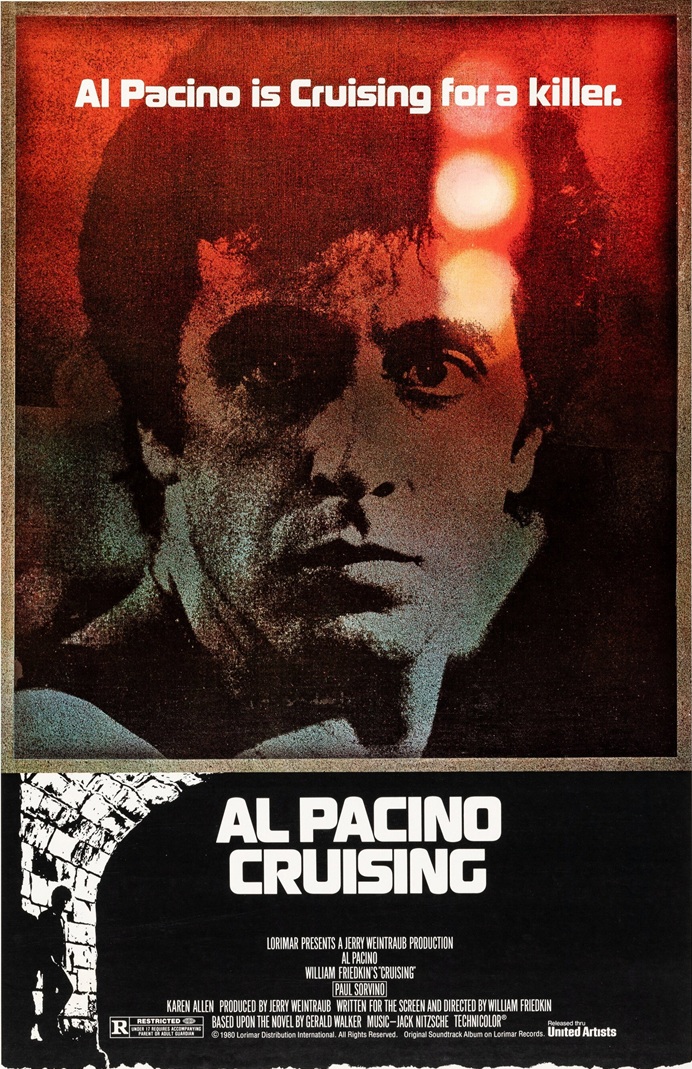
In Cruising, a killer is murdering men he meets in New York’s gay leather bars and Steve Burns, a young cop played by Al Pacino, goes undercover because he resembles the victims. The deeper he gets into the clubs, however, the less sure he is of who he is.
William Friedkin presents gay nightlife as a dark and dangerous world, with sweaty dance floors, explicit scenes, and sudden threats. This approach sparked a lot of controversy, gay and lesbian activists protested saying the film linked gay desire to violence and portrayed the community as dangerous. Watch it because it’s a real thriller: the mystery stays murky, Pacino is guarded and unsettled, and you’ll spend the last act arguing with it, and maybe with yourself, about what it’s really saying.
Blue Velvet (1986, David Lynch)
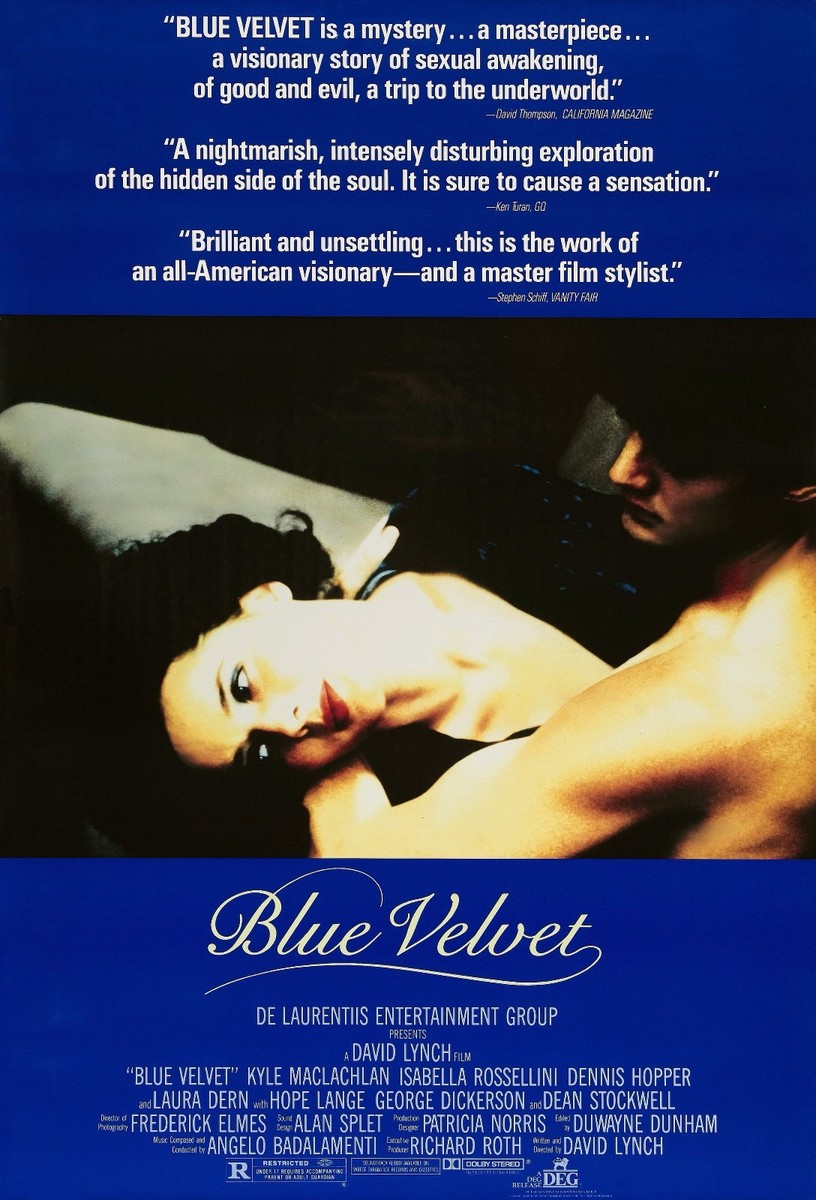
Blue Velvet starts like an adult version of a Hardy Boys mystery: Jeffrey, a college student, comes back to his peaceful hometown and discovers a severed ear in a field. As he tries to solve the mystery he meets Dorothy Vallens, a nightclub singer who is being sexually abused and threatened by Frank Booth, a gangster addicted to gas.
The real controversy comes from how David Lynch presents the story. Jeffrey hides in a closet and watches Dorothy’s suffering, and the camera makes us feel like we are watching with him, blurring the line between curiosity and voyeurism. Lynch combines violence with dreamy pop music, dark humor and eerily perfect suburban lawns, but he never gives us a clear sense of right and wrong. Is the movie criticizing our urge to watch, or is it encouraging it? The film is hard to look away from, both because the mystery is gripping and because Dennis Hopper’s Frank Booth makes even casual conversation feel threatening. Your sense of unease will be hard to shake.
Do the Right Thing (1989, Spike Lee)
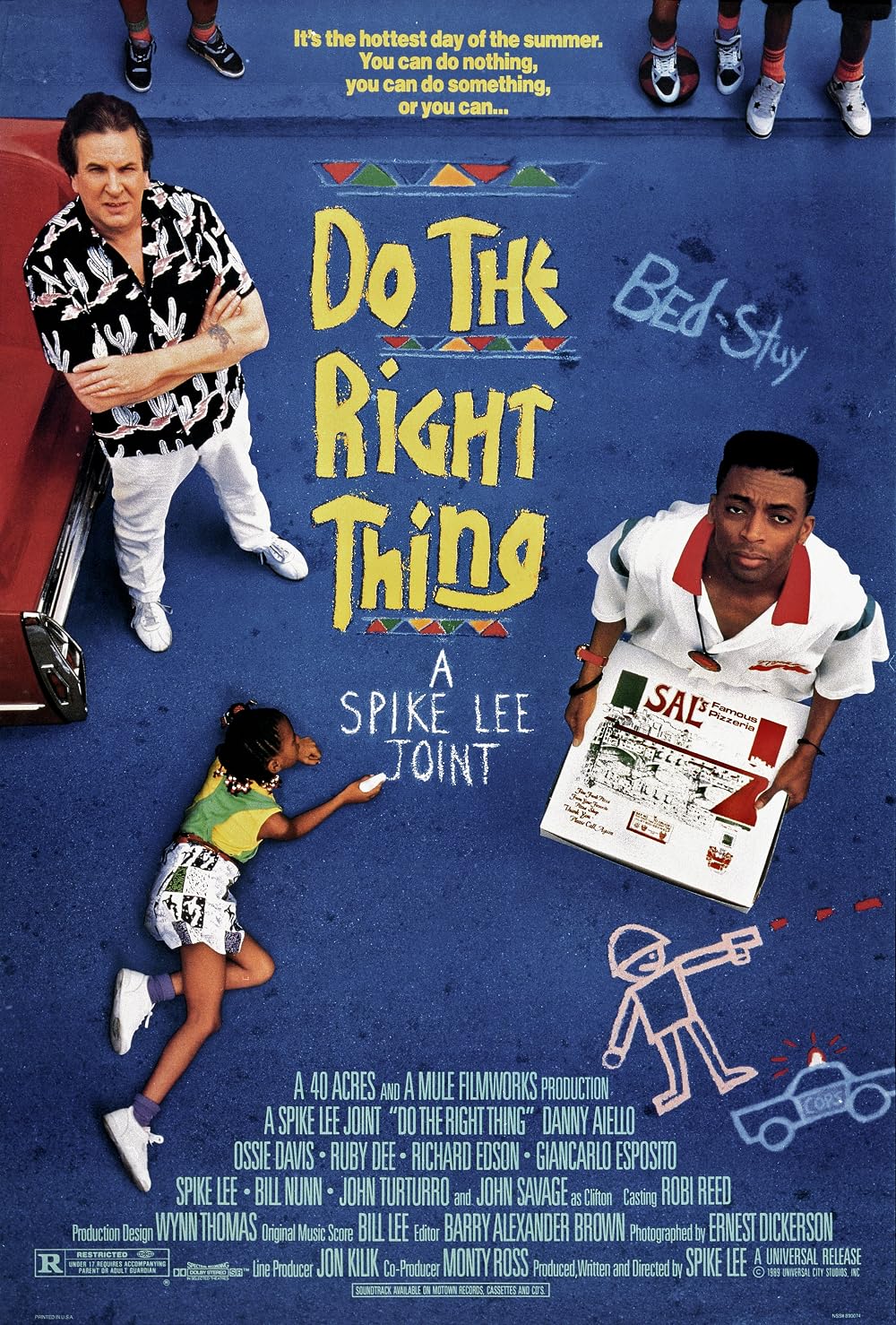
On a scorching day in Brooklyn Mookie delivers pizzas for Sal, who runs an Italian restaurant in a mostly Black neighborhood. Trouble starts when Mookie’s friend Buggin’ Out asks why Sal’s celebrity wall has no Black faces. Sal refuses to change it, Buggin’ Out calls for a boycott, and old neighborhood frustrations start to build into a confrontation.
Do the Right Thing makes the block funny, noisy, and alive before making it dangerous. Hot reds and oranges practically radiate heat, while characters spit racial insults straight into the camera. The controversy lies in that confrontational approach: Lee makes racial anger understandable without separating justified resistance from destructive retaliation. He won’t provide the comforting reconciliation that would let everyone leave feeling innocent. But the film doesn’t feel like a two-hour lecture either, because the jokes, music, and neighborhood characters draw you in and make you care, so the growing tension is a lot harder to ignore.
Showgirls (1995, Paul Verhoeven)
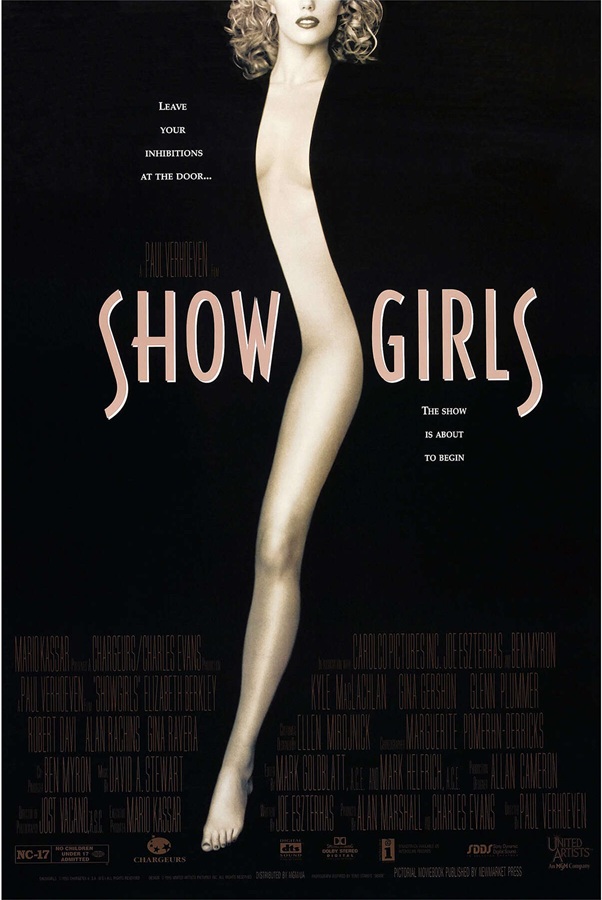
Paul Verhoeven followed Basic Instinct with an NC-17 studio melodrama about a young drifter, Nomi, who hitchhikes into Las Vegas determined to become a star. She starts in a seedy strip club and catches the eye of Cristal, the headliner of a lavish casino revue. Their friendship, rivalry, and mutual suspicion drive the whole story.
The controversy in Showgirls comes from how the director handles the material. He films the sex and dance scenes with bright neon lights, loud performances and choreography that seems more like a stunt than something seductive. The graphic nudity and sexual violence make it hard to ignore the question: is this just exploitation, or is it a straight-faced satire of an industry built on selling women’s bodies? What stands out is the film’s commitment: everything is over the top, from the backstage cruelty and Gina Gershon’s predatory charm to the overblown spectacle of the shows, and the film never lets up.
Kids (1995, Larry Clark)
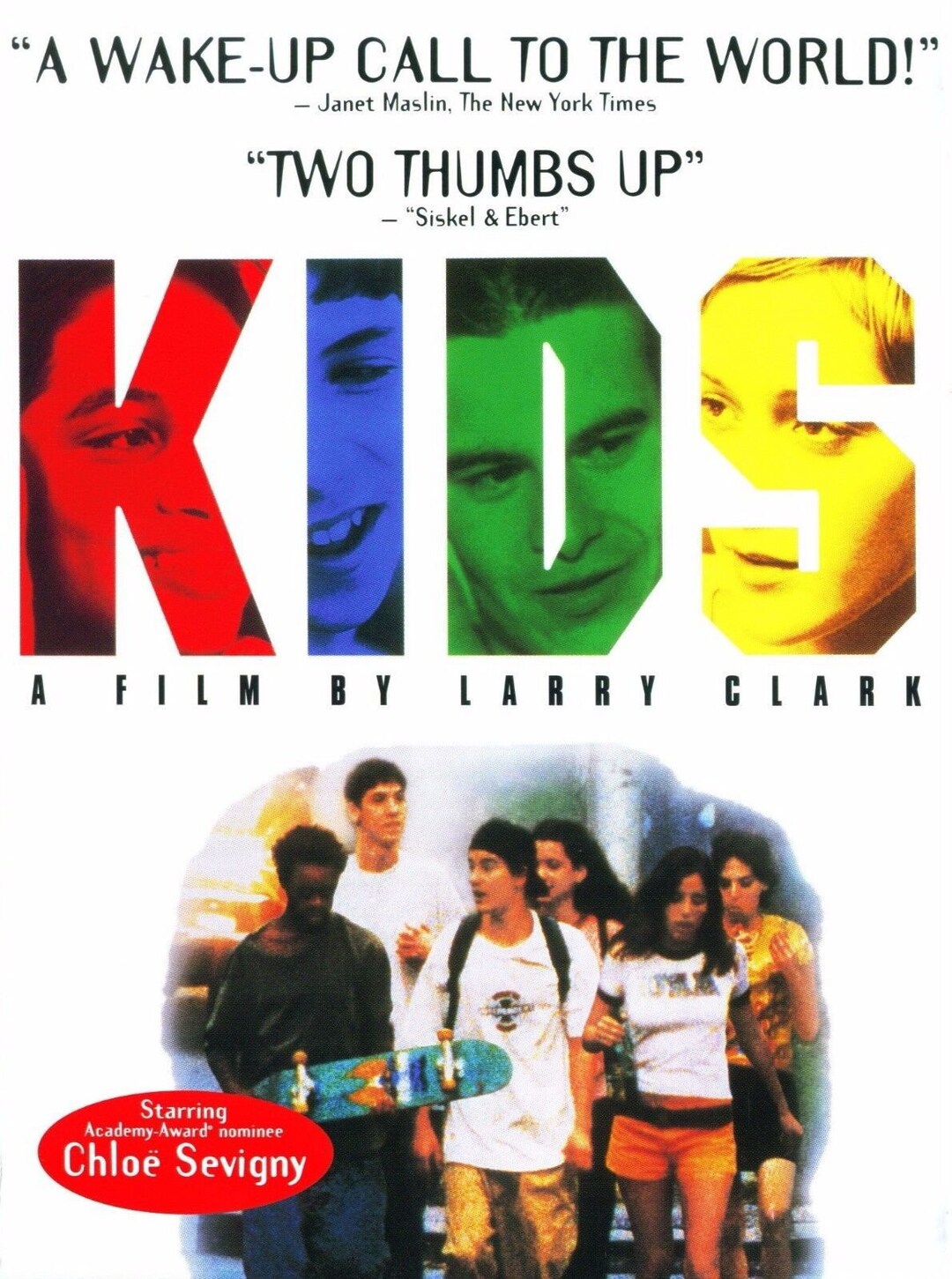
I featured this movie in my piece on the best films about life in the 90s. Kids claims to show the raw truth of New York street youth, and whether you believe that or not it’s hard to look away. The story follows Telly and his skater friends as they spend a summer day roaming Manhattan, getting high and drinking without any adults in sight. Telly is fixated on sleeping with virgins, some of whom are very young, but he doesn’t know he has HIV. Jennie finds out she’s infected and rushes through the city to find him.
The film’s controversy comes from how it depicts things. Shot with handheld cameras, using grainy footage and real street kids instead of actors, it feels like you’re watching real life unfold, with real teens in explicit scenes. Is it meant as a warning, or is it just exploitation? It also captures a moment in time: the skate culture, baggy clothes, and a sense of casual nihilism that most teen movies ignored. While Clueless made teens seem witty, Kids made them seem dangerous.
Happiness (1998, Todd Solondz)
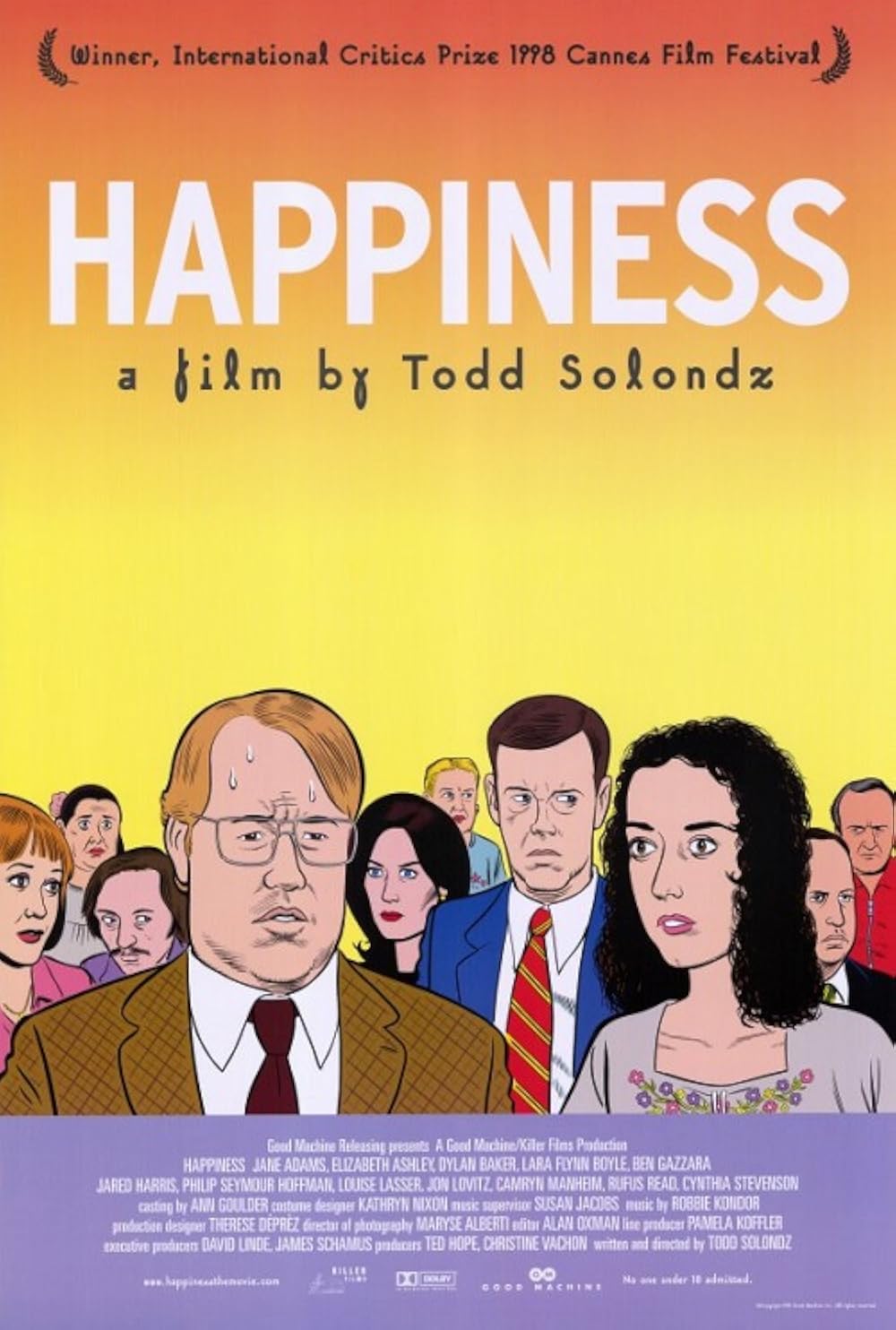
Three sisters living in suburban New Jersey are each looking for something. Joy is a pushover who keeps ending up in bad relationships, while Helen is a glamorous writer who struggles with self-disgust. Trish thinks she has the perfect marriage and family, but she doesn’t know that her psychiatrist husband is attracted to boys. The story also follows their lonely neighbors and an obscene phone caller as well.
Happiness is controversial not only because it addresses child sexual abuse, but also because of its bright, flat, sitcom-like style. There is soft music, calm conversations and a deadpan tone that turns horror into something almost farcical. The film shows the abuser as a real person with emotions, but it never excuses his actions. You might find yourself laughing, recoiling, and wondering whether humor makes the topic easier or harder to handle. The film is kind of excruciatingly funny, and the conversations go wrong in ways you won’t see coming.
Fight Club (1999, David Fincher)
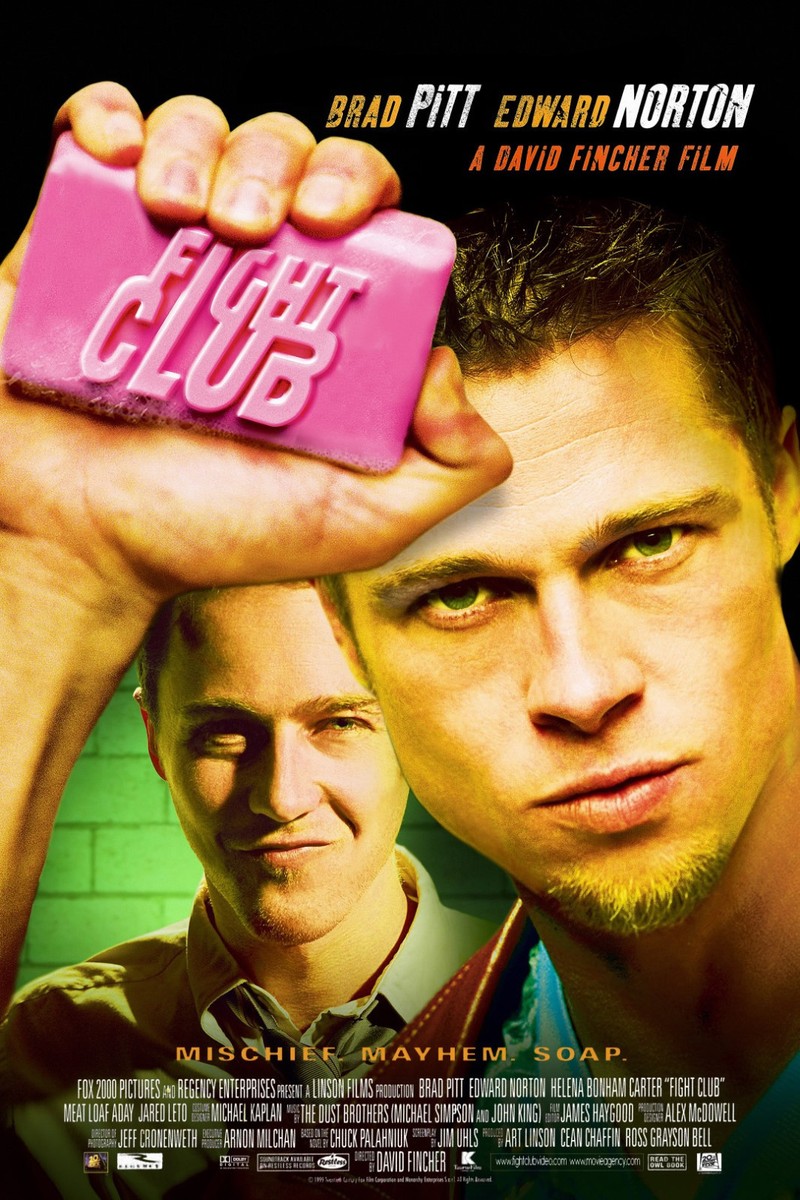
In Fight Club, an office worker who can’t sleep fills his apartment with furniture and goes to support groups for illnesses he definitely does not have. Then he meets Tyler Durden, a soap salesman with a new idea: quit shopping and start fighting. Their underground fights draw in other unhappy men, and soon their basement fight club becomes something much bigger than just bruises and broken teeth.
The controversy lies in how seductive that “cure” looks. The cutting humor and Brad Pitt’s swagger make Tyler’s rejection of consumer culture feel like a kind of liberation, but his answer replaces one kind of conformity with another, built around aggression and obedience. Is the film dismantling that fantasy, or making it irresistible? The appeal is the escalating collision between Norton’s exhausted sarcasm and Pitt’s completely reckless confidence. It’s viciously funny, and the story keeps making their supposed escape from ordinary life stranger and less comfortable.
The Passion of the Christ (2004, Mel Gibson)
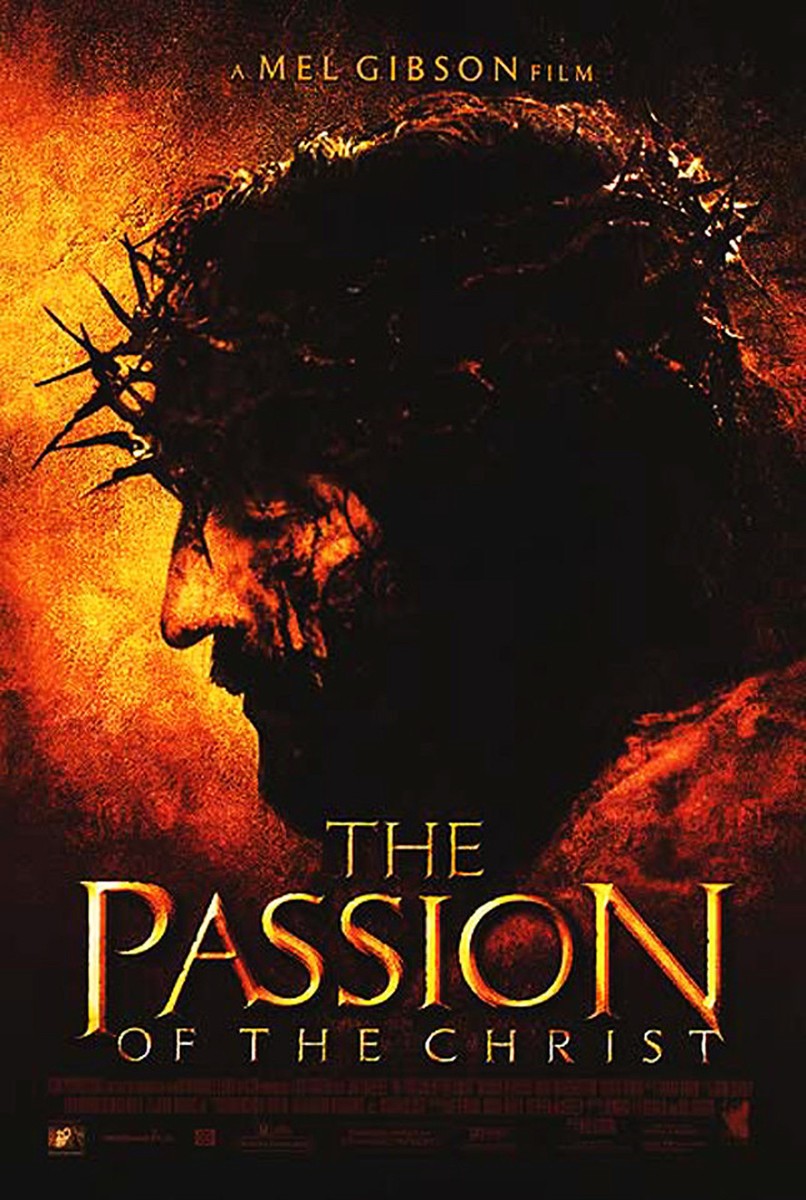
The Passion of the Christ leaves out the usual biography and focuses just on the last 12 hours of Jesus’s life, starting with the betrayal in Gethsemane through the arrest, trial, scourging, and the climb to the cross. The film uses Aramaic, Latin, and Hebrew for its dialogue, which makes the story come across as unfamiliar.
The controversy has two parts and both come from the filmmaking. First, the violence: graphic, prolonged torture with torn flesh, blood, and sound design that makes each blow hard to shake. Second, the blame. Jewish leaders are shown driving Jesus’s death and pressing Pilate for it. Jewish organizations said this revived the old charge that Jews killed Jesus, a claim with a long history of inciting violence against them. Gibson rejected that reading, but whatever your beliefs are this is NOT a passive watch. Its intensity is the whole point.
Zero Dark Thirty (2012, Kathryn Bigelow)
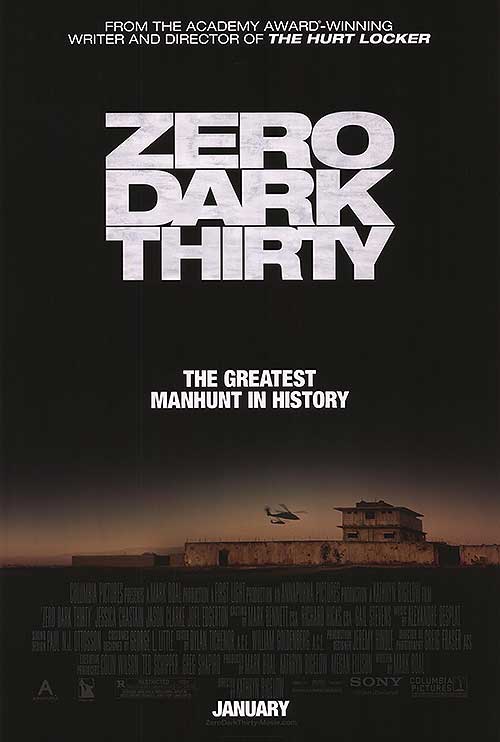
Maya is a CIA analyst who spends years searching for Osama bin Laden, following unreliable leads, facing setbacks, and colleagues dying along the way. She believes that tracking a courier will lead her to bin Laden, but her bosses aren’t convinced there is enough evidence for a raid. The film takes a well-known historical event and turns it into a suspenseful story about gathering evidence and knowing when to trust it.
The controversy with Zero Dark Thirty starts with waterboarding, beatings, and humiliation, and especially how the film tries to connect those interrogations with progress in the hunt. Its handheld camerawork and procedural detail seems to give a disputed account the authority of eyewitness reporting. Torture looks appalling but also useful: does the film expose ethical compromise, or does it make brutality seem necessary? The pull for this movie is watching scattered clues become a case, with Maya pushing against everyone’s doubts. Even knowing where the search ends the waiting, uncertainty, and night-vision raid keeps your blood pounding.
Blonde (2022, Andrew Dominik)
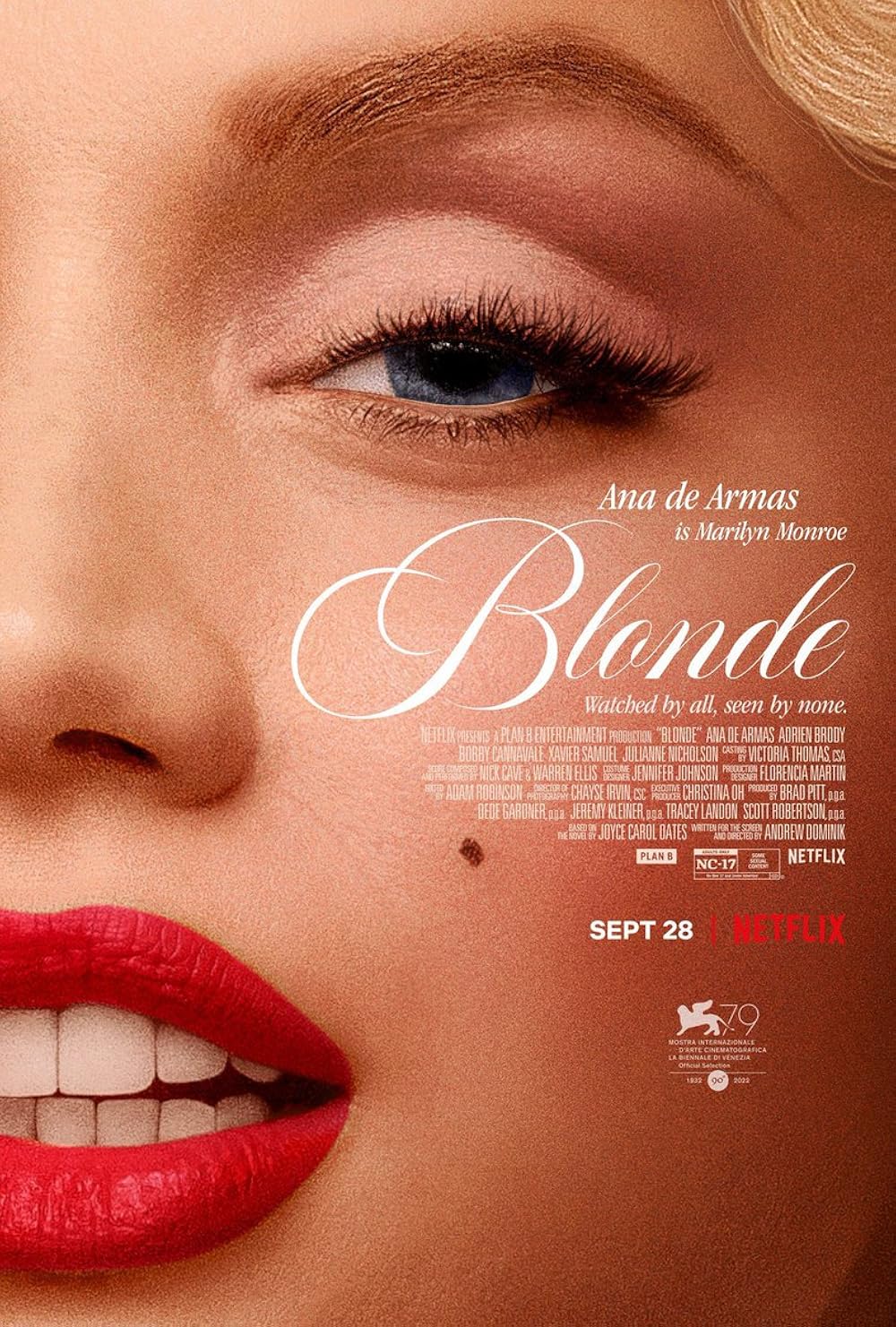
Andrew Dominik turned the novel Blonde into an NC-17 movie that polarized audiences more than almost any recent American film. The story follows Norma Jeane as she creates and is eventually consumed by her public image, Marilyn Monroe. Ana de Armas gives a raw performance, showing Monroe’s search for stability through her marriages and fame, only to be treated as utterly disposable by the studio system.
The controversy goes way beyond breaking the usual sanitizing biopic rules; it’s also Dominik’s punishing artistic treatment. He switches between color and black-and-white, changes aspect ratios, and turns famous glamour shoots into scenes of trauma, bringing viewers uncomfortably close to Monroe’s ordeal. Choices like graphic sexual violence, intrusive camera angles, and a CGI fetus criticizing her over an abortion sparked pretty fierce debate too. Does the film reveal Monroe’s exploitation, or does it repeat it by portraying her only as a victim? The film is visually striking, super audacious, and often hard to watch.
Tár (2022, Todd Field)
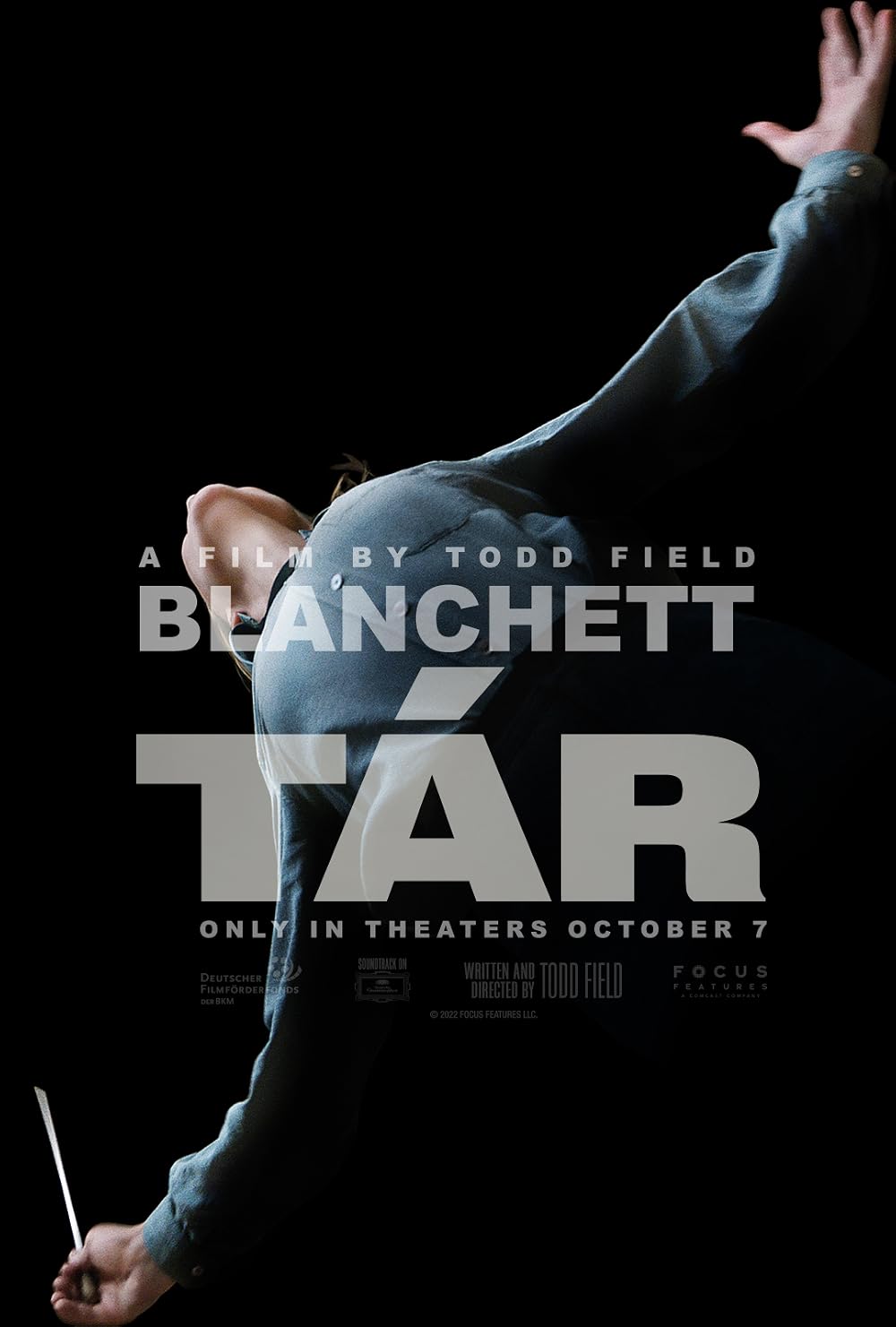
Lydia Tár loves to be in control. As a famous conductor, she is getting ready for a big recording in Berlin while juggling rehearsals, her marriage, and all the ambitions of those around her. But when people start asking about her relationships with younger musicians, her carefully managed life starts to unravel.
The controversy starts with treating a rare, powerful female conductor as the abuser. It grows because Field lets her dominate the conversation: are we watching her charisma conceal her misconduct, or is the film giving its most powerful character too much of the floor? Long scenes focus on her intelligence and authority, while crucial moments happen out of sight. We have to decide what is true, comparing what we see with what Lydia wants us to believe. This close perspective makes us wonder if the film questions our fascination with powerful artists, or if it shares that fascination. You don’t need to know Mahler to feel the tension because it shows up in favors, silences, and quiet conversations where someone takes charge. Watch for these moments because they give you a lot to think about, and Tár doesn’t offer easy answers.
Okay, that’s the end of my list of the most controversial American movies that still hold up today for a modern audience. Like I said in the beginning, these films aren’t for everyone, but they are well-made and they will challenge you. If you are the kind of audience that likes to be challenged, these are deep and rich experiences.