The 20th Century’s Best American Films Worth Watching Today, Part 8 (1994-1999)
Part 1 (1900-1940) Part 7 (1988-1993)
If you’ve gotten to Part 8, hopefully you’ve been able to try some classic movies worth watching that came out before you were born. We continue and conclude the 90s here. Many of these movies are likely to be more familiar to you than those from earlier parts, some of these you are likely to have seen, but this is not meant to be a list of popular films. I’ve tried to include the best movies of the last of the 20th century that are easily able to translate to today, and that don’t feel like you are doing homework to watch them.
I’ve also included the last short film, which should not be hard to find and watch, it’s worth it.
Short Film
Geri’s Game (1997, Jan Pinkava)
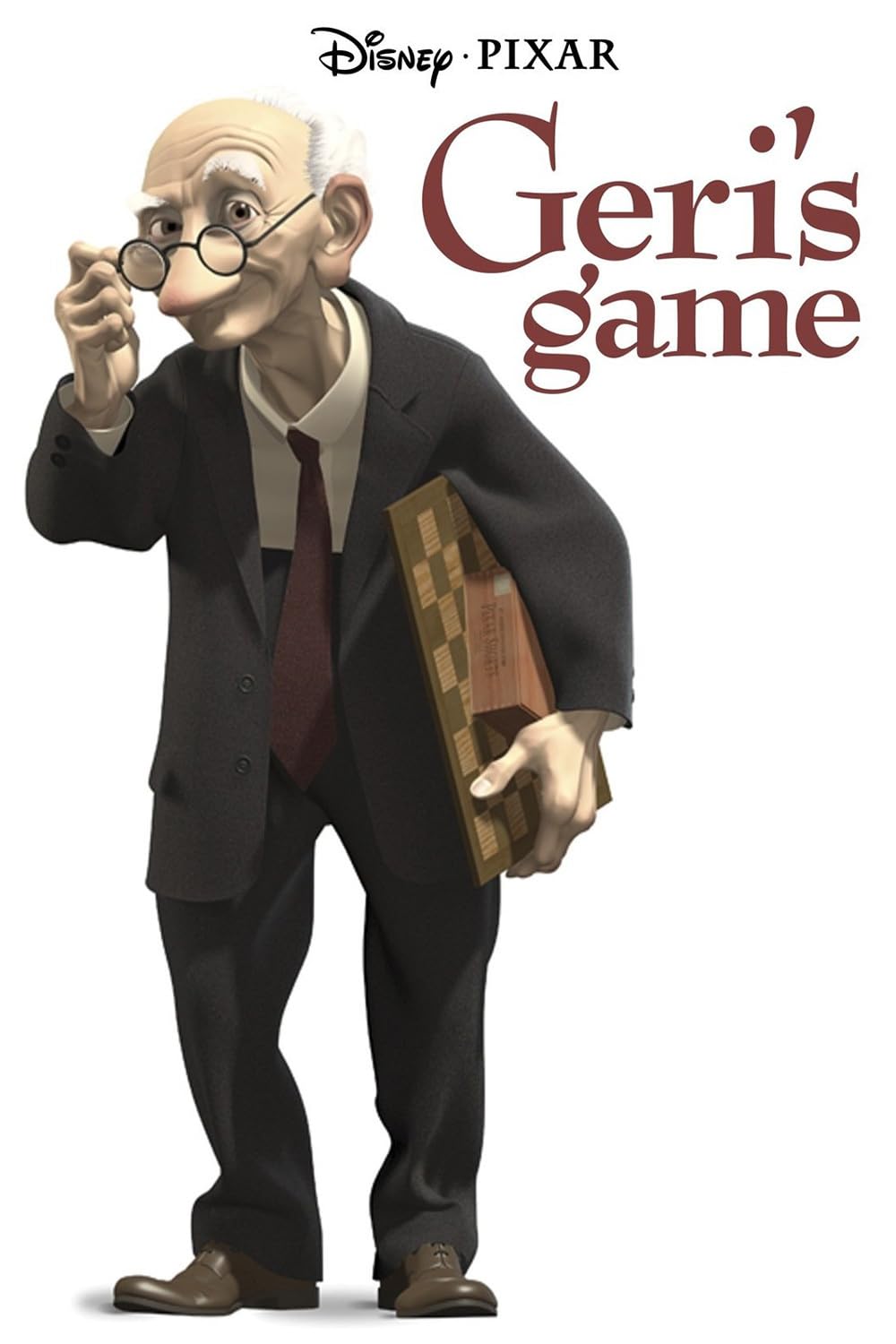
Geri’s Game is about an elderly man alone in a park, calmly switching sides as he plays a chess match against himself. One of the Geris is patient and crafty; the other is loud, smug, and increasingly rattled as the game turns. With almost no dialogue, every look, gesture, and chess move tells you exactly what each version of him is thinking. I chose it because it packs a complete silent comedy into a tiny running time. The animation was a major step forward for computer-generated human characters, from Geri’s soft expressions and creased clothes to the way his two personas move differently, but the technology never gets in the way of the joke. It is clever, warm, and very expressive.
Feature Films
Lion King (1994, Roger Allers and Rob Minkoff)
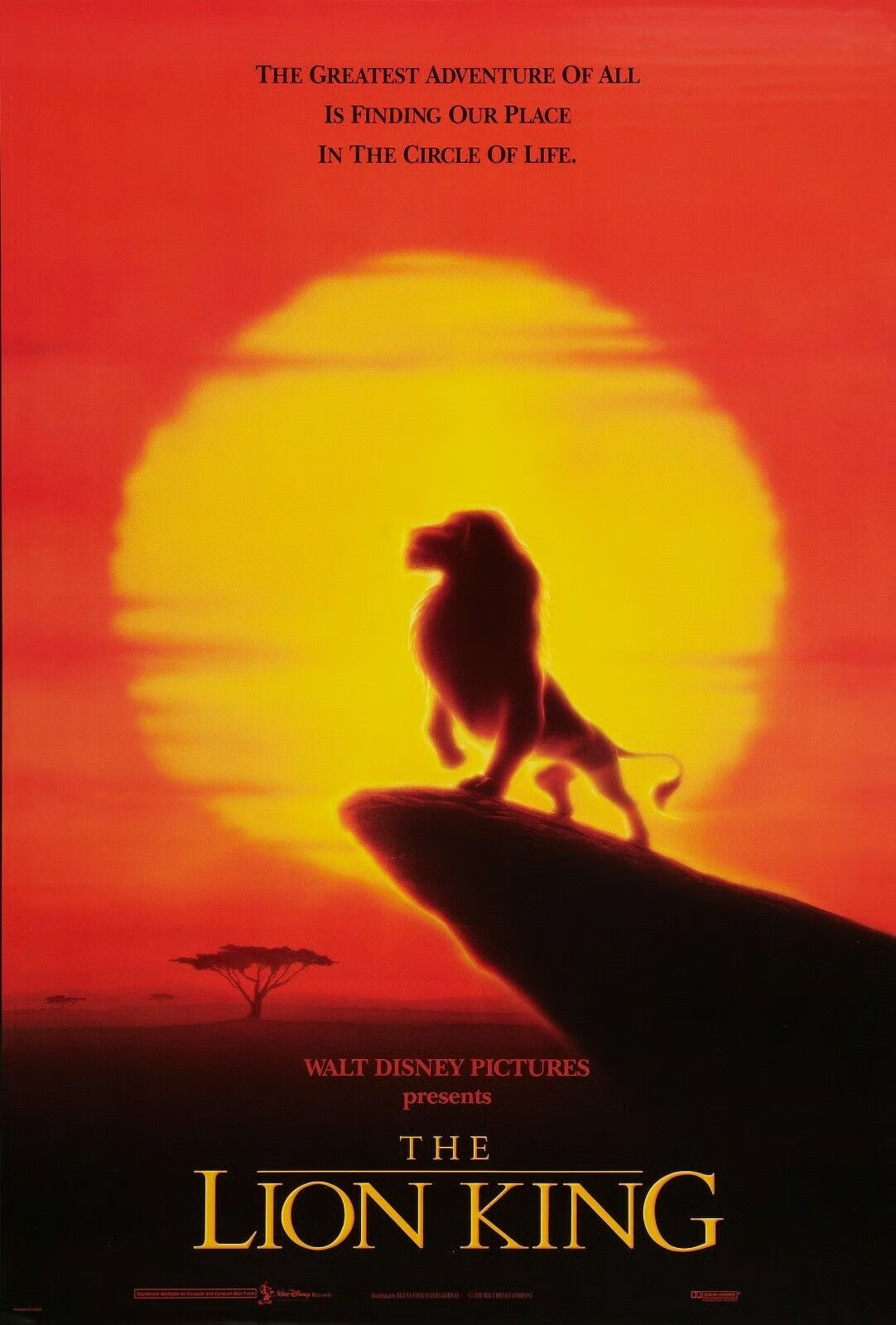
The Lion King tells the story of a lion cub who is raised as the heir to an African savanna kingdom. He learns from his father, Mufasa, about the balance of the natural world. After his jealous uncle causes a deadly stampede and tricks him into thinking he is to blame, the cub runs away and attempts to live a carefree, wandering life. Eventually his past catches up with him and he must return.
It belongs here because it combines larger-than-life drama with hand-drawn animation that feels powerful and grand. Grief, guilt, and duty are not watered down for younger viewers; instead, the story treats these themes with real seriousness and keeps the plot moving forward. Even today, the musical numbers and the struggle between escaping your past and becoming who you need to be are just as powerful as ever.
Pulp Fiction (1994, Quentin Tarantino)
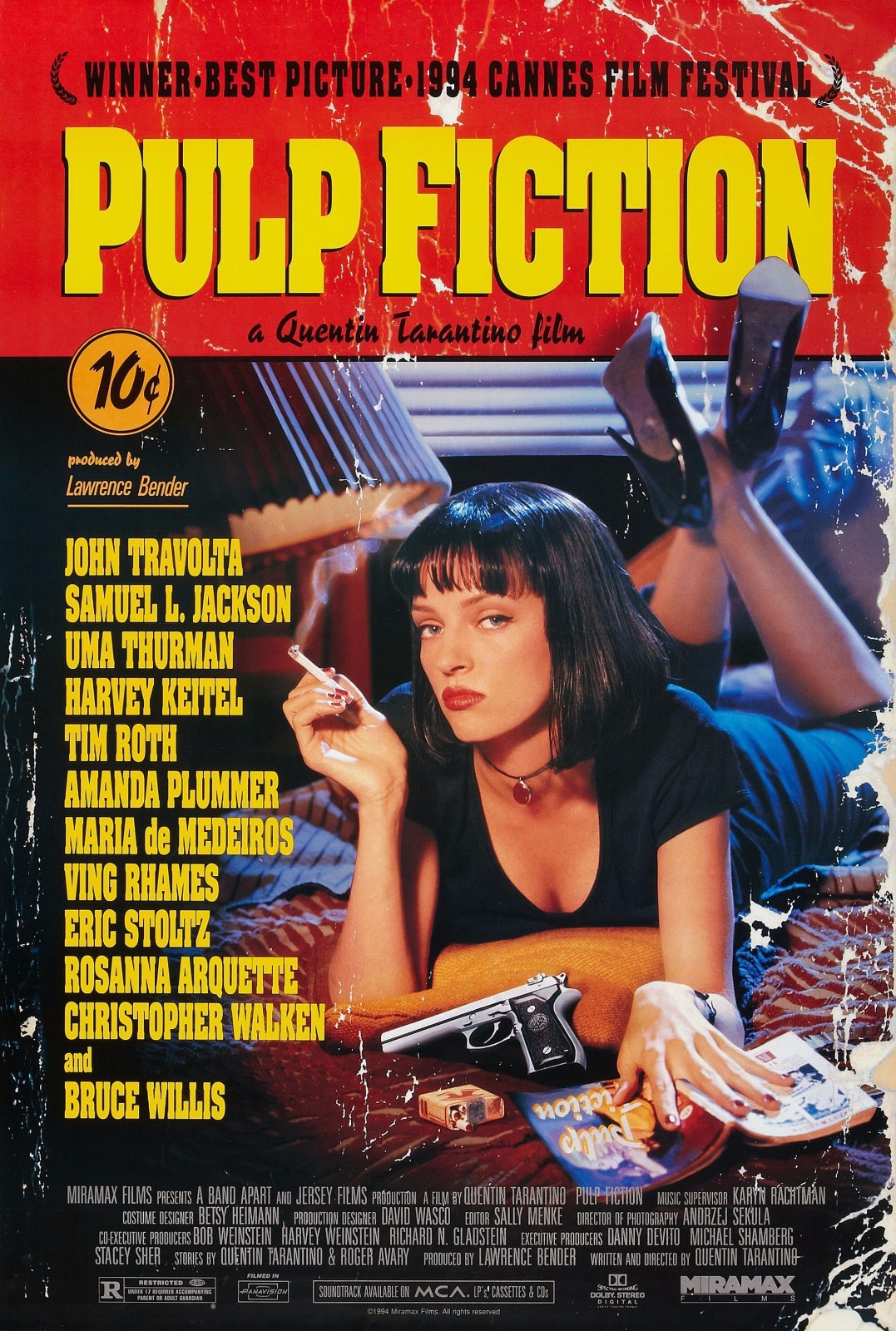
This is the only other movie I’d nominate as best of the decade, along with Schindler’s List. Pulp Fiction follows a group of LA criminals whose lives keep crossing paths. There are two hitmen sent to retrieve a briefcase, a boxer who won’t throw a fight, a mob boss’s wife on an uneasy night out and two small-time robbers who pick the wrong diner to hold up. The film presents these stories out of order, slowly showing a world where casual talk, sudden violence, dumb luck, and moral decisions can change everything.
It belongs here because Tarantino made nonlinear storytelling feel engaging, funny, and accessible instead of distant or academic. The mixed-up timeline is not just a trick; it lets consequences arrive before their causes and turns a crime story into one about chance, responsibility, and the hope of making different choices. The dialogue is still sharp, showing how people use jokes, trivia, and bravado to hide what they really mean. Even today the movie feels loose, dangerous, and sure of itself.
The Shawshank Redemption (1994, Frank Darabont)
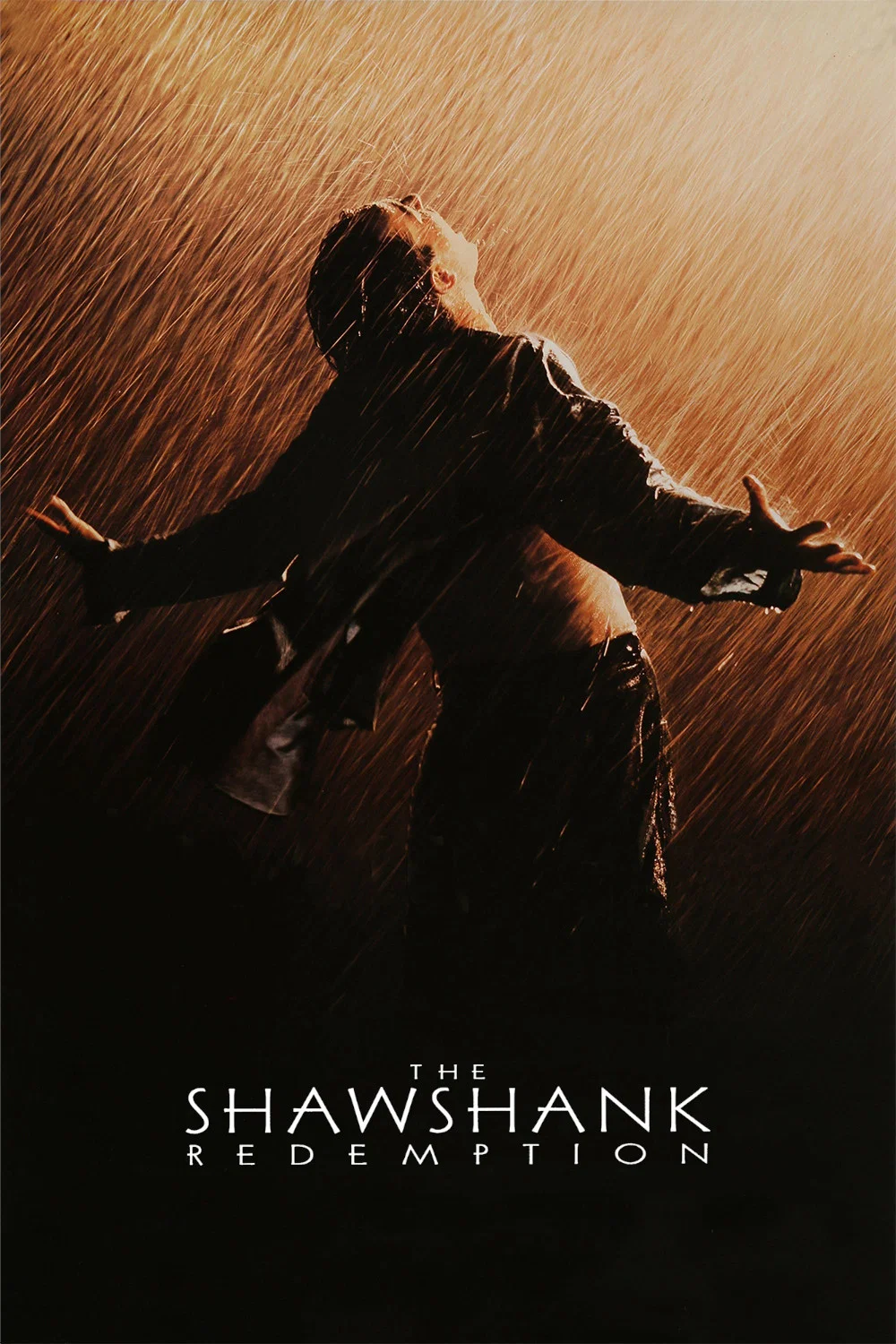
The Shawshank Redemption tells the story of Andy Dufresne, a quiet banker who is convicted of killing his wife and her lover. He is sent to a corrupt prison in Maine, where both the guards and other inmates are dangerous. Over almost twenty years, Andy gains the trust of Red, a longtime prisoner who arranges smuggled goods, and is coerced into using his financial skills to help the warden. All the while, he is working toward a goal that no one else in the prison suspects.
I like this movie because of of how patiently it builds. Small routines, quiet favors and little details build up over years, so when everything comes together it feels natural and deserved. Frank Darabont lets time create the drama instead of using flashy style or shortcuts. What makes the movie memorable to me is Andy and Red’s friendship, which is very rewarding. They show that hope is not foolish, it’s a way to keep your identity, even in a harsh institution.
Toy Story (1995, John Lasseter)
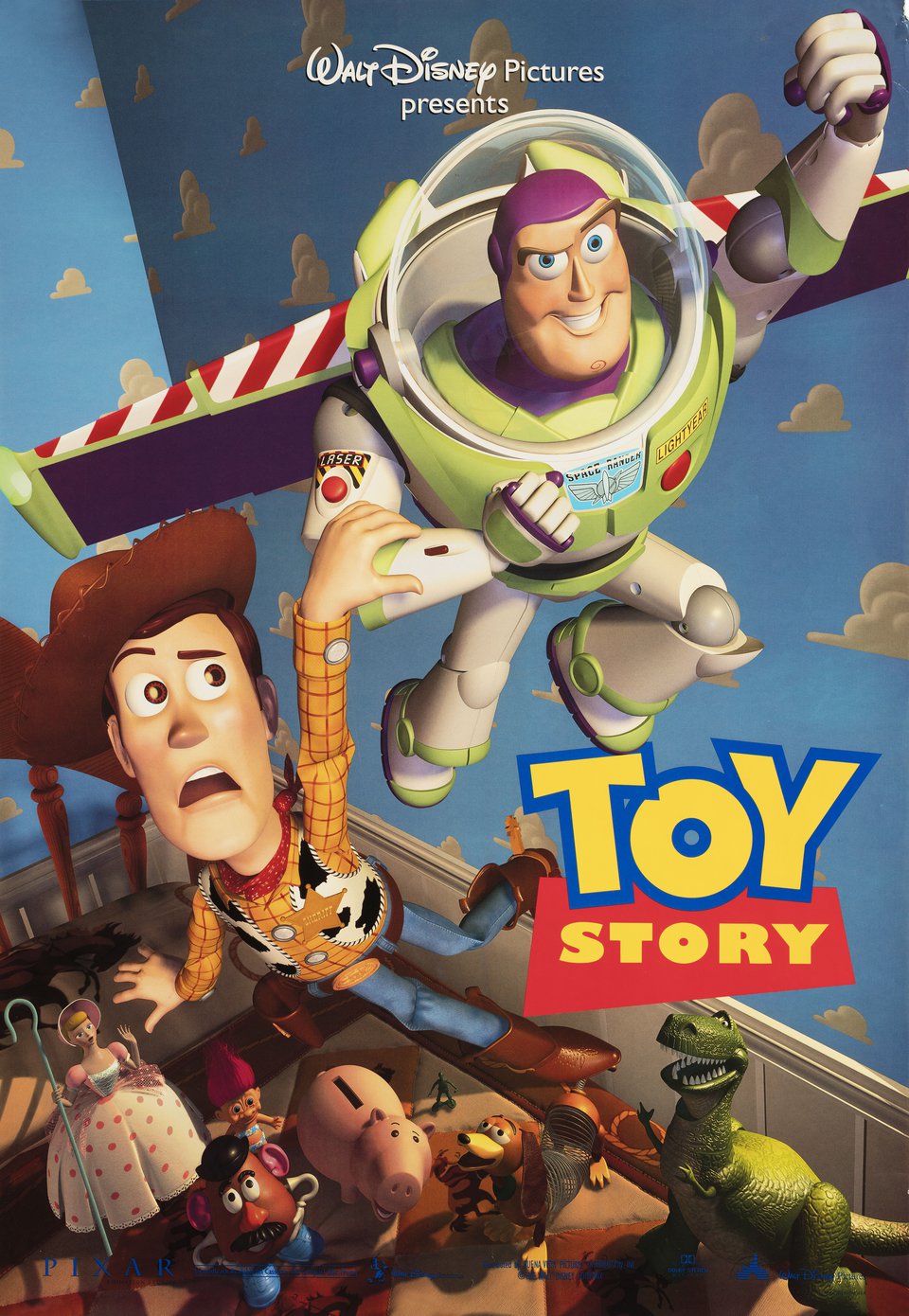
We open in a bedroom where Woody, a pull-string cowboy doll, is Andy’s favorite toy and the natural leader of the room. That changes on Andy’s birthday when Buzz Lightyear, a shiny new Space Ranger who thinks he is on a real mission, arrives. Woody’s jealousy causes an accident that sends Buzz out the window, leaving both toys stranded outside. They have to work together to get home before Andy moves away.
Toy Story deserves its place not just as the first fully computer-animated movie, but because the animation supports a clear and engaging story about its characters. The film explores the fear of being replaced, the desire to feel important, and the shift from rivalry to friendship all while keeping its sense of humor. At just 81 minutes this is a very tight film, as each challenge, joke, and danger helps Woody and Buzz learn more about themselves and each other.
Heat (1995, Michael Mann)
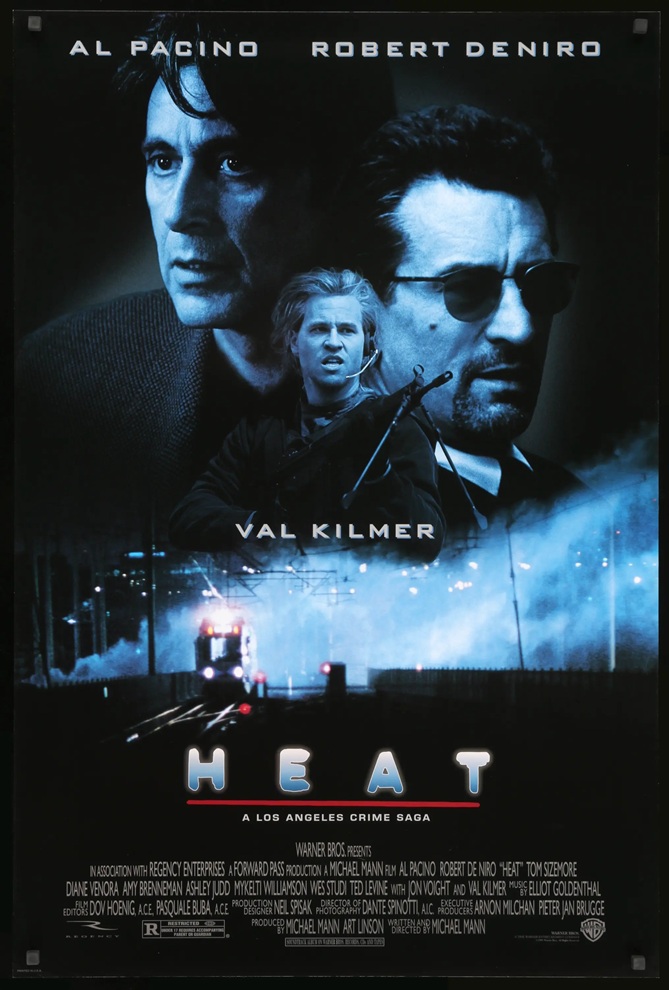
In Heat, Los Angeles is shown as a city of glass towers, empty freeways, fluorescent diners, and people whose lives revolve around their work. Neil McCauley leads his crew through high-level robberies with strict discipline, while Vincent Hanna is the detective who notices the pattern and cannot let it go. Their choices affect their spouses and families, who have to deal with the consequences that neither man knows how to change.
The famous downtown shootout stands out not just for its noise or expert staging, but because the film shows what each gunshot disrupts: new relationships, troubled marriages, and everyday lives trying to move forward. At the heart of the film is a quiet diner conversation where two professionals see their similarities before returning to opposite sides of the same story. The film does not need any allowances for its age, since its precise style and tragic impact still feel powerful today.
Seven (1995, David Fincher)
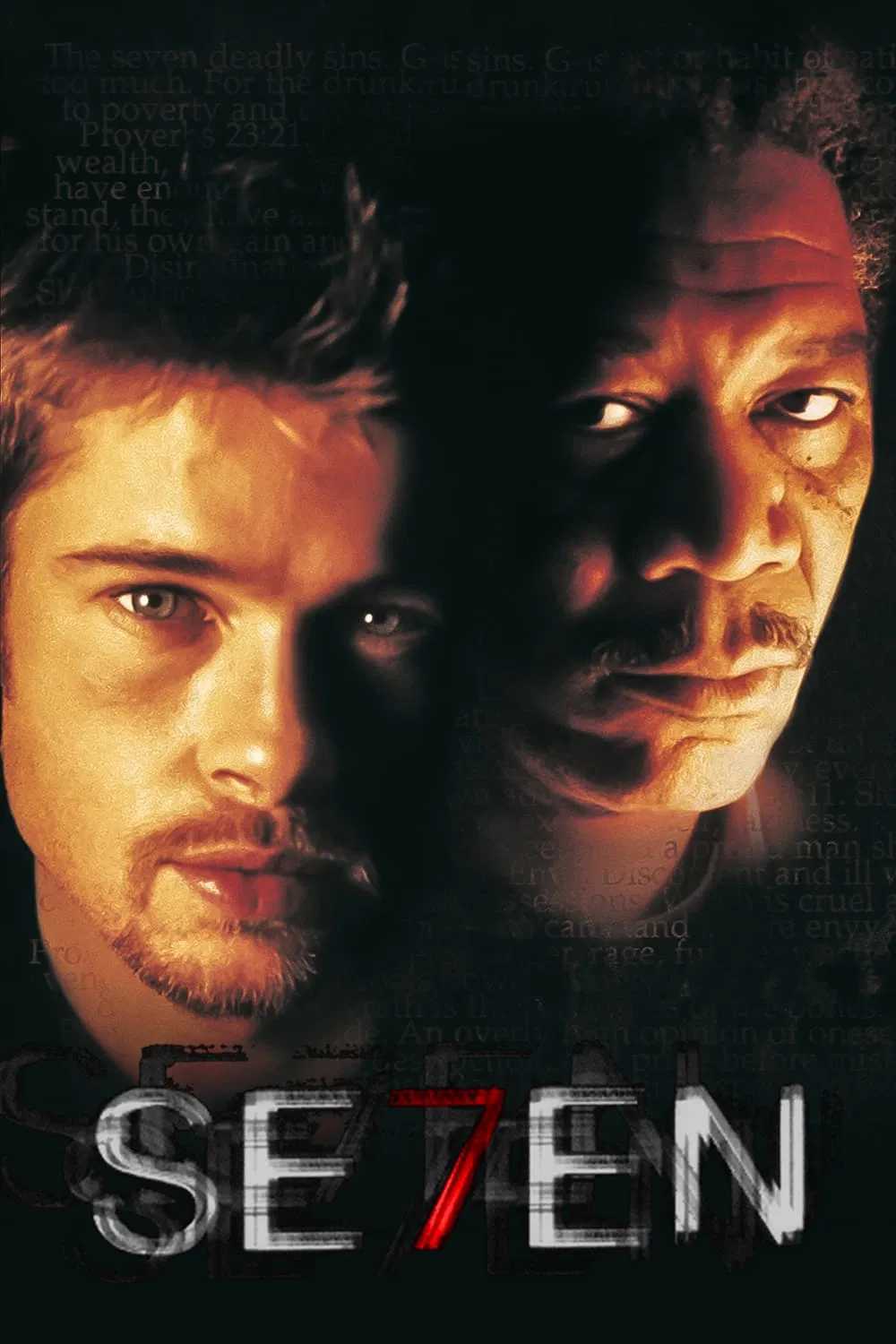
In a city where it never seems to stop raining, a tired detective nearing retirement is teamed up with an eager new partner. Together, they discover a killer who stages murders as sermons on the seven deadly sins, with each victim punished for their own vice. As the case intensifies, the investigation shifts from a simple pursuit to a trap, forcing both men to confront what each truly believes about the world.
Seven earns its place because David Fincher uses the film’s atmosphere to make a point. The endless rain, dim hallways, and rundown apartments make moral exhaustion feel unavoidable, not just a visual style. The real tension is not about solving the case, but about ideas—Somerset’s sense of resignation versus Mills’s belief that trying still matters. The film’s most shocking moment happens in broad daylight, which makes the ending hit even harder than the darkness before it.
Fargo (1996, Joel & Ethan Coen)
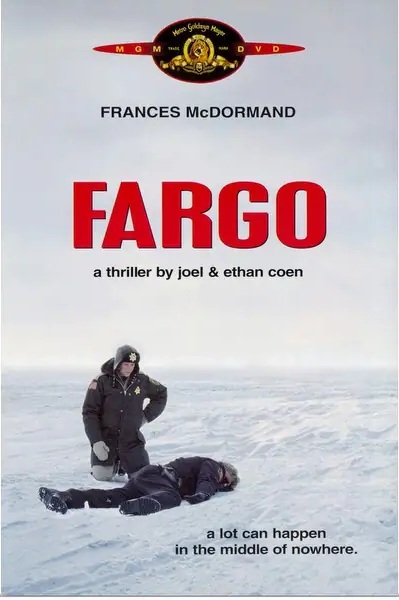
Fargo starts with Jerry, a car salesman from Minnesota who is deep in debt. He hires two small-time criminals to kidnap his own wife and demand ransom money from her rich father. The scheme quickly unravels, leading to violence on an icy highway and drawing in Marge, a pregnant small-town police chief with an unhurried, observant way of seeing through nonsense.
This film stands out because the Coen brothers blend comedy and horror so closely. Shocking violence happens alongside polite conversations, snowy parking lots, and quiet diner meals, yet the movie never makes fun of its setting to get laughs. Marge is the story’s moral anchor. While others chase money, status, or escape, she just does her job with patience and decency. Her steady approach takes the glamour out of crime and makes the film’s dark humor feel even more pointed. You’ll love it.
Scream (1996, Wes Craven)
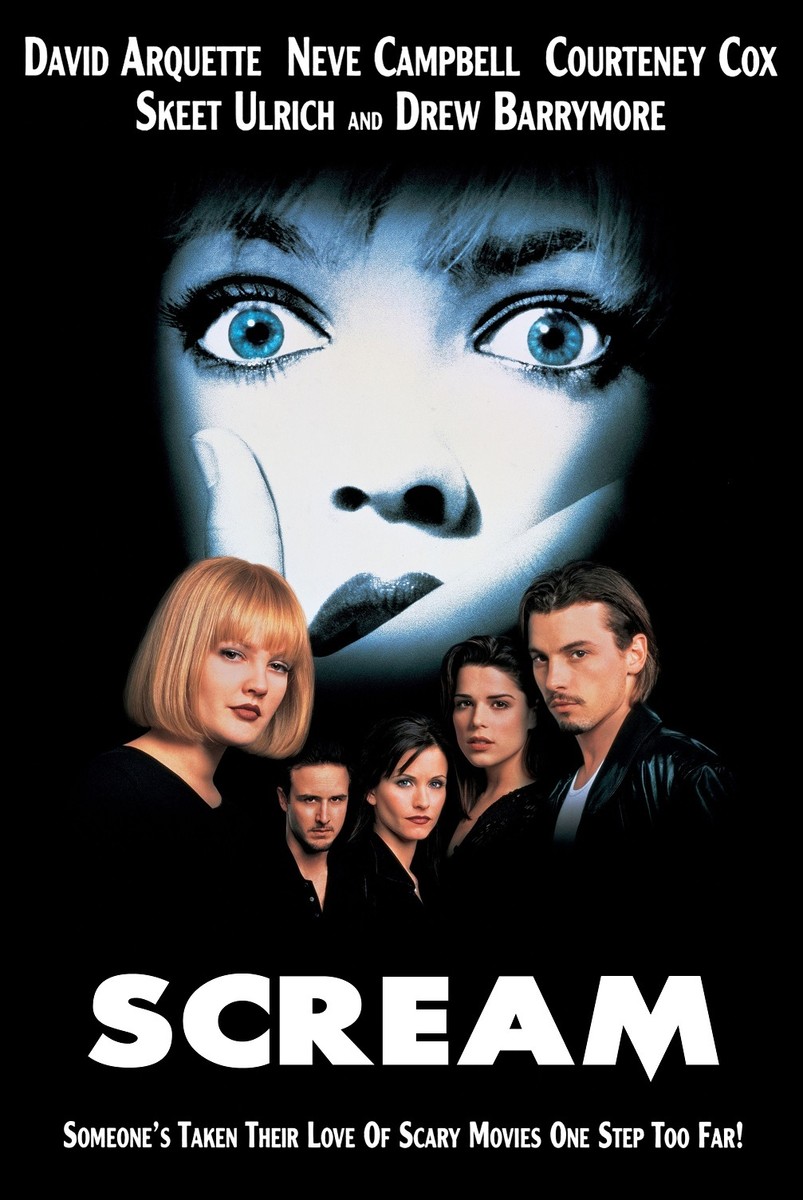
Scream opens with a flirtatious prank call to a teenage girl home alone that turns lethal within minutes, setting an entire town on edge. The killer then turns his attention to Sidney Prescott, still grieving her mother’s murder, and her circle of horror-movie-obsessed friends, using their own genre knowledge as part of a depraved game where knowing the rules offers no real protection.
This movie belongs because Wes Craven and writer Kevin Williamson reinvented the slasher from the inside out. Instead of oblivious victims, the characters actively debate horror-movie clichés and survival rules in real time, only to discover that genre savvy can’t save you when the danger is real. The film never mocks the conventions it’s built on either; it improves them, using humor and self-awareness to heighten dread rather than deflate it. That balance gave the genre a new vocabulary without losing what made it frightening in the first place.
L.A. Confidential (1997, Curtis Hanson)
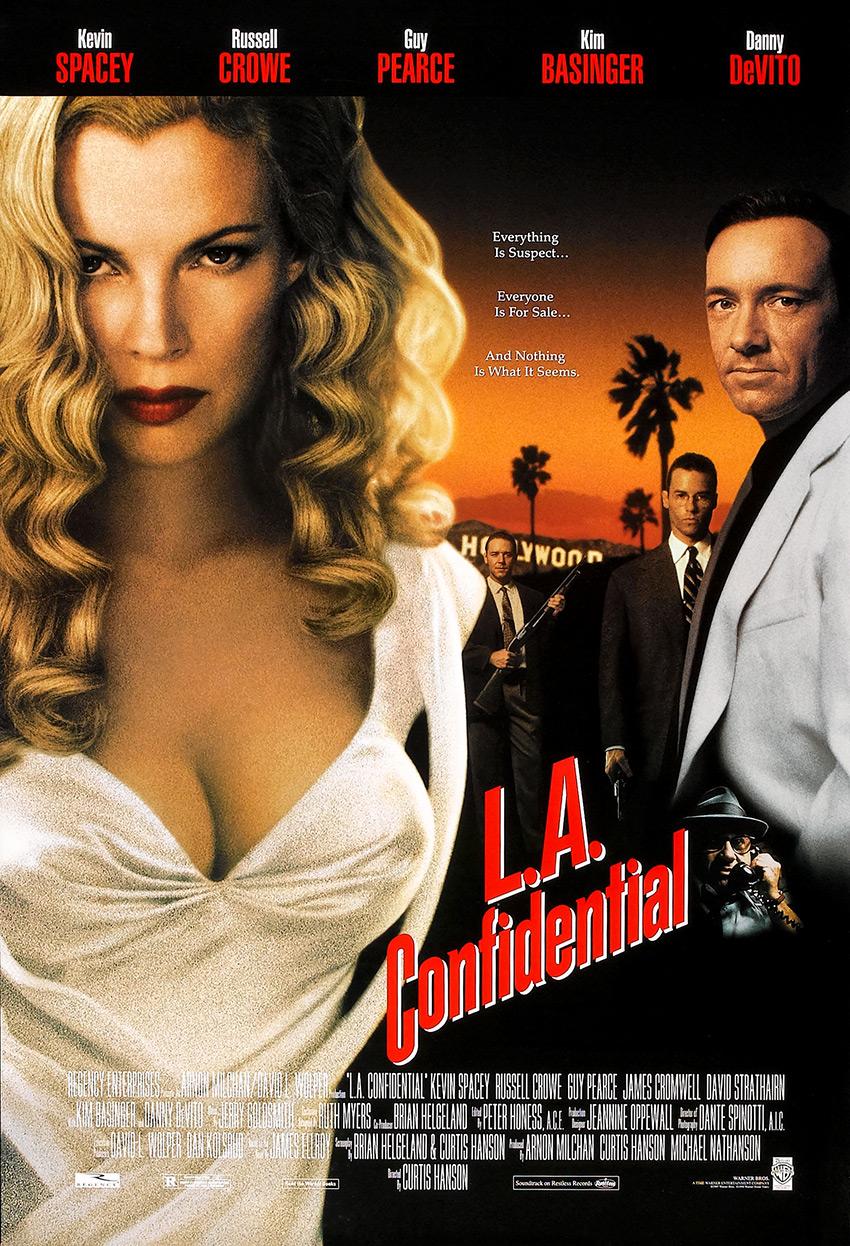
L.A. Confidential opens in 1950s Los Angeles, where a violent shooting at an all-night diner leaves six people dead, including a former police officer. Three detectives take on the case: Ed Exley, who is savagely ambitious and by the book; Bud White, who is a thug and is driven to protect abused women; and Jack Vincennes, a smooth celebrity cop who feeds stories to tabloid TV. What looks like a simple robbery soon leads to a tangled plot involving drugs, organized crime, and institutional cover-ups.
This film stands out because Curtis Hanson transforms classic film noir into a lesson in strong storytelling. When you start the film you’ll dislike each of the detectives. However every clue, interview, and uneasy partnership pushes the story ahead, but the plot manages to never overshadow the characters. Exley, White, and Vincennes each have to confront the ways ambition, violence, and pride have altered their sense of justice. By the end of the film you’ll have some empathy for each cop.
Saving Private Ryan (1998, Steven Spielberg)
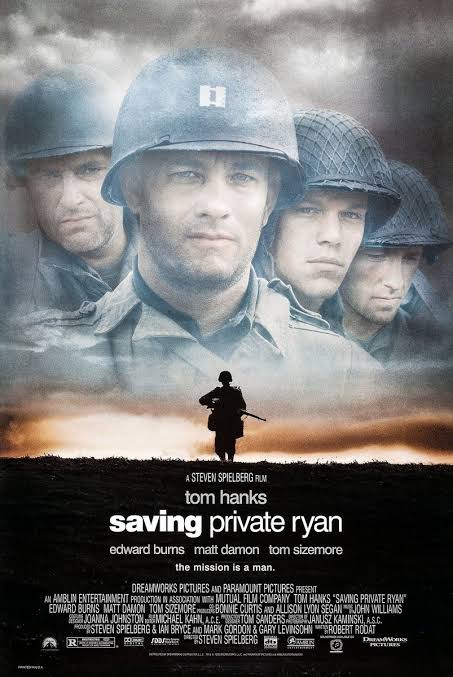
Saving Private Ryan tells the story of an Army captain who is sent with a small squad behind enemy lines in Normandy to find Private James Ryan, a paratrooper whose three brothers have already died in the war. Their goal is to bring him home, but the mission leads them to question if risking eight lives for one stranger makes sense. This debate reaches its peak when they must defend a river bridge against a much larger German force.
It belongs here because Steven Spielberg moved away from romanticized war heroics and showed a more realistic view of combat. The Omaha Beach scene is one of the only times I didn’t feel safe sitting in a movie theater, but the film’s real impact comes later, showing the exhaustion, moral doubt, and fear that follow the soldiers from one fight to the next. The movie does not answer whether saving Ryan is worth the cost; instead, it asks viewers to consider how hard that question really is.
The Truman Show (1998, Peter Weir)
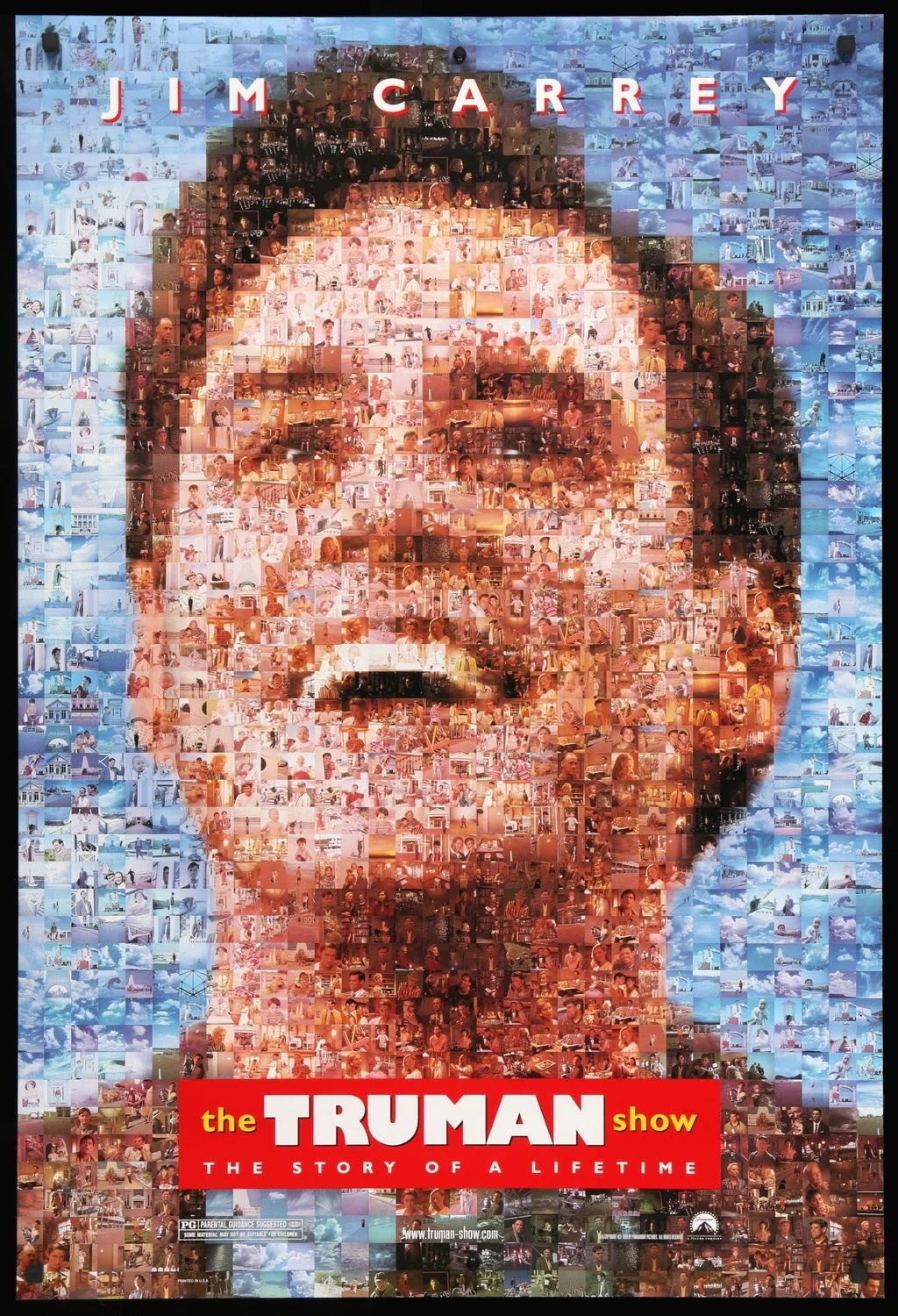
An insurance salesman enjoys a peaceful life in a beautiful seaside town, with a loving wife, a loyal best friend and friendly neighbors. But then, strange things start to happen: a stage light drops from the sky, a radio broadcast seems to follow his every move, and a stranger tells him his life is fake. As he searches for answers, his once-comfortable world turns into a trap meant to stop him from escaping.
The Truman Show earns its place because it turns a high-concept premise into a story what it takes to leave a safe, familiar life when you realize it’s built on lies. Peter Weir builds the town with such bright, reassuring order that its artificiality slowly becomes claustrophobic. It was way ahead of its time. Years before reality television, social media, and constant surveillance became ordinary parts of life, the film understood how easily comfort can become a gilded cage, and why walking into the unknown can be an act of freedom.
The Matrix (1999, The Wachowskis)
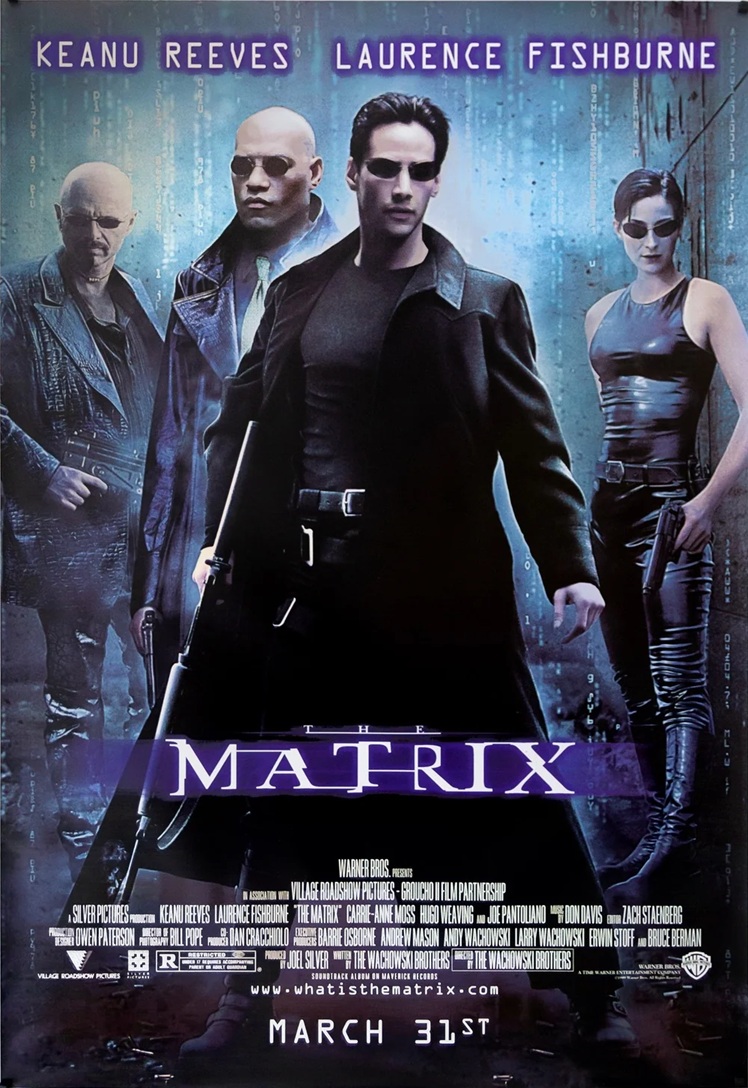
By day, Thomas Anderson is an ordinary programmer; by night he’s the hacker Neo, positive that something is wrong with the world around him. When the infamous Morpheus and Trinity reach out to him, they give him a choice that will change everything he believes about himself. After he accepts, he can never return to the life he once knew.
If I had to sum up The Matrix in one word, it would be mindblowing. It earns its place because it reshaped the visual language of action filmmaking, pioneering wire-fu combat and effects like bullet time in American cinema. Its deeper achievement is how easily it translates dense ideas about free will, fate, and consciousness into breathless, spatial set pieces, because every fight and rooftop chase doubles as a test of Neo’s mind, not just his body. That fusion of philosophy and pure kinetic momentum still feels fantastic today.
Alright, this has been a major project, but I feel satisfied with how it came out. To reiterate from part 1, this is NOT a list of the best movies of the 20th Century. I’ve carefully curated a list of the best 100 American films that are still enjoyable today to a cold viewer in their 20s or 30s, who doesn’t have any investment in older movies. Give one a try. If a reader thinks I’ve missed one or wants to suggest a film that can replace one of the 100 I’ve listed, let me know in the comments below.