What Makes a Good RPG Rulebook?
Introduction
Most RPG criticism out there sounds like people arguing about totally different objects while pointing at the same rulebook. They are talking past each other.
One person loves a game’s atmosphere, someone else complains the index is impossible to use, a third flat-out gave up because the pacing fell apart two hours into their first session. Visit any forum or local game store and you’ll find this same conversation happening about every game, forever.
Nobody’s actually wrong, they’re just judging completely different things and calling all of it “the rulebook.” The real issue is that we treat core rulebooks like novels, as if their main job is to be read and judged on writing and presentation. But a rulebook isn’t something you consume, it’s something you operate.
A book can be fun to read on a Sunday afternoon and still fall apart the moment it hits an actual table with real people who forget rules, argue about details, and lose the thread at the worst times. Beautiful writing doesn’t help when the GM is flipping through three chapters to resolve one action while the players get bored. That gap — between readability and usability — is where most of the real friction in RPG design is.
In this post I’ll share a way to look at rulebooks as what they really are: tools for playing the game. Every core rulebook is negotiating five structural tensions simultaneously. The best books aren’t the ones that succeed at everything equally, they’re the ones that know exactly which layers they’re protecting and which ones they’re willing to sacrifice.
The Two Masters of Rulebook Design
A core rulebook has to handle two jobs at the same time, and those jobs often clash.
The first job is teaching. The book needs to draw you into its world and walk you through a complex system from the start. It should build your understanding step by step, introduce ideas before you need them, and make the game feel worth learning before it feels like work.
The second job is being a reference. Once the game starts, the book needs to be a quick and reliable tool. No one is reading it from start to finish anymore, the GM is flipping through it during play, often under pressure, looking for answers while keeping the game going. It becomes a lookup tool.
So what makes a good RPG rulebook? Whether you’re deciding what to run next or designing something yourself, these five layers tell you what a rulebook is actually doing, and what it’s giving up.
Layer 1, Orientation: What Kind of Game Is This?
The first job of any rulebook is to answer a deceptively simple question: what are we actually doing here?
It’s not about the setting pitch, the genre summary, or a list of character options. Orientation is the part of the book that shows you how to think about the game: the main decisions you’ll make, the pressures that shape your actions, and what the system actually rewards. If a reader understands this they don’t need to know every rule, they just need a clear idea of what a session feels like.
When orientation doesn’t work, you end up with a lore dump. You’ve got pages of fictional history, world factions, and design ideas before you see a single mechanic. You might finish the introduction knowing all about the setting’s dynasties and conflicts, but still have no clue what you are supposed to do on game night.
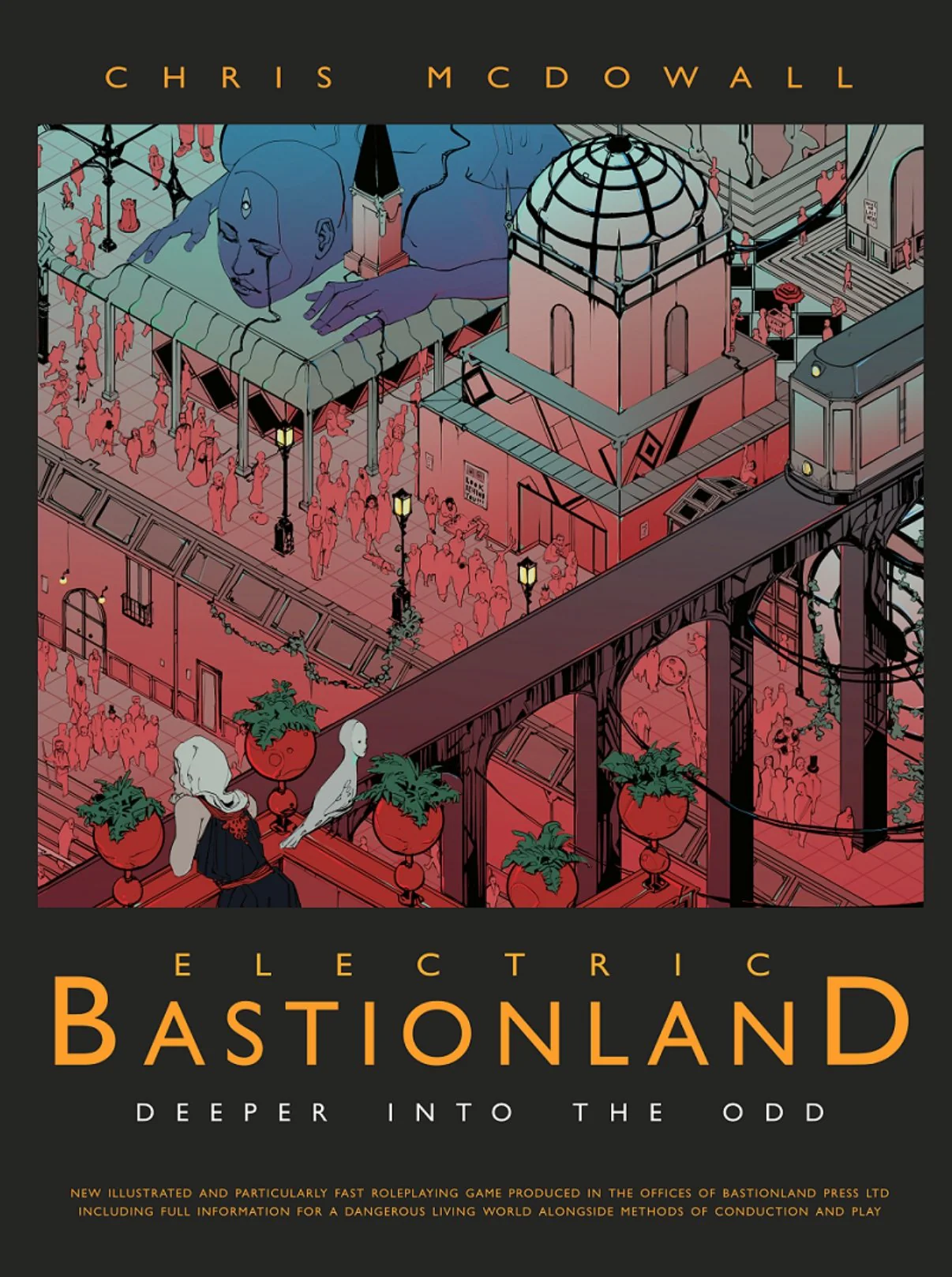
Electric Bastionland does a great job at orientation. When you create a character, you get one of a hundred Failed Careers: identities like Disinherited Socialite or Professional Verminator, and each one tells you something about the world just by being there. The setting comes out through play, not long explanations. Then the game tells you that everyone starts with a big shared debt, and in just two sentences you know what motivates the characters, what rewards matter, and why these people take big risks.
The mechanics do the rest. There are no attack rolls, damage happens automatically and only armor can reduce it. The game never spells out how this should affect your play style, but it doesn’t have to. The mechanic makes it clear. That’s what strong orientation does: the reader isn’t just informed about the game, they’re on the same page with it. I also discuss this book in my post The Most Underappreciated TTRPGs.
Layer 2, Execution: What Do We Do When This Scene Ends?
Most rulebooks do a good job with the details: roll the dice, add your bonuses, check the outcome. But not many books explain the bigger picture: how a session flows from one scene to the next, or what the GM should do when one part ends and the next hasn’t begun.
Execution is what keeps the game running smoothly. It’s not just about how to swing a sword, but also about what happens after the fight too. How does the game move between combat, exploration, rest, travel, and what rules guide those changes? When execution falls short the GM has to improvise, whether they want to or not, because each time a scene ends they have to figure out what happens next without much help. The rules stop guiding the game just when the group needs them most.
Torchbearer fixes this by running like a well-oiled machine. I also discuss this book in my post on Survival RPGs. The game splits play into four connected phases: Adventure, Camp, Town, and Journey. Each phase has its own rules and goals. In the dungeon, time is managed with a system called the Grind: every action uses up a Turn, and after every four Turns the characters get a new problem like being Hungry, Exhausted, or Sick. You can’t stay in one place forever, because time works against you.
To recover the group has to move into the Camp phase; but you can only take recovery actions if you spend Checks, which you earn by choosing to play out your character’s flaws during the game. When you run out of resources in camp, the Town phase takes away some of your loot through upkeep costs, which pushes you back into the dungeon because you need more money.
Because of this it’s the game itself, not the GM, that controls when play moves from one phase to the next.
Layer 3, Navigation: Finding the Rule Before Momentum Dies
Rule arguments follow a pattern: one person describes an action, another is unsure how it works and the GM grabs the rulebook. The game pauses, and how long it stays paused depends on how easy it is to find the answer in the book.
Navigation means using the rulebook as a tool when the pressure is on. The layout, information structure, and consistent terminology all matter. A well-designed book lets the GM rely on its vocabulary, using one term for each mechanic and never switching to a casual synonym. For example if a rule says “your next turn,” it should always mean the same thing.
A fragmented ruleset is where things go wrong. To resolve a single action, like surprising an enemy in a dimly lit hallway, you might need to check a paragraph in Chapter 2, a lighting modifier in Chapter 5, and a condition explanation in Appendix A. If the layout focuses more on storytelling than on quick scanning it gets even harder, hiding important mechanics inside long blocks of flavor text that the GM has to dig through during the game.
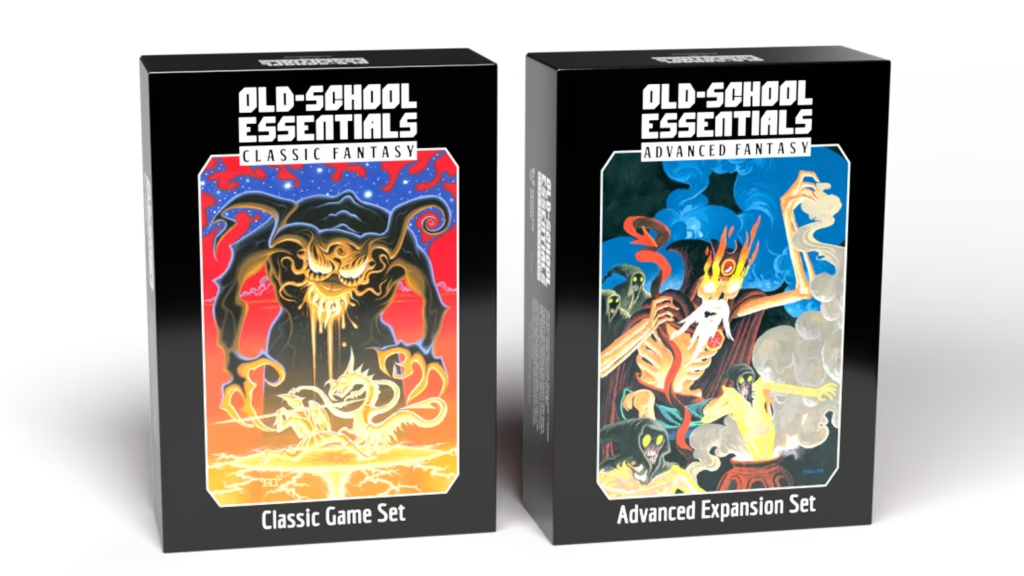
Old-School Essentials was built specifically to fix this. It does not add new rules, what it does is take the old 1970s-80s D&D system and rebuilds it with the clear formatting style of modern software documentation. The main idea is the control panel spread, so that each rules topic fits on a single two-page layout. When you look up maritime travel, hiring retainers, or a character class, everything is right there. Because of this you never need to turn a page to finish reading about a rule.
The typography has to support this approach. Bold text, headers, and tables are always used in the same way in OSE, so your eyes know where to look before you even start thinking about it. It doesn’t need to invent new rules to work as a rulebook, because it perfected how rules are delivered.
Layer 4, Resilience: What Happens When the Rules Break Down?
Here’s something many rulebooks won’t admit: real tables are messy. Players forget rules. GMs can get mechanics wrong. Two people can read the same paragraph and come away with different interpretations. Someone tries something the book never expected, or unusual situations come up that nobody planned for. Resilience is how a system handles these moments, by giving steps for what to do when they happen.
Problems happen when a rulebook is made only for perfect situations. If something goes wrong, the GM has to make up a solution without any guidance. Sometimes this works out, buy every unclear rule can slow down the game or cause arguments. The game keeps going not because the system is solid, but because the players are making up for its weak spots.
Burning Wheel Gold takes this issue seriously, and it includes three clear ways to handle disagreements right in the rules. I discuss this book on my posts on Well-Rounded RPGs and Beyond D&D Part 2. Task and Intent asks both the player and GM to say what they want to happen and what failure would mean before any dice are rolled. Since the stakes are set before rolling, there are no changes after the fact and no surprises.
Let It Ride means you can’t roll again for the same outcome unless something important changes, so for example the GM can’t keep asking for stealth checks until someone fails. You roll once, get the result, and move on. Say Yes or Roll Dice is simple: if failing wouldn’t really matter then you don’t roll, just say yes and keep the game moving. Most RPGs have sections about how to be a good GM, but Burning Wheel builds good GMing right into the rules.
Layer 5, Evocation: Does the System Make You Feel the Genre?
Here’s the acid test for any game’s design: If you took away all the artwork, cut out every bit of fiction, and stripped away the GM’s narration, would the mechanics alone still make you feel the genre?
Most RPGs describe their themes directly, but the rules also need to back it up. A game might call its setting grim and deadly, but still give players lots of ways to survive. Another might say it’s about investigation, but actually rewards fighting. The story says one thing but the rules do something else.
This is what happens when a game only changes its theme on the surface. Gold become credits, orcs become aliens; the names change, but the way you play stays the same. A game really evokes its theme when the mechanics themselves create the right emotional pressure, not just the descriptions. Scarcity feels real when resources are actually limited. Horror causes dread when the system makes players feel unsure and exposed. Speaking of dread…
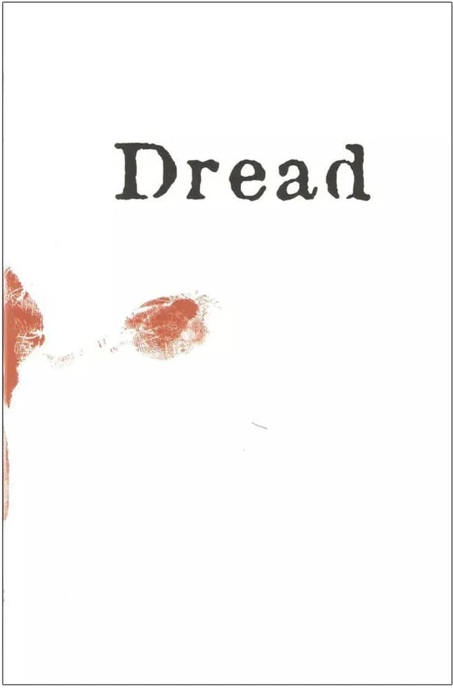
No game demonstrates this more clearly than Dread. I discuss Dread on my post on Horror RPGs. In Dread, you use a Jenga tower instead of dice. When your character tries something risky you pull out a block, and if the tower stays up you succeed–if it falls your character is out. You can refuse to pull, accepting failure to stay alive, or you can deliberately knock the tower over for a guaranteed success at the cost of everything.
As the game goes on the tower becomes more unstable. Players start to hesitate before making a move, conversations slow down, people begin to think carefully about risks they would have ignored an hour ago. The tower doesn’t just stand for dread, it actually creates it because the tower only gets more unstable. The mechanic and the feeling are one and the same.
Tradeoffs Are the Design
Before you start using this framework to judge every rulebook, remember that it’s meant to help you analyze, not to keep score.
No rulebook can be strong in all five areas at once. Space is limited, attention is limited, and choices about layout, structure, and explanation always come at a cost. So the issue isn’t whether a book gives something up, because every book does. The real question is whether those tradeoffs were made on purpose, and whether what the book gains is worth what it sacrifices. That’s also why so many arguments about rulebooks go nowhere: people are often judging different layers and calling it the same problem.
The exemplars in this piece all prove that point. Old-School Essentials is a triumph of Navigation, but it achieves it through a layout optimized for reference, not orientation: it assumes you already know what an RPG is. Torchbearer’s execution is airtight, but the Grind’s mechanical weight creates friction for new players and can slow play. Burning Wheel’s resilience structures are very robust, but they add overhead that can intimidating (which is I wrote an onboarding guide). Dread’s evocation is outstanding but it has almost no navigation, because it doesn’t need it.
The best rulebooks aren’t the most balanced, they’re the ones that know what they’re protecting. The bad ones don’t.
The Test Case: D&D 3.5e Player’s Handbook
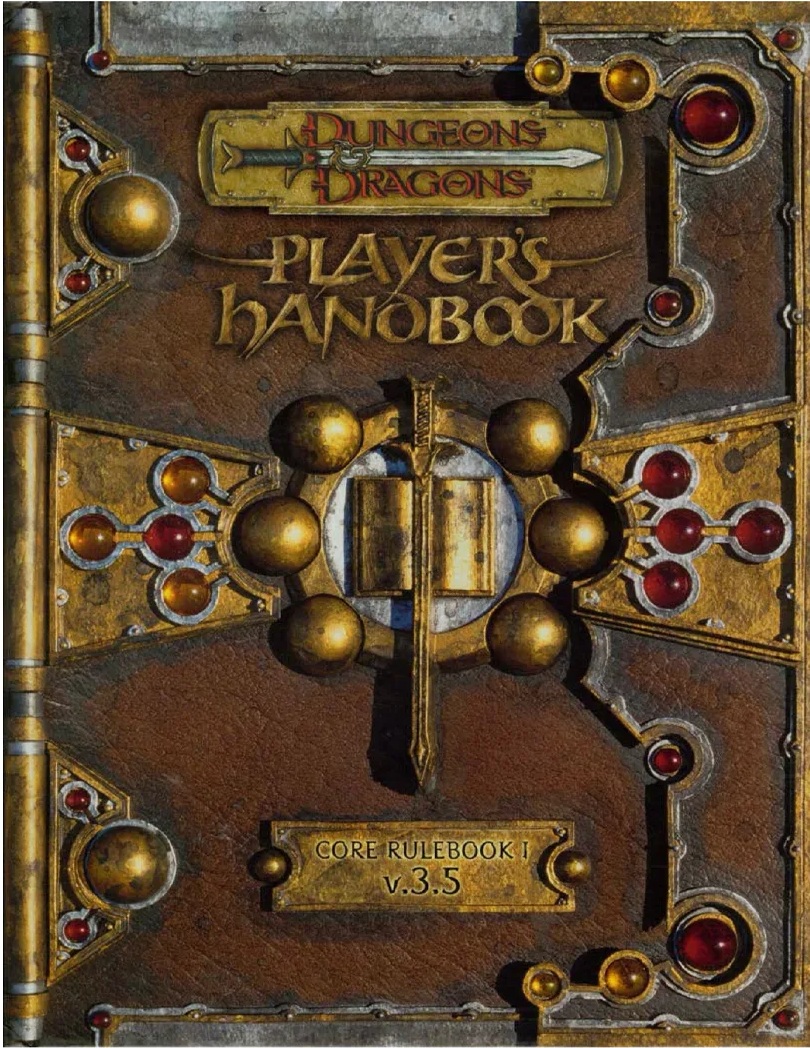
The 3.5e Player’s Handbook made a clear choice about execution: micro over macro. It nails action resolution, combat rules and character building, but leaves things like scene transitions and the overall game flow for the Dungeon Master’s Guide. This division isn’t just in 3.5e—it’s a D&D tradition that goes back to the original split between the PHB and the DMG, but just pointing it out doesn’t fix the problem. Even when it’s clear, the book that players use most during a session is still missing a big part of how the game actually works.
Navigation dies immediately. Resolving a grapple requires three chapter visits minimum. Lighting conditions, encumbrance, and conditions are scattered without any clear organization. The index expects you to already know the right terms, so if you don’t know the vocabulary you can’t find the rule you need.
Resilience barely exists. The PHB has no mechanism for handling rules conflicts, and 3.5e generates them constantly. The interaction between spell effects, feats, and class abilities creates a tangled web of interactions the book doesn’t even attempt to manage. When rules break down, and they do, the GM has to improvise or go to an online forum. That’s not resilience, that’s outsourcing.
These gaps were quickly filled, by the way. Since the PHB ignored Navigation and Resilience, the internet stepped in to provide what the book did not. Forums acted as outside sources of Resilience, Wikis took the place of the index, and optimization communities figured out the big-picture strategies the PHB never explained. The network that formed around 3.5e wasn’t just a community growing naturally around a favorite game, it was created to do the work the rulebook left unfinished.
Orientation is the most subtle failure. The PHB never explains what you are supposed to do with the character you just created. Electric Bastionland gives you a debt, and Torchbearer gives you the Grind, but the 3.5e PHB simply starts with Chapter 1: Ability Scores. It assumes that you already know what to do, relying on the idea that you learned it from others before opening the book.
But Evocation is where the PHB fails the most. The book promises heroic fantasy inspired by Tolkien, Vance, and Leiber but the mechanics feel more like an actuarial table. Playing a wizard doesn’t feel like exploring dangerous, mysterious magic. Instead, it feels like being an artillery officer calculating blast areas. Magic has precise ranges, durations, and resistance checks so it’s not mysterious at all, it is strictly defined. The lore promises one type of story, but the mechanics deliver something different. This is much more than a tradeoff, it’s a lack of self-awareness.
The system itself doesn’t create a sense of survival or adventure: it creates pressure to build your character in the right way. If you stack your feats and prestige classes correctly, you become extremely powerful and if you don’t, your character falls behind. What 3.5e really brings out isn’t heroic fantasy, but the feeling of playing Dungeons & Dragons itself. The main reward is mastering the system, not going on an adventure.
Conclusion
I hope I’ve communicated what makes a good RPG rulebook. A core rulebook isn’t something you read for leisure, and it’s not a dry technical manual either. It’s a working imagination system, a tool meant to turn reading into play and to keep working when real people gather to use it.
The five layers here are not a scorecard, they are a way to diagnose how a rulebook works. Every rulebook makes tradeoffs and gives something up. Again, that’s not the real issue. The problem comes when a book doesn’t realize what it gave up, or acts like it didn’t give up anything at all.
The real test is clear: does this rulebook understand the tradeoffs it makes, and does its structure still support its purpose when people actually use it at the table?
That’s the only question that really matters.
I used Electric Bastionland, Torchbearer, OSE, Burning Wheel, and Dread as my exemplars. What would you add? If you’ve got a rulebook that excels at one of these layers, I want to hear it.