The Best Licensed Tabletop RPGs
What is a licensed tabletop RPG? Something that’s licensed means it uses an intellectual property (IP) owned by someone else. For example Middle-Earth Enterprises owns the exclusive rights to The Hobbit and Lord of the Rings. If anyone wants to make a movie, write a book or make a game, they have to buy permission to do so.
A benefit of doing this is you have a built-in audience that will try your product. Licensed games typically have a very mixed reputation, however. Typically they suffer from rushed development, have significant restrictions from the IP owners, lower budgets due to spending significant money obtaining the license, and many IPs have limited lifespans. The public perception is that many if not most licensed games are trash that are grabs for cash.
But there are some significant exceptions: games that really capture the mood and feel of its source material. The technical term is thematic integration. That’s what my post is about, identifying the games that do the best job of this. Turns out there were more of those than I originally thought. I’m going to split these into Tier 1 and Tier 2. I’ll list them alphabetically.
Finally, heads up—I may earn a small commission if you buy anything through my links. No extra cost to you, and it helps support the site!
Tier 1 – The Best of the Best
Alien (Free League Publishing)
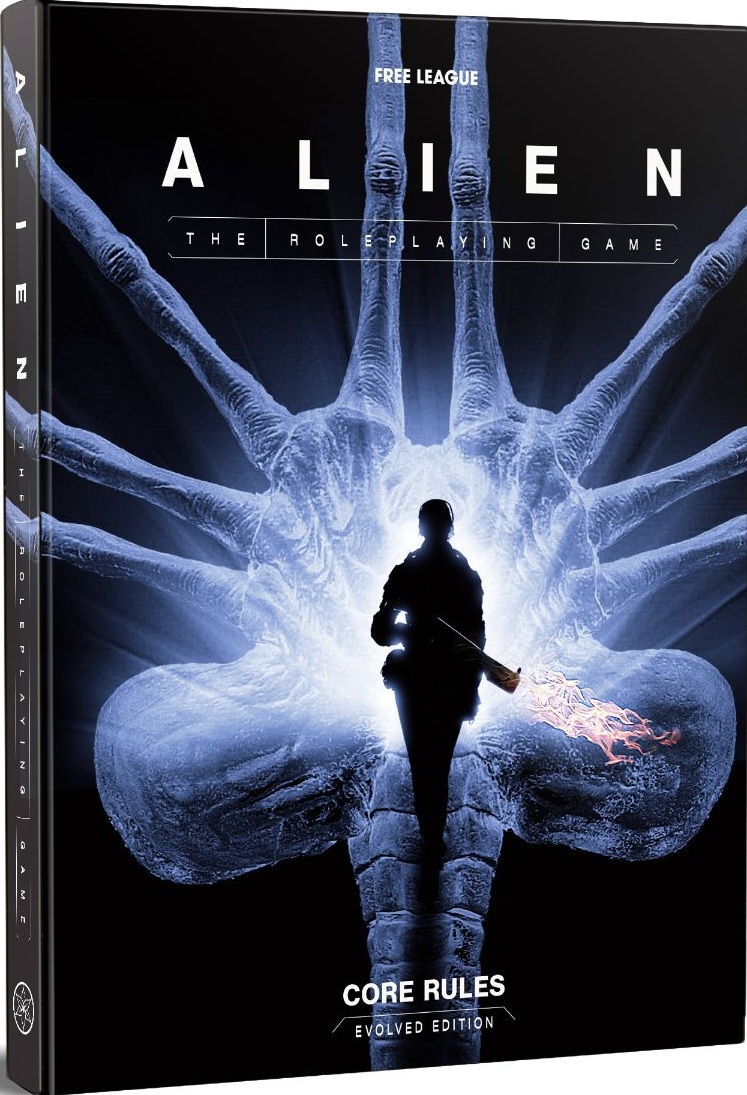
I usually create tiered lists, not rankings, but if I had to crown a #1 for thematic integration, it’s Alien, hands down. The Alien RPG isn’t just a movie tie-in; it’s a horror machine. Built on Free League’s Year Zero Engine, it’s tuned here for lethal, high-tension play. The Stress system is brilliant: when things get tense, you stack extra dice. That boosts your chances of succeeding and your risk of panic. It captures exactly how Ripley’s crew slowly unravels on the Nostromo. You can even push a roll—basically gamble on one last shot—by taking on more stress.
But the design goes deeper. Each character has a secret personal agenda that pushes you toward classic horror-movie bad decisions. You also have a buddy and rival among the other PCs, creating instant drama and conflicting loyalties. The motion tracker and stealth mechanics nail that cat-and-mouse tension from the films; you’re tracking blips while something deadly hunts you back.
Free League nailed the corporate sleaze too: salary tables and personal agendas remind you you’re just a pawn. The book splits cleanly between Cinematic stories (pre-gen characters, deadly threats) and longer Campaign play (more exploration, less lethality). If you want a gateway to horror RPGs—or a blueprint for licensed game design—Alien is it.
Try it with: Chariot of the Gods, the official intro scenario. A revised “evolved edition” of the game is due this year.
Avatar Legends (Magpie Games)
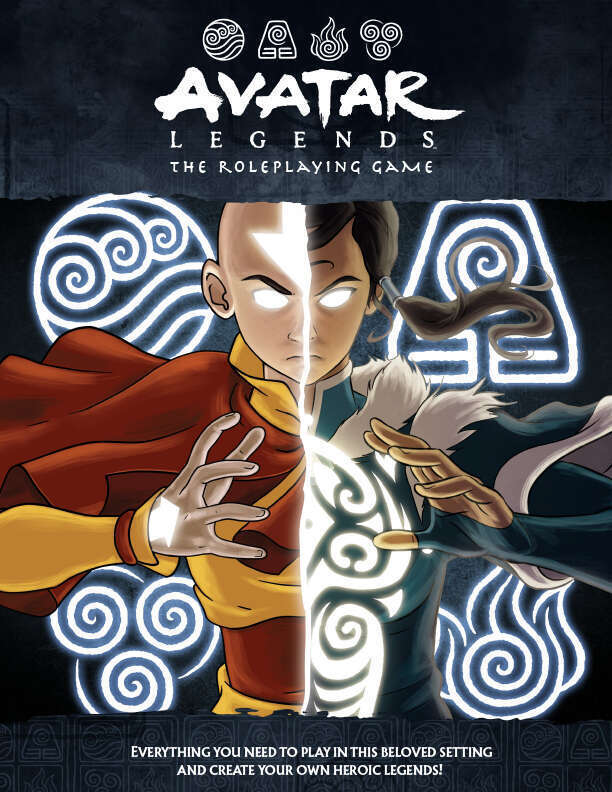
Avatar Legends is here because it doesn’t just look like Avatar, it actually plays like it. Built on the Powered by the Apocalypse framework, it uses narrative-driven moves that resolve with success, partial success, or complications—keeping the story moving and character choices front and center.
The game turns the show’s ideas about balance, identity, and emotional growth into real choices you have to make as a player. Every character has two opposing ideals, like tradition vs. progress, or freedom vs. control, and you’re always wrestling with those tensions, just like Aang and Korra did.
The combat system is just as sharp. Instead of turn-by-turn trading of blows, fights play out in ‘exchanges.’ Everyone secretly chooses one of three approaches—defend and maneuver, advance and attack, or evade and observe—then reveals them together. It’s rock-paper-scissors with added tactics, and it captures the flow of the show’s battles. Fair warning: the first couple of fights can feel awkward as everyone learns the rhythm, but once it clicks, you’re reading opponents and setting up cinematic moves instead of just rolling to hit.
The playbooks (think of them like character templates) help bring different types of people into the world: maybe you’re a hopeful Guardian, a rebellious Successor, or something in between. Each one pushes you into different kinds of emotional stories, but no one dominates the spotlight. It feels like a team show, not just a solo hero story. The game also works across every era of Avatar history; whether you’re playing in Aang’s time, Korra’s, or even Kyoshi’s, it still nails it. Bottom line: Avatar Legends pulls you into the heart of what the series is really about.
Try it with: either the Starter Set or Wan Shi Tong’s Adventure Guide.
Buffy the Vampire Slayer (Eden Studios)
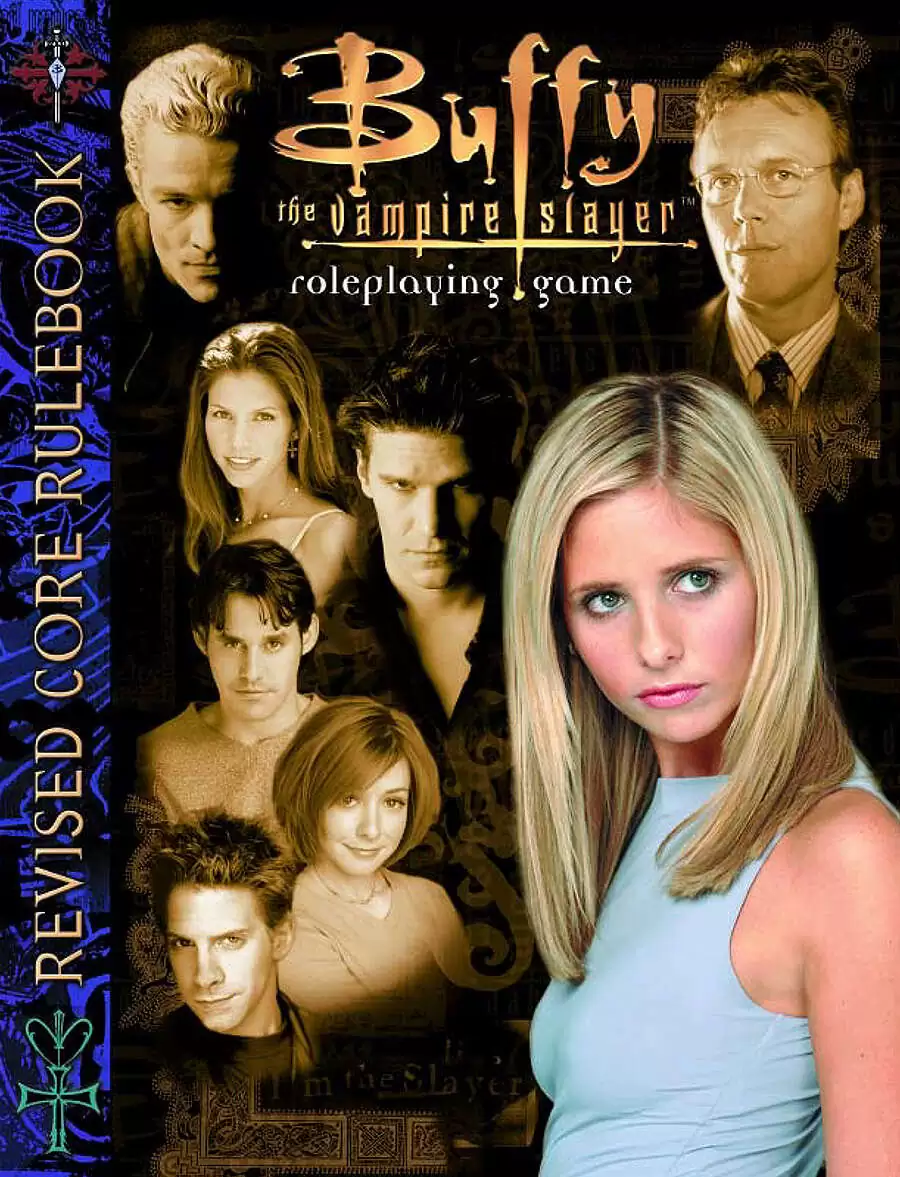
The Buffy the Vampire Slayer RPG nails what most licensed games miss: it doesn’t just recreate the setting, it makes you feel like you’re living it. Built on the Cinematic Unisystem, actions resolve with Attribute + Skill + d10 rolls—like Strength for punches, Dexterity for dodges, and Willpower for magic.
Character creation is point-buy: pick Attributes, add Qualities like Slayer powers (with story costs), balance with Drawbacks, and choose flavorful skills like “Getting Medieval” or “Gun Fu.” Heroes start stronger but get fewer Drama Points than everyday White Hats, letting the underdog steal the spotlight.
Drama Points are the beating heart of the system. Lean into mistakes, romantic chaos or emotional baggage to earn them, then spend for last-minute heroics. Combat is fast and cinematic. Martial arts maneuvers, staking vampires, and teamwork bonuses all mesh with teen drama and everyday pressures. Advancement evolves characters: earn XP from adventures, crises, or bonds, then spend it to boost stats, skills, or Drama Points—cheaper for White Hats, rewarding underdogs.
The core book’s packed with Sunnydale-flavored writing, show-authentic art, and a solid intro adventure. Bottom line: Buffy is a mechanical masterpiece. It captures a world where monsters are metaphors, and friendship literally saves lives.
The One Ring (Free League Publishing)
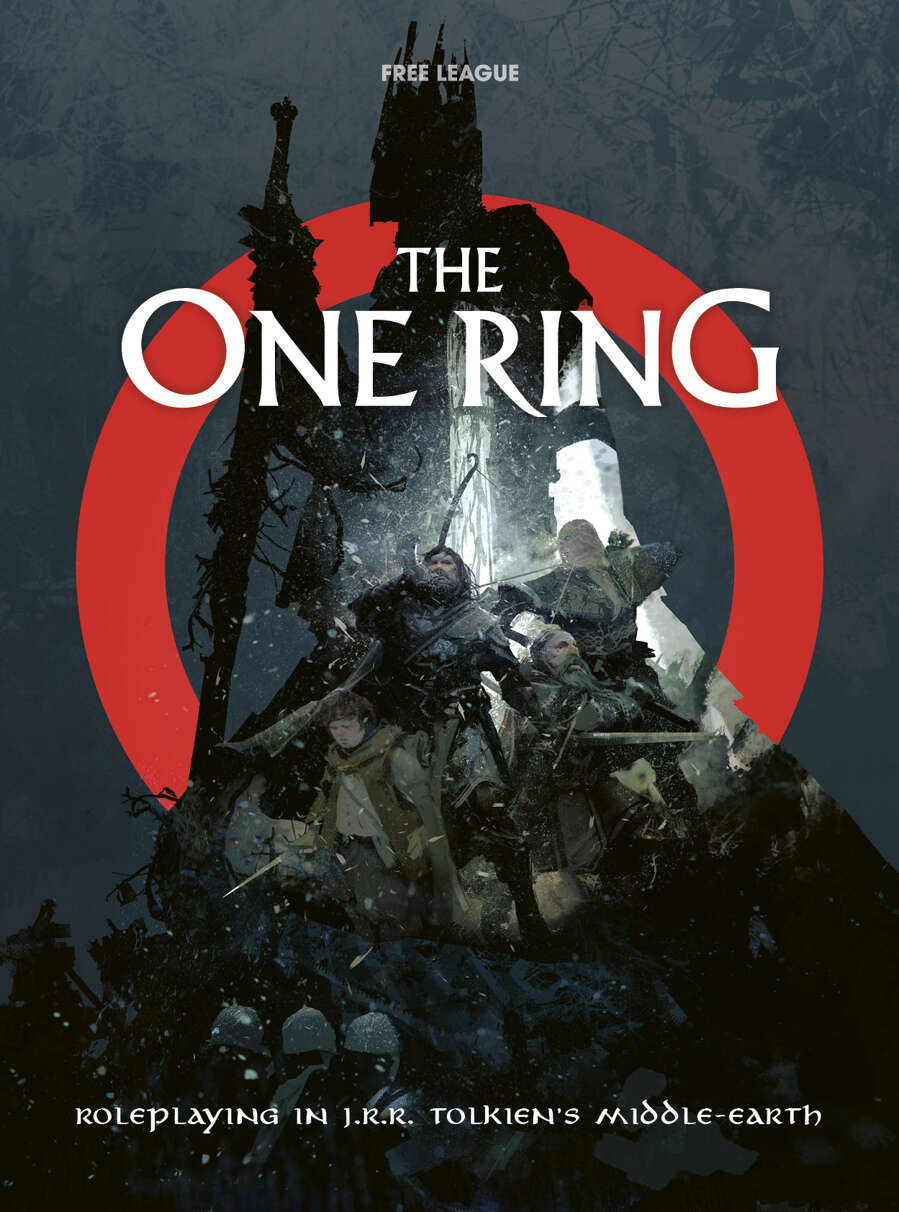
The One Ring doesn’t just drop you into Middle-earth—it makes you feel its weight in every moment. This isn’t generic fantasy; it’s a story where hope is fragile, darkness creeps closer, and every victory costs something dear.
The game uses a simple dice system with a special d12 “Feat” die that can trigger epic successes or grim complications, plus d6 dice to beat Target Numbers based on core stats: Body (strength), Heart (hope), and Wits (smarts). These tie into your Endurance and Hope/Shadow pools, tracking physical grit and inner light vs. despair.
Character creation pulls from Heroic Cultures like Hobbit or Elf, with Callings (your role), Distinctive Features, and Virtues. Level up via XP on skills or rewards, even retiring heroes for heirs in epic campaigns. Gameplay swings between Adventuring Phases (exploring, tactical fights with stances and piercing blows) and Fellowship Phases (rest, recovery, deep connections).
Travel tests morale with roles like Guide or Scout; Social Councils shape tense encounters. Bonds with fellows grant strength, but Shadow corruption risks all. It evokes Tolkien’s ancient legends, weaving mechanics into a journey where friendship and despair shape every step.
Try it with: the rulebook includes a solid introductory adventure, and you can also start with the Starter Set, or dive into a full campaign with Tales from the Lone Lands.
Star Wars (West End Games, Edge Studio)
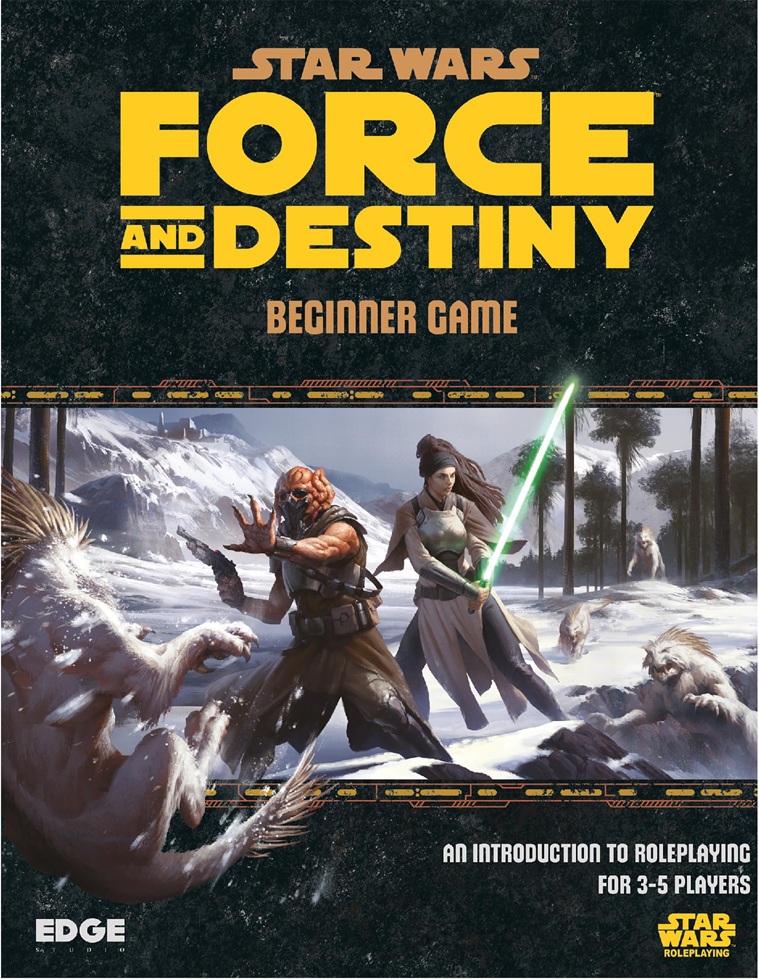
There are two major Star Wars RPGs worth knowing: the original WEG version from 1987 and Fantasy Flight Games’ reboot in 2012. Both nail what makes Star Wars feel like Star Wars, and that’s rare.
WEG throws you right into the action with simple templates like Smuggler or Jedi. Its core mechanic builds dice pools from attributes and skills—like Dexterity 3D+2, meaning roll three six-sided dice plus two modifiers—to beat difficulties. The Wild Die adds chaos: rolling a 6 lets you explode for bonuses, but a 1 triggers mishaps.
Jedi powers are rare and divided among Control, Sense, and Alter skills, reflecting their scarcity in the original trilogy. Combat is fast, abstract, and pulpy—perfect for over-the-top adventures. Fun fact: Star Wars novelists used WEG’s books as a resource to expand the galaxy’s lore.
Fast forward to 2012, Fantasy Flight reinvented Star Wars with a narrative dice system. Custom dice show Success, Failure, Advantage, Threat, Triumph, and Despair; each roll layers story twists, like hitting a shot but jamming your blaster. Destiny Points let players flip outcomes for heroic moments.
Characters build through specializations and talent trees across three books: Outlaws with Obligations in Edge of the Empire; Rebels with Duty in Age of Rebellion; and Force-users balancing Morality in Force and Destiny. Combat uses initiative slots and critical injuries for gritty, high-stakes drama. Whether fast and fun or deep and dramatic, these RPGs capture the heart of Star Wars.
WEG is out of business, but you can get everything for free right here. The Edge of Empire Beginner Game or Force and Destiny is a great way to try it out.
Tier 2 – Exceptionally Good
Blade Runner RPG (Free League Publishing)
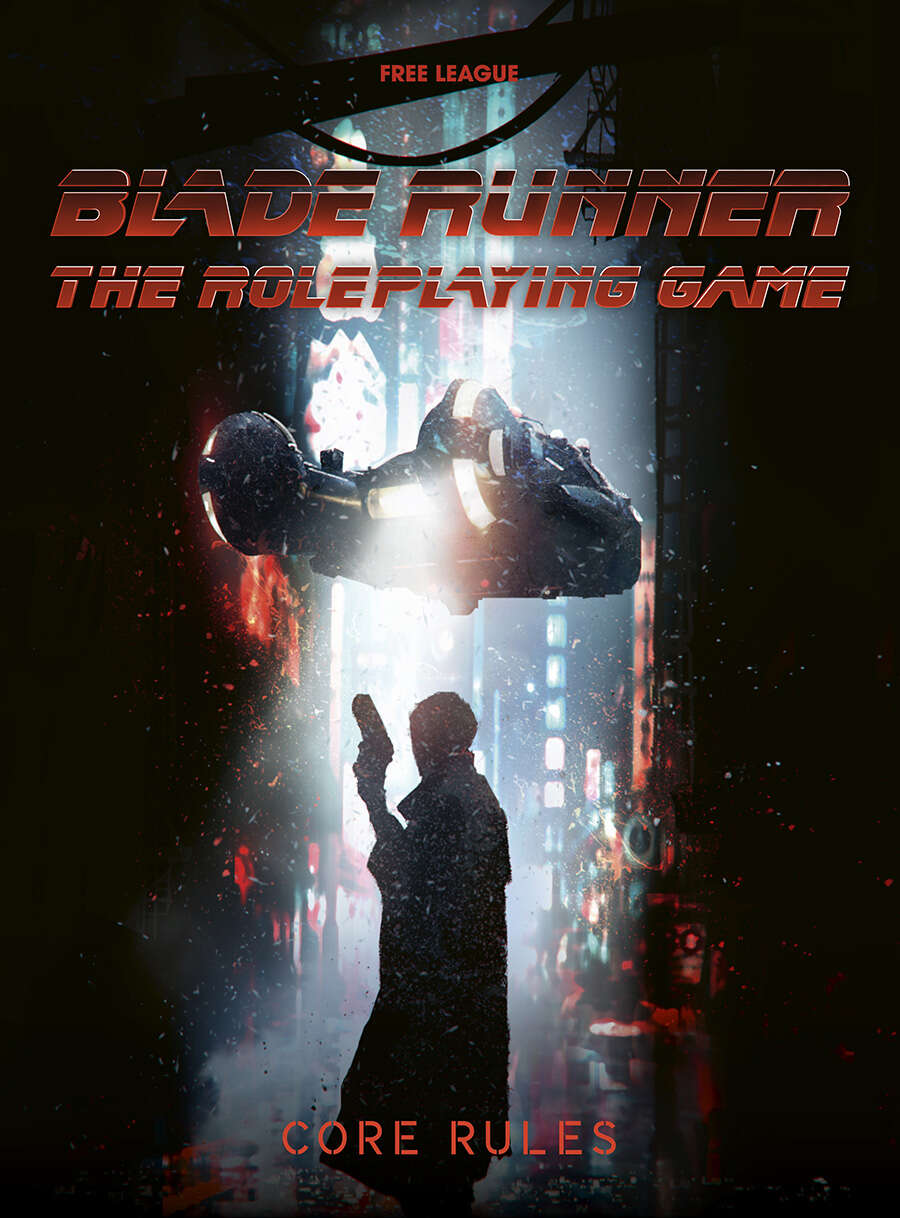
The Blade Runner RPG earns its Tier 2 spot because it actually plays like the movies. You’re not an action hero, but a detective unraveling twisted cases in a dystopian world of moral gray areas. Built on Free League’s Year Zero Engine, rolls use dice pools of varying sizes based on four attributes—Strength, Agility, Intelligence, and Empathy—and related skills, aiming for 6+ successes. Pushing rerolls increases risk by adding stress, mirroring tense choices, especially in Voight-Kampff-style interrogations that test suspects and your own humanity.
Character creation lets you play as human or replicant Blade Runners, with archetypes like Enforcer or Analyst, shaped by key memories and relationships that raise personal stakes. The Shift system tracks in-game days, limiting actions per shift, while Promethean Fire and Scrap resources (used for upgrades and survival) add depth to life in a corrupt city. Combat is quick and lethal, with damage directly reducing your attribute dice pools, making fights brutal and unpredictable.
The game nails mood and tension, with a city alive in secrets and difficult choices. It relies on prewritten Case Files, structured with handouts, clues, and timed events; GMs should expect prep time for open-ended campaigns. Still, for a legit Blade Runner experience, it’s top-notch.
You can start with the Starter Set. If you want the full game, look at Fiery Angels.
Dresden Files RPG (Evil Hat Productions)
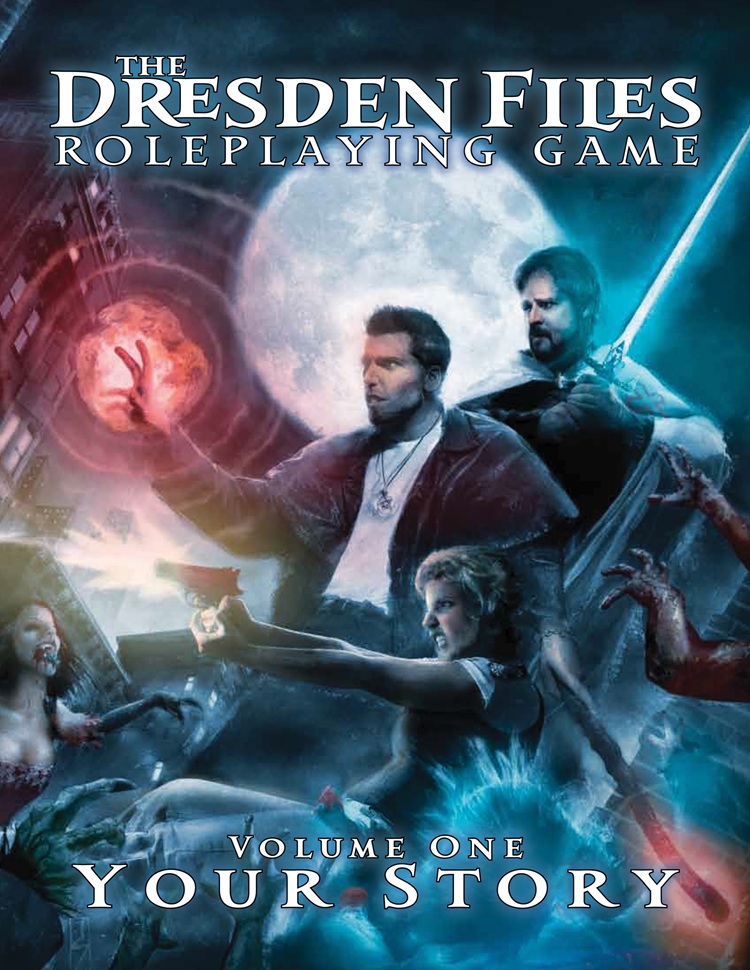
The Dresden Files RPG (not the Accelerated version) shows what happens when you take Fate Core’s flexible system and tailor it perfectly to Jim Butcher’s world of snarky wizards and supernatural chaos. Actions resolve with skills (like Athletics or Lore) plus four Fate dice (fudge dice showing +, -, or blank), modified by Aspects—short phrases defining your character, like “Smartass Wizard” or “Tempted by Dark Power.” Invoke them for bonuses using Fate Points, or get Compelled for dramatic twists and complications.
Character creation is collaborative: build through phases like Background and Rising Conflict, playing key roles in each other’s stories to create interconnected backstories. Pick templates like Wizard, Vampire, or Changeling for supernatural powers with built-in limits. Magic shines with Evocation and Thaumaturgy, but breaking the Laws has lasting consequences: mechanical costs that echo the books’ moral stakes.
Conflicts span physical, mental, and social, using Stress tracks and Consequences for lasting impacts. Advance via Milestones, refresh Fate Points, and update Aspects. The books feel in-world with Harry’s snarky margin notes, plus city-building tools for your supernatural Chicago. Especially when paired with the Our World companion, it’s a masterclass in story-driven play winning Origins, ENnies, and Golden Geek awards. Dresden oozes depth, but its freeform magic and group-driven setup can be daunting for newcomers, holding it just below Tier 1 territory. Still, this isn’t just Dresden-themed; it plays like you are living the books.
Try it with: Night Fears and Neutral Grounds are both free adventures for download.
Dune: Adventures in the Imperium (Modiphius Entertainment)
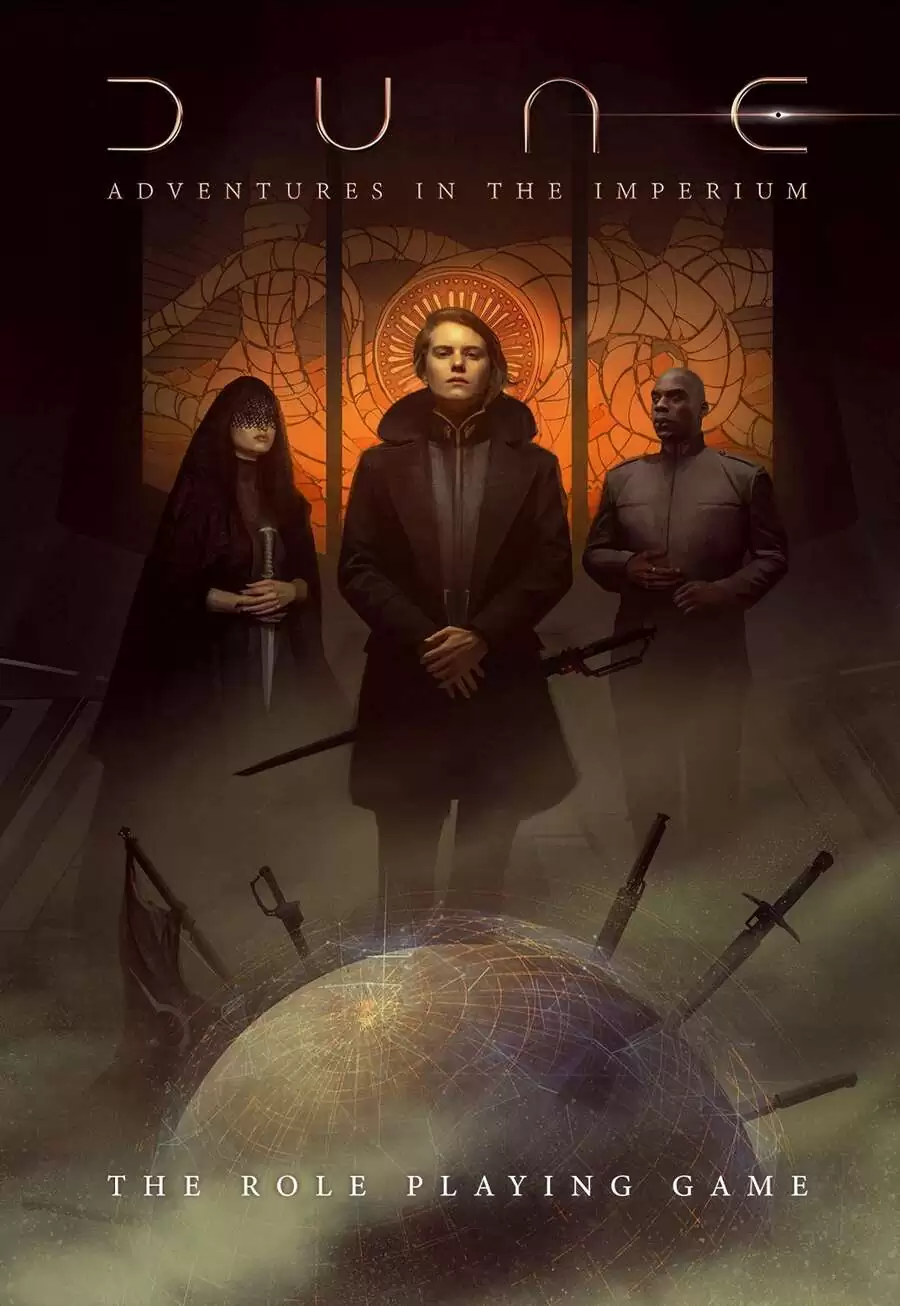
If you’re into the Dune universe and want an RPG that captures its heart—philosophy, politics, and power plays—Dune: Adventures in the Imperium delivers. Built on the 2d20 system, you roll up to five d20s, aiming to score successes from one of five Drives, plus a Skill like Battle or Communicate. Lower rolls succeed, but pushing your luck generates Threat (fuel for the GM’s twists) or Momentum (bonuses you can bank).
The system unifies all conflicts such as duels, espionage, or full-scale warfare through abstract zones and assets like influence, agents, or secrets. That lets you play bold or subtle without every story ending in a firefight.
Character creation starts with crafting your House, choosing archetypes with Talents, and adding signature Dune elements like prescience, Bene Gesserit training, or shield tech that flips combat rules. Advancement comes via Milestones, evolving your Drives and assets, with scarcity—like spice shortages—underscoring survival themes. Every choice balances loyalty, hidden agendas, and moral lines: protect your House, follow your conscience, or chase power at all costs.
Try it with: the rulebook comes with two good adventures, but if you want to go deep, get Agents of Dune.
Pendragon (Chaosium Inc)
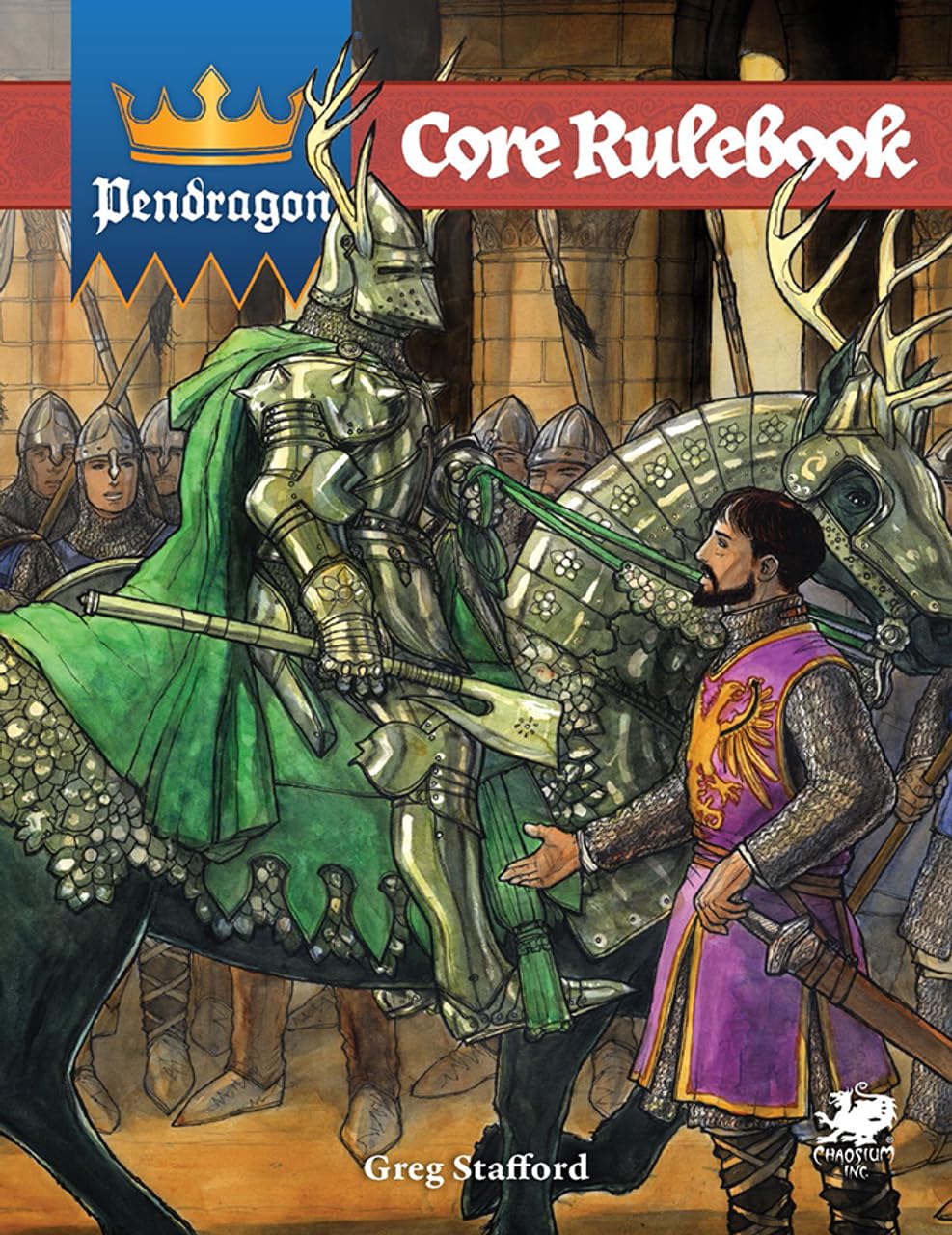
Pendragon drops you into the boots of an Arthurian knight, where honor isn’t flavor, it’s the engine driving every choice. The core mechanic is simple: roll a d20 under your skill, attribute, or one of your paired traits, like Valorous/Cowardly. These always total 20, meaning the higher your bravery, the lower your cowardice, and the dice can still surprise you. Passions, like “Hatred of Saxons” or “Christian Devotion,” can fire you up for bonus dice…or push you into madness if they turn against you.
You begin as a young knight, with stats like Size and Dexterity, plus Glory, the currency of renown that fuels advancement. Campaigns span decades: you’ll age, marry, raise heirs, and face the passing of your character’s era. The Winter Phase, played once per in-game year, handles marriages, family events, political intrigue, and training, turning downtime into storytelling gold.
Combat is tactical and dangerous, blending duels, skirmishes, and sieges with the weight of oaths, alliances, and rivalries. The game doesn’t sanitize medieval life—expect to navigate politics, arranged marriages, and hierarchies that demand hard choices. Pendragon’s depth in simulating medieval life is also its biggest barrier; the crunch and decades-long sagas can daunt some tables, keeping it just shy of top-tier legend.
Try it with: The Starter Set is a great way to try it. If you want to dive in, get The Grey Knight.
While there are many other solid licensed RPGs out there, this list represents the games that truly excel at capturing their source material through innovative design and exceptional thematic integration. Whether you’re looking for philosophical depth, political intrigue, or pure cinematic adventure, these games prove that the best licensed RPGs don’t just borrow from their sources—they become them.