The Most Complete One-Book TTRPGs
The best one-book TTRPGs give you everything you need to run a full campaign without buying a single supplement. No three-book treadmill, no “optional but mandatory” expansions, just a complete game in one volume. That means robust character creation and progression, GM tools that actually support play, and enough content or procedures to carry the game from the first session to its intended endpoint. “Complete” doesn’t mean infinite: a game can be done at level 10, at retirement, across a 20–40 session arc or through episodic or quest-driven play, as long as the book fully delivers on what it sets out to do.
This list comes from comparing roughly 40–50 frequently recommended one-book RPGs across multiple subgenres. To keep the comparison meaningful, I excluded universal engines and modular toolkits (e.g., GURPS, Fate, Savage Worlds), since their strength is extensibility rather than delivering a complete campaign experience in a single volume. The tiers reflect qualitative bands of completeness, not a strict ranking; within a tier, rankings aren’t meaningful. What’s left are games that respect your time and your wallet.
Update: Based on extensive feedback and further comparison I’ve tightened and refined my definition for inclusion/exclusion. As a result some systems have been moved, added, or bumped off. We’ll start with Tier S games: they don’t just run campaigns, they create them. Let’s dive in.
Tier S: Exceptionally Complete Campaign Engines
Worlds Without Number (Kevin Crawford)
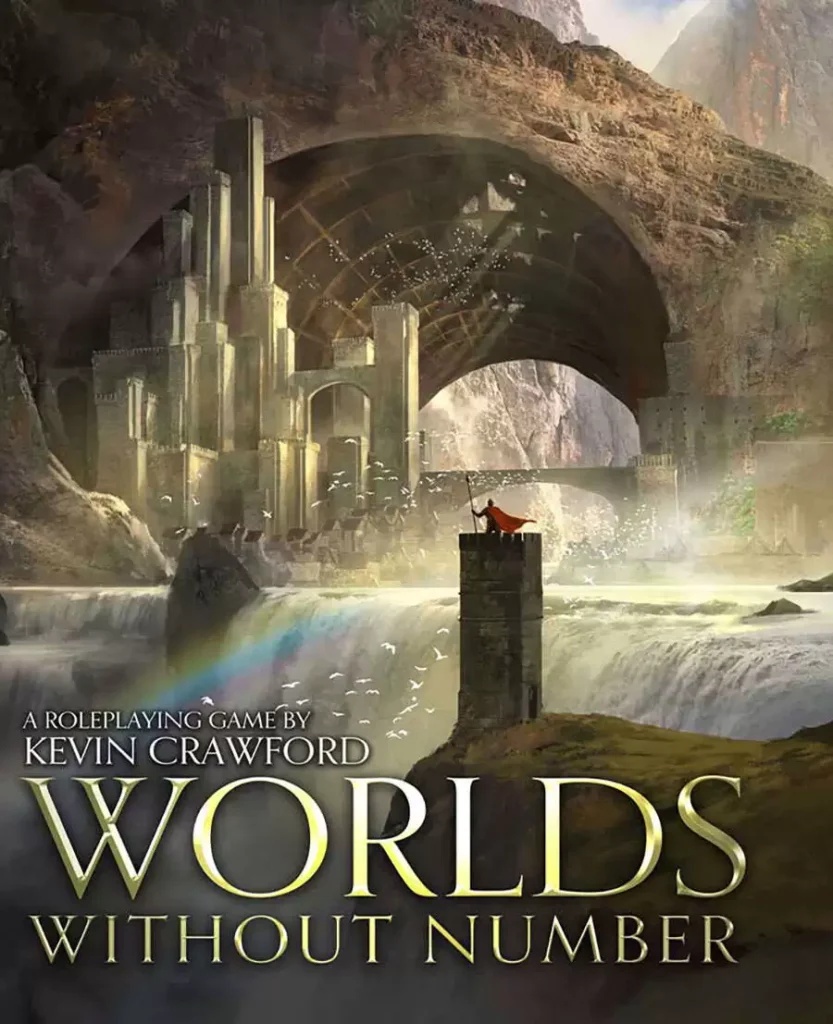
Worlds Without Number is the modern gold standard for sandbox campaigns. Kevin Crawford’s OSR fantasy game (D&D B/X-derived) delivers everything in one book: character advancement to level 10, monsters, magic items, and the most robust GM procedures ever written for hexcrawls. This is a forever book. You’ll return to its faction turn systems, domain management rules, and worldbuilding frameworks campaign after campaign, regardless of what system you’re running.
The faction turn system makes your world alive: NPC factions pursue goals, forge alliances, and collapse, whether the party interferes or not. It includes domain management, comprehensive hexcrawl procedures, and 400 pages of system-neutral worldbuilding tools you can put into any fantasy campaign. The default setting is optional, these procedures work for gritty dungeons or high fantasy kingdoms equally well.
And the kicker? The free version is 95% complete. Crawford’s Stars Without Number uses the same excellent toolkit for sci-fi sandboxes, but WWN is the more refined implementation.
Perfect for: GMs who want campaign tools they’ll use forever, not just once.
Mythic Bastionland (Chris McDowall)
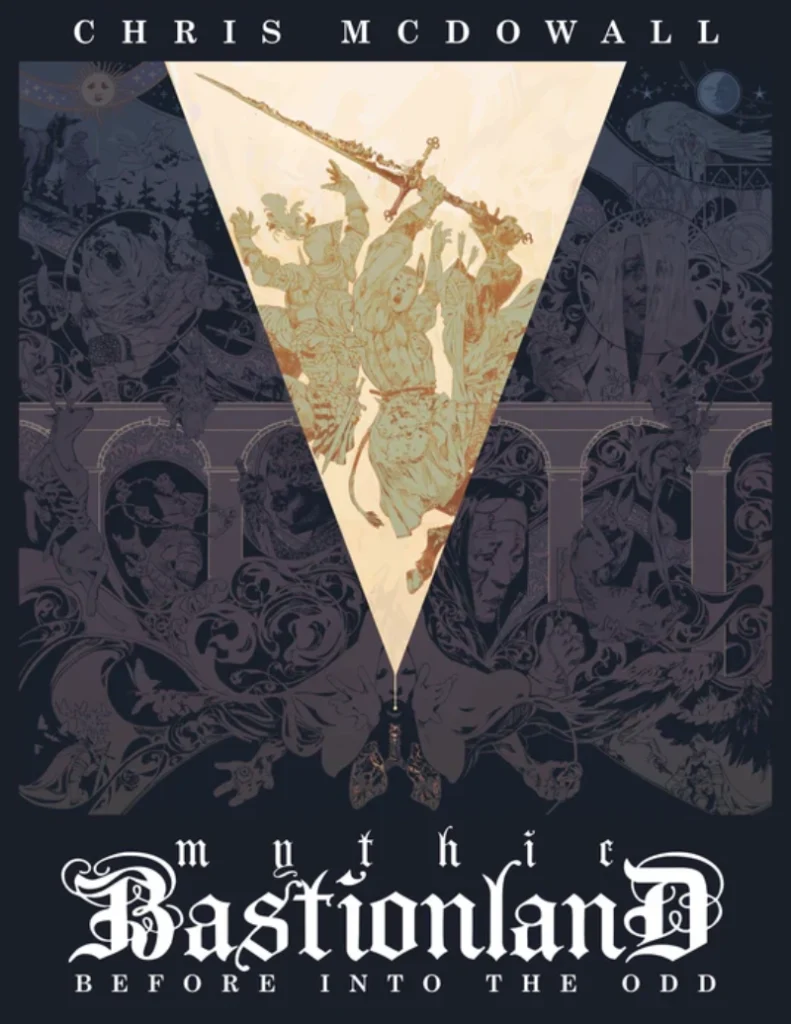
Mythic Bastionland solves the eternal GM problem: running out of prep. You play knights in a brutal, dreamlike realm haunted by living Myths—things like The Wyvern, The Forest, The Sun itself—that threaten the land. Your oath is simple: seek the Myths, protect the Realm, earn enough Glory to reach the far-off City (which might be a legend).
Chris McDowall packed a whopping 72 complete Myths into 206 pages with only 15 pages of rules. Each Myth unfolds through six Omens that trigger during hexcrawl travel, creating a dark fantasy fever dream where legends creep closer whether you’re ready or not. The rules are Into the Odd-lean: no roll-to-hit, straight to damage, fast character creation, brutal consequences. Everything you need lives in one book.
Perfect for: Groups who want grab-and-play with minimal prep for years.
The Burning Wheel (Luke Crane)
Burning Wheel Gold asks the question most RPGs ignore: what are you willing to sacrifice to stay true to who you are? This award-winning fantasy system treats your convictions as the engine of play. You write Beliefs like “I will never abandon a friend in danger” and Instincts like “I draw my sword at the first sign of aggression”, then the GM tests them until something breaks.
Here’s the tension: your companion is trapped in a collapsing ruin. Save them, and you might earn Deeds Artha, the rarest reward that lets you reshape crucial moments. Stick to your “draw first” Instinct during a tense negotiation? Earn Persona Artha for extra dice on future rolls. The game makes moral choices mechanically expensive, and deeply rewarding.
Character advancement, social duels, brutal combat, and dangerous magic fill the complete rulebook. It’s intense, conversation-heavy, and unlike anything else. There’s a steep learning curve, but I’ve written a guide for how to learn and play it.
Perfect for: Players who want mechanically-reinforced character development and moral complexity.
Try it with: the free demo adventure, The Sword, and go from there.
Vampire: The Masquerade V20 (Mark Rein-Hagen)
Vampire: The Masquerade 20th Anniversary Edition (V20) is gothic political horror where every hunger makes you less human, and the best version of Vampire ever published. You play vampires navigating sect politics, feeding without breaking the Masquerade, and fighting the Beast inside that craves violence and blood. V20 is the definitive “greatest hits” edition: it compiles Revised plus essential expansions into one absurdly comprehensive 528-page tome built for years-long chronicles.
All 13 clans are included with their signature Disciplines, plus blood bonds and ghouls that turn every favor into leverage. Humanity tracks your moral descent, while Paths of Enlightenment let inhuman monsters justify their existence through twisted philosophy. Character advancement, Storyteller d10 combat, and complete supernatural systems mean you don’t need supplements.
Perfect for: A World of Darkness chronicle built to last years.
Tier A: Focused, Self-Contained Excellence
D&D Rules Cyclopedia (Aaron Allston, et al)
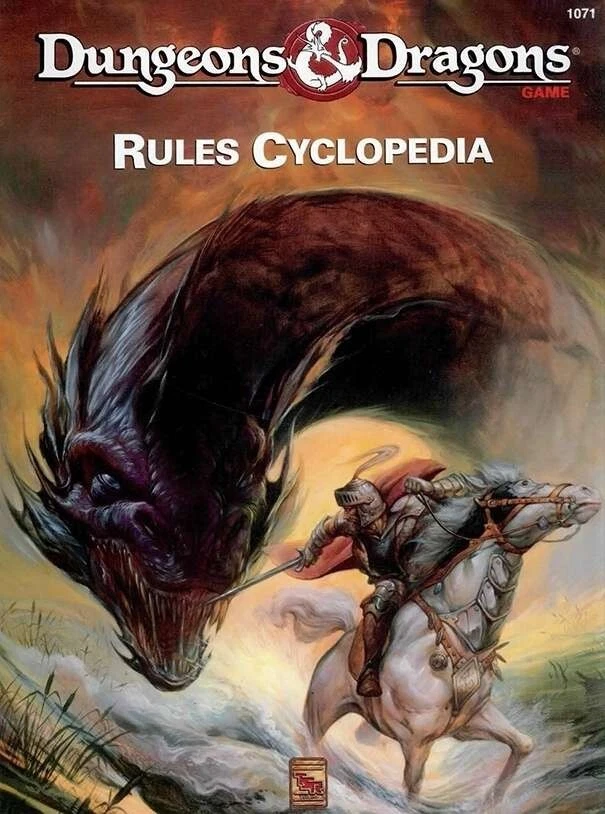
The D&D Rules Cyclopedia is the grandaddy: it proved that D&D could fit in one book, and still hasn’t been matched for sheer efficiency. Aaron Allston compiled four boxed sets (Basic, Expert, Companion, Master) into 304 pages of streamlined, classic D&D. It references Immortals but excludes their full rules, which require the separate Immortals boxed set. It’s simpler and faster than AD&D’s crunch, but with the full adventure arc from dungeon crawling to dominion-level play.
Characters run from level 1 to 36 with clear, straightforward mechanics. The War Machine handles mass combat, dominion rules let adventurers become kings, and an atlas of Mystara (the Known World) means you can point at a hex and play tonight. Where AD&D needed a shelf, the Cyclopedia delivers everything in one portable tome. Why play it today? The Cyclopedia remains the gold standard for a single-volume, full-arc D&D campaign.
Perfect for: OSR fans or anyone who wants the “D&D in a bunker” experience. It’s out of print, but available on Drivethrurpg as a PDF or Print on Demand. If you really want a supplement, get Dawn of the Emperors and you have years of play ahead of you.
Ironsworn: Starforged (Shawn Tomkin)
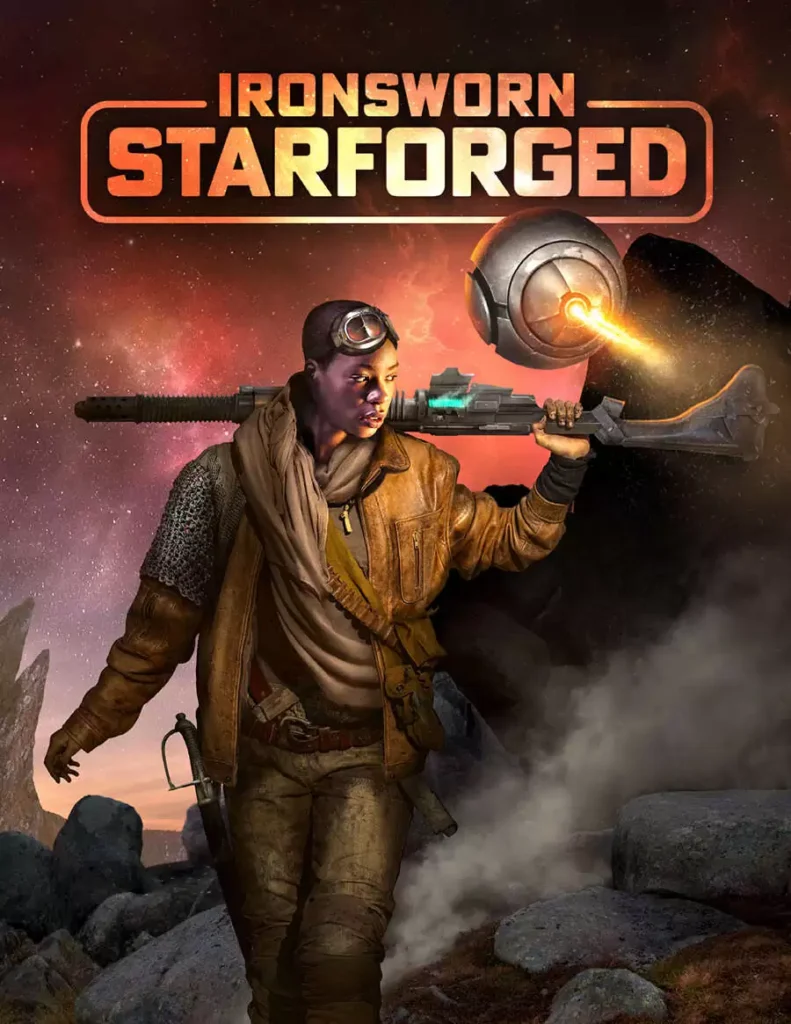
Ironsworn: Starforged is the definitive sci-fi quest game built for solo, GM-less co-op, or guided play. You play oath-bound starfarers in the Forge, a chaotic star cluster humanity fled to after an apocalyptic exodus, navigating perilous worlds and the weight of vows that drive you forward.
The PbtA-style move system pairs with massive oracle tables that generate NPCs, factions, derelict starships, and entire story threads when you need them. No prep? No GM? No problem, Starforged keeps it all moving. It also absorbs Delve’s exploration mechanics (precursor vaults, location themes) directly into the core. Character creation through advancement, complete quest/relationship systems, and assets mean you don’t need supplements. Free downloadable asset cards are available for those who want them.
Perfect for: Groups who want a deep sci-fi campaign they can play anytime, even when no GM shows up.
Blades in the Dark (John Harper)
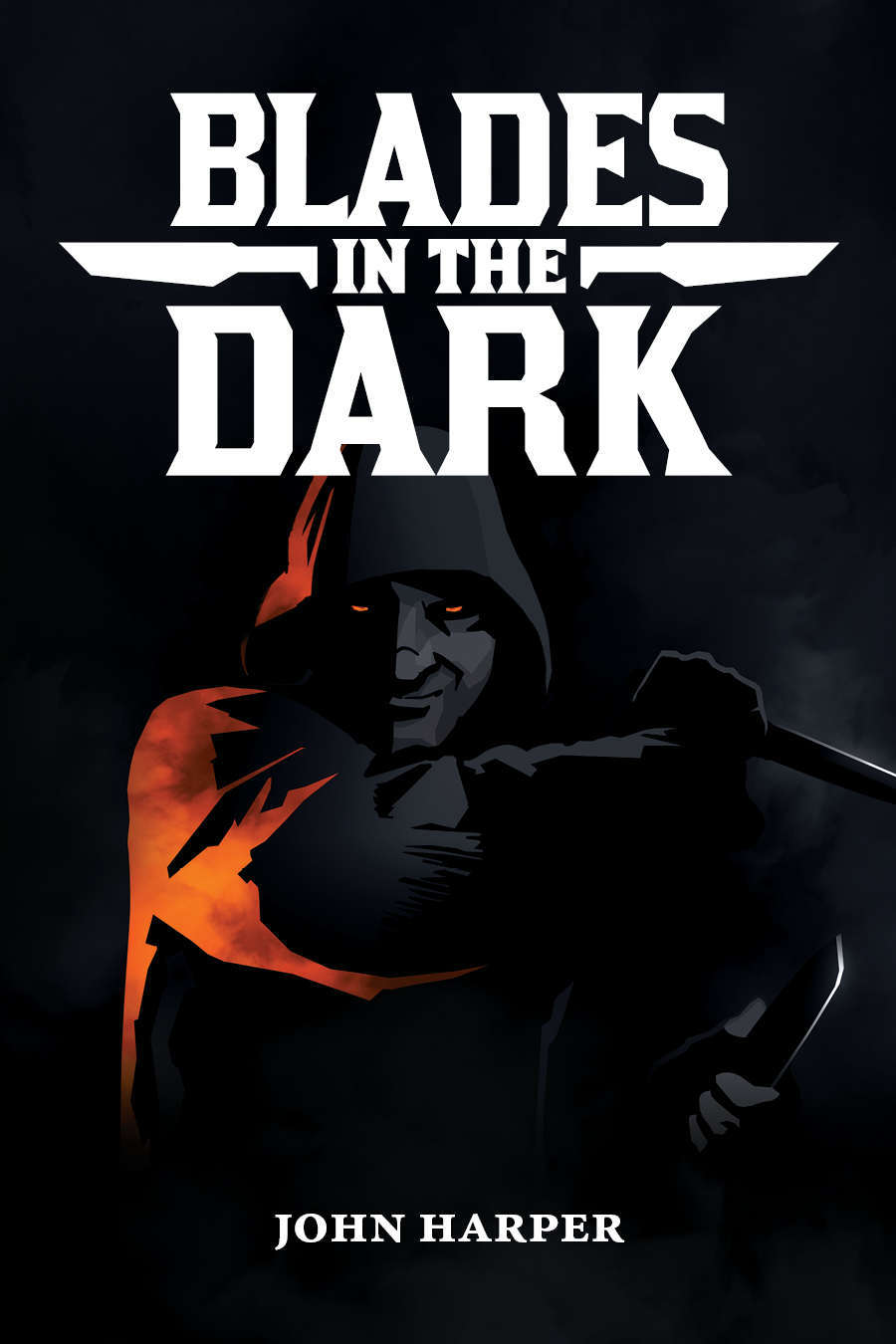
Blades in the Dark revolutionized heist gameplay, starting the entire Forged in the Dark family of games. You’re a criminal crew clawing for power in Doskvol, a haunted industrial-fantasy city packed with factions, opportunities, and ghosts. The genius is the flashback system: instead of planning for an hour, you jump straight into the score and “plan in retrospect” with stress-powered flashbacks that keep momentum high.
Every job earns your crew turf and enemies, building a living campaign through consequences. Whether you’re running assassinations, smuggling operations, or occult rituals, the tension escalates naturally. The 328-page core contains character advancement systems, Doskvol’s detailed map, faction relationships, and deep campaign tools for extended play. The only caveat is that this is a very focused premise (always scoundrels) and works best with GMs comfortable improvising around player choices.
Perfect for: Groups who want cinematic heist drama with bite.
Shadow of the Demon Lord (Robert J. Schwalb)
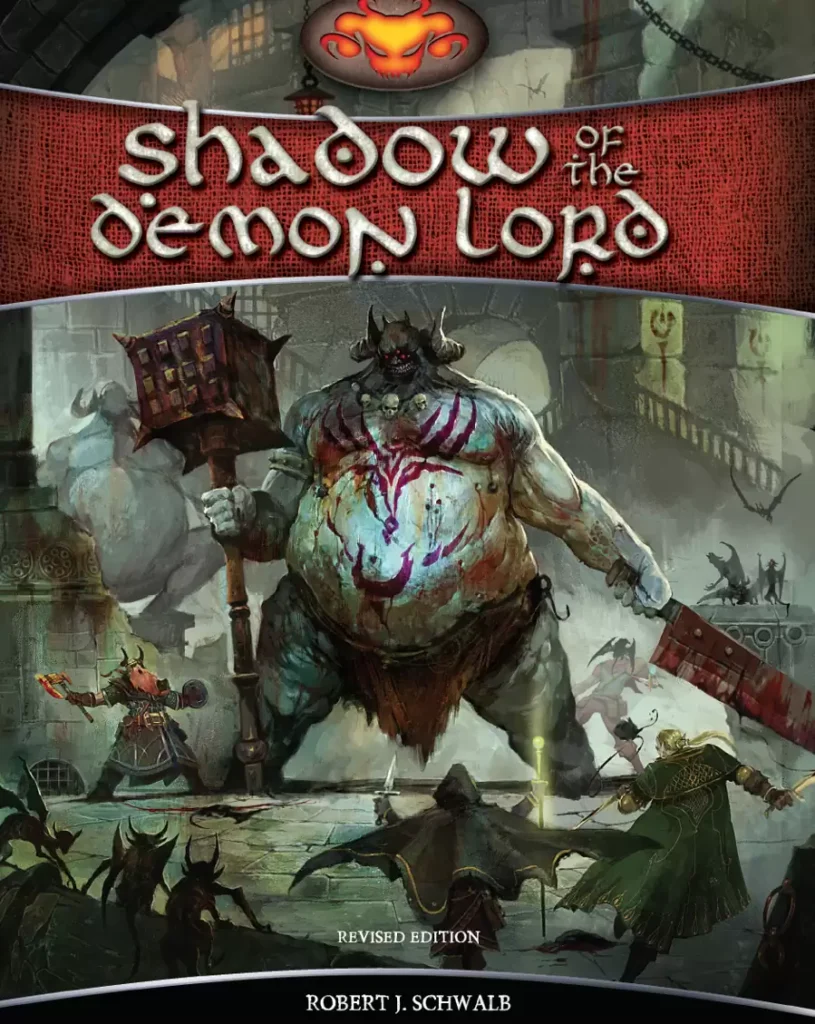
Shadow of the Demon Lord is the leanest, fastest way to run horror-fantasy that still plays like d20. Nearly a decade later, it’s still one of the best examples of a game built for actual table play. The setting is uncompromisingly dark: a cosmic destroyer looms, horror and violence are baked into the world, and everything happens under the constant threat of apocalypse.
The core book is genuinely complete, with adventure-building tools, a detailed region, and 100+ creatures. You won’t be hunting supplements just to get a campaign off the ground. Combat uses fast/slow initiative to keep fights tight. Character growth unfolds in three clean tiers (novice/expert/master Paths), letting builds diverge without bloat.
Perfect for: Groups who want d20 familiarity with real darkness and mortality.
Try it with: Dark Deeds in Last Hope, but of course the core book is enough.
Apocalypse World 2e (D. Vincent & Meguey Baker)
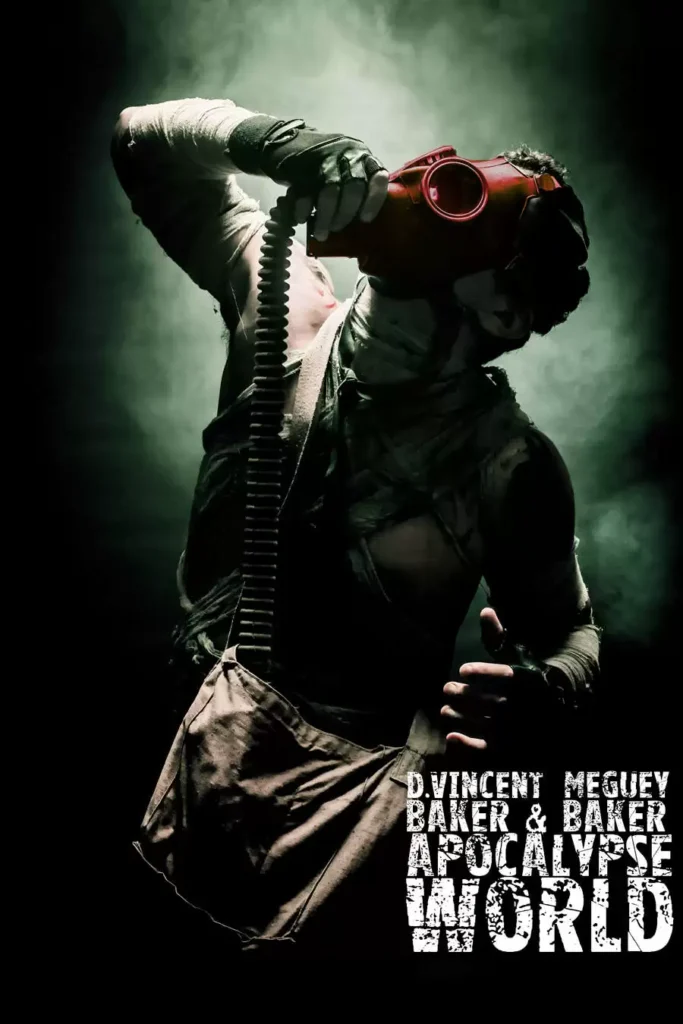
Apocalypse World spawned Powered by the Apocalypse and remains the sharpest example of what that framework can do. This is the game that proved RPGs could run on principles instead of prep. “Play to find out what happens” isn’t a tagline, it’s the entire design. The MC builds threat maps tracking warlords, cults, and diseased landscapes. Then those dangers collide with player choices to generate campaigns that feel inevitable but unplanned.
The post-apocalyptic setting drips with scarcity and desperation: hardholders clinging to settlements, gunluggers settling scores, angels patching people up with whatever’s left. Every session asks what your characters will sacrifice to survive another day. The mechanics make failure interesting and consequences snowball naturally—you’re not following a plot, you’re watching collapse happen in real time. This revolutionized how indie RPGs think about GMing, and it still hits harder than most games it inspired.
Perfect for: Groups tired of following plots; players who want their choices to really shape the campaign.
Alien RPG: Evolved Edition (Tomas Härenstam)
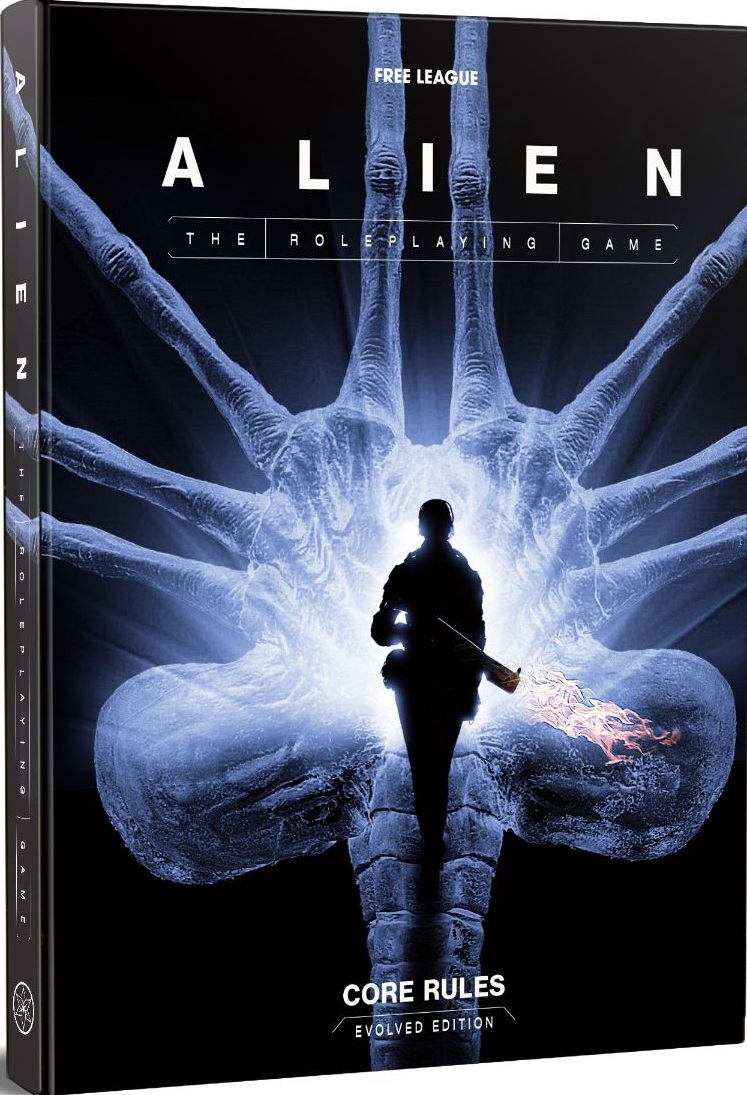
ALIEN RPG: Evolved Edition is blue-collar space horror where corporate protocol kills you slower than the xenomorph, but just as certainly. You play space truckers, colonial marines, or frontier colonists navigating a universe where breaking quarantine gets you fired and following orders gets you facehugged.
Evolved Edition refines the 2020 ENnie Gold winner into something leaner but more systematically complete. The Year Zero Engine’s stress mechanics push you to take risks for extra dice, but those gambles spiral into panic and friendly fire. This is the definitive one-book version because it includes lifepath character generation, the Tartarus Sector as a ready-to-run campaign frame, and Last Survivor solo mode for playing without a Game Mother. It prioritizes frameworks that generate play over pre-written scenarios.
Perfect for: Long-term campaigns where corporate horror meets xenomorph body horror.
Honorable Mentions
Ten Candles (Stephen Dewey)
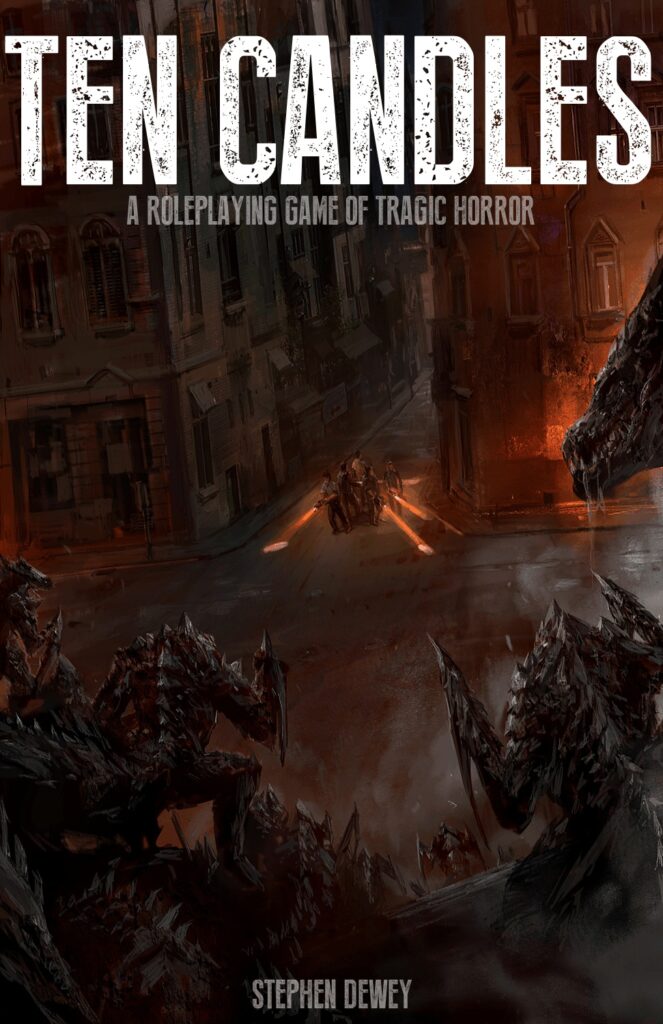
Ten Candles is one of the most “complete” one-book TTRPGs imaginable, because supplements would be virtually impossible. It’s a tragic horror ritual where everyone knows the ending before you start: when the last candle goes out, everyone dies. That shared doom creates something unforgettable; players chase hope knowing it’s futile, and the emotional payoff hits hard.
The ~80-page book contains everything: the premise (the sun vanished, They arrived), character creation, 25+ scenario prompts, and mechanics that make failure emotionally powerful. Roll d6s hoping for 6s, but every failure blows out a candle, shrinking your dice pool while darkness closes in. There is a critical requirement: you need ten tea light candles, a lighter, index cards, and a fireproof bowl—you literally burn character traits during play. This is horror LARP in book form, a 2-4 hour event kit.
Perfect for: Groups who want intense, cathartic one-shot horror they’ll remember for years.
Shadowdark (Kelsey Dionne)
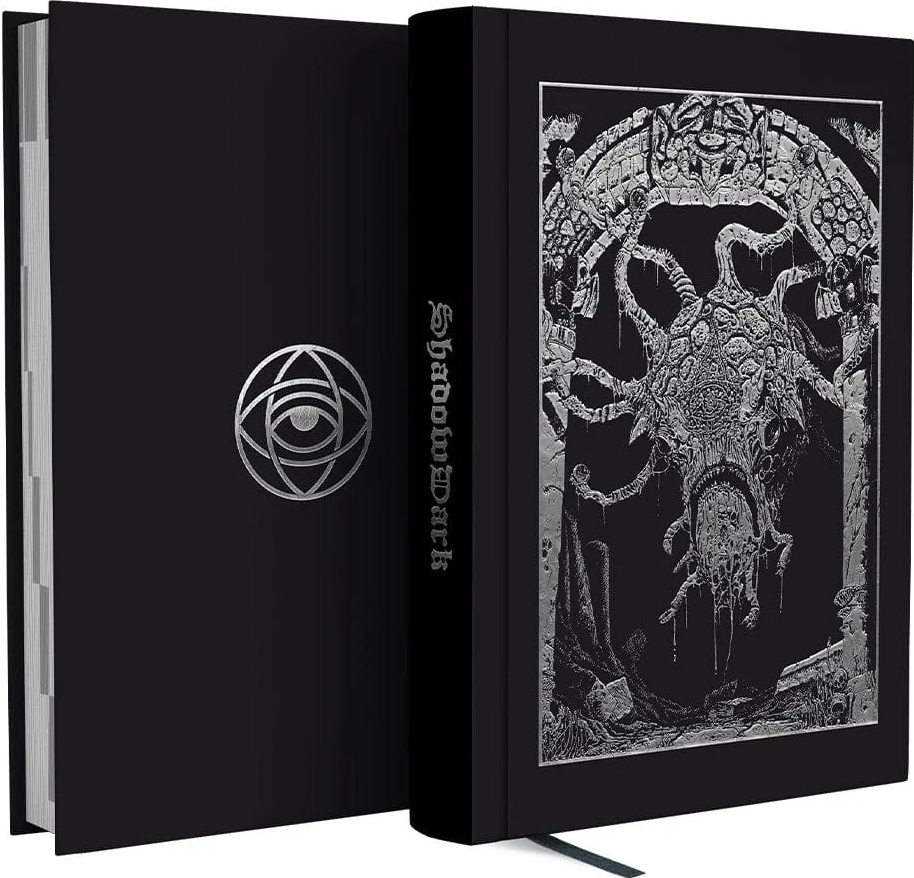
Shadowdark is the anytime dark fantasy RPG that proves lean design works: one book for players and GM that gets you from “wanna play?” to torches lit in minutes. It swept the 2024 ENnies with four Gold wins, including Best Game and Product of the Year.
The brilliance is modern ergonomics wrapped around OSR lethality: straightforward rules, torch-timed exploration, treasure-for-XP, and death lurking in every shadow. Ancestries, four core classes, spells, monsters, and GM procedures live in one complete volume, with the inside covers doubling as built-in reference screens. No bloat, no three-book treadmill. Fair caveat: it’s minimalist by design, with no full adventures in the core. The Cursed Scroll zines add prewritten content, but the book gives you everything to generate your own dungeon-crawl campaign.
Perfect for: Groups who want fast-setup, high-lethality dungeon crawling that respects your time.
Try it with: the free Shadowdark Quickstart Guide, or the more forgiving also-free Shots in the Dark.
Talislanta 4th Edition (John Harper)
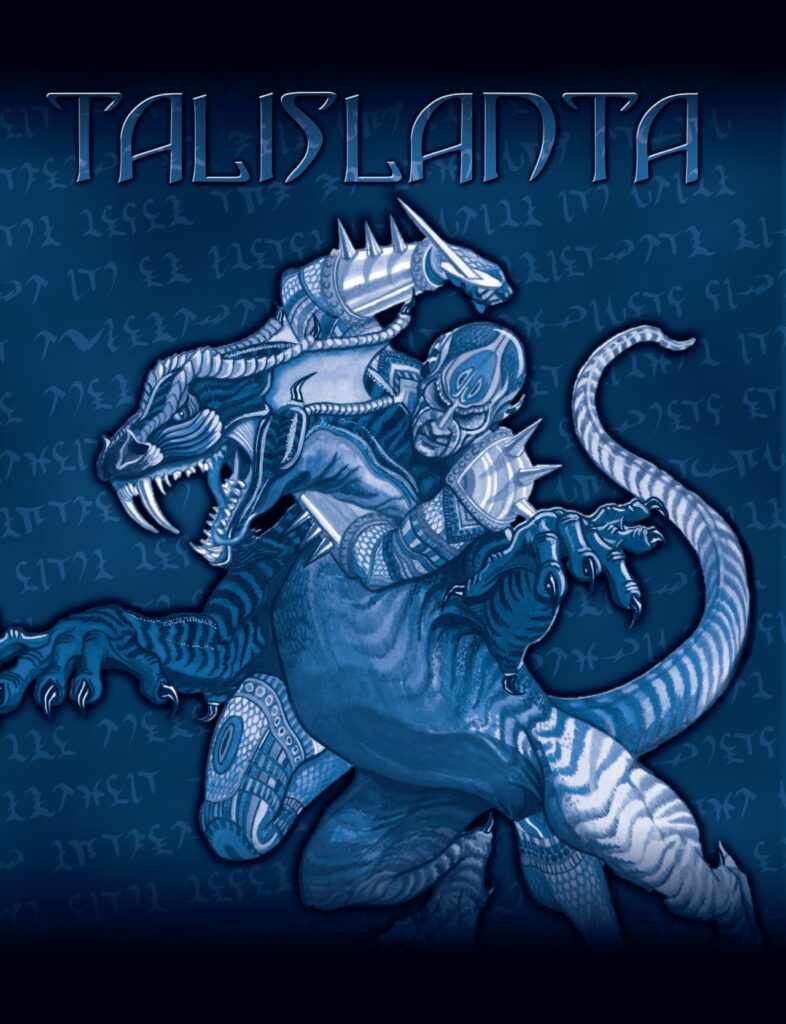
Talislanta 4th Edition is a rare fantasy RPG that refuses to be Tolkien, famously marketed as fantasy “with no elves.” It gives you a whole strange continent in one volume, with 504 pages and no scavenger hunt for extra books. It rewrites and smooths material from editions 1 through 3 into a single big tome, so long campaigns run cleanly without juggling a shelf of legacy rulebooks.
At the table, it remains mechanically lean. An easy Action Table drives combat, magic, and skills through one unified mechanic, and 120+ archetypes get players into flavorful, culture-first characters fast. It still holds up today because the official library offers free, legal PDFs, including a 58-page sampler that is newbie friendly. It’s perfect for established groups who want a zero-prep player experience in a high-flavor, weird fantasy setting that rejects standard Tolkien tropes. It’s so complete it bumped off my previous pick, Dungeon Crawl Classics (DCC).
Get it for free! head to http://talislanta.com/talislanta-library
Each of these one-book TTRPGs proves you don’t need a shelf of supplements to run great campaigns. Whether you want OSR procedures, narrative heists or gothic horror, there’s a complete system here that will last you years.
What’s your go-to one-book TTRPG? Did I miss one you swear by? Let me know in the comments.