The Best Hidden Gem PS2 games, Part 4
Part 3 New: Part 5
I set out to highlight PS2 games that were well made, creative, or important, but never got the recognition, sales, or attention they deserved. Underappreciated PS2 games Part 3 casts a wider net: more imports, late-generation releases, and cross-genre experiments that got buried.
This isn’t a typical “best of” list. Instead, it’s a shoutout to games that pushed mechanics, art direction, or storytelling in ways the market overlooked. Like before, I’m focusing on why these games mattered, why people missed them, and how you can play them now. I’ll keep updating this list as I find more hidden gems.
Finally, heads up—I’ll include links to places where you can buy the game if interested. No extra cost to you, and it helps support the site!
Tier A Continued
Viewtiful Joe (2003, Capcom)
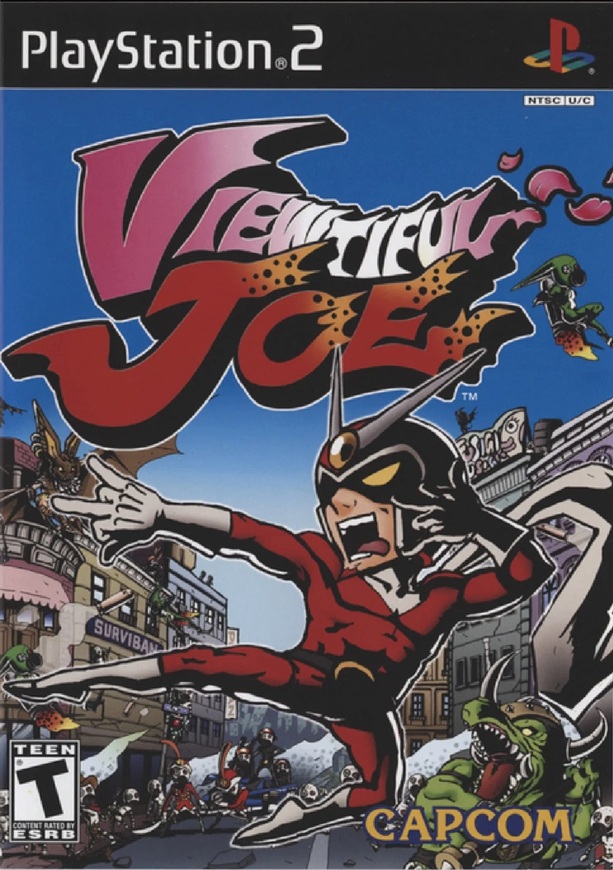
Viewtiful Joe feels like what you’d get if Capcom mixed a classic 2D beat-’em-up with a superhero movie and let you control the action. When Joe’s girlfriend is yanked into the silver screen by film monsters he leaps in after her, inheriting superhero powers from his idol, Captain Blue. Combat revolves around manipulating “VFX Powers”: slowing time to land heavy cinematic counters, accelerating into a fiery Mach Speed blitz, or zooming in for close-up finishers. The PS2 release sweetens the pot by adding Devil May Cry’s Dante as a playable character with custom dialogue and weapons.
Even though it scored around 90 on Metacritic, Viewtiful Joe didn’t sell well. At the time Capcom struggled to make any original, high-concept games profitable. Now, twenty years later and still without an HD remaster, it’s a hidden gem that’s worth revisiting for its sharp style and tough combat.
NHL Hitz Pro (2003, Midway)
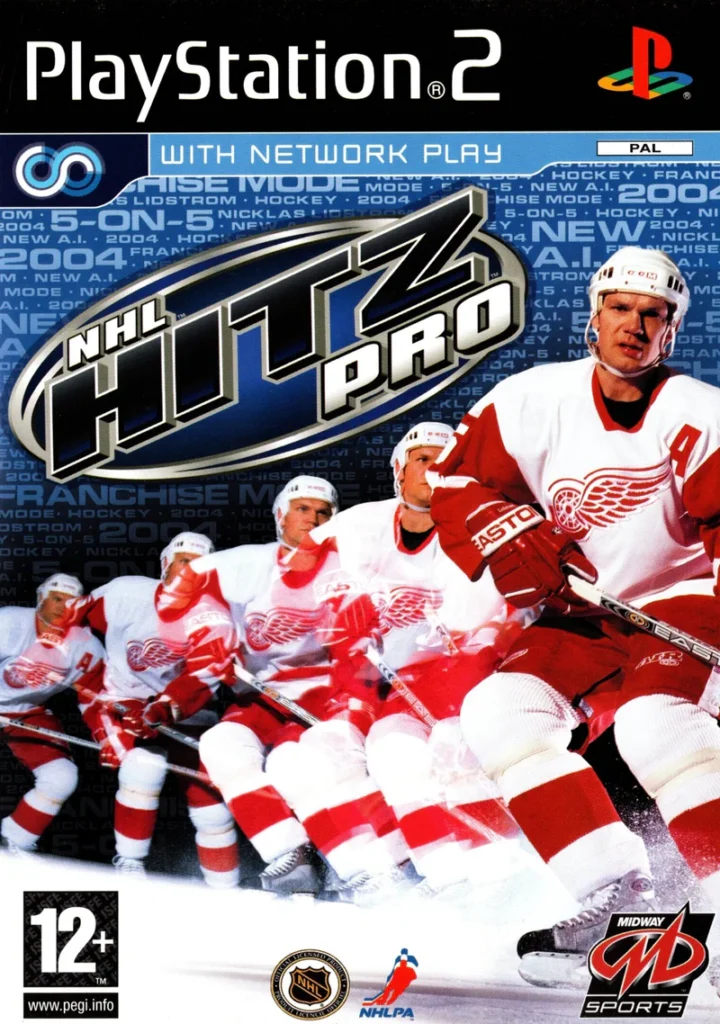
NHL Hitz Pro could be the most fascinating flop of the PS2 hockey era. After the pure arcade carnage of Hitz 2002 and 2003, Midway made a big shift to a 5-on-5 arcade-sim hybrid. In Pro real rosters, more structured play, and less absurdity took the place of the wild hits. Critics actually liked the change, giving it a solid 79 on Metacritic, but longtime fans felt let down by the new direction.
The game ended up being too much of a sim for arcade fans, but still too arcade-like for sim fans. It sold only about a third as many copies as Hitz 2002, which basically ended the franchise. Still, Pro isn’t just a failed attempt to copy Hitz 2003. With its bigger rink and 5-on-5 format, it adds more structure while keeping the physical style, making it a unique option for people who want something different from pure arcade hockey or full simulations. It is the overlooked Hitz game for players who wanted the hits to actually mean something.
NHL 2K6 (2005, Kush Games)
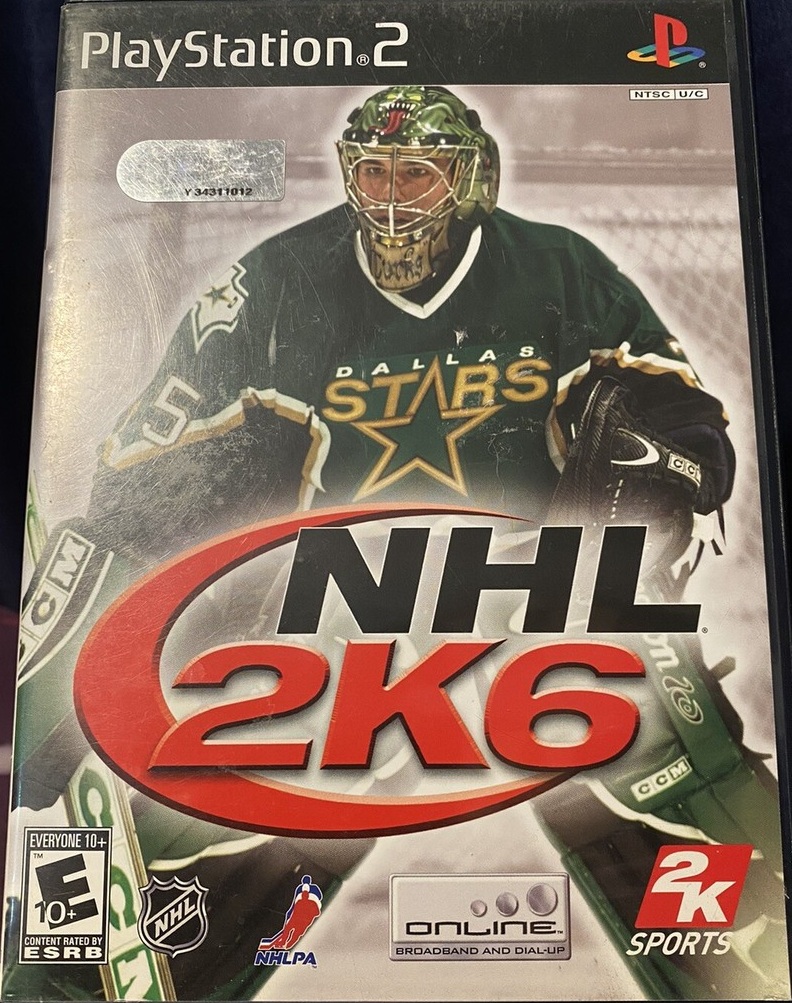
NHL 2K6 shows how timing can hurt a great game just as much as quality can help one. After the widely praised ESPN NHL 2K5, the series lost its ESPN license and 2K6 arrived just as everyone was focused on the Xbox 360 launch. As a result, the PS2 version earned a solid 81 on Metacritic, but hardly anyone noticed.
That’s a shame, because underneath the stripped-down presentation is a legitimately innovative sim. 2K6 introduced Crease Control, which let players take over the goalie in third-person to make important saves, and ProControl, an icon-passing system that made complex plays easy to pull off. And these features weren’t gimmicks either, they’re recognized as real influences on the genre. Years later 2K6 is almost forgotten, overshadowed by 2K5’s sales and the series’ later decline. It’s the mechanical peak of PS2 hockey that nobody talks about.
Rygar: The Legendary Adventure (2002, Tecmo)
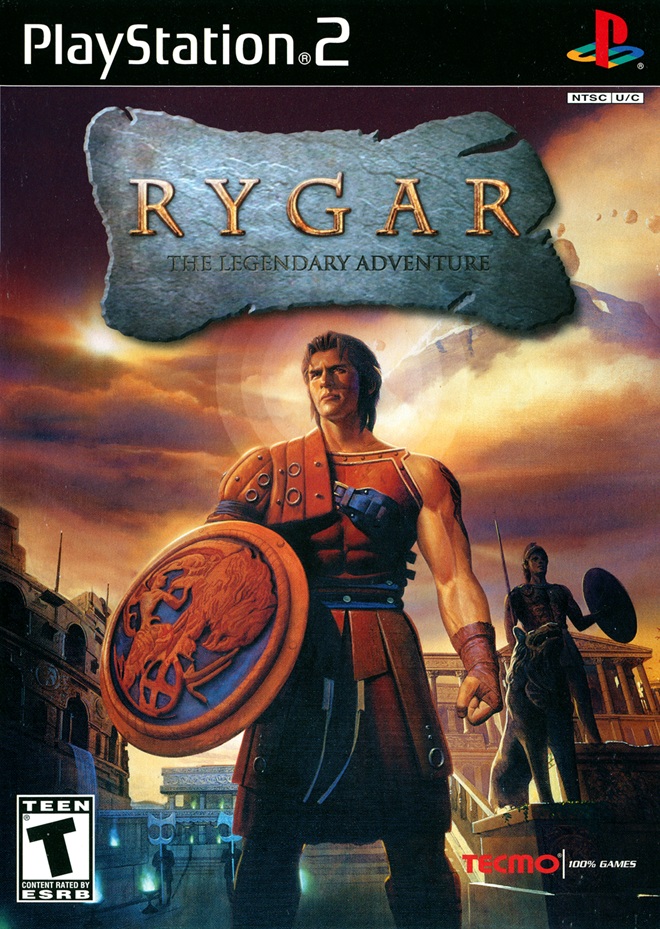
Rygar: The Legendary Adventure is an action-adventure game based off the arcade that often gets overlooked because of later hits like God of War. You play as the warrior Rygar, exploring a world inspired by Greco-Roman mythology as you try to save Princess Harmonia from the powerful Titans.
What makes this game different is its main weapon, the Diskarmor. It works as both a shield and a bladed yo-yo on a chain, letting you take on groups of enemies and swing over big gaps. The game also features an orchestral soundtrack, large environments, and dramatic camera angles that give it a exciting feel. It scored an 83 on Metacritic, and the Diskarmor predates Kratos’s Blades of Chaos by three years, but almost nobody played it. If you appreciate precise retro action and rewarding exploration, this is a great game.
Super Dragon Ball Z (2006, Arika/Crafts & Meister)
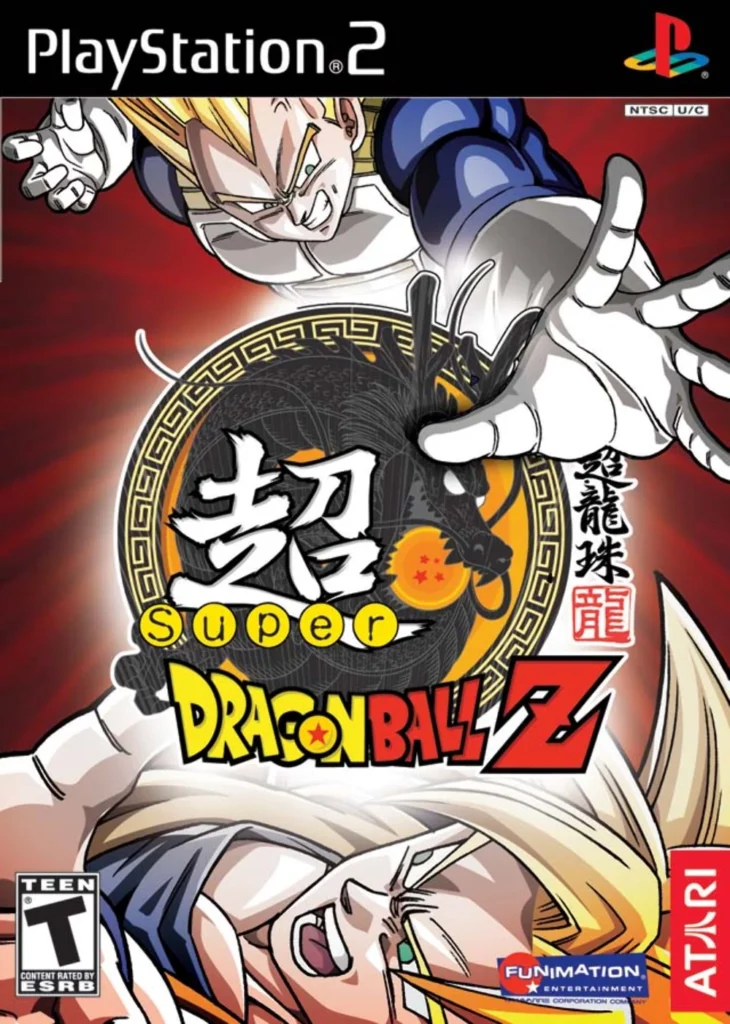
With 9 DBZ games released for the PS2 I figured there might be one that was underappreciated…turns out there’s two! Most people know the Budokai series as the top anime fighting games, but Super Dragon Ball Z is an underrated gem. Directed by Street Fighter II veteran Noritaka Funamizu, this game skips the automated arena battles and instead gives us a hardcore, arcade-engineered fighting engine.
Instead of relying on flashy moves or button-mashing, the gameplay focuses on deliberate neutral control, spacing, and classic quarter-circle command inputs. The visuals pay tribute to the original manga, using the raw line work and sound-effect text of the original manga panels. The game features intense close combat, an action gauge for aerial moves, and even an RPG-style card system for building custom move sets. For competitive fighting game purists looking for technical depth behind the iconic Z-Warriors, this hidden gem is an absolute mandatory play. It only sold 370,000 copies worldwide and has never been remastered, which is a cryin’ shame.
Dragon Ball Z: Budokai Tenkaichi 2 (2006, Spike)
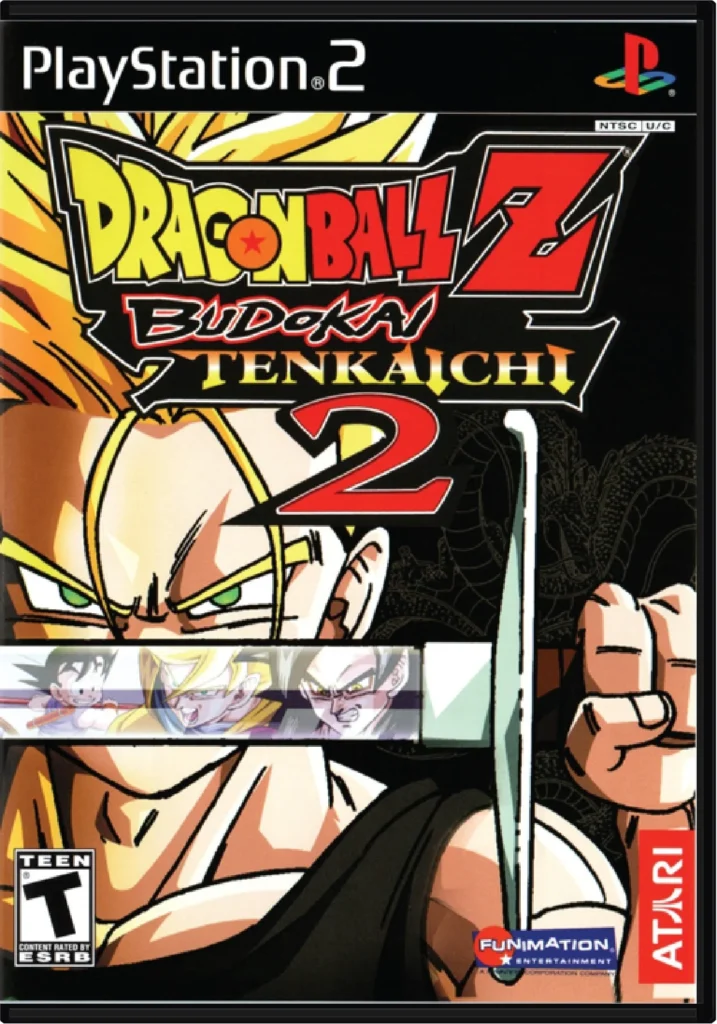
Dragon Ball Z: Budokai Tenkaichi 2 is overlooked because its sequel has a bigger roster and a stronger competitive scene. It’s too bad because BT2 stands out as the high-water mark for single-player anime games, and stays closer to the series’ epic story than BT3. It functions as a massive, over-the-shoulder 3D arena fighter where players tear through wide-open, fully destructible landscapes, chaining high-speed vanishes and planet-shattering signature blasts.
What makes it special is the Dragon Adventure mode, which offers a big RPG-style campaign with an open map, character leveling, Z-Item fusion, and the great What-If scenarios that later games removed. It trades a fraction of mechanical speed for an awesome sense of scale, pacing, and progression. If you want a really memorable campaign instead of just a big character list, BT2 is the best in the trilogy. It sold over 1 million copies but has never been remastered or released digitally.
Armored Core 2 (2000, FromSoftware)
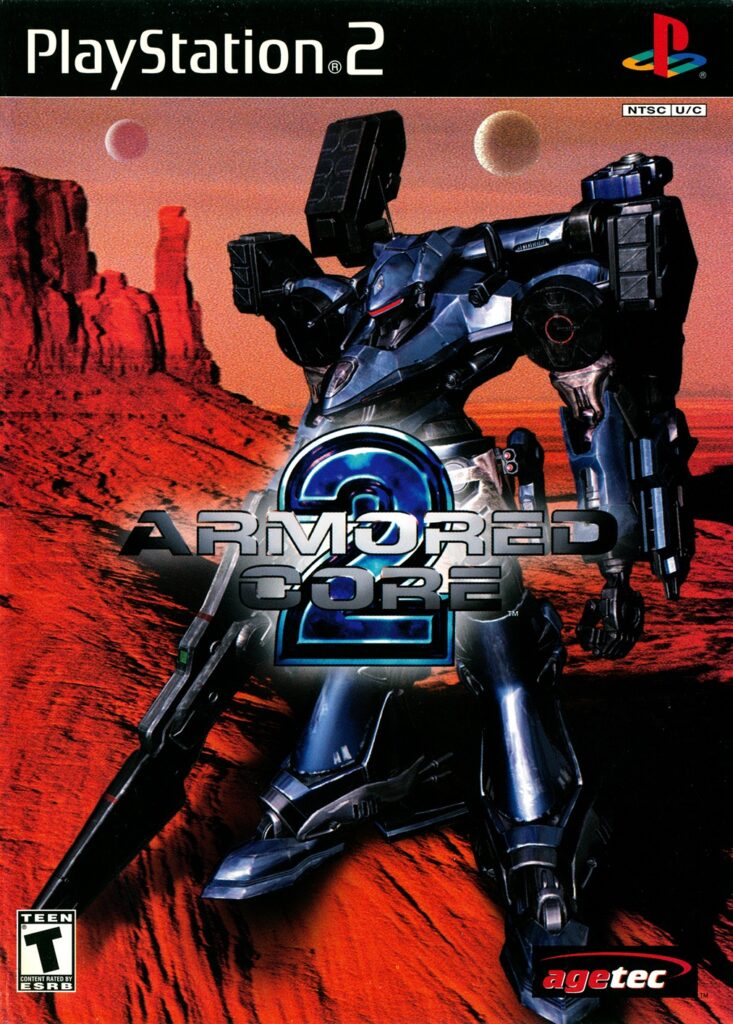
FromSoftware is best known today for Elden Ring, but some of its most interesting games come from its earlier, tougher years. Armored Core 2 is a good example. Released as a PS2 launch title, this mech sim moves the series’ mercenary battles to a terraformed Mars where you take mercenary contracts and win through careful assembly as much as combat skill.
Its appeal lies in a build-first design philosophy. With 200 customizable parts, weight, energy draw, and weapon choice are the heart of play, turning your missions into both a firefight and an engineering problem. Critics gave it a 78 on Metacritic, but it never secured the cultural footprint of FromSoftware’s later work and is stranded on the PS2 without a modern port or backward compatibility. Armored Core 2 is a hidden gem: a demanding, foundational mech game that still feels richer than its reputation.
Pitfall: The Lost Expedition (2004, Edge of Reality)
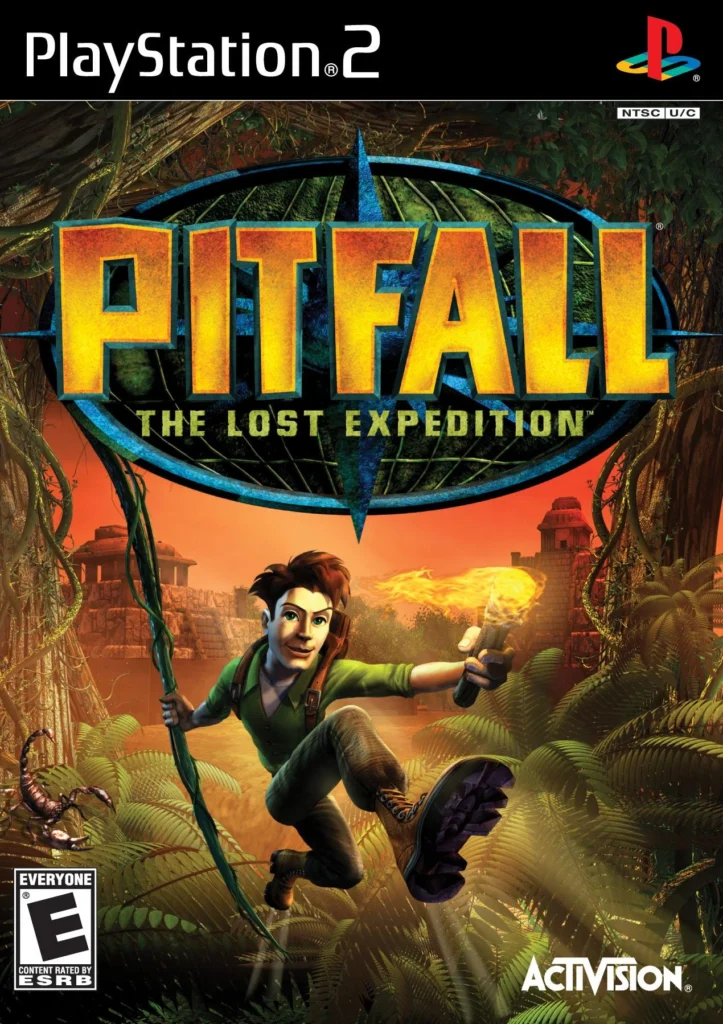
Pitfall: The Lost Expedition looks like a typical jungle mascot-platformer, but it’s actually an exploration game with Metroidvania elements. Instead of following the series’ old linear levels, you explore a huge hub world where your progress depends on the tools you find. You’re not just jumping on crocodiles; you collect gas masks to get through poisonous valleys, pickaxes to climb ice walls, and TNT to break into temple ruins. Each new item changes how you see the map you’ve already explored, so the game feels more like a modern adventure than the scripted platformers that were common in 2004.
Most players thought it was just an attempt to cash in on an old 80s arcade brand. Since it came out during the PS2’s mascot-platformer craze it was overshadowed by games like Jak and Daxter and Ratchet & Clank, so people never gave it a real chance. That’s a shame, because behind the Pitfall name is one of the most satisfying adventure games on the console. It features a physics-based movement system that feels great to use and a map that updates as you explore. It’s a top-tier hidden gem that shows the Pitfall series still had new ideas to offer.
Urban Chaos: Riot Response (2006, Rocksteady Studios)
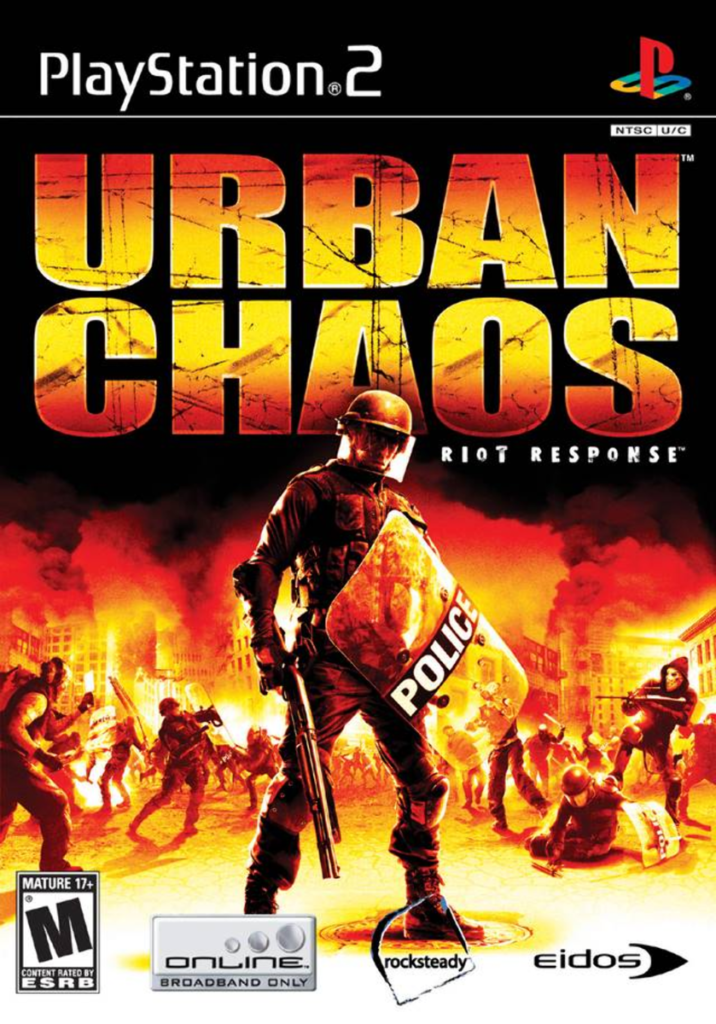
Urban Chaos: Riot Response is one of the PS2’s best shooters that not enough people played: a brutal, fast-moving first-person action game that stands out for how aggressively it pushes you forward. You play as Nick Mason, a member of the T-Zero riot squad, fighting through a city overrun by gangs. Along the way, you rescue civilians, help medics and firefighters, and clear the streets using guns, tasers, and riot gear. The game stands out for its shield-based combat, which lets you block bullets and explosives, hit enemies up close, and makes every fight feel tense and urgent instead of the usual slow-paced shooting.
What makes Urban Chaos stand out as a hidden gem is that it still feels direct and physical. The campaign is focused, the action stays wild, and the mix of arcade intensity and tactical options gives it a unique style that most shooters from that time didn’t have. Unfortunately, it came out late in the PS2’s life when few people noticed, so it never got the attention it deserved.
Drakan: The Ancients’ Gates (2002, Surreal Software)
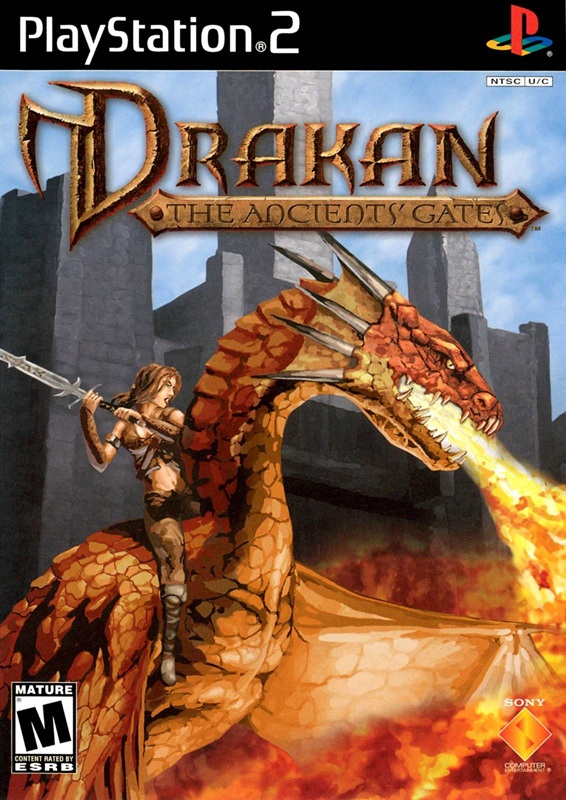
Drakan: The Ancients’ Gates is an ambitious fantasy action-adventure where you play as Rynn and her dragon partner Arokh, exploring swamps, ruins, snowy wastes, and fortress dungeons while mixing swordplay, archery, magic, and dragon flight. Its biggest strength is how naturally it shifts between on-foot adventuring and aerial combat, giving the world a scale and freedom that few fantasy games could match. It never became a major name, partly because it was a smaller release in an overcrowded era, but that only makes it feel more worth discovering now.
It isn’t polished. The game has uneven AI and some jank, but that roughness is also part of what makes Drakan memorable: it feels bold, weirdly expansive, and more imaginative than a lot of cleaner, safer games from the same generation. The good news is on emulation it’s taken care of, and if you give it a try you’ll get a rich fantasy setting, satisfying exploration, worthwhile side content, and one of the rare PS2 adventures where the dragon is the point, not just a gimmick.
Mister Mosquito (2001, Zoom)
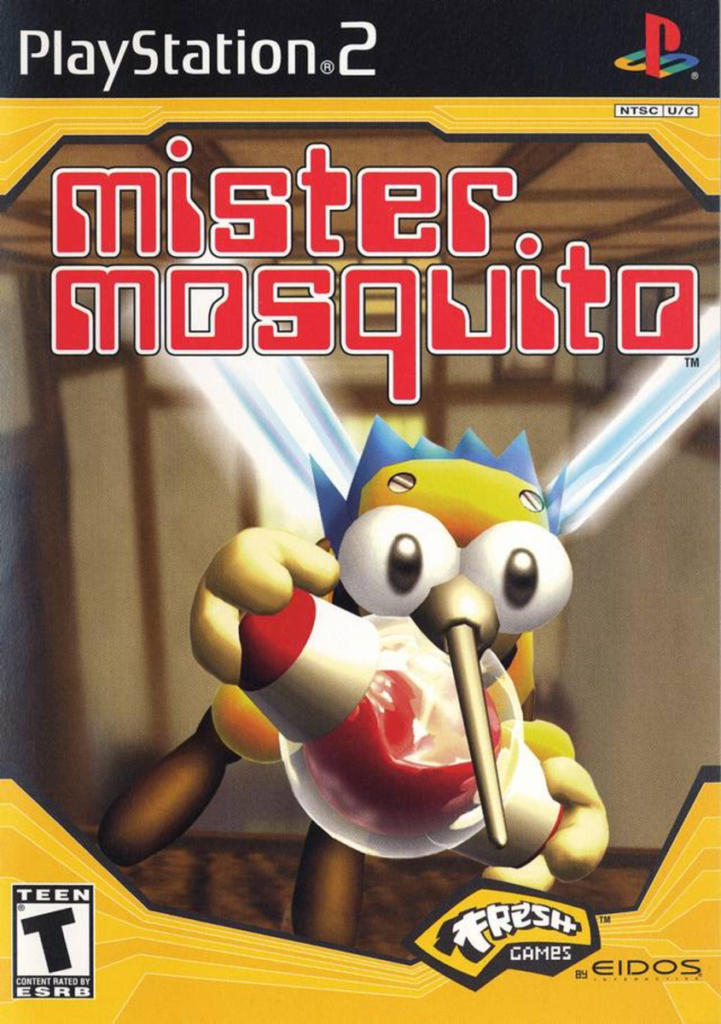
Mister Mosquito is one of the PS2’s strangest and most memorable hidden gems. In this stealth-action game you play as an actual mosquito. You are sneaking through oversized bedrooms, kitchens, and bathrooms, looking for the right moment to land, drink blood, and get away before someone swats you. The game stands out because its weird concept isn’t just for show. Everything is designed around moving like an insect, exploring the environment, managing tension, and using a unique blood-draining mechanic that still feels different from anything else on the system.
MM was never a big hit and reviews were always mixed, mostly because the game is so unusual and the idea is so original and strange. But that’s what makes it memorable now! It feels like a real PS2-era risk: creative, playful, and not worried about following trends. If you like quirky games with real personality, it’s easy to see why this one is still considered a hidden gem.
Genji: Dawn of the Samurai (2005, Game Republic)
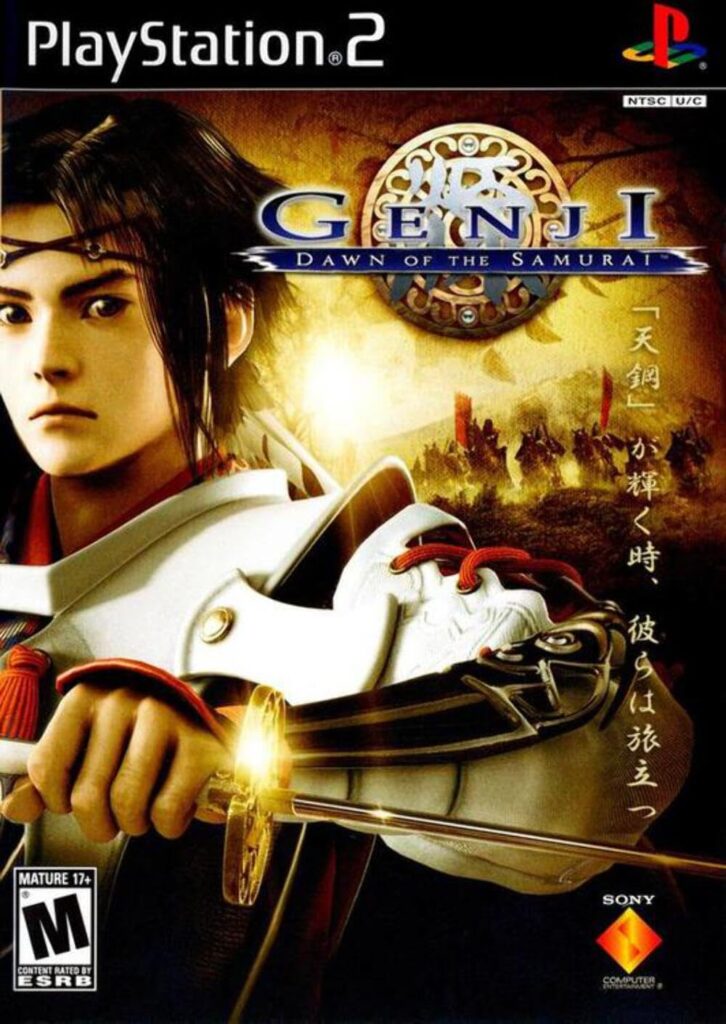
Genji: Dawn of the Samurai is one of those overlooked PS2 action games that’s easy to undersell if you only talk about it in terms of what it is not. It is not as deep as the system’s best combat-heavy action games, but that is also not really where its appeal lives. You play as Minamoto Yoshitsune in a stylized retelling of Japanese history and legend, cutting through soldiers, rival warriors, and supernatural enemies in a game that values momentum, clarity, and atmosphere more than mechanical complexity. The combat is straightforward but enjoyable, and the samurai-myth presentation gives the whole thing a strong identity.
That is why it works as a hidden gem. Genji is focused, accessible, and easy to revisit, with enough style and mood to carry you through its simpler combat design. If you go in expecting a polished, mid-tier samurai action game rather than a top-shelf masterpiece, it becomes much easier to appreciate why so many PS2 fans still remember it with nostalgia.
Arcana Heart (2008, Examu)
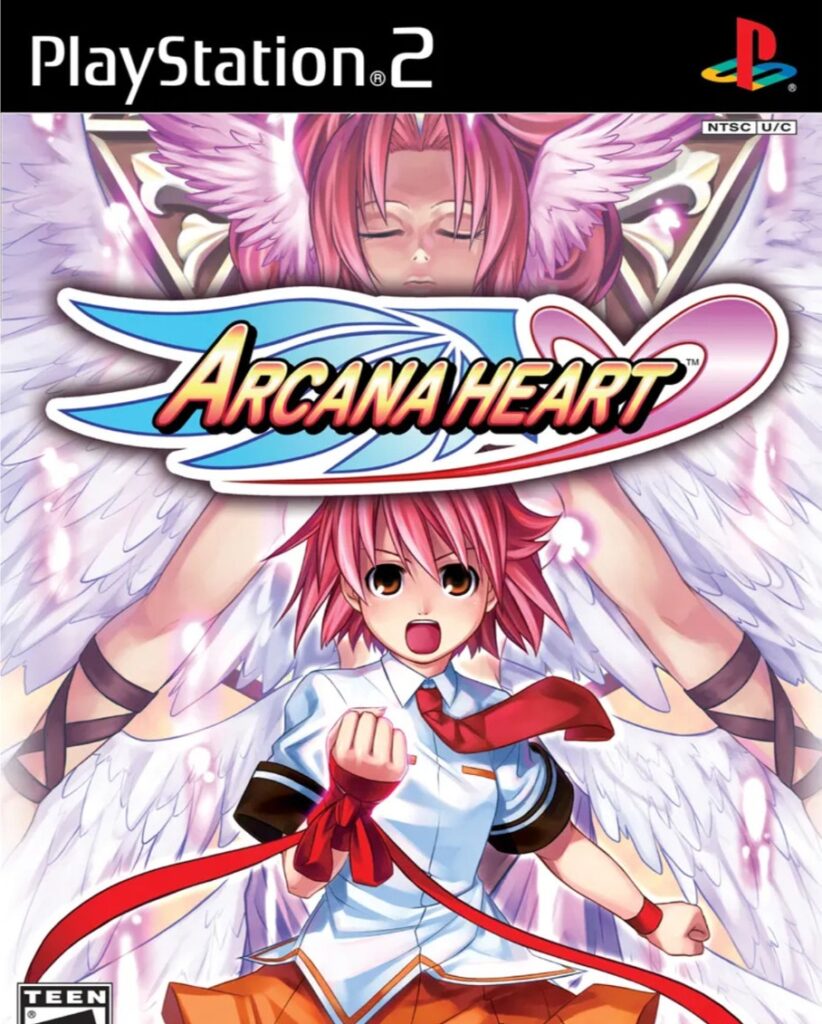
One of the only genres not appearing on this list is fighting games, but I found one! Arcana Heart feels like somebody took the anime fighter rulebook, drew hearts all over it, and then slipped in one of the nastiest movement systems on the PS2. It’s a 2D fighter built by the team at Examu (formerly Yuki Enterprise), the guys behind Samurai Shodown V. The plot follows magical girls stopping a dimensional rift, but the real game is the homing button and the Arcana system, which lets you reskin any character’s moveset with an elemental spirit, mutating matchups at the selection screen.
That density is why its reputation feels so lopsided. Most people filed it away as “the one with the all-girl cast” and missed how good the system design actually is, while a late-era PS2 niche release kept it out of the default fighter conversation. If you like fighters built around mobility, expression, and route discovery, Arcana Heart still gives something modern games have engineered away.
Pirates: The Legend of Black Kat (2002, Westwood Studios)
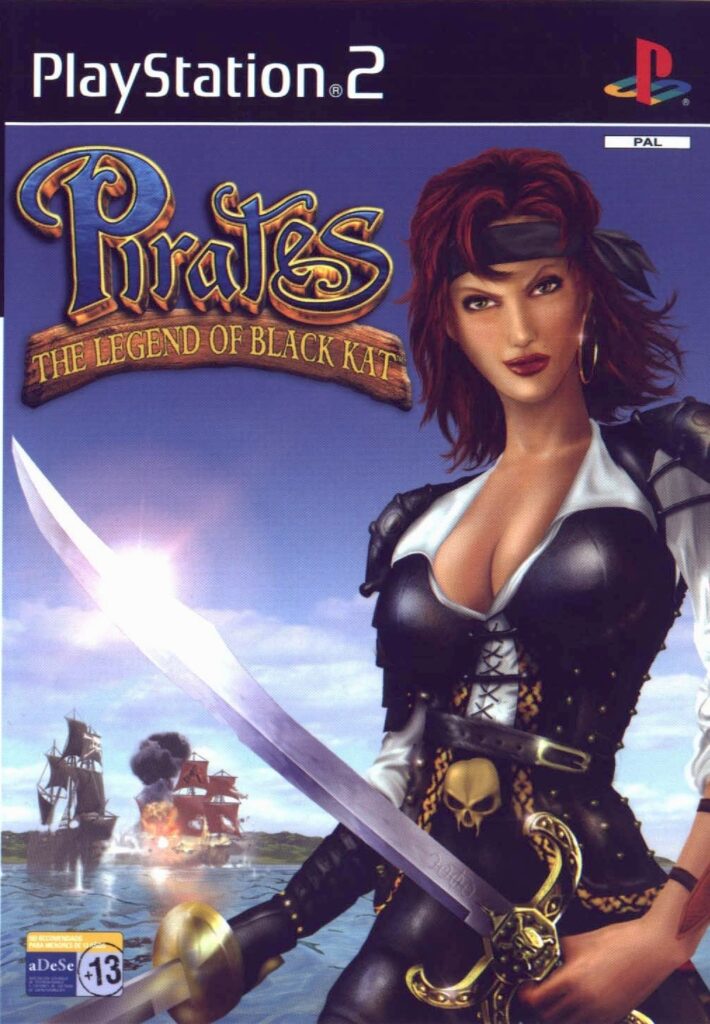
Pirates: The Legend of Black Kat is a scrappy little PS2 adventure that understood one thing most pirate games still fumble: sailing has to feel like play, not transit. As Katarina de Leon, a pirate on a revenge quest against the villainous Captain Hawk, you’re bouncing between island chains, digging up treasure, upgrading ships and dueling on foot. The naval fights are the real star, asking for positioning, timing, and target choice instead of just broadside spam, especially once you start using voodoo magic to hurl flaming skulls at enemy galleons. It’s a little rough around the edges, but that roughness is attached to a real sense of swashbuckling momentum, the kind of game where the next map fragment or strange island biome keeps tugging you forward.
The reason it disappeared is pretty simple: bad timing. It was a great pirate game that released in early 2002, just missing the massive Pirates of the Caribbean pop-culture boom. It never got the remake, remaster, or digital second life that would have let later players find it, leaving its modern footprint as basically old discs, emulation, and the occasional retro review. If you can tolerate some early-PS2 stiffness and the occasional giant crab fight, Black Kat is still a fun pirate game with real sea legs, and that’s exactly why its obscurity feels unfair.
Urban Reign (2005, Namco)
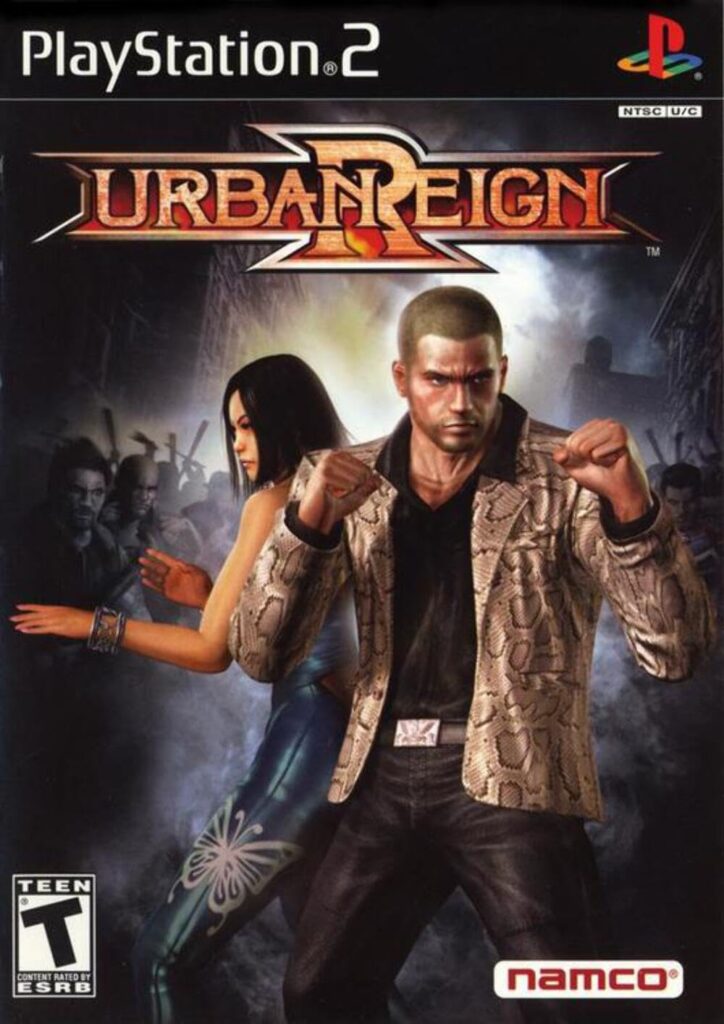
Urban Reign is essentially what happens when the Tekken and SoulCalibur teams take their game to the streets. The plot is simple, you play Brad Hawk, a hired enforcer pulled into a gang war. On the surface it looks like a standard gang-war beat-’em-up, but underneath it’s a technical 3D fighter disguised as a brawler. It trades mindless mashing for a crunchy suite of high and low grapples, positional damage, and a counter system that requires good timing to succeed. It’s the only game on the console that successfully grafted a high-speed, 1v1 fighting engine onto a 1v4 street brawler.
What buried it at launch was a difficulty curve that felt less like a slope and more like a wall. Critics were put off by the repetitive mission structure and the sheer brutality of the AI, but for players who enjoy a systems-heavy combat sandbox it’s a goldmine. It rewards you for paying attention to spacing and matchups in a way that most brawlers just don’t. It never got a sequel or a port, leaving it trapped on original hardware, but it stands as one of the few games in the genre that demands you learn its language instead of just hitting buttons.