
The Best Wii Games of All Time – Console Exclusives
Essential Wii Games Best WiiWare Games
The Wii library is packed with one-of-a-kind experiences built around motion controls and local multiplayer, so this part of the series turns to the standout games you could only play on Nintendo’s little white box. The Wii ended up with a big library and a surprisingly large number of system-only titles, so this list zeroes in on the ones that still feel great to play today. This post is on the best Wii exclusive games in particular.
Unlike other lists, this guide tells you which games to skip because better versions exist elsewhere.
The focus is on the best games released for the console that still hold up well today. If a newer version of a game is clearly better than the Wii release, I leave out the original and mention the improved version at the end, so you can enjoy the best experience today.
To make my list a game needs to demonstrate at least two of the following: genre-defining innovation, outstanding technical excellence, enduring cultural impact, or universal acclaim.
Finally, heads up—I earn a small commission if you buy anything through my links. I only link to games I genuinely recommend. If a remaster or remake is better I tell you, even if it means losing a game sale. Let’s explore the best console-exclusive games:
2006
The Legend of Zelda: Twilight Princess (Nintendo)
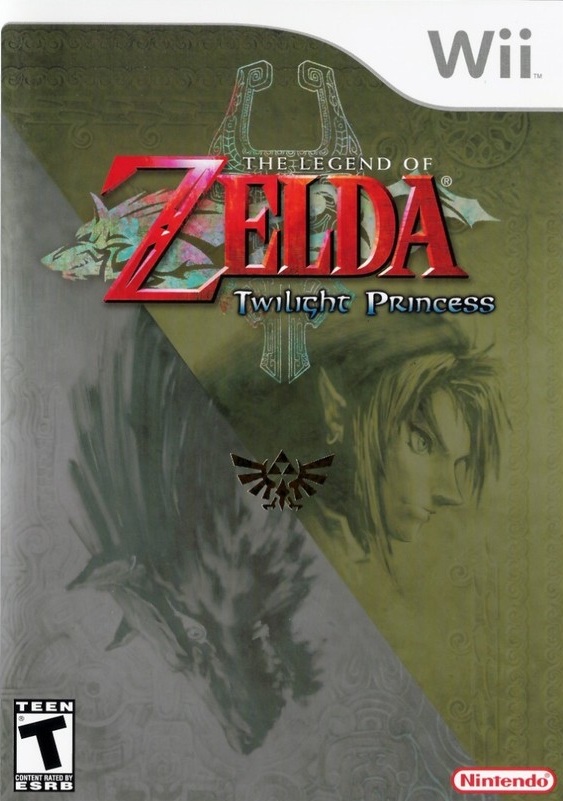
The Legend of Zelda: Twilight Princess on Wii is the series’ darkest, most cinematic adventure, a 50+ hour epic that launched Nintendo’s motion console with a mature tone Zelda had never attempted. You start as ranch-hand Link in quiet Ordon Village before a Twilight curse transforms you into a wolf. Forced into an uneasy alliance with the impish Midna, you fight to free Hyrule from the usurper, Zant, and ultimately face Ganondorf.
The Wii version mirrors the entire world, so right-handed players swing the Remote like a sword, while IR pointer aiming makes the bow and clawshot feel as quick as a light gun. Widescreen support, Remote speaker cues, and responsive motion for sword slashes and fishing make it the best way to experience Twilight Princess’s massive dungeons and horseback battles.
Wii Sports (Nintendo)
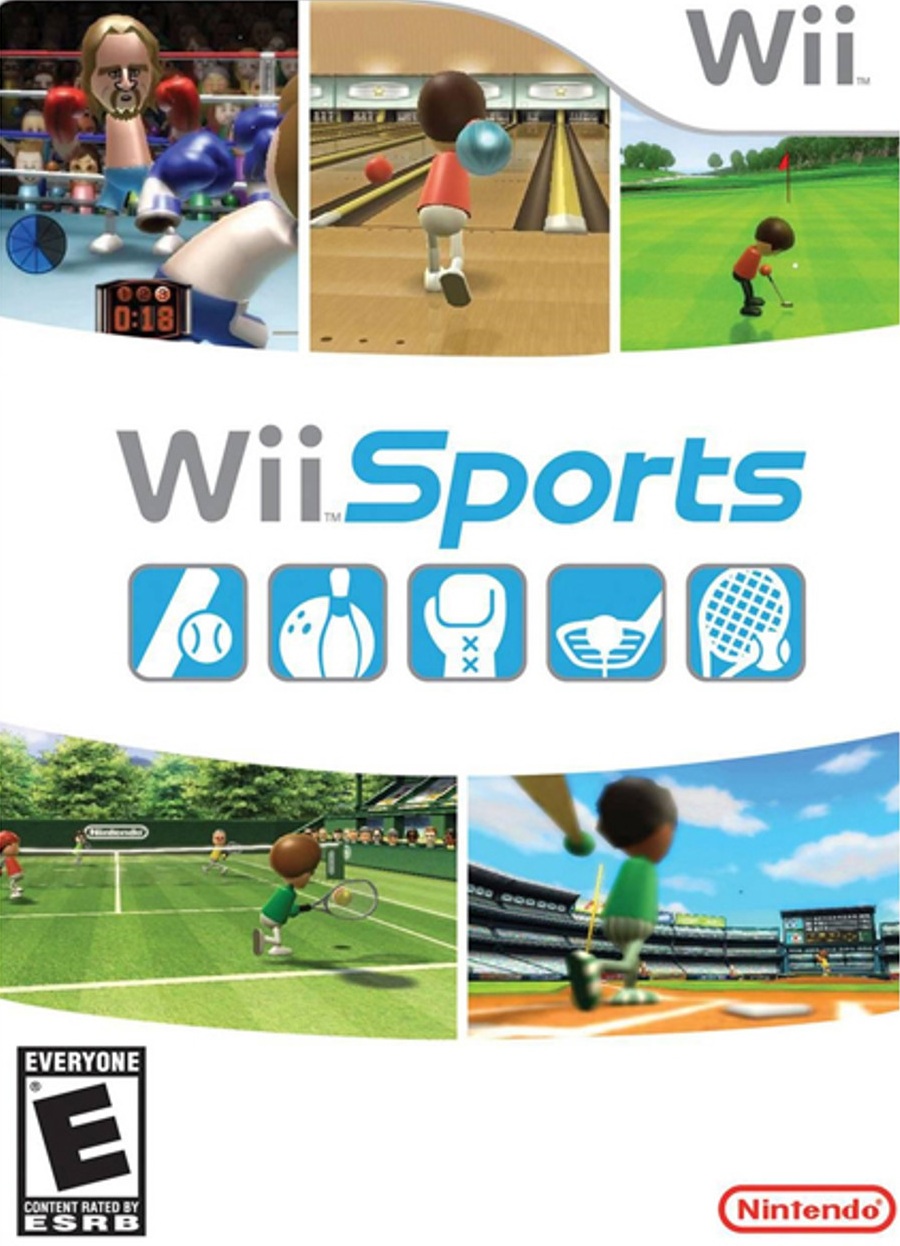
Wii Sports is the game that sold the console, a revolutionary pack-in that turned grandparents, kids, and skeptics into believers by making motion controls feel effortless and fun. You swing the Remote like a tennis racket, roll it like a bowling ball, and punch with it in boxing across five sports—tennis, bowling, baseball, golf, and boxing—all controlled by your actual movements.
Bowling became the instant standout for its spin control and reliability, but the real magic was watching non-gamers immediately understand what to do without a tutorial. It sparked a cultural phenomenon, packed nursing homes and living rooms with players who’d never touched a controller, and forced Sony and Microsoft to chase motion controls of their own. One of the best-selling games ever made, it proved gaming could be communal, accessible, and mainstream.
2007
Metroid Prime 3: Corruption (Retro Studios)
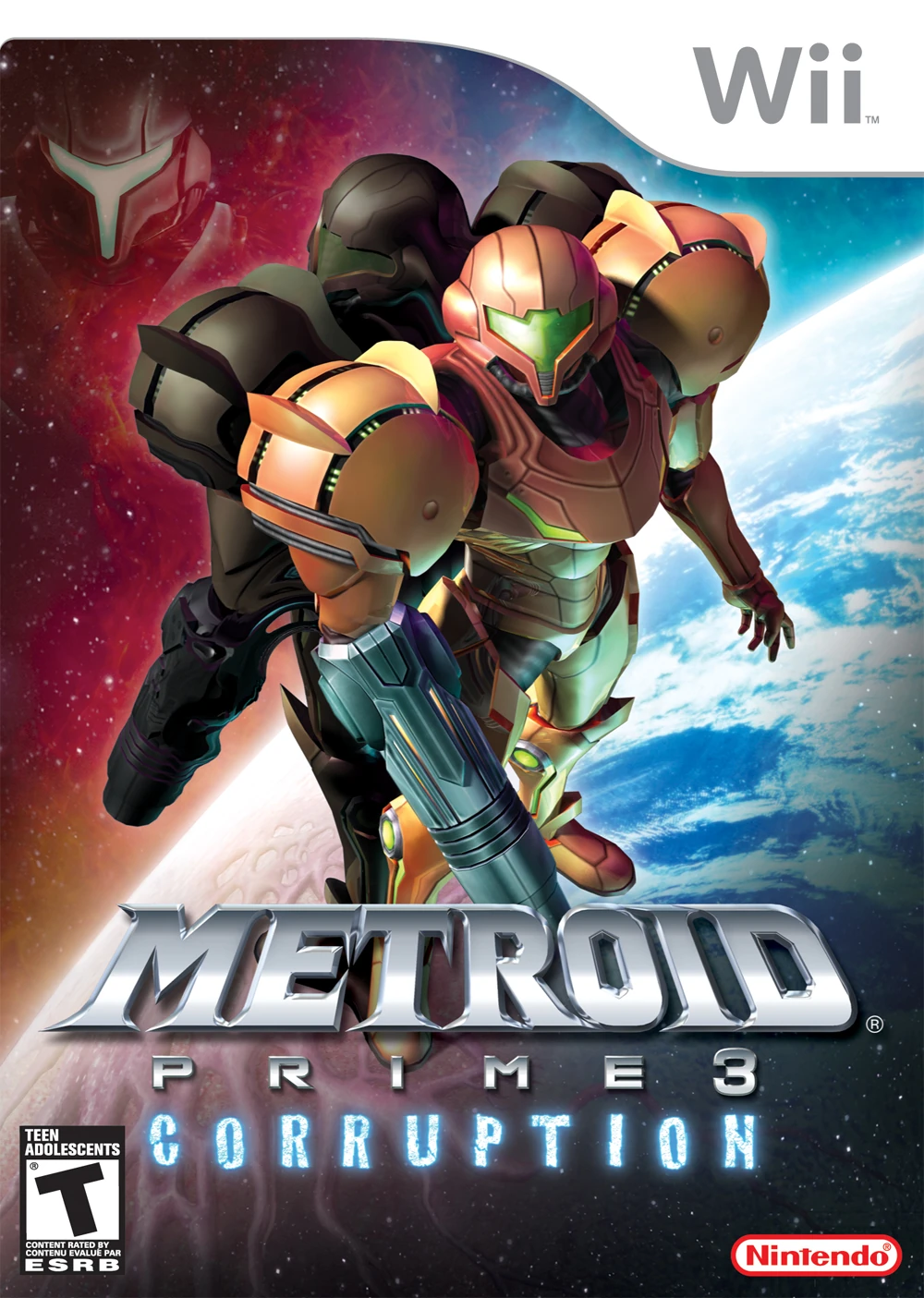
Metroid Prime 3: Corruption on Wii is the console’s flagship first-person adventure, a stunning 60fps technical showcase that earned a 95 Metacritic and was widely called the best-looking game on the system. Samus gets infected with Phazon by Dark Samus and must hunt corrupted worlds across the galaxy before the infection takes over. The journey spans Federation warships, alien jungles and the Pirate homeworld, culminating in the destruction of Phaaze to end the Phazon threat forever.
The Wii Remote’s pointer gives mouse-like aiming precision while the Nunchuk handles movement, making it feel more responsive than other dual-stick shooters. Motion controls stay practical—Grapple Lasso tugs, switch-pulling—never intrusive. Critics called it the gold standard for Wii shooters, pairing top-tier visuals with the most intuitive FPS controls on the platform.
Super Mario Galaxy (Nintendo Tokyo)
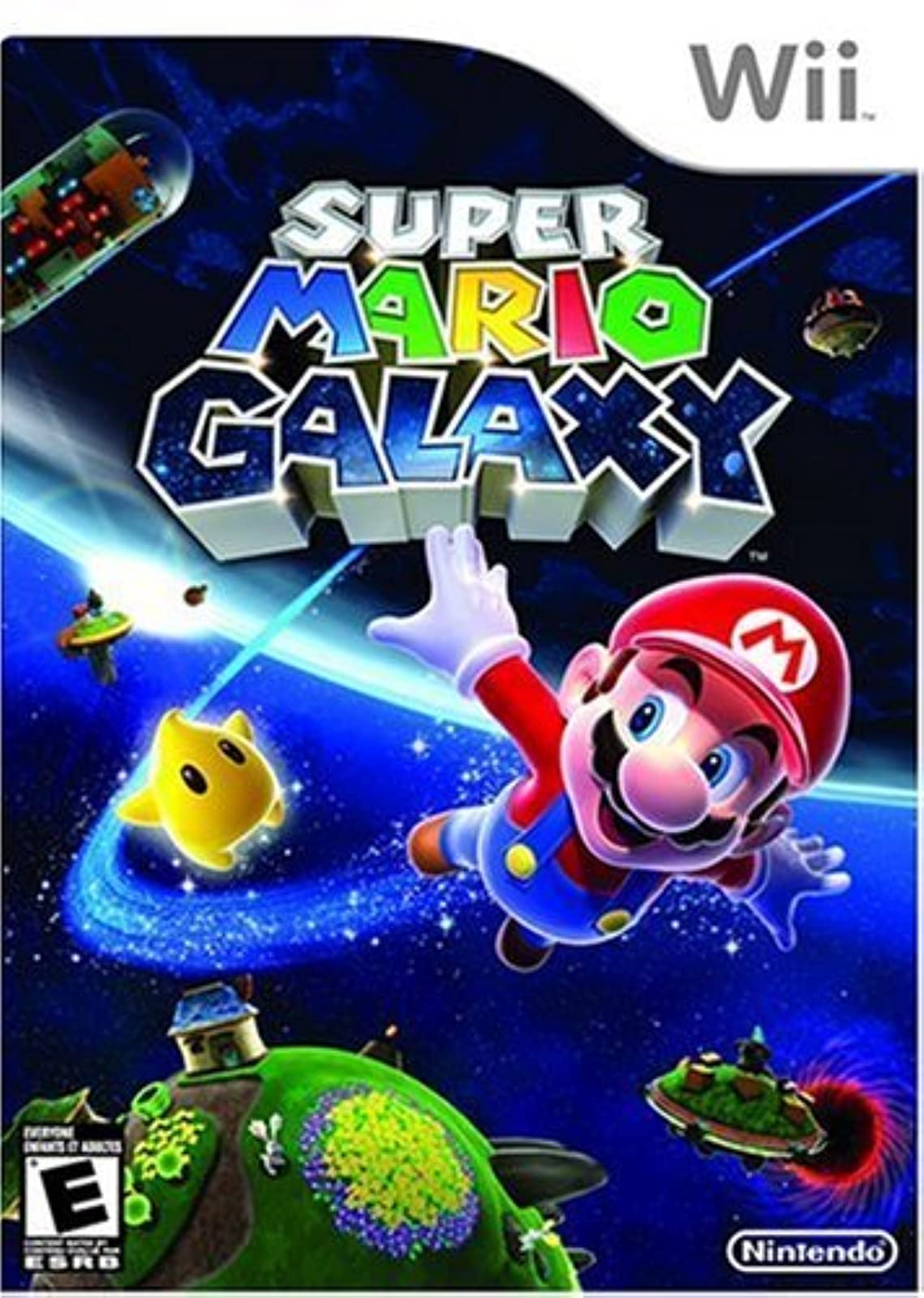
Super Mario Galaxy is 3D platforming’s cosmic turning point, the game that proved Nintendo’s little white box could deliver another Mario 64‑level reinvention. You launch from a hub observatory onto miniature planetoids, each with its own gravity well that lets Mario run upside‑down, orbit spheres, and slingshot between debris to rescue Princess Peach from Bowser’s galactic fortress.
Galaxy marries this radial‑gravity playground with Wii’s smartest motion design: the Remote’s pointer hoovers Star Bits, latches you to Pull Stars, and a quick shake triggers the spin attack without muddying classic jump control. It runs at a rock‑solid framerate with art so strong that critics compared it to Xbox 360 games, and its 97 Metacritic, BAFTA win cement it as one of the greatest platformers of its generation.
WarioWare: Smooth Moves (Nintendo, Intelligent Systems)
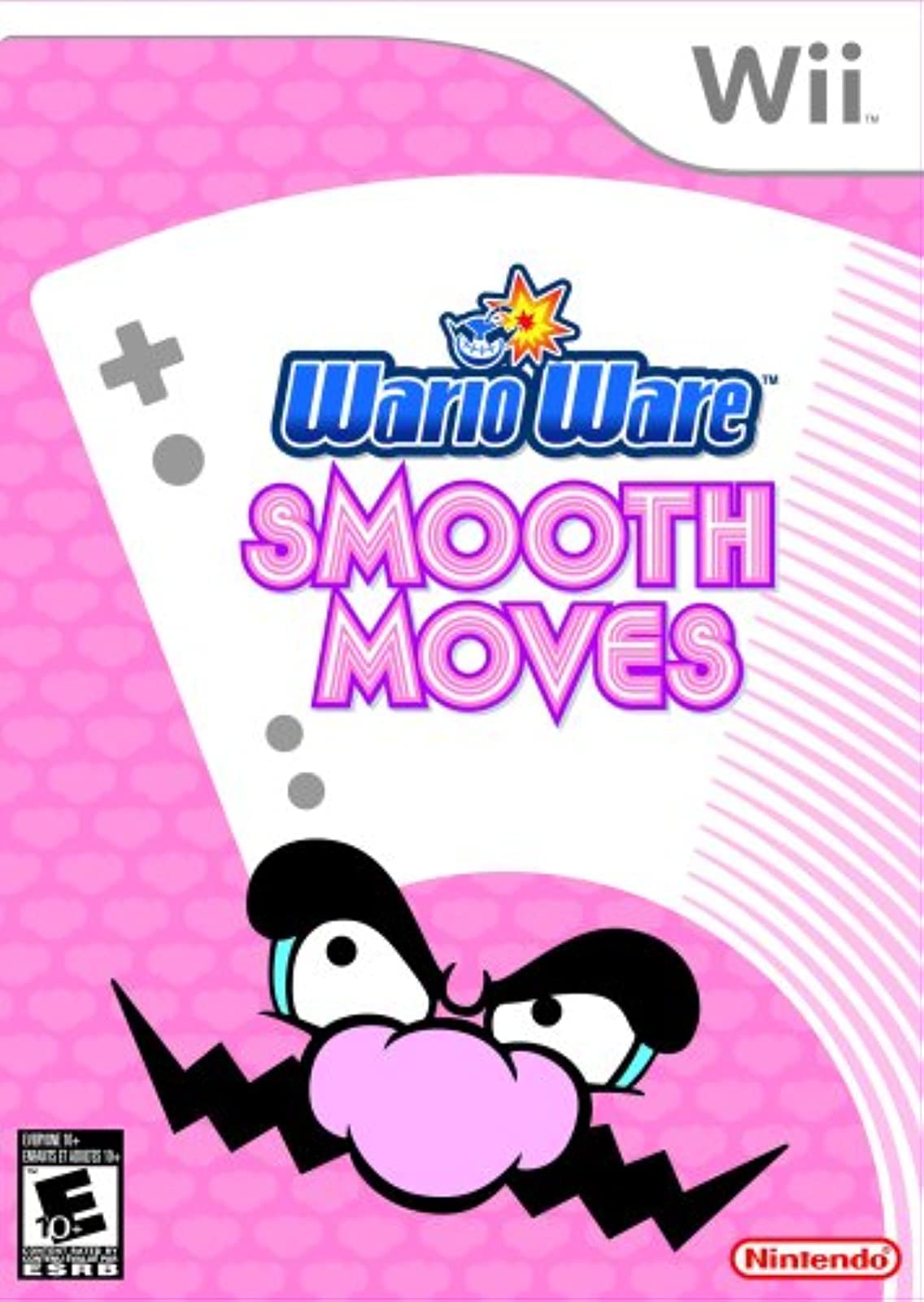
WarioWare: Smooth Moves is the console’s most unhinged showcase for motion controls, turning the Remote into everything from a samurai sword to a giant nose across hundreds of one‑second microchallenges. You play as Wario and an expanding cast of weirdos sprinting through rapid‑fire microgames, each introduced by a goofy “Form” pose that tells you how to hold the controller before the next joke hits.
It’s less about high scores than about laughing at the chaos: one moment you’re balancing a broom, the next you’re doing mock yoga or flicking objects off the screen. The Remote’s responsiveness and the sheer variety of Forms make it the Wii’s best minigame collection and a must‑own party game, with awards praising how naturally it sold the entire idea of motion‑controlled play.
2008
Boom Blox (EA Los Angeles)
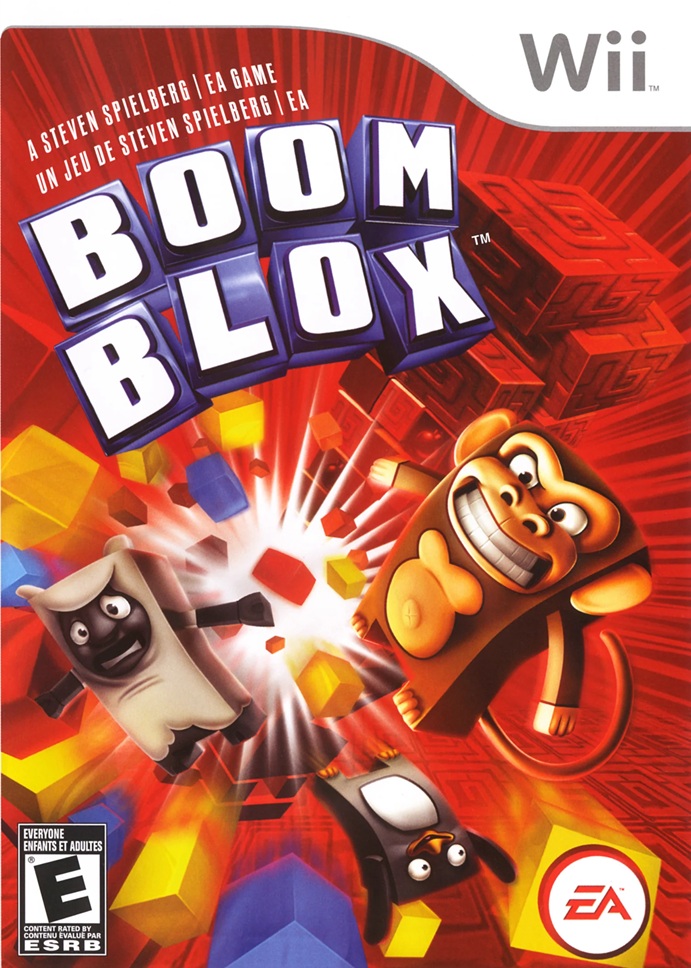
Boom Blox is the Wii’s physics-puzzle king: a Spielberg-backed sandbox of throwing, pulling, and toppling that turns the Remote into a slingshot and your living room into a demolition lab. The hook is simple and brilliant—aim, cock back, and release—but it has depth runs deep across 300+ solo stages, dozens of co-op/versus puzzles, and a full Create mode to build and share your own contraptions. It’s a party monster and a design clinic in one.
Critics lined up the trophies: Spike TV’s Best Wii Game, IGN’s Best Family Game for Wii, BAFTA’s Best Casual Game, plus nominations for Innovation, Best Puzzle, Best Local Multiplayer, and Best Use of the Wii Remote. More importantly, the motion reads true—multiple outlets said the Remote’s throw and pull feel precise and natural, making this a rare “designed for Wii” masterclass rather than a waggle port. Years later, it still shows up on best‑of lists and fresh retrospectives for being fast, social, and endlessly replayable.
2009
Metroid Prime Trilogy (Retro Studios)
I normally don’t cover compilations, but I am making an exception here. The Metroid Prime Trilogy is one of the system’s essential first-person adventures, the definitive way to play Samus Aran’s entire Prime saga on a single disc. You get Metroid Prime, Echoes, and Corruption rebuilt around Wii controls and widescreen, turning the GameCube’s “tank” setup into precise pointer aiming that feels natural for exploring alien ruins and scanning ancient lore.
Prime 1 and 2 gain 16:9 presentation, cleaner progressive-scan output, and performance tweaks that make them feel smoother and sharper than their originals, while Corruption’s motion blueprint now unifies the whole set. Critics called it one of the greatest video game sets money can buy, and the 2009 awards celebrated its visuals and control design as the best way to experience Metroid Prime.
Punch-Out!! (Next Level Games)
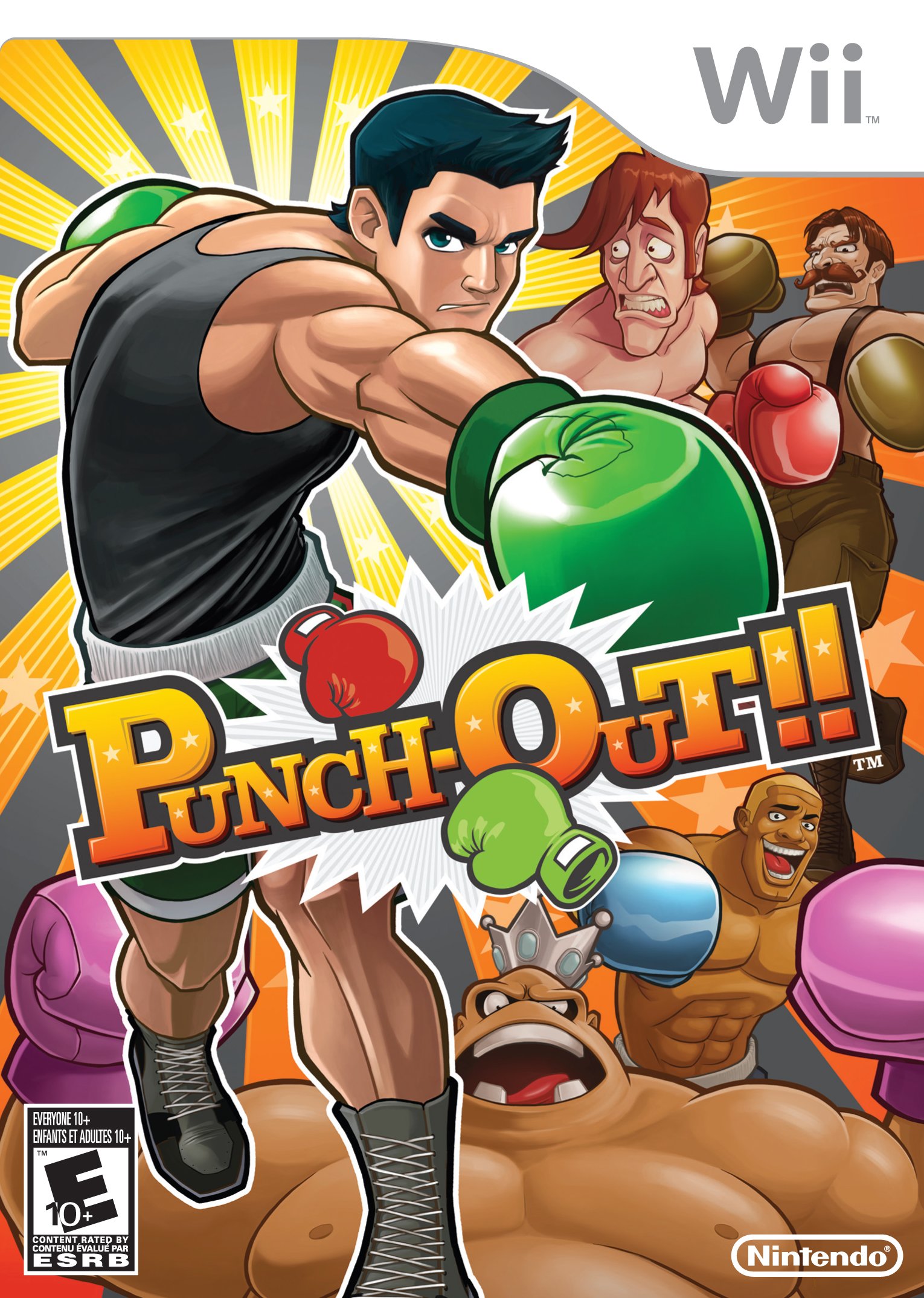
Punch-Out!! is one of the Wii’s sharpest single-player challenges, a throwback to Mike Tyson on the NES, where boxing is really about reading tells and punishing patterns, not trading stats. You step back into Little Mac’s gloves with Doc Louis in your corner, climbing through Minor, Major, and World circuits. Returning favorites like King Hippo and new faces like Disco Kid turn each bout into a fun timing puzzle.
The brilliance is how simple inputs support brutal depth: dodges, ducks, and star punches work best with NES-style sideways Remote, while optional motion and Balance Board play are fun extras rather than requirements. It still shows up on “Best Wii Games” and “Best Nintendo Games” lists, and modern no-damage and no-dodge runs underline how its rock-solid animation tells and tight windows remain endlessly watchable and replayable today.
Wii Sports Resort (Nintendo)
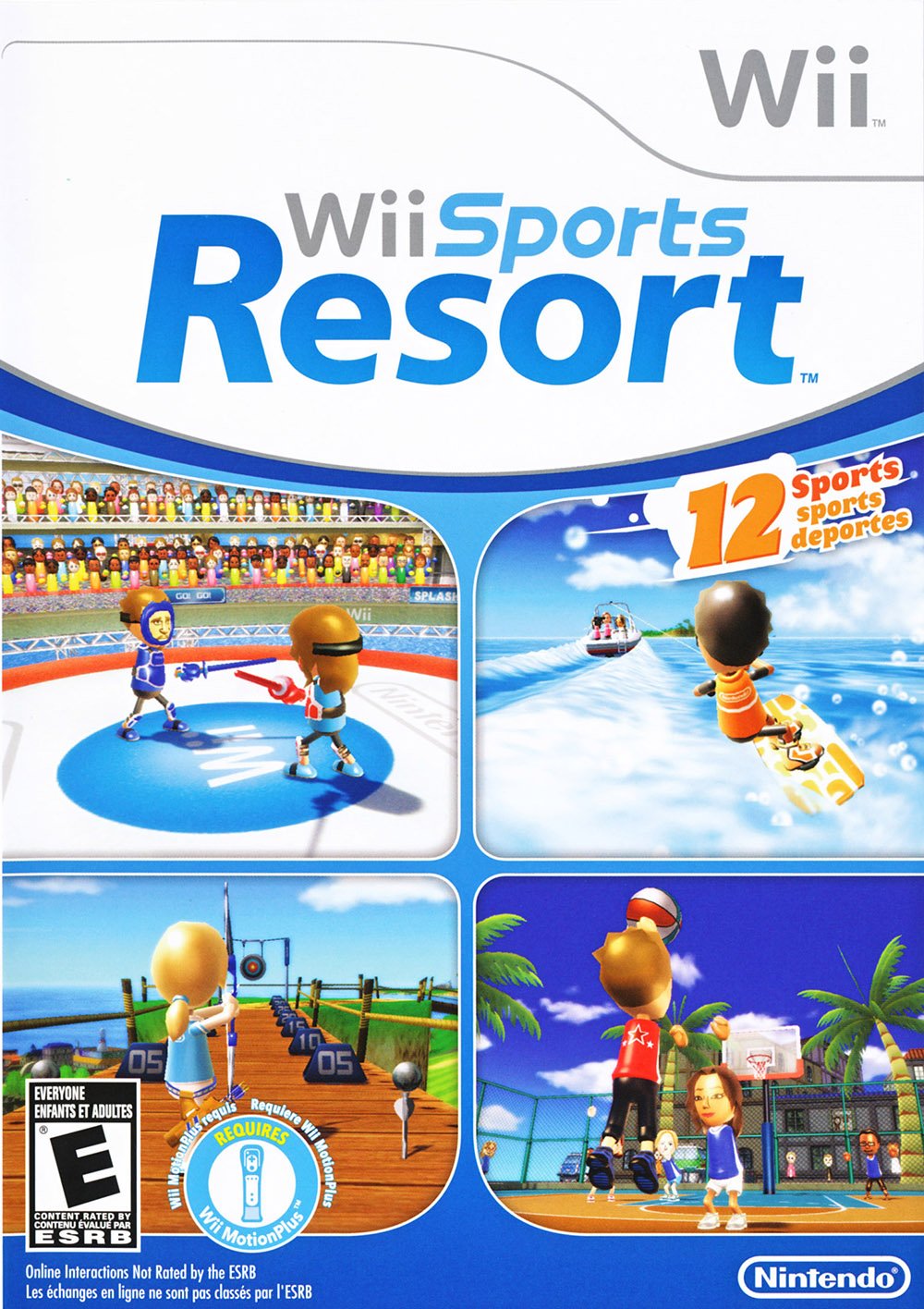
Wii Sports Resortis one of the console’s essential party games, the moment MotionPlus finally delivered on Nintendo’s promise of “your movements, 1:1, on screen.” You and your Miis are dropped onto Wuhu Island and handed twelve sports that turn the original Wii Sports concept into a full vacation of pick-up-and-play activities.
The game is exceptional in how precise and physical it feels: sword duels, archery, and bowling all reward real technique; it’s a terrific evolution in gaming for the Wii. Critics and fans still call it the high-water mark for Wii motion controls and “maybe the best game on the Wii.” Modern rankings and pick-up-and-play sessions prove its sports mix is as fun today as it was in 2009.
2010 – A Year of Sequels
Donkey Kong Country Returns (Retro Studios)
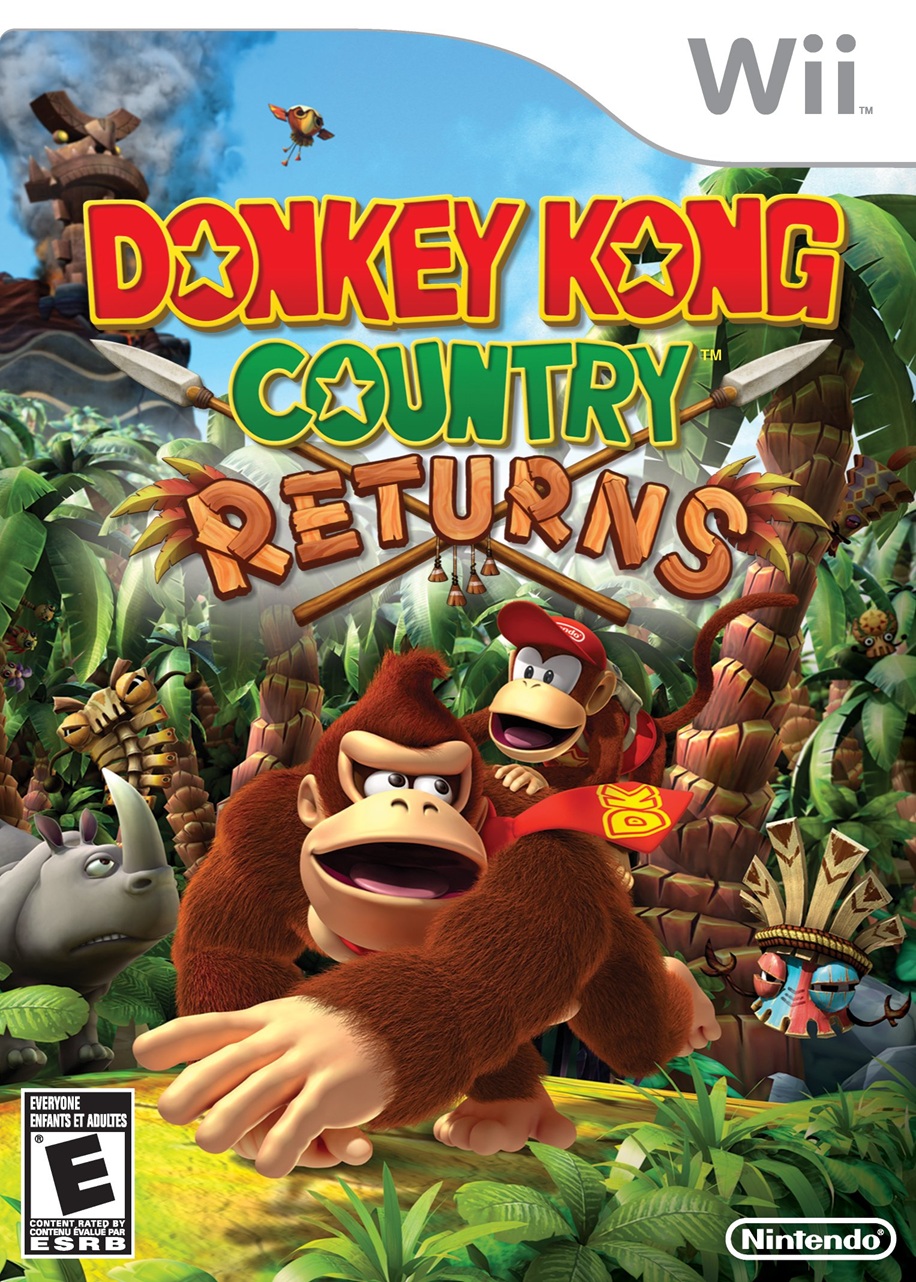
Donkey Kong Country Returns is one of the system’s premier 2D platformers, a 60fps showcase that proved classic Donkey Kong could hang with Mario and Metroid in the Wii era. A volcanic eruption wakes DK to the Tiki Tak Tribe, hypnotizing island animals and stealing his banana hoard, sending Donkey and Diddy across nine worlds to smack Tikis silly and take their stash back.
The levels are a tough but fair gauntlet of collapsing platforms, mine cart runs, and rocket barrel flights where perfect rolls and midair saves feel incredible when you stick the landing. The stylized visuals and animation punch far above most Wii games, and co-op and time trials give it endless legs. Modern retrospectives still rank Returns among the best 2D platformers of the last two decades.
Kirby’s Epic Yarn (Good-Feel)
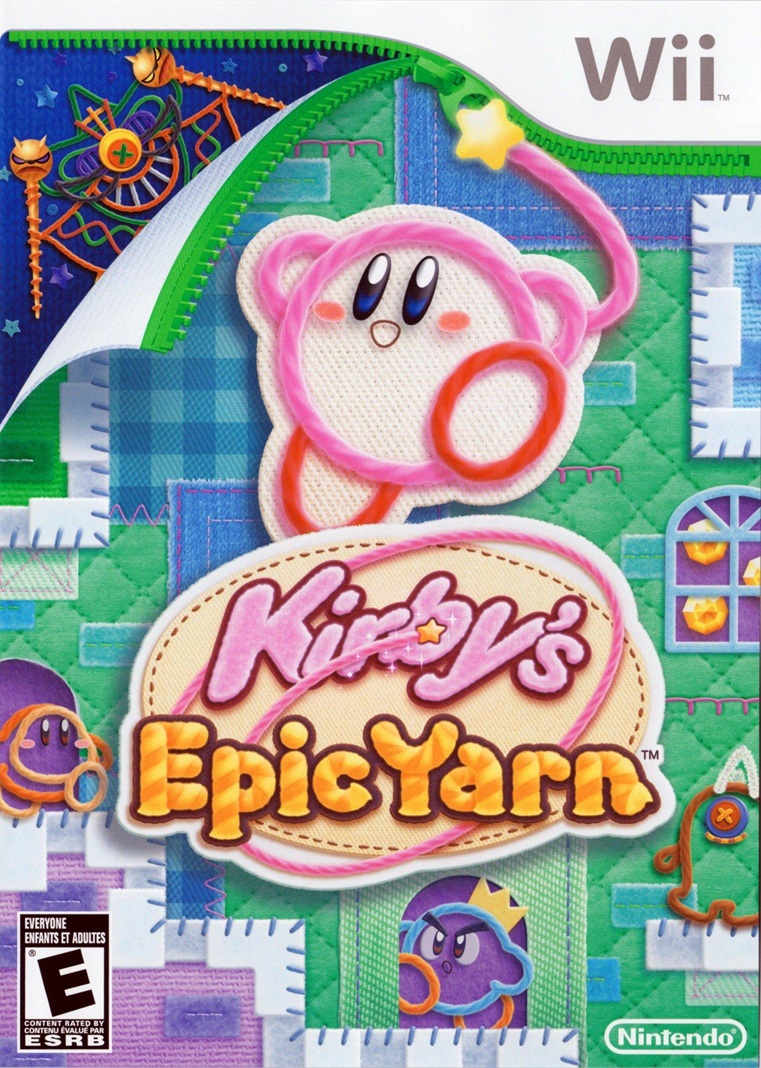
Kirby’s Epic Yarn is the gold standard of cozy platformers, transforming the pink puffball into yarn and dropping him into Patch Land, a fabric world he must restore alongside Prince Fluff. It’s Kirby’s creative peak because it commits fully to the tactile aesthetic: pulling stitches unravels platforms, zipping threads reshapes stages, and every interaction feels like manipulating an actual craft project. Kirby morphs into cars, submarines, and tanks with playful abandon, keeping simple controls feeling constantly inventive.
Without deaths or game overs, the focus shifts to discovering secrets and collecting beads, making it genuinely relaxing instead of stressful. That low-pressure design, paired with two-player co-op has kept it a fixture on best-Wii and cozy-game lists well into today. The hand-crafted charm hasn’t aged a day, and whether through used copies, Wii U eShop, or Dolphin emulation, it remains the perfect comfort platformer for winding down or welcoming newcomers to gaming.
No More Heroes 2: Desperate Struggle (Grasshopper Manufacture)
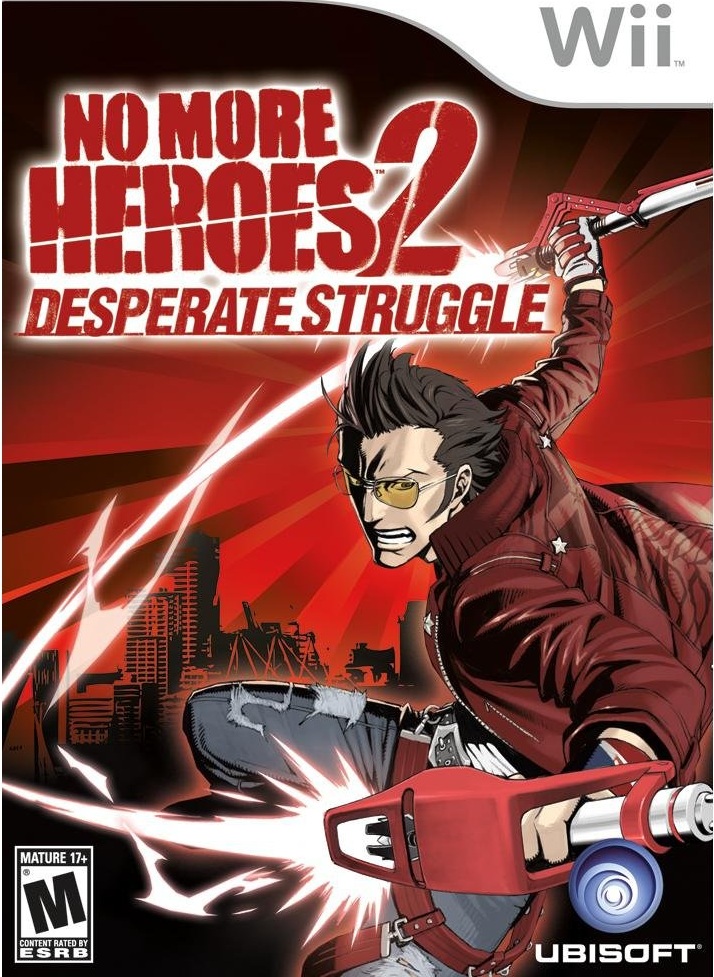
No More Heroes 2: Desperate Struggle is the arguably the Wii’s best mature action game, earning a perfect 100/100 from GameSpy as a “brilliantly twisted love letter” and widespread acclaim as one of the platform’s finest action experiences. When Travis Touchdown’s best friend Bishop is murdered by a CEO, he carves his way back up through 50 ranked assassins with a beam katana in hand.
The sequel streamlines everything, cutting tedious open-world filler while adding four swappable weapons and actual combo strings that make encounters feel faster and more vicious. Wrestling moves can kill enemies outright, which is pretty darn satisfying. Motion controls enhance the experience, with high-low stance switching and sword flourishes adding physical satisfaction to already-tight combat. The 2020 HD Switch port keeps every blood-soaked boss battle accessible today, and it remains a cult-essential revenge story worth experiencing.
Red Steel 2 (Ubisoft Paris)
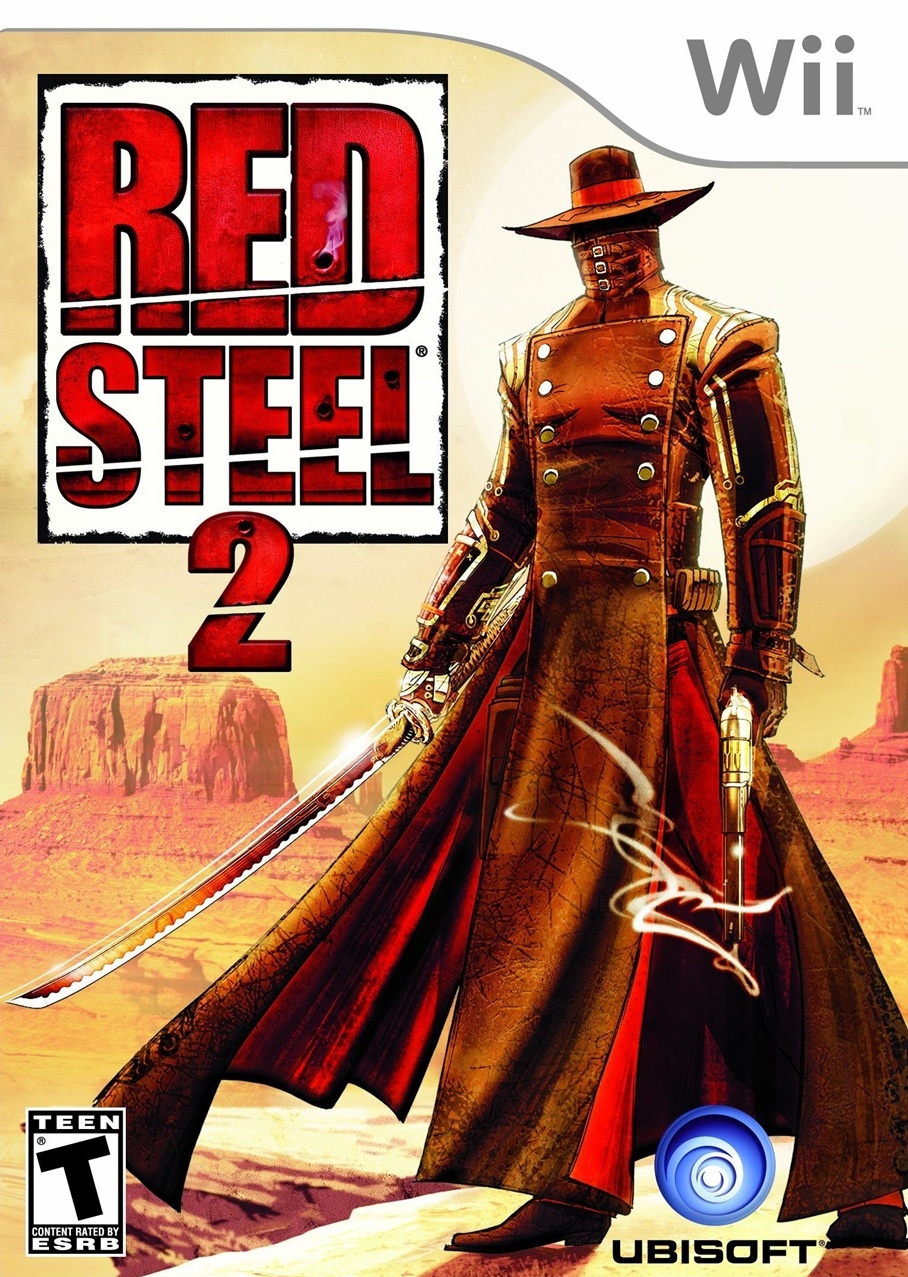
Red Steel 2 is the best MotionPlus game, topping even Wii Sports Resort according to Pure Nintendo’s assessment as “one of the best Wii games period.” As the last surviving member of the Kusagari clan, you hunt the Jackals gang through a samurai-meets-spaghetti-western desert where each katana slash and revolver shot finally feels responsive and precise. MotionPlus tracks swing direction with instant accuracy, and weapon switching happens automatically based on motion intensity: rapid slashes draw your sword, level aim pulls your gun. Cel-shaded visuals run at 60fps, looking sharper than almost any third-party Wii game.
Critics called it “probably the best third-party Wii game we’ve played in recent memory,” praising combat that delivers depth without devolving into waggle spam. It keeps appearing in “aged best” retrospectives because that core swordplay still feels satisfying. With Dolphin emulation handling it beautifully and original hardware widely available, this remains the definitive proof of what Wii motion controls could accomplish.
Super Mario Galaxy 2 (Nintendo Tokyo)
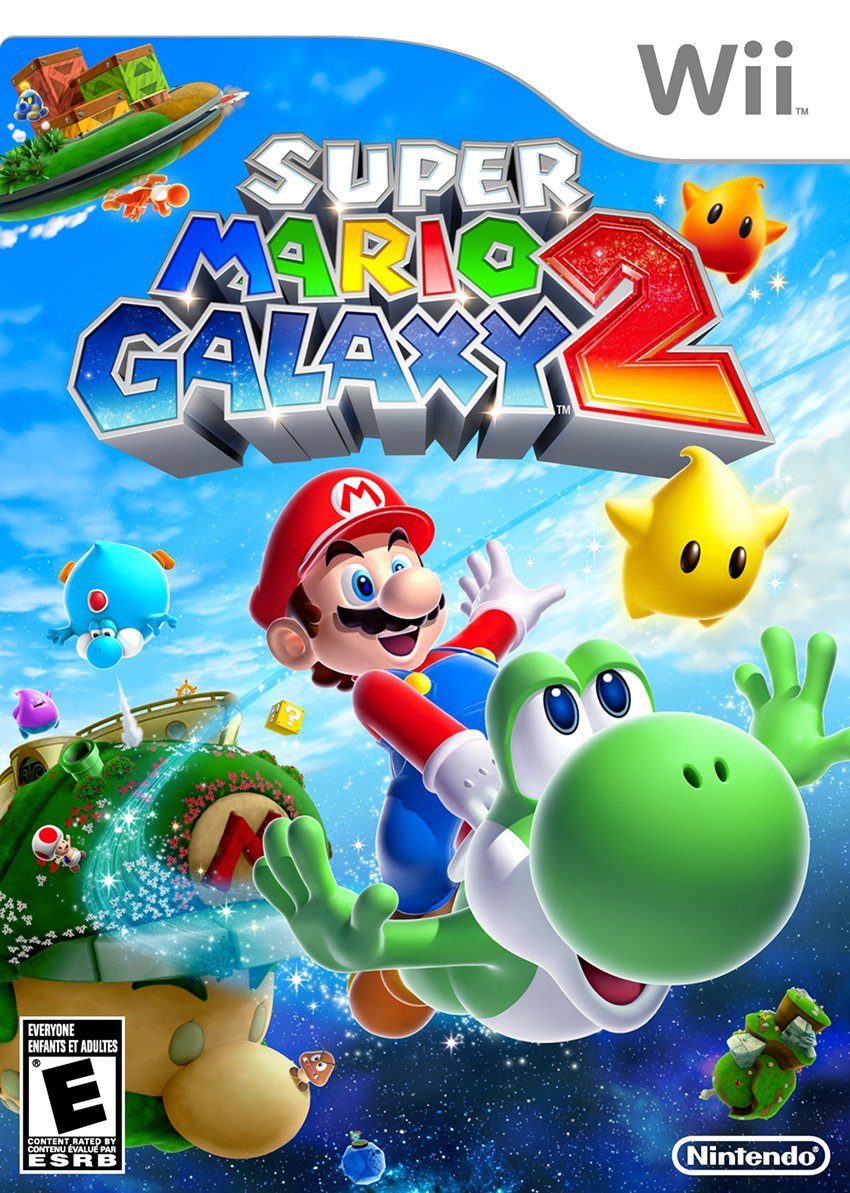
Super Mario Galaxy 2 earned a 97 on Metacritic—tied for the highest-rated game ever at release—and swept Game of the Year honors from outlets like IGN, GameSpot, and Edge. When Bowser grows to an enormous size using stolen Grand Stars and kidnaps Peach into deep space, Mario teams up with Captain Lubba and his Lumas aboard Starship Mario to chase him down. Every galaxy revolves around one brilliant concept, from gravity-defying planets to Yoshi-powered vine grabs and Cloud Flower sky-building.
Ideas arrive, shine, then retire before they repeat, keeping the pacing relentless. A beautiful orchestral score and some of the Wii’s sharpest visuals ever make each area feel grand. Constant “which Galaxy is better?” debates have cemented it as one of the greatest games ever made, with many calling it 3D Mario at its peak. A 2025 Switch remaster and easy emulation keep its challenge-first design accessible and essential.
2011
The Legend of Zelda: Skyward Sword (Nintendo)
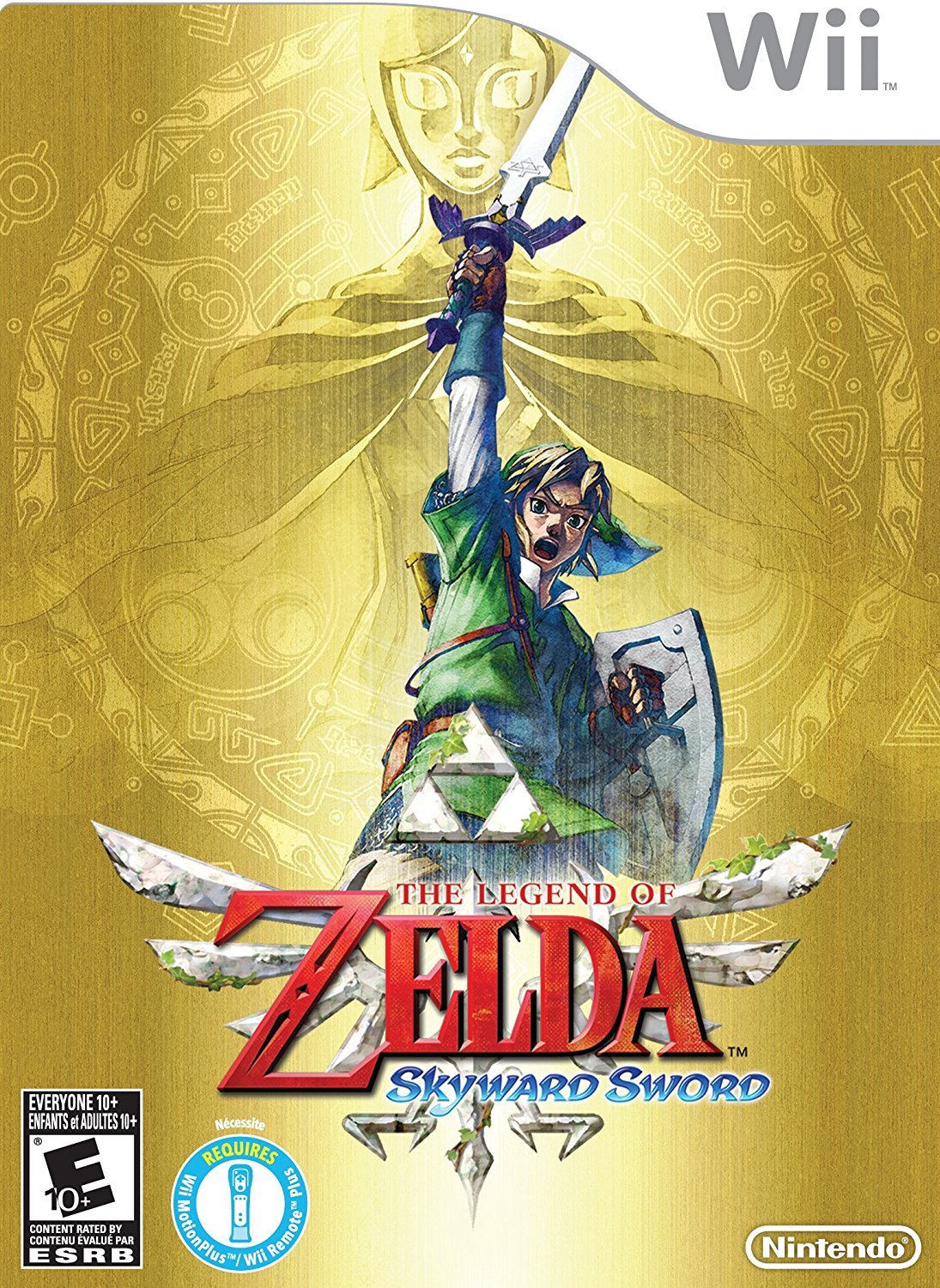
The Legend of Zelda: Skyward Sword is motion-control Zelda at its purest, earning a 93 on Metacritic and 17 Game of the Year awards in 2011, even more than Skyrim. Link dives from the sky village of Skyloft to rescue his childhood friend Zelda and stop the demon king Demise, forging the Master Sword in the series’ origin story. Wii MotionPlus tracks all the sword angles with precision, turning combat into duels where you read enemy guards and carve exact slashes.
Multiple outlets awarded perfect scores, with IGN calling it the best use of motion controls they’d ever experienced. Shield bashes, item aiming, and puzzle-solving all demand the same intentionality, making motion feel essential rather than gimmicky. The Switch HD remaster’s improved visuals and 60fps performance validated the core design, proving a motion-first Zelda can feel timeless.
Games Not Included
Mario Kart Wii (2008). Superseded by Mario Kart 8 Deluxe.
Super Smash Bros. Brawl (2008). Completely replaced by Super Smash Bros. Ultimate for the Switch, it’s a massive upgrade.
New Super Mario Bros. Wii (2009). This game is replaced by New Super Mario Bros. U Deluxe on the Switch. Play that.
Boom Blox Bash Party (2009). It’s a great game, perhaps surpassing the original, people should play it. Boom Blox was a great game too, but it was also more innovative and pioneering.
Monster Hunter Tri (2010). Monster Hunter 3 Ultimate completely replaces this game. Play it on the Wii U and 3DS.
Xenoblade Chronicles (2010). This same is replaced by Switch Definitive Edition, which is awesome. Play that.