The 45 Best PS2 Games of All Time (2004–2005)
Which PS2 Games Still Hold Up Today
Part 1 Part 2 Part 4
Welcome back to our look at the best of the PS2 era! Part 1 and Part 2 followed the console’s rise from pioneers to mid-generation momentum. Now we hit 2004–2005, the PS2’s creative and technical peak, when developers bent Sony’s black box to their will. Third-party support was unrivaled, budgets soared, and ideas struck like lightning.
Whether you were rolling up galaxies in a sticky ball, dueling mythic giants the size of office buildings, or watching entire genres reinvent themselves overnight, these eleven titles show the PS2 at its most innovative. This wasn’t just the platform’s commercial high point—it was its creative summit, when artistry and ambition converged.
Finally, heads up—I earn a small commission if you buy anything through my links. No extra cost to you, and it helps support the site!
2004 Continued
Katamari Damacy (Namco)
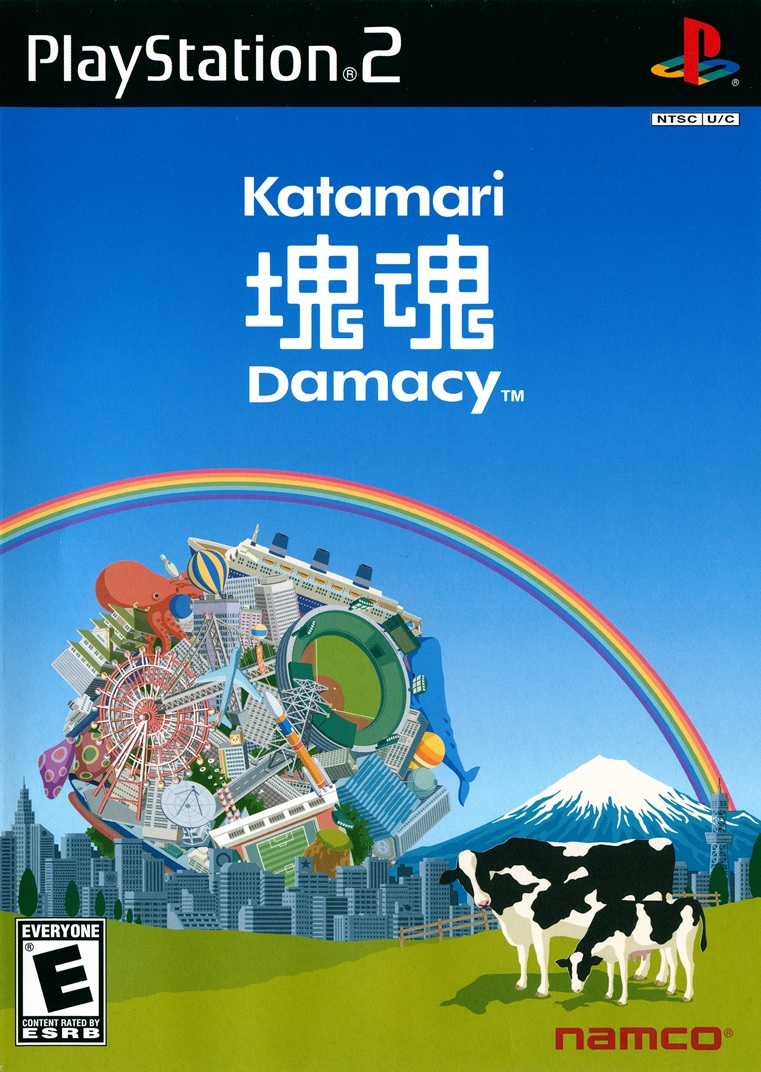
Katamari Damacy is one of the most original games ever, showing that pure fun and creativity can win awards and change what people expect from console games. You roll a sticky ball through messy worlds, starting with small things like thumbtacks and candy, then moving on to cars, people, and even buildings. Why? Your dad, the King of All Cosmos, accidentally destroyed the stars, and now you have to clean up his mess. The game is wonderfully strange and totally sincere about it.
The dual-analog controls quickly become natural as you start rolling up everything in sight. Constellation challenges keep the game interesting, like gathering crabs for Cancer or finding twins for Gemini. The soundtrack is catchy and unforgettable too. Katamari was the first video game to ever win the Good Design Award and also won several Game Developers’ Choice Awards for innovation. The sequel (We Love Katamari) is just as good, and both can be played on the Switch, PS4 and 5, and Xbox.
Metal Gear Solid 3: Snake Eater (Konami)
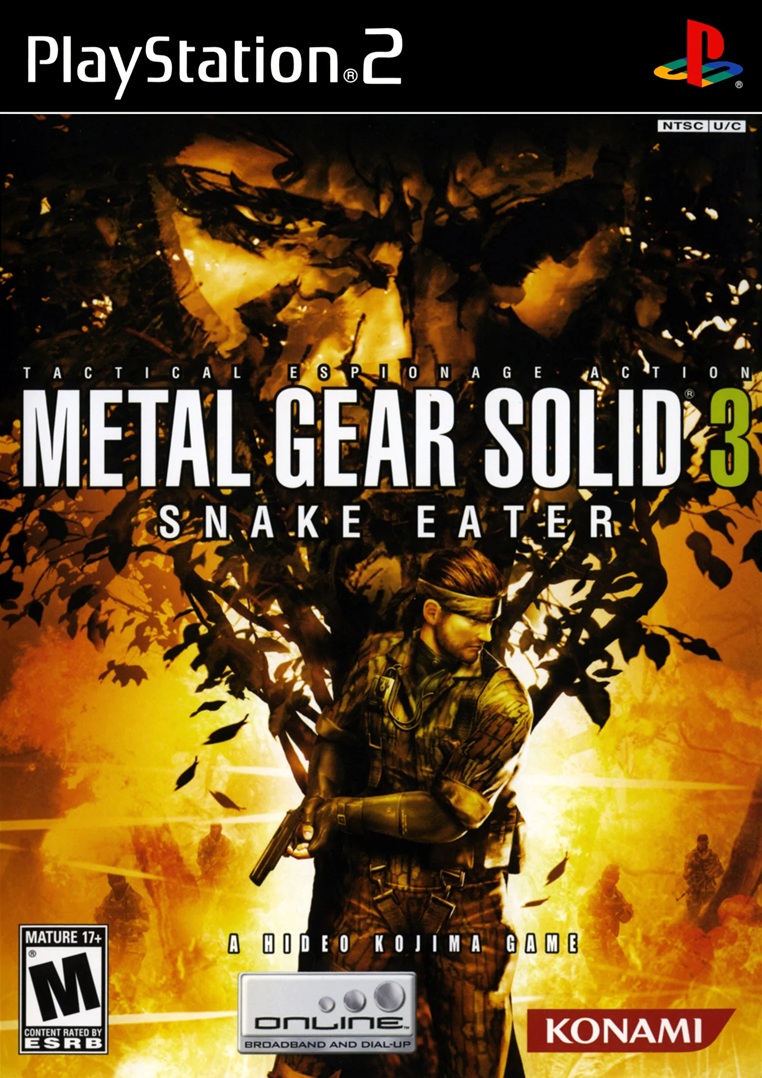
Metal Gear Solid 3: Snake Eater stands out as a landmark in gaming, bringing stealth action to a 1960s Cold War jungle and making survival a part of the experience. The story follows Naked Snake as he rescues a defector and deals with his mentor’s betrayal, laying the groundwork for Big Boss’s legend.
The game introduced new mechanics, including camouflage, stamina management and close-quarters combat, which took stealth beyond simple sneaking to create a more immersive experience. Boss fights with the Cobra Unit, especially the sniper battle with The End, blend strategy with cinematic elements. Moments like the emotional ladder climb still stick with players today.
Metal Gear Solid 3’s influence shows up in later stealth and action games, too. The Subsistence re-release added a 3D camera, and is the best game compilation on the PS2. Even after twenty years, critics still call Snake Eater a masterpiece and one of the most important games ever made. It’s one of my two candidates for the best game on the console.
Ratchet & Clank: Up Your Arsenal (Insomniac Games)
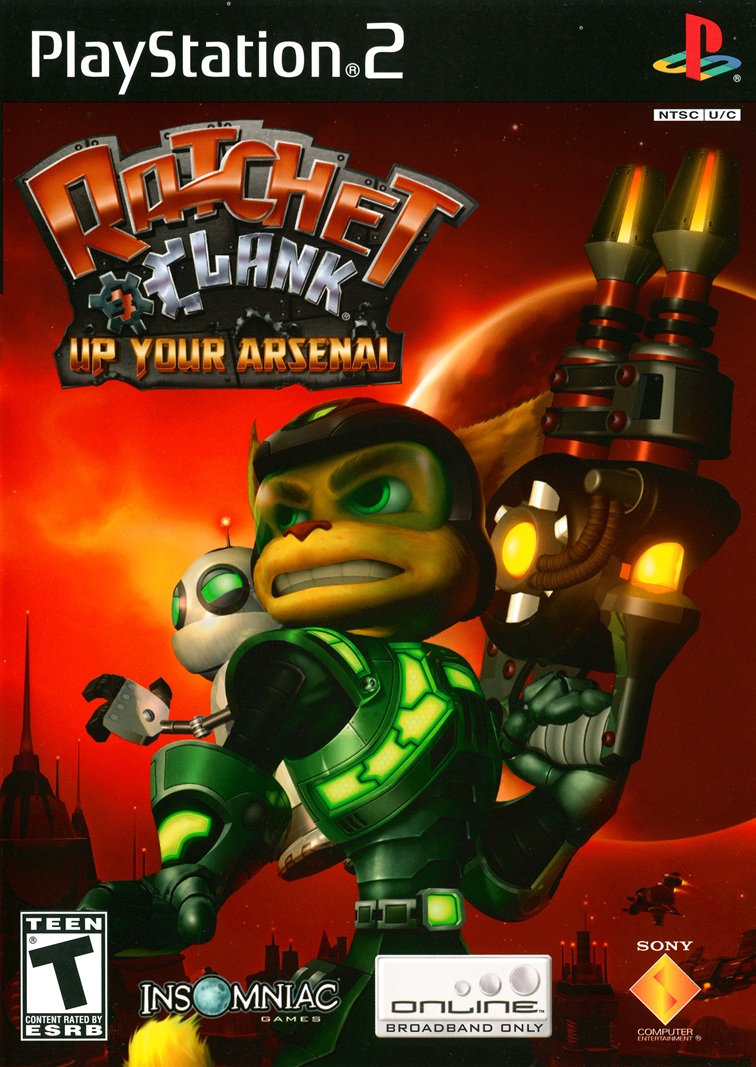
Ratchet & Clank: Up Your Arsenal takes the duo’s adventures to a whole new level with a galactic war. Doctor Nefarious sends out a Tyhrranoid armada, so Ratchet, Clank, and the Galactic Rangers fight across different worlds. With over 20 weapons and armor to upgrade and customize, combat feels fresh and creative. The Hypershot gadget also makes platforming quick and enjoyable.
Insomniac adds lots of extras too. Qwark’s parody vid-comics, Clank’s stealth missions, and giant-Clank battles keep things fresh, while online matches were among the PS2’s best. Along with smooth 60fps graphics and Nefarious’s wild rants, Up Your Arsenal represents the peak of the trilogy: the perfected formula that earned critical acclaim as a PS2 must-buy. It’s a masterclass in action-platforming that directly inspired Insomniac’s later work and remains one of the platform’s defining classics.
Ace Combat 5: The Unsung War (Namco)
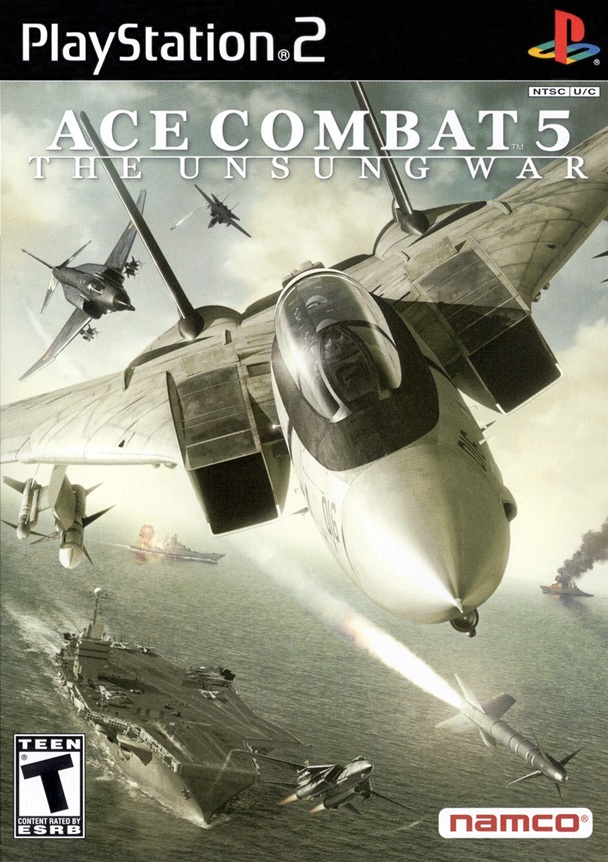
Ace Combat 5: The Unsung War straps you into the cockpit as “Blaze,” where you lead Osea’s Wardog Squadron against a surprise invasion during a fictional world war. You’ll command more than 50 aircraft through 32 missions of dogfighting, bombing, and strafing. Building on Ace Combat 04’s emotional storytelling, AC5 shifts the narrative to the cockpit, putting you as part of the squadron rather than an observer below.
Mid-air refueling, special weapons, and arcade mode all help keep the game fun to replay. The focus on your squadron raised the bar for the series and changed how Ace Combat blends story with action. Both AC04 and AC5 made flight games on consoles easy to pick up, but still rewarding for serious fans. With Flightstick support, detailed terrain and a sweeping soundtrack, this is a PS2 masterpiece.
Shin Megami Tensei: Nocturne (Atlus)
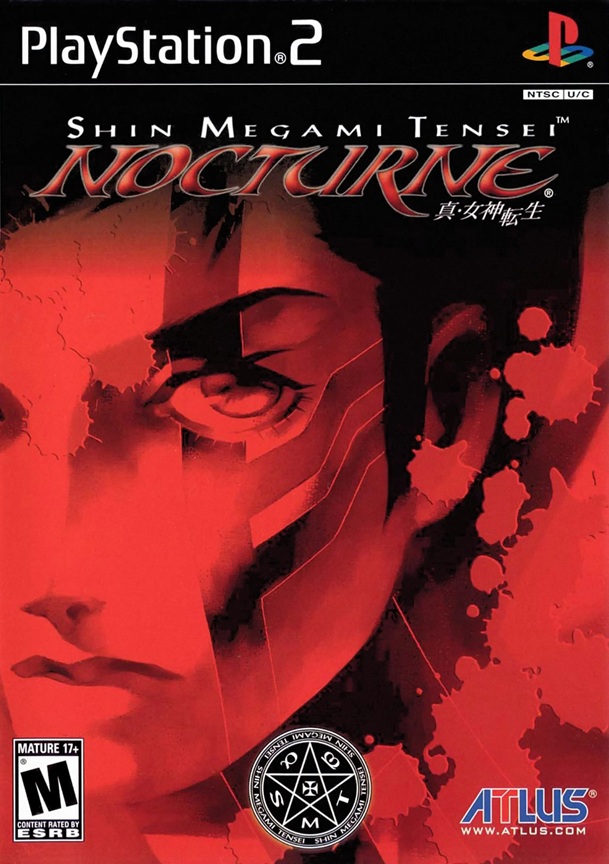
Shin Megami Tensei: Nocturne opens by nuking Tokyo into a sphere of floating rubble called the Vortex World. You’re transformed into a half-demon wandering a post-apocalyptic void ruled by warring cults, biker gangs, and ancient gods. The Press Turn system makes every fight a high-stakes puzzle: exploit enemy weaknesses to gain extra turns, but one mistake gives them the advantage and can wipe your party instantly.
Demon negotiation is psychological warfare—you bribe, intimidate, or sweet-talk demons into joining your roster, then fuse them into stronger forms to survive the labyrinthine dungeons you face. Eventually, you choose a Reason, a philosophy that dictates what reality replaces the old world, ranging from a fascist order to chaotic freedom to rejecting all of it. Its sparse storytelling and punishing difficulty created a claustrophobic, alien atmosphere that set the template for later SMT games and earned it legendary status among hardcore JRPG fans.
2005
Devil May Cry 3: Dante’s Awakening (Capcom)
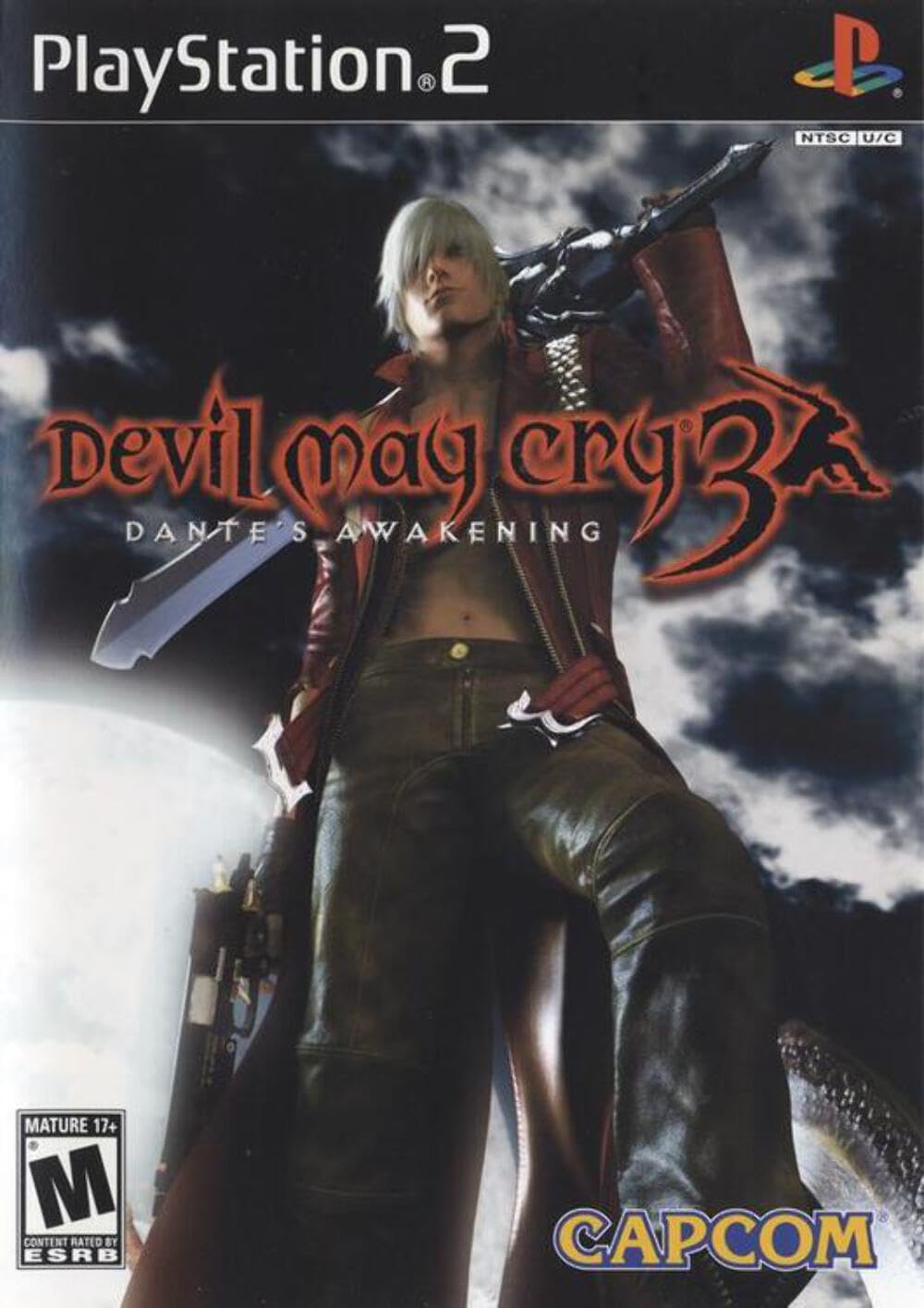
Devil May Cry 3: Dante’s Awakening is the moment stylish action truly snapped into focus and set the standard everyone else chased. Its Style system lets you commit to different playstyles, then freestyle with on-the-fly weapon switching, guns, blades, and Devil Trigger surges. Three brutal, cinematic duels with Dante’s brother Vergil are still held up as some of the best boss fights in action gaming.
The 2006 Special Edition fixed the infamous difficulty spikes, added mid-mission checkpoints, the marathon Bloody Palace mode, and made Vergil fully playable. Its demanding, expressive combat became the template for everything from Bayonetta to modern God of War. It still holds up as a masterclass in style-first action design.
Dragon Quest VIII: Journey of the Cursed King (Level-5)
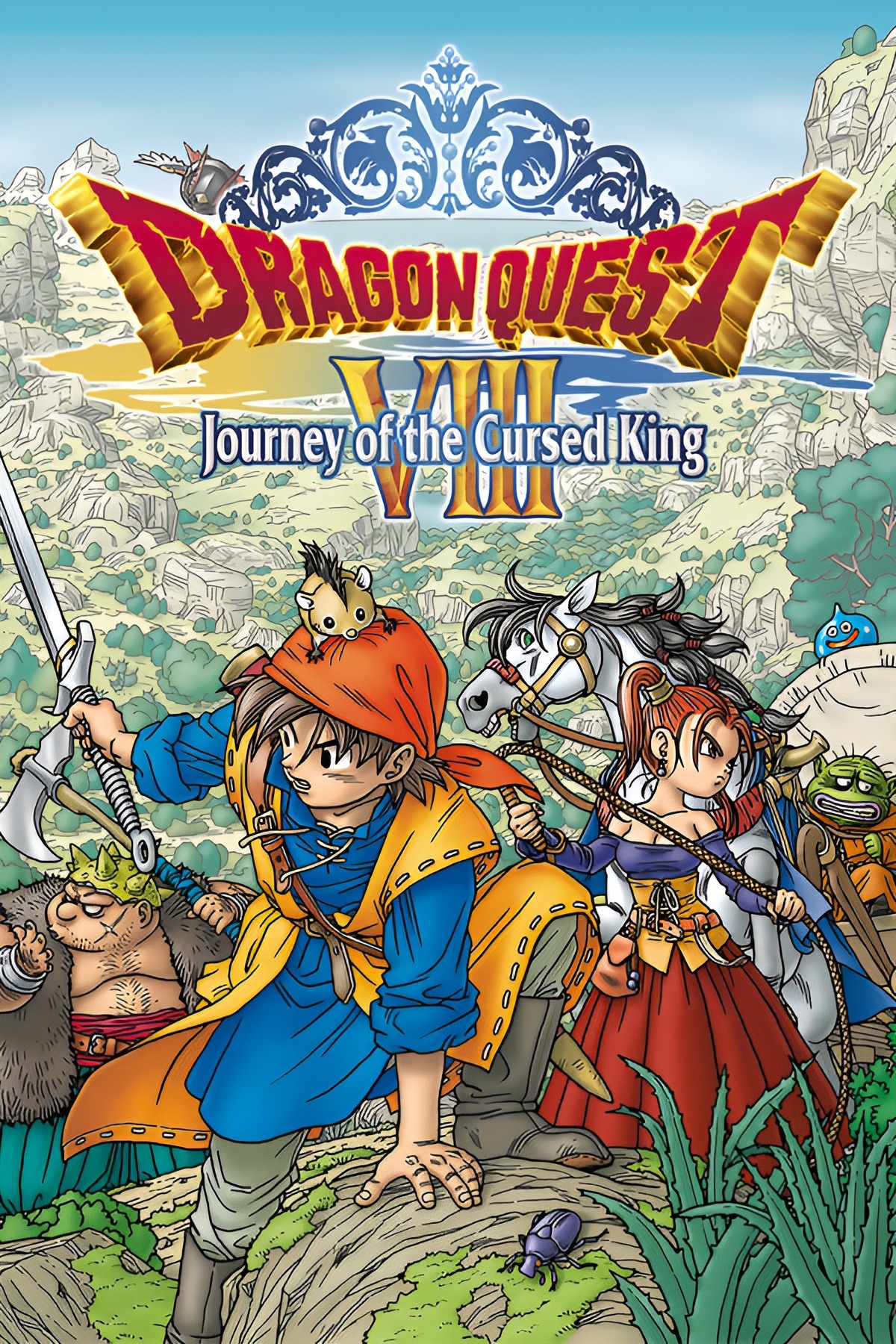
Dragon Quest VIII finally made the series a Western phenomenon, selling 5 million copies worldwide. Its cel-shaded world felt like adventuring through a living anime, with sweeping orchestrated music and full British voice acting that brought every town to life.
You follow a cursed kingdom’s guard and his transformed companions across the continent, hunting the jester Dhoulmagus to break the spell. The turn-based combat stays classic but adds Psyche-Up team attacks for devastating combo strikes. Skill trees let you customize characters instead of locking them into rigid roles. The Alchemy Pot turns dungeon crawling into treasure hunting—experimenting with item combinations to forge better gear becomes really addictive.
DQVIII proved traditional JRPGs could thrive with cinematic presentation, directly influencing games like Ni no Kuni and setting the template for how classic gameplay evolves without sacrificing its soul. It stands as one of the generation’s essential adventures, and one of the best games ever made.
God of War (Santa Monica Studio)
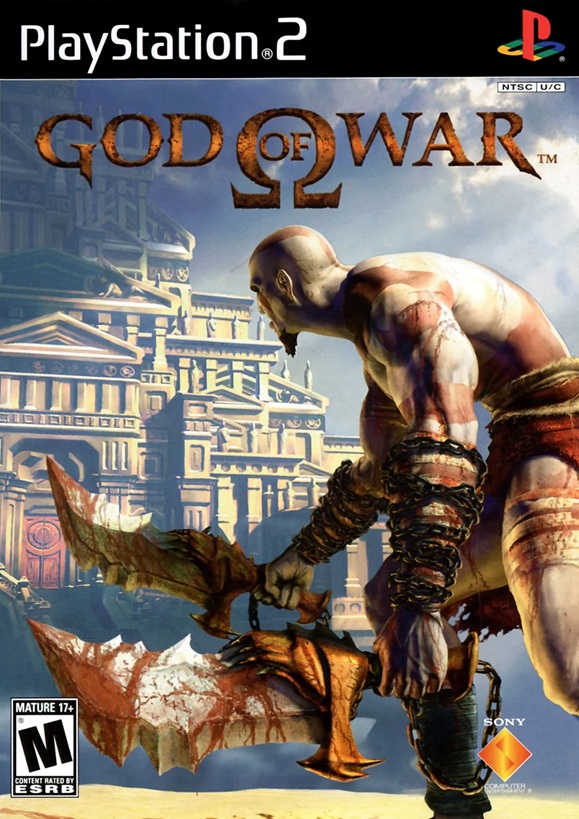
God of War is a groundbreaking game that revolutionized the action-adventure genre. The story follows Kratos on his violent quest for revenge against Ares, using the Blades of Chaos in memorable battles from the Hydra’s lair to Olympus as he searches for Pandora’s Box.
The game stood out for its cinematic visuals and tight, combo-based combat. Quick-time events heightened boss fights, fixed camera angles gave battles a movie-like feel, and Greek mythology was reinvented with a brutal edge. Technically it pushed the PS2 to its limits with impressive scale, polish, and visuals.
God of War did more than succeed; it was a triumph. It set standards for cinematic action-adventure design that shaped the genre for years to come. It is one of the finest, most influential games ever made.
Gran Turismo 4 (Polyphony Digital)
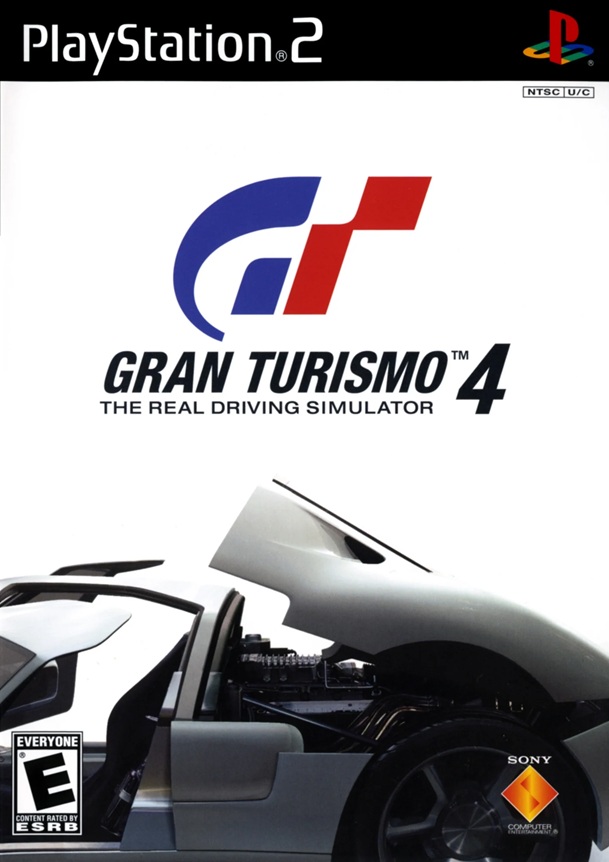
Gran Turismo 4 stands out as the PS2’s best simulation racer. It features more than 700 cars and many tracks, including the famous Nürburgring, all presented in HD. You work to earn licenses, upgrade your cars, and progress from the Sunday Cup to tough endurance races. The physics model is exceptional: weight transfer mid-corner, tire grip on rain-slicked asphalt, the difference between a smooth racing line and scrubbing speed in the gravel—all rendered at 1080i with zero tearing.
B-Spec mode turns you into a team director while your AI driver executes, and Photo Mode lets you stage showroom shots of your collection. It’s less a racing game than a car-culture simulator that taught a generation what a Skyline GT-R could do on a track. The lack of online play stings, but its license tests and obsessive automotive detail remain the gold standard for console racing sims.
MVP Baseball 2005 (EA Canada)
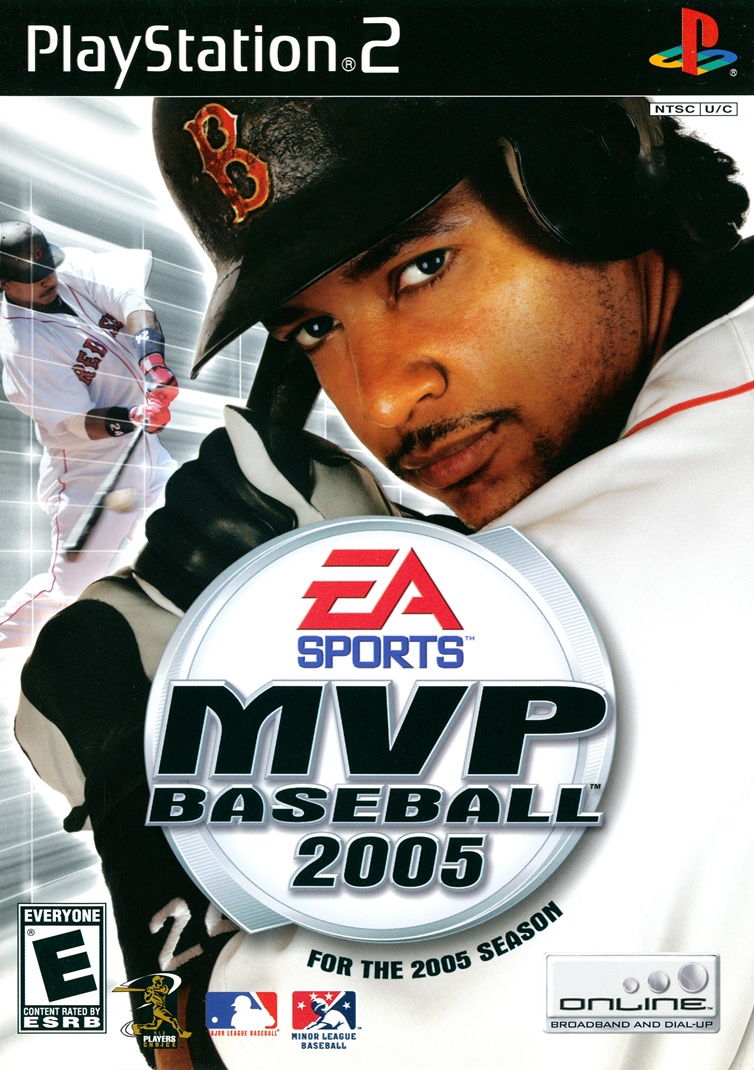
MVP Baseball 2005 didn’t just dominate the PS2 sports lineup, it set a gold standard for sports games that hasn’t been surpassed. This is that once-in-a-generation licensed sports game where everything clicks: polished on-field play, snappy pacing, and a near-perfect balance between authentic sim baseball and pick-up-and-play joy. Every at-bat feels like part of a living baseball universe: pitching meters that reward painting corners, and hitting that lets you pull inside heat or slap outside stuff oppo, and the satisfying crack when you hit a homer.
Full MLB and minor-league systems feed into Dynasty and Owner Modes where you care about stadium concession prices as much as box scores. Released in the afterglow of the Red Sox curse-breaking season with Manny on the cover, it captured 2005 baseball at its peak. Losing the MLB license right after turned it into a “went out on top” legend that fed directly into MLB The Show’s design, and fueled a modding scene that kept it alive for decades. Twenty years later it still plays shockingly well and belongs in any serious conversation about the greatest PS2 games and all-time sports titles.
Resident Evil 4 (Capcom)
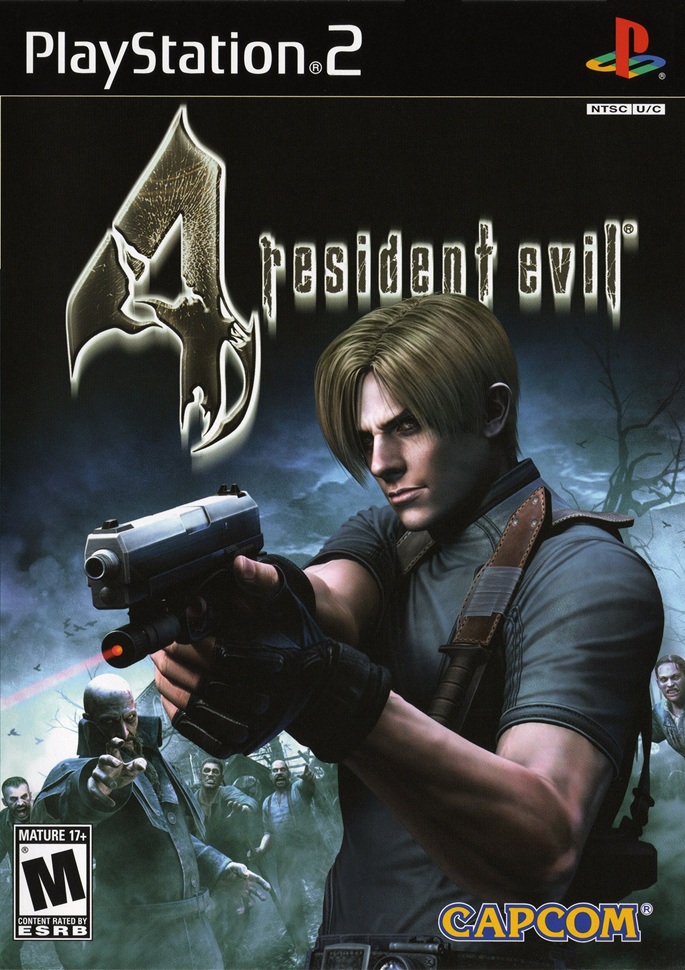
Resident Evil 4 is one of gaming’s most revolutionary masterpieces, fundamentally reshaping survival horror and action gaming in one brilliant stroke. RE4 follows Leon Kennedy’s mission to rescue the President’s daughter from a dangerous cult, trading zombies for intelligent Ganados that changed everything about horror combat.
The game’s over-the-shoulder aiming, smart inventory system, and mix of action and horror set a new standard for third-person shooters. These features influenced games like Gears of War and many others. Upgrading weapons with the Merchant, surviving the legendary village attack, and the balance between action and horror made Resident Evil 4 a model for future games.
When RE4 was released on the PS2 it reached an even wider audience. The PS2 version added new content like the Separate Ways campaign, Ada’s Report, the PRL-412, The Mercenaries, and new costumes. Even with some small visual compromises, the game offered widescreen support and kept its groundbreaking experience. It received high praise and is still seen as one of the most influential video games ever.
We’ve covered dozens of games so far, with 11 left. When you look back to 2004 and 2005, it’s ridiculous how many classics came out in such a short time. Resident Evil 4 redefined survival horror. Katamari Damacy made weirdness fun. Even after twenty years, MGS3 is still in the running for best game ever.
Yet even after those creative highs, the PS2 didn’t slow down. Some of its best titles arrived after the next console launched. In Part 4 we’ll wrap up with the surprising late hits that made the PS2 unforgettable.