The 45 Best PS2 Games of All Time, Part 2 (2002–2004)
Which PS2 Games Still Hold Up Today
Part 1 Part 3 Part 4
The PlayStation 2’s golden years were just heating up. Part 1 showed how 2001–2002 laid the foundation with instant classics. But 2002–2004? That’s when the console exploded into dominance. This stretch delivered landmark shooters, fighting game icons, and open-world experiments that still shape game design today.
By now, developers had mastered the hardware, budgets were bigger, and ambition was sky-high. These weren’t just hits fighting for shelf space, they were milestones that defined 2000s gaming. Part 2 dives into 12 more essentials that prove why the PS2 became the best-selling console of all time.
Finally, heads up—I earn a small commission if you buy anything through my links. No extra cost to you, and it helps support the site!
2002 continued
TimeSplitters 2 (Free Radical Design)
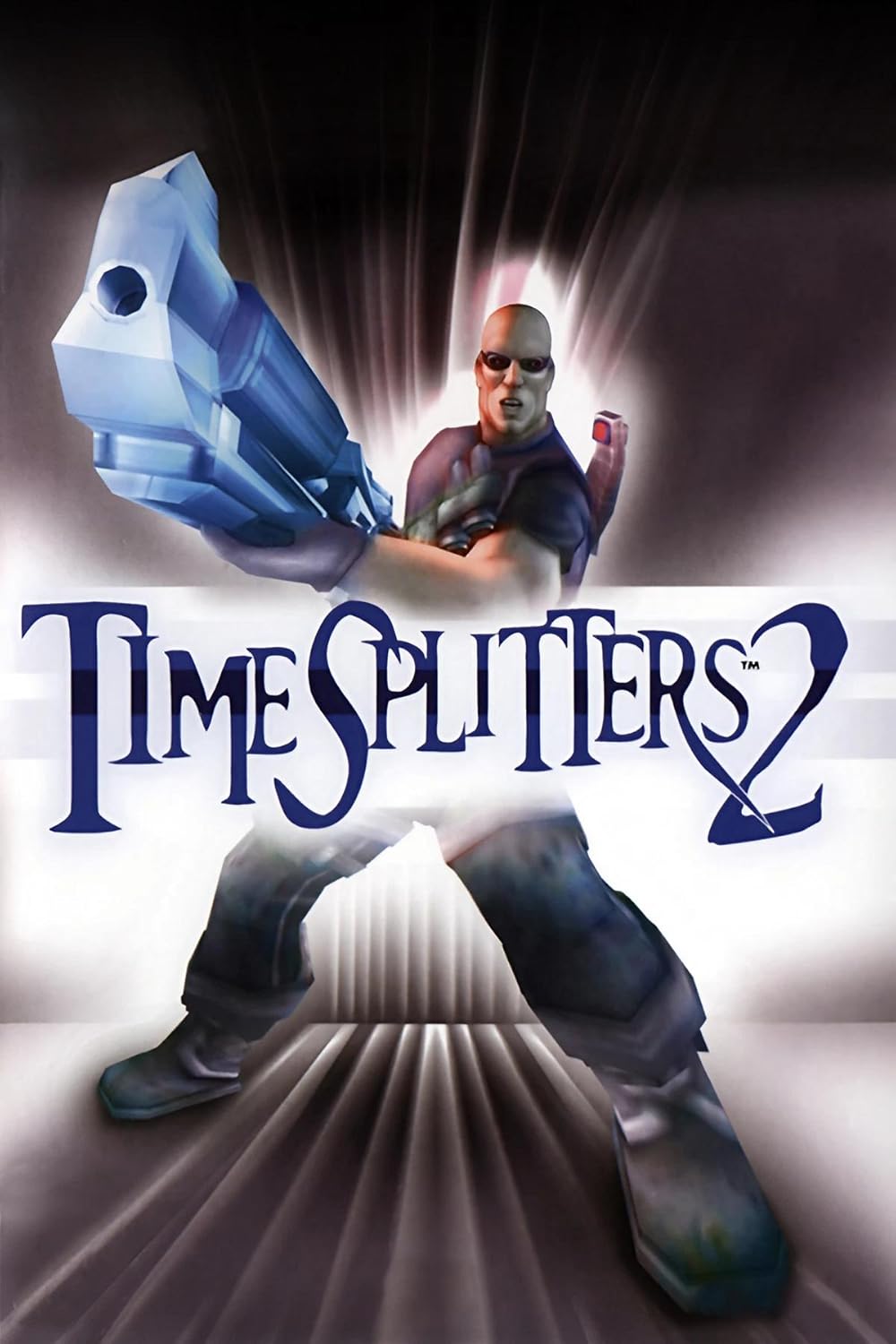
TimeSplitters 2 is the PS2’s definitive console shooter. Built by the GoldenEye veterans at Free Radical, it delivers razor-sharp 60 fps gunplay and twin-stick controls that finally worked perfectly on a controller. You’re Sgt. Cortez, leaping across eras—Old West, ’60s spy capers, cyberpunk Tokyo—hunting alien TimeSplitters and snatching their time crystals.
Beyond the co-op story, the game practically explodes with content: split-screen deathmatch for 4, AI bots, challenge missions, and the ground-breaking MapMaker that lets players craft and share custom arenas. Humor, variety, and pure speed cemented it as GoldenEye’s true heir and a multiplayer staple for PS2 players. It also proved that fast, precise FPS action could thrive on PS2 hardware, influencing later console shooters.
2003
Disgaea: Hour of Darkness (Nippon Ichi Software)
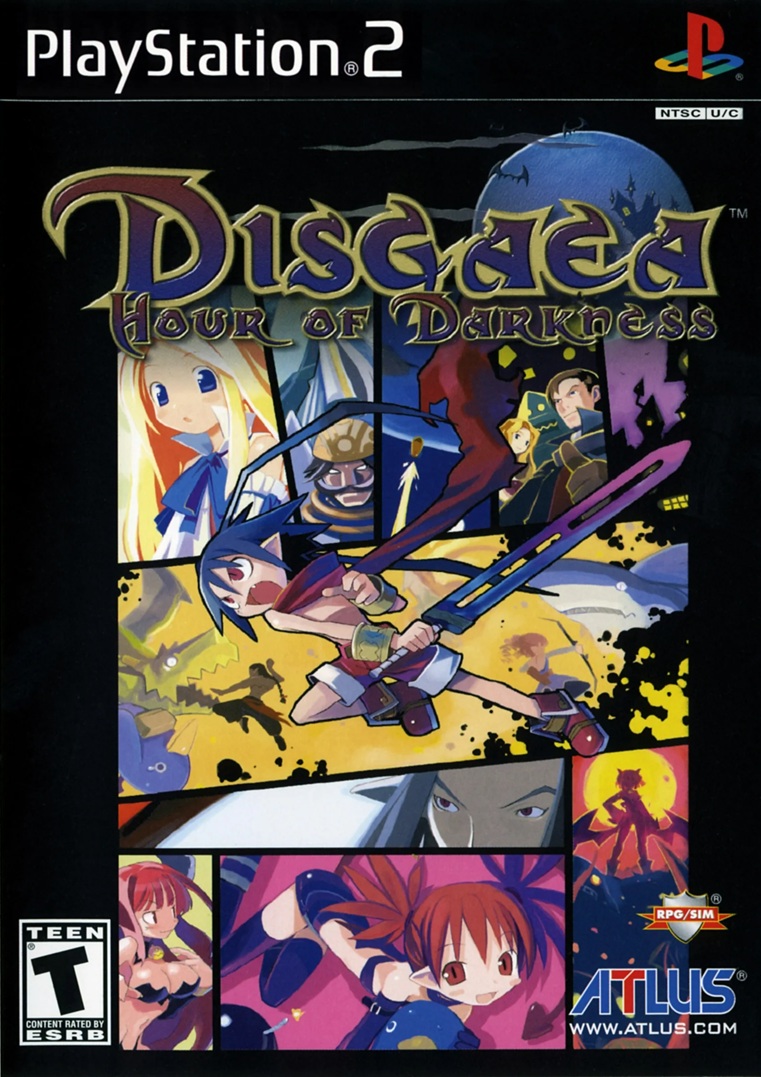
Disgaea: Hour of Darkness showed us that strategy RPGs could be completely unhinged and still brilliantly designed. Laharl, a bratty demon prince, schemes for his father’s throne alongside sarcastic demons and exploding penguin-prinnies in a story that cranks anime absurdity to eleven. The game popularized a signature blend of comedic writing and hardcore mechanics, a template still used today.
Beneath all that chaos lies one of the deepest tactical systems ever made: level caps in the thousands, weapons with entire dungeon-worlds inside them, and maps that twist around Geo Panel effects. Toss allies, stack them into towers, break the game wide open, and realize you’ve just lost 200 hours. Disgaea proved that a niche, absurdly deep strategy RPG could find cult success in the West and sustain a long‑running franchise.
Soulcalibur II (Project Soul)
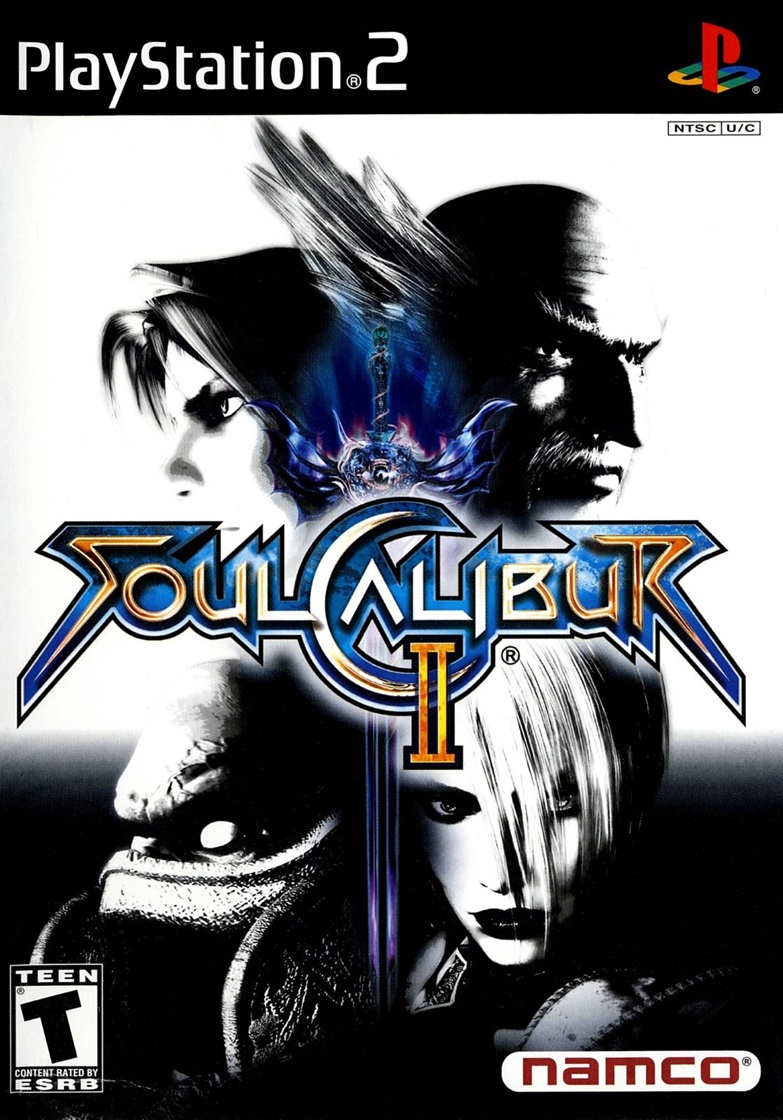
SoulCalibur II is the PS2’s most accessible and elegant fighter: weapon combat that looks spectacular, 8-way movement that makes sense instantly, and Heihachi as the PS2’s exclusive guest. It’s the game that converted casual players into fighting game fans while giving veterans plenty to master with Guard Impacts and Soul Charge timing. Ivy’s whip-sword, Mitsurugi’s katana, and Nightmare’s Soul Edge each demand distinct strategies, while Heihachi brings Tekken’s brute force to swordplay.
Weapon Master mode offers RPG-style progression and a full-fledged campaign, while arcade battles showcase some of the PS2’s best character models and particle effects. Guard Impact and Soul Charge emphasize precise timing, separating button-mashers vs masters. SoulCalibur II’s multi-platform guest characters (Link, Spawn, Heihachi) were a marketing master-stroke and eventually became an industry trend for fighters. Sleek, deep, and endlessly replayable, SoulCalibur II turned weapon combat into elegant art.
NASCAR Thunder 2004 (EA Tiburon)
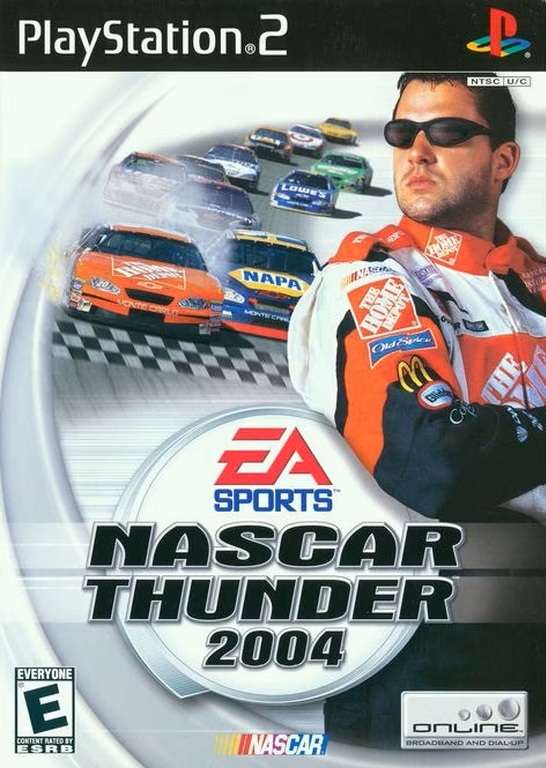
NASCAR Thunder 2004 gave us one of the finest, most authentic stock-car racing experiences in gaming history. It demanded real strategy and made drafting essential for competitive lap times while pit stops, tire wear, and fuel management separated casual drivers from champions. Career modes ranged from recreating moments in Lightning Challenges to grinding through 24-race seasons with licensed drivers and authentic tracks.
Thunder 2004’s Grudges & Alliances system gave every race dramatic stakes: aggressive moves created rivals who’d retaliate, while clean driving built allies who’d work with you in the pack. This pushed AI behavior forward and showed how to add genuine personality to sports simulation. Even when the PS2 sports lineup was stacked with all-time greats, Thunder 2004 carved out its own identity by balancing realism, personality, and long-term playability in a way no other console stock-car racer could match.
NBA Street Vol. 2 (EA Canada)
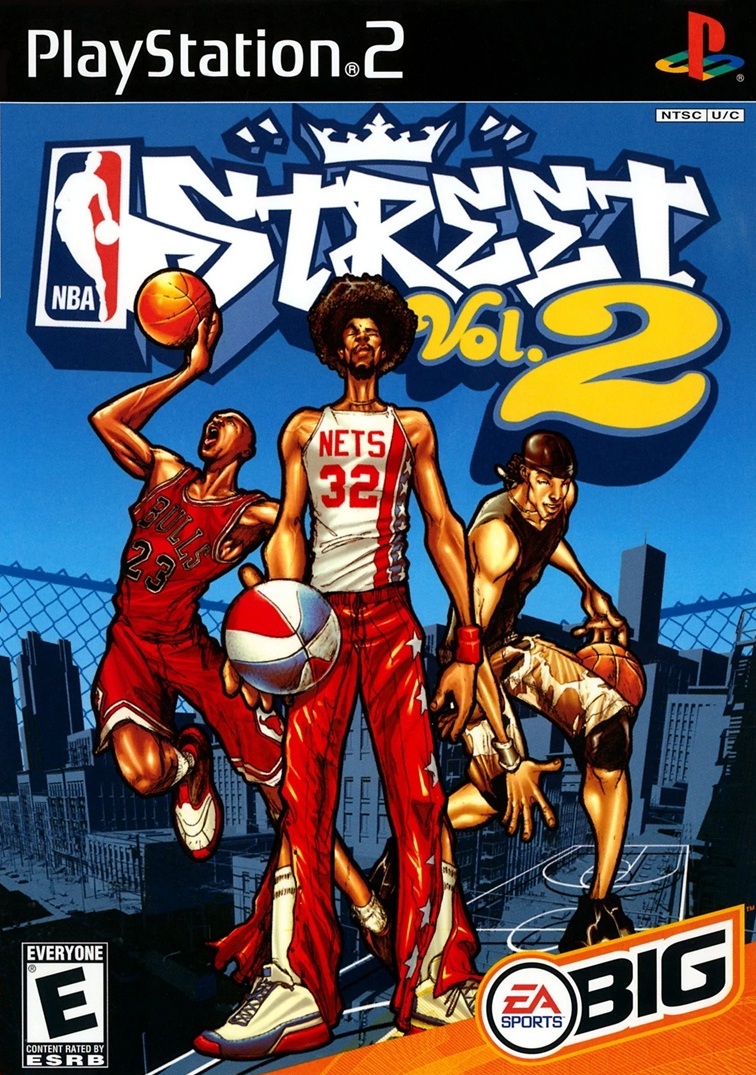
NBA Street Vol. 2 is arcade basketball at its best. EA improved upon the original with Gamebreaker moves that could flip momentum in seconds and courts that came alive—from Rucker Park to Venice Beach—mixing NBA legends with custom ballers you crafted yourself. Be a Legend mode lets you build a player from scratch, earn respect, unlock gear and signature moves, and eventually face NBA superstars.
The trick system rewards style over stats: spin moves, wall passes, and aerial acrobatics feel completely natural on the sticks. Three-on-three gameplay hits the sweet spot between accessible fun and deep combo mastery, while the soundtrack captures early-2000s hip-hop culture. Vol 2 became the template for EA BIG’s entire Street line, spawning NFL, FIFA and NBA follow-ups as well as competitors. It still tops “best sports game” lists two decades later. Vol. 2 didn’t simulate street ball, it made it pure, unfiltered fun.
Prince of Persia: The Sands of Time (Ubisoft Montreal)
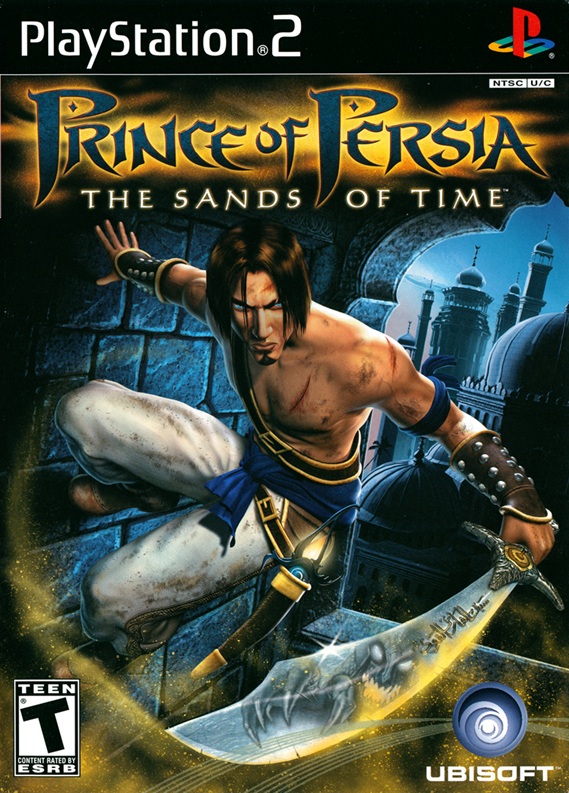
Prince of Persia: The Sands of Time isn’t just one of the best PS2 games ever made, it’s one of the defining action-adventures in gaming history. It explodes classic platforming into 3D palace gauntlets of wall-runs, rebounds, and deadly traps, then hands you the Dagger of Time to rewind mistakes. Chaining acrobatic sequences feels elegant and exhilarating, like conducting your own action movie.
The entire game is the Prince narrating his adventure to Farah after the fact—every rewind is him correcting his story with “no, wait, that’s not what happened.” This framing device brilliantly justifies the time mechanic while delivering one of gaming’s best love stories and a sharp coming-of-age arc about taking responsibility.
Sands of Time crystallized parkour in 3D games, laying the groundwork that Assassin’s Creed and countless traversal-heavy games built on. Combat and the camera show their age a bit but the movement, storytelling, and rewind mechanic remain close to unimprovable. Two decades later, it still feels fundamentally right.
SSX 3 (EA Canada)
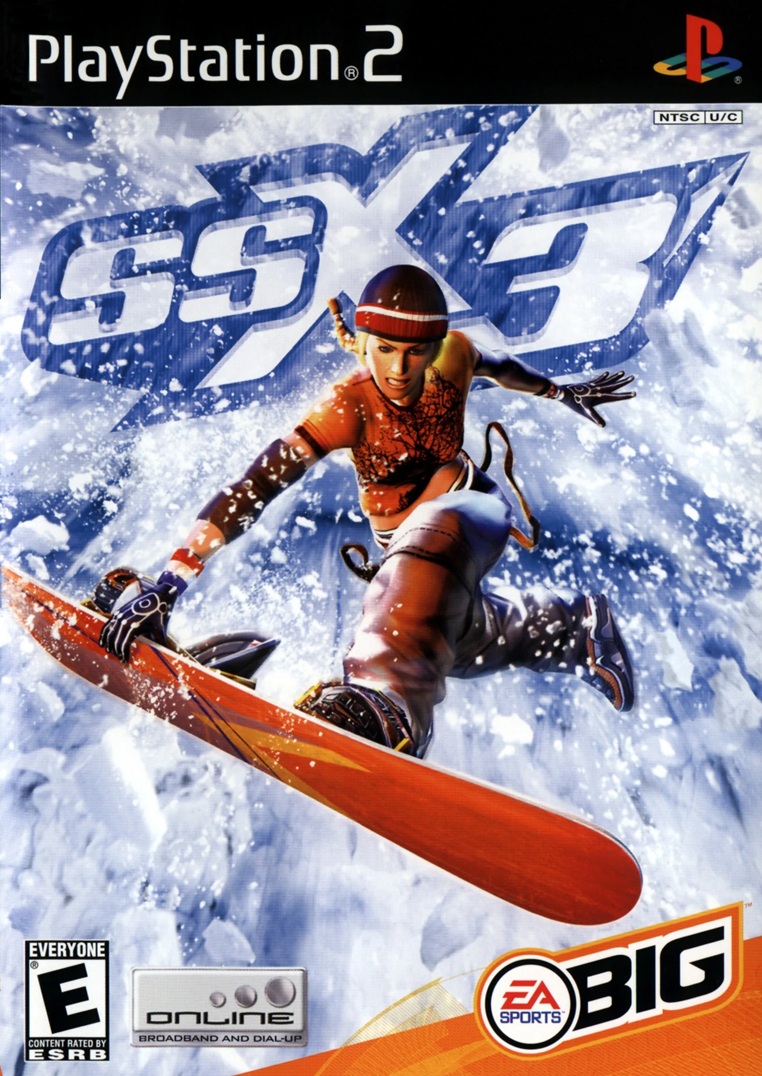
SSX 3 helped define what modern extreme sports games could be: polished, seamless, and accessible while maintaining depth. Instead of discrete tracks, the game unfolds across a connected mountain. It lets you drop into races, trick competitions, and free rides as you carve from peak to base. Character rivalries and an in-game DJ really added personality without distracting from flow, style, and discovery.
The result is less cartoon spectacle than Tricky, but a more immersive and enduring snowboarding experience. SSX 3 delivered open-mountain flow long before “open world” became the default. With its 30-minute peak-to-base runs, fluid trick system, minimal load times and open-mountain freedom, it is simply the most polished and complete extreme sports game of its era.
Virtua Fighter 4: Evolution (Sega AM2)
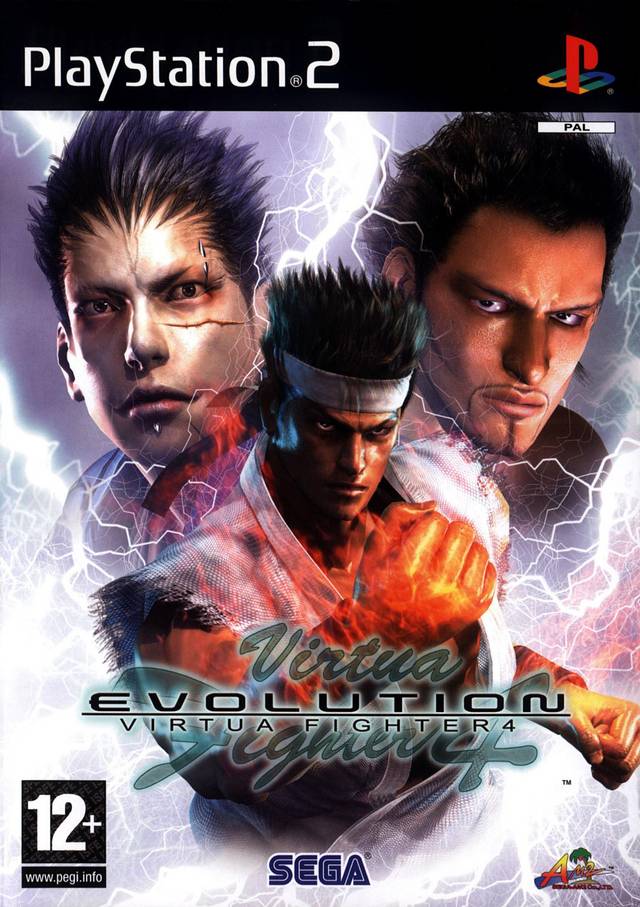
Virtua Fighter 4: Evolution is the PS2’s definitive 3D fighting game, refining Sega’s pioneering showcase into a strategic masterpiece. AM2 expanded the roster with kickboxer Brad Burns and judo specialist Goh Hinogami, joining fighters whose movesets pull from real martial arts. Your battles reward precise timing and spacing over button-mashing, cementing VF’s reputation as the thinking player’s fighter.
The expanded Training mode set a new standard for teaching advanced techniques that later fighters borrowed wholesale. Quest mode drops you into a faux-arcade circuit where adaptive AI learns your habits, letting you climb rankings and unlock custom gear in an endlessly replayable loop. Running at 60fps with tight mechanics that still feel sharp today, VF4E influenced everything from Tekken’s training systems to modern AI opponents. It proved hardcore fighting games can be approachable without sacrificing depth.
2004
Burnout 3: Takedown (Criterion Games)
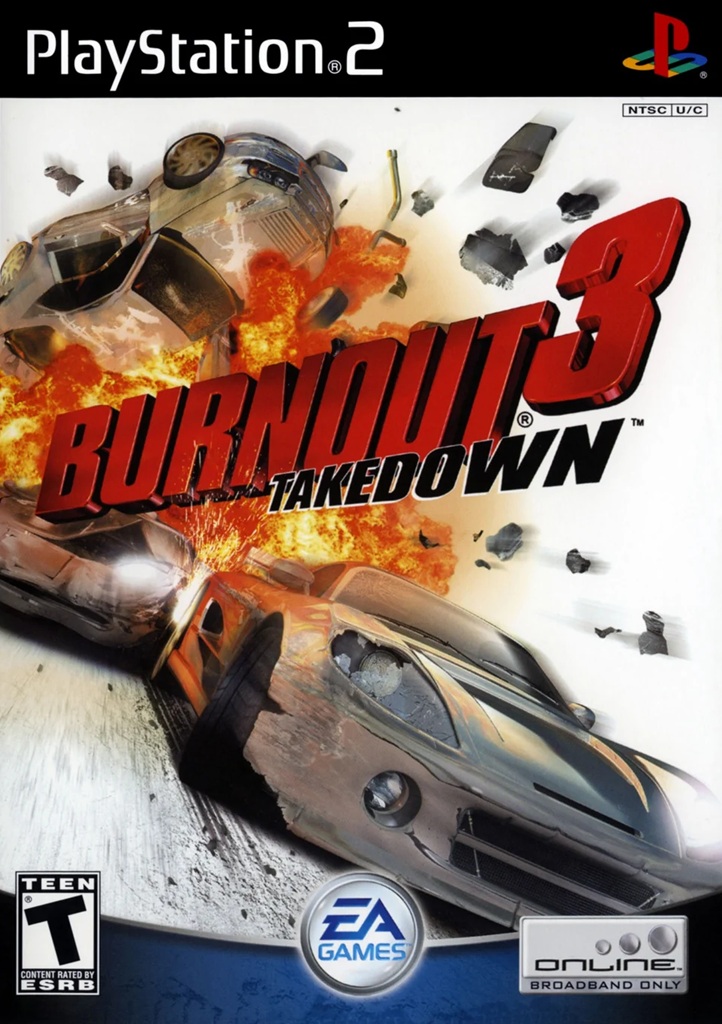
Man I loved this game. Burnout 3: Takedown redefined arcade racing by turning every race into an action-packed battle. It introduced the famous Takedown feature, letting players earn rewards for knocking opponents off the track. Crash mode also made huge pile-ups a thrilling part of the experience.
Everything about this game was done so well. The World Tour mode had tons of cars and tracks to try. The speed felt incredible, the controls were super responsive, and the graphics still look good. Burnout 3 got a lot of praise, and critics called it one of the best racing games ever because of its focus on crashes and easy-to-learn controls.
Burnout 3 didn’t just lead to more games in the series, it also inspired today’s combat racers and showed that over-the-top arcade action could be just as exciting as realistic racing. Even after twenty years, it still feels fresh. Burnout 3 is frankly one of the best games ever made.
ESPN NFL 2K5 (Visual Concepts)
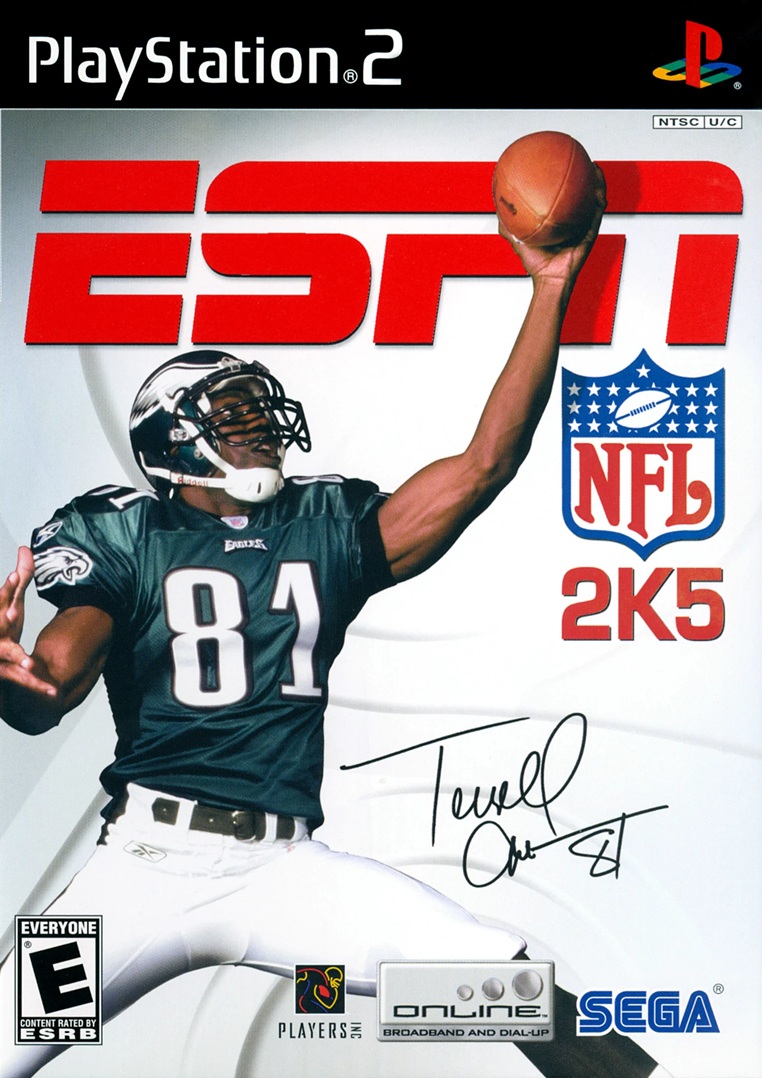
ESPN NFL 2K5 is incredible. It set a new gold standard for sports games with its authentic, broadcast-style football experience. Visual Concepts nailed ESPN integration with Chris Berman highlights, SportsCenter recaps, and dynamic commentary that made you feel like you were watching actual TV coverage.
At $20 versus Madden’s $50, 2K5 wasn’t just cheaper—it was better. Features like first-person views, a deep franchise mode, and Crib customization brought fresh ideas that EA couldn’t match. This game set the standard for how sports games look and feel today. When EA obtained the exclusive license, innovation stalled, showing how monopolies can hinder progress in gaming. Even now, fans like me still consider it one of the best football games ever.
Grand Theft Auto: San Andreas (Rockstar North)
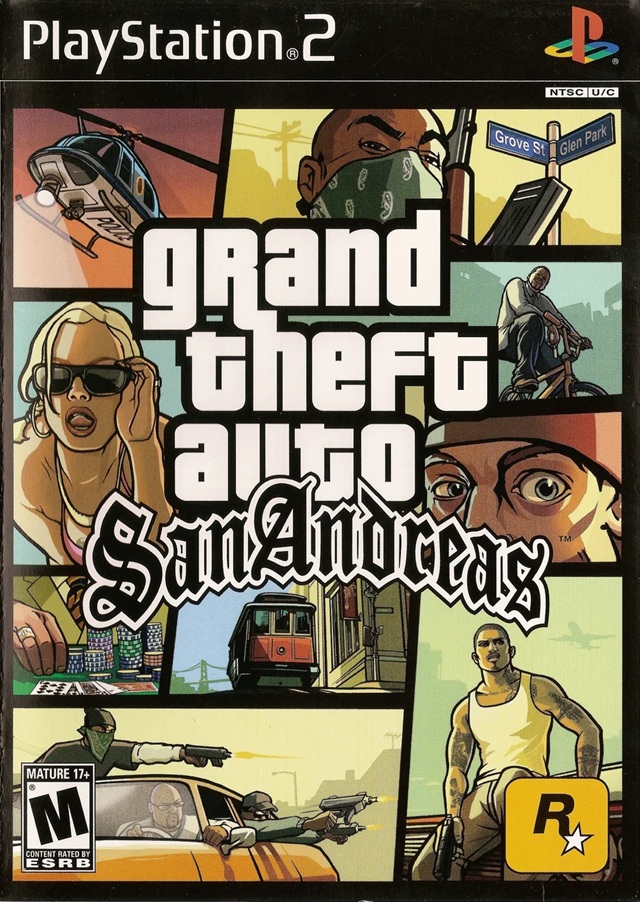
Grand Theft Auto: San Andreas expanded the open-world formula into a state-sized California love letter, following Carl “CJ” Johnson’s rise from Los Santos gang life to San Fierro rackets and Las Venturas heists. Rockstar’s three cities allowed unprecedented freedom. RPG-style systems let you build CJ’s strength, stamina, driving skill, and even physique through gym training, practice, and diet. Whereas III established the template and Vice City perfected the atmosphere, San Andreas took it all to the next level.
Side activities such as dating, lowrider competitions, burglary, basketball, and gang-territory takeovers deepened the immersion. At the same time, a politically charged story tackled themes of corruption, loyalty, and betrayal. With hundreds of vehicles (from bicycles to fighter jets), era-defining radio stations, and a colossal mission count, San Andreas didn’t just evolve GTA—it set the template for modern open-world design on console. If I were to crown an “overall best game” for the PS2, this is one of the top two candidates.
Jak 3 (Naughty Dog)
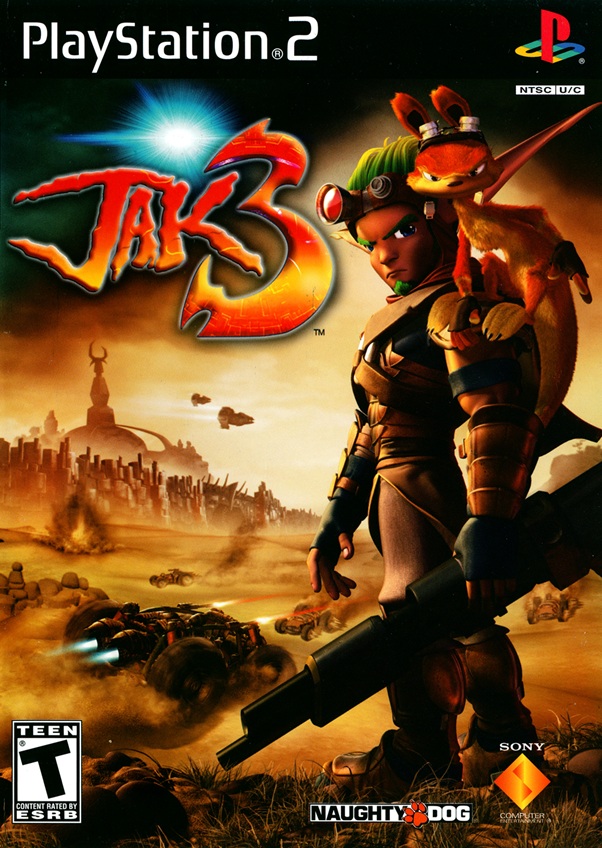
Jak 3 delivered a terrific conclusion to the trilogy, throwing players into the Wasteland—a post-apocalyptic desert where vehicles became as central as platforming. Light and Dark Jak powers balanced a deep weapon system, blending eco transformations with gunplay. The Wasteland emphasized vehicular freedom with buggies, hovercrafts, and mechs, while missions in Haven City kept the series’ platforming and puzzle-solving.
Jak’s exile, redemption, and ties to the Precursors brought his arc to a climax, mixing political intrigue with revelation, all without losing the series’ humor. By blending these elements into one adventure, Jak 3 showed that sequels could expand in scope and ambition without losing identity, laying groundwork for Naughty Dog’s evolution into cinematic action storytelling.
That’s another 12 down, and we’re just halfway through the list. The deeper we go, the clearer it gets why the PS2 became the best-selling console of all time—its library was stacked with innovation, risk-taking, and flat-out masterpieces. Part three is on the way, where we’ll keep climbing through the golden age with even more classics. In the meantime, which of these stand out for you? UPDATE: Part 3 has arrived!